
Ever wonder how catching diabetes early might change your life? About 1 in 5 people only learn they have type 2 diabetes after problems start to show up. Notice things like extra thirst, constant tiredness, and blurred vision. These signs are like early warning lights that something isn't right. In this article, we'll explain the key indicators and simple tests that can help you spot diabetes before it causes major issues. Take a small step today to protect your health tomorrow.
Key Early Indicators of Type 2 Diabetes Detection
More than 34 million adults in the United States live with diabetes, and about 1 in 5 isn’t aware. Missing an early diagnosis can lead to big problems like heart disease, stroke, kidney issues, and damage to nerves and eyes.
Some risks for type 2 diabetes can’t be changed, like being 45 or older or having a family history. However, factors like being overweight and having high blood pressure are in your control. Even young people are affected; over 187,000 children and teens have been diagnosed.
- Frequent urination may mean your body is trying hard to remove extra sugar.
- Extra thirst shows your body is working to balance high blood sugar.
- Feeling very tired happens when cells don’t get the energy they need (often because of insulin problems).
- Blurred vision might occur because high blood sugar affects the fluid in your eyes.
- Unexplained weight loss, even when you’re eating enough, can be a sign that your body isn’t using nutrients properly.
Catching these signs early is very important. A simple blood sugar test can help you take action before any complications grow worse.
Screening and Diagnostic Tests for Early Type 2 Diabetes

A blood sugar test helps check how your body uses glucose. Doctors use a few simple tests to see if you might have type 2 diabetes. One common test is the Fasting Plasma Glucose (FPG) test. For this test, you fast for at least 8 hours before your blood is drawn. If your FPG level is 126 mg/dL or more, it could mean you have diabetes.
Another test is the A1C test, which looks at your average blood sugar level over the past 90 days. If your A1C is 6.5% or higher, it generally means you have diabetes. If it falls between 5.7% and 6.4%, you might be in the prediabetes range. There’s also the Oral Glucose Tolerance Test (OGTT). For this test, you drink a sugary solution and have your blood checked two hours later. A result of 200 mg/dL or above indicates diabetes.
For regular checking, home testing kits and point-of-care meters can be very handy. They let you monitor your blood sugar levels between doctor visits. Experts usually recommend screening starting at age 45, or earlier if you have multiple risk factors. They suggest repeating these tests every 3 years or even sooner if needed. Keeping an eye on your levels can catch imbalances early and give you a chance to make lifestyle changes and get the right medical advice.
| Test Type | Procedure | Diagnostic Threshold |
|---|---|---|
| Fasting Plasma Glucose | Blood draw after an 8-hour fast | 126 mg/dL or more |
| A1C | Blood sample measuring 90-day average | 6.5% or higher |
| Oral Glucose Tolerance | 75 g glucose load, measure after 2 hours | 200 mg/dL or above |
Risk Factor Analysis for Early Type 2 Diabetes Detection
Knowing your risk can help you act early. If you're 45 or older or have a family history of diabetes, your risk is higher. On the other hand, factors like being overweight (with a BMI of 25 kg/m² or more), high blood pressure, and abnormal cholesterol levels are things you can work on. A simple risk calculator that adds up these factors can show you if it's time to talk with your doctor.
Our genes and lifestyle choices both affect how your body handles blood sugar. Risk tools check for signs of metabolic syndrome (a group of problems that can boost your diabetes risk) so you can spot issues early. Catching these signs can help you start small changes now and possibly prevent prediabetes from developing further.
Keep an eye out for these warning signs:
- A larger waist size
- High levels of triglycerides (a type of fat in your blood)
- Low levels of HDL cholesterol (the "good" kind)
- Elevated blood pressure
- High fasting blood sugar
Checking these factors early on can guide you towards timely testing and healthy changes to support your well-being.
Lifestyle Modifications Supporting Early Type 2 Diabetes Detection

Losing a few extra pounds can make a big difference in how your body handles insulin. Research shows that shedding about 10–15 lb (4.5–6.8 kg) can lower your diabetes risk by up to 58%. Even small weight losses encourage regular check-ups and early preventive steps.
Eating a balanced diet is another key approach. Try a Mediterranean-style or high-fiber plan rich in whole grains, fruits, vegetables, lean proteins, and healthy fats. This way of eating can help your body control blood sugar while giving you steady energy throughout the day.
Regular, moderate exercise also supports better insulin function. Aim for around 150 minutes each week of activities like brisk walking or cycling. It’s a simple way to back up your diet and weight loss efforts.
Diabetes Self-Management Education programs can offer lasting benefits by helping you:
- Learn easy ways to check your blood sugar at home.
- Get clear advice on planning balanced meals.
- Pick up practical tips for staying active.
- Enjoy ongoing support to keep healthy habits in place.
Innovative Technologies in Early Type 2 Diabetes Detection
Video calls and mobile health apps are helping us spot type 2 diabetes earlier. They let you quickly connect with your doctor, so you can share concerns and talk about any symptoms. Plus, tools like continuous glucose monitors keep track of your sugar levels every moment, alerting you when levels change unexpectedly. With these apps, unusual patterns can trigger an alert so you can get help fast.
Researchers are also exploring new tests that check markers like fasting insulin and C-peptide (a substance made when your body processes insulin). Smart computer programs (AI algorithms) can combine these test results into one easy-to-read risk score. This could mean catching early signs of trouble and getting the care you need sooner. By mixing everyday digital tools with advanced testing, we can help keep your health in check.
- Video calls for quick check-ins and follow-ups.
- Glucose monitors that provide real-time sugar level tracking.
- Mobile apps that highlight unusual trends.
- New tests paired with AI for earlier risk signals.
Community and Public Health Programs for Early Type 2 Diabetes Detection
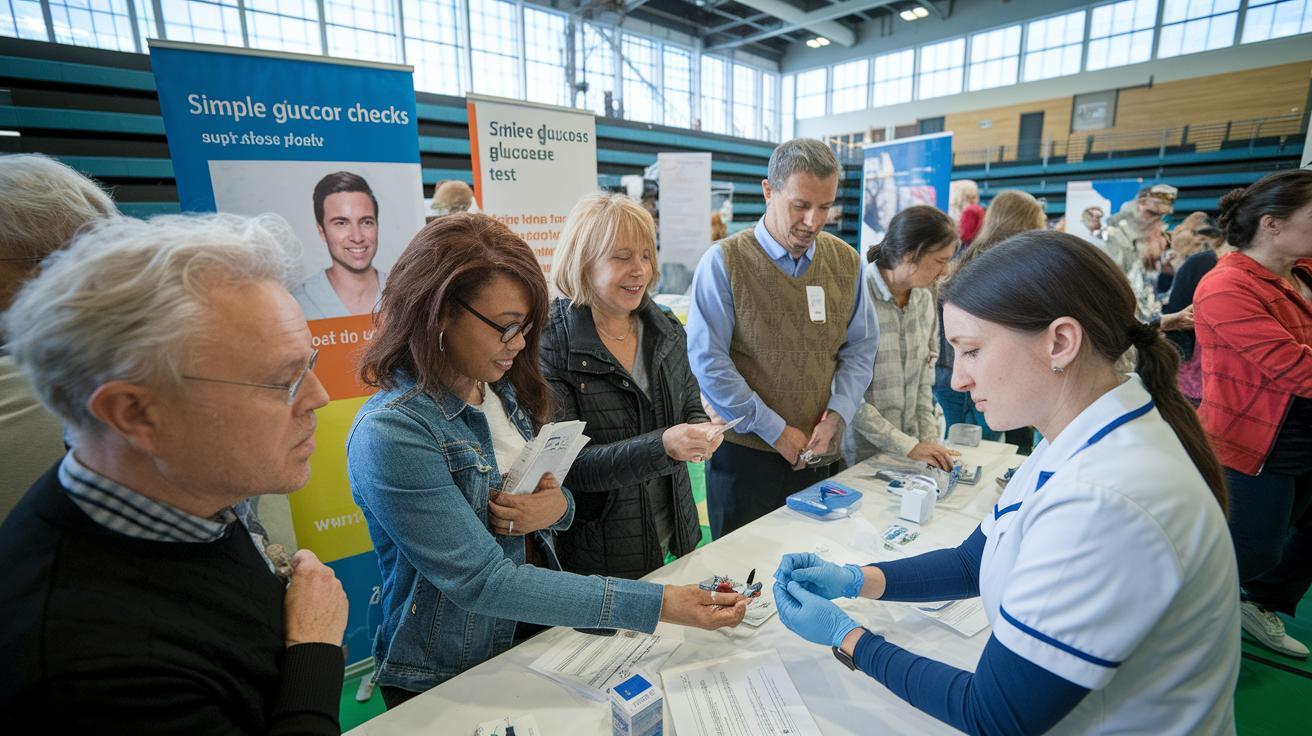
Community health programs are making it easier for everyone to get a blood sugar check. They offer free or low-cost tests in everyday places like health fairs, workplaces, schools, and clinics. This way, even if you don’t visit a doctor often, you can catch signs of sugar imbalances early.
These easy-access tests, such as fasting glucose and A1C checks, help spot changes in your blood sugar levels before they might develop into full-blown type 2 diabetes. Local campaigns also share helpful information about early detection with high-risk groups. By working with nearby schools, community centers, and clinics, these programs empower you to take charge of your health with a simple, everyday step.
Final Words
In the action, we covered early detection of type 2 diabetes and its silent signals. We broke down key indicators, risk factors, and warning signs. We explored screening tests like fasting plasma glucose and A1C, then looked at lifestyle adjustments that can keep you on track. We also reviewed the latest tech and community programs that support timely care. Small changes can make a big difference, so consider taking one step today toward a healthier life.
FAQ
What is type 1 diabetes?
Type 1 diabetes is an autoimmune condition where the body stops making sufficient insulin. It typically develops in younger individuals and requires regular insulin injections to manage blood sugar levels.
What are the early signs and common symptoms of type 2 diabetes or prediabetes?
Early signs include increased thirst, frequent urination, fatigue, blurred vision, and unexpected weight loss. Prediabetes may show milder symptoms, so spotting these changes early is key to getting tested.
How do healthcare professionals diagnose type 2 diabetes?
Diagnosis usually involves blood tests like fasting plasma glucose, A1C, or the oral glucose tolerance test. If levels exceed set thresholds, further assessment confirms type 2 diabetes.
How is type 2 diabetes treated?
Treatment starts with lifestyle changes such as a balanced diet and regular exercise. Medications may also be prescribed to help lower blood sugar levels and manage the condition effectively.
What are the symptoms of type 2 diabetes in women?
Women might experience fatigue, slow healing cuts, frequent infections, dry skin, and blurred vision. Recognizing these signs can prompt early evaluation and proper care.
What causes type 2 diabetes?
Type 2 diabetes develops due to a combination of genetic factors and lifestyle influences. Excess weight, high blood pressure, and inactivity contribute to decreased insulin sensitivity, leading to the condition.
How can I prevent or reverse type 2 diabetes?
Prevention and potential reversal involve maintaining a healthy weight through diet, regular physical activity, and routine blood sugar monitoring. Early lifestyle changes can significantly lower the risk or help manage the condition.
What does undiagnosed diabetes feel like?
Undiagnosed diabetes may feel like constant tiredness, unusual thirst, frequent urination, blurred vision, and unexplained weight loss. Noticing these signs early encourages prompt testing and care.