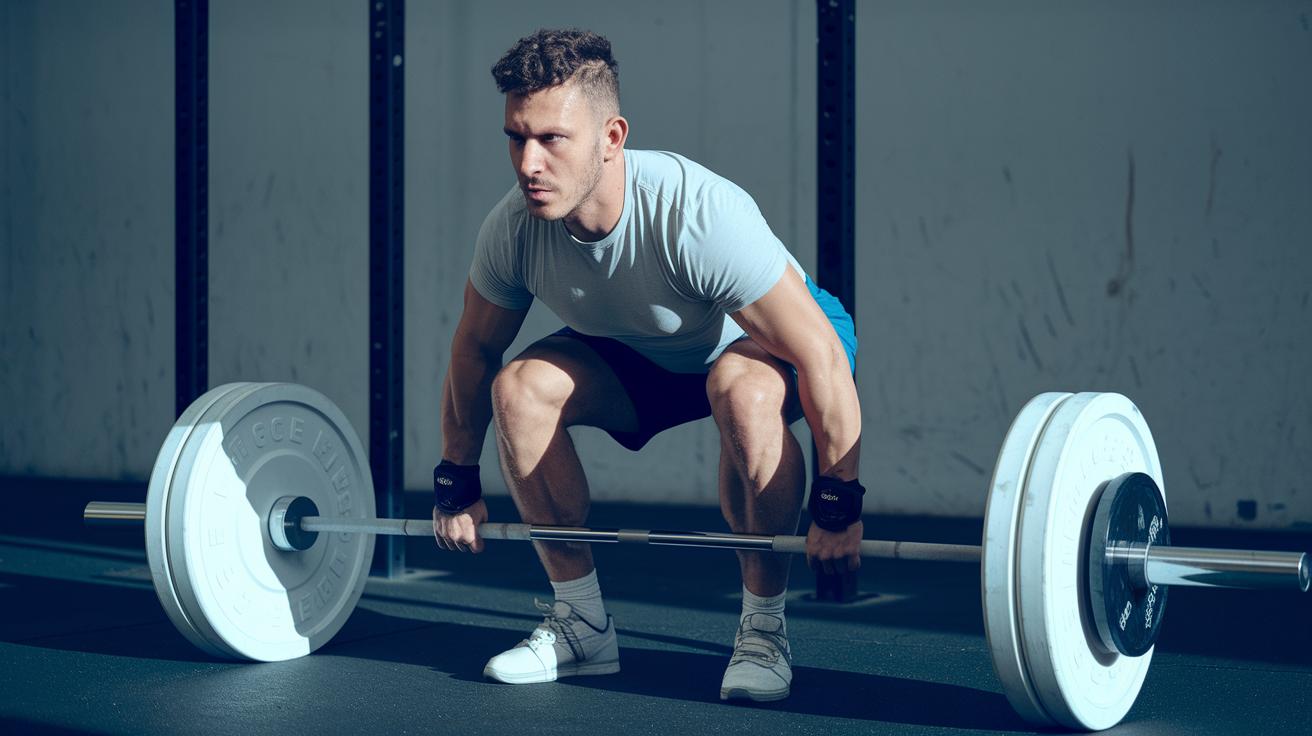
Quick take: Learn safe deadlift techniques to boost your strength step by step.
Have you ever noticed that some lifters get stronger faster? The deadlift works your entire body and teaches you to move with control. In this guide, you’ll find clear tips to set up properly, find a secure grip, and correctly position your feet.
Imagine your grip as an anchor, it keeps you steady like a ship tied at the dock. Begin with light weights to build a strong foundation, and then slowly increase the load. Follow these basics today to build strength safely and steadily.
Get Started with Deadlifts: Key Principles for Beginners
Deadlifting works your whole body. It builds back strength, boosts your athletic skills, and increases muscle power all around. To get started, adjust your rack so the bar rests right above your mid-shin. This setup keeps you safe and makes your lift more efficient.
Hold the bar with a strong, steady grip. If you need extra help, try a mixed grip (one hand over, one hand under). Think of your grip as the anchor that keeps your strength steady, much like a ship securely tied at the dock.
Place your feet shoulder-width apart with your toes pointing slightly out. This stance helps you stay balanced and uses the right muscles. Tighten your core (your tummy muscles) and squeeze your glutes (your butt muscles) while keeping your back straight. It’s like getting ready for a big jump, every muscle is set to work together.
If you’re just starting out, add some basic strength exercises to build a strong base before you move on to heavier weights. Keep it simple: practice good form, use light weights, and repeat the move until your muscles remember how to lift safely and powerfully.
Mastering Deadlift Form: Step-by-Step Technique
-
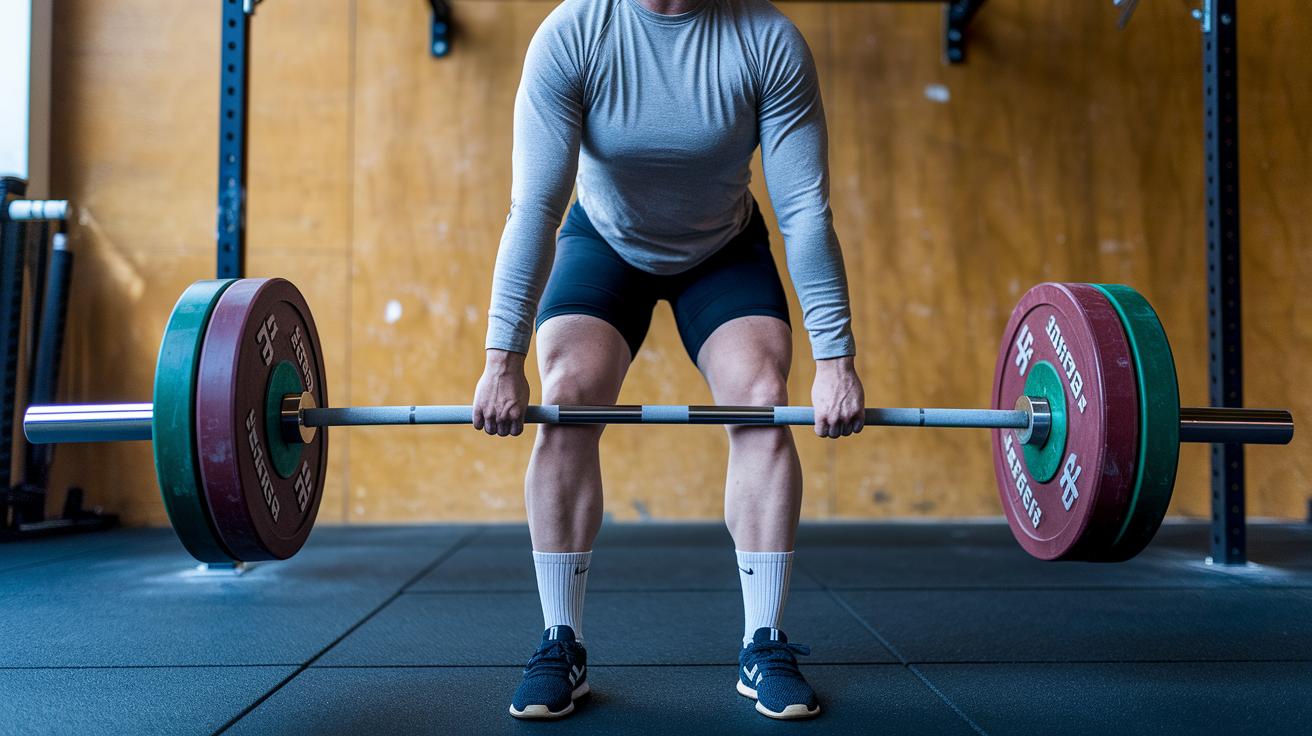
Set up your stance. Stand with your feet shoulder-width apart and your toes turned out just a bit. Feel the ground beneath you as you get rooted in place. Keep your back straight and your chest lifted to protect your spine from the start.
-
Choose your grip. Hold the bar in a way that feels good for you. Many people start with both hands over the bar (double overhand), but as you get stronger, you can try one hand over and one under (mix grip). Think of your grip as the first handshake with the weight, it sets you up for control.
-
Engage your core and glutes. Tighten your belly muscles and squeeze your buttocks like you're ready to jump. This helps you create full-body tension for a safer and stronger lift.
-
Achieve “Zero Slack.” Before you pull, make sure every muscle is activated and the bar feels secure in your grip. Take a quick pause, almost like taking a deep breath before a sprint, to gather your strength.
-
Load the Pull. Press firmly through the floor with your legs while keeping the bar near your shins. Let your hips and shoulders rise together in a smooth, steady motion, kind of like pushing open a heavy door with even force.
-
Execute the Final Pull. Once the bar passes your knees, drive your hips forward. Straighten out fully while keeping your back neutral and in control. Once you’ve mastered this move, you can try some extra exercises to strengthen your lower back for more support.
Avoiding Common Deadlift Errors
- Keep your back neutral. Picture it as a firm, flexible board that stays naturally arched, you'll reduce strain.
- Lift your hips and shoulders together. Imagine them as teammates moving in harmony.
- Hold the bar close to your legs. Let it stay near your shins to guide and balance the weight.
- Choose a hand grip that feels right. Adjust until the bar feels like an extension of your hands.
- Keep your neck in line with your spine. Look ahead softly so your posture stays on track.
- Lower the bar with control. Avoid bouncing it off the floor and focus on steady muscle engagement.
- Reset your full-body tension with each rep. A proper start helps every lift go smoothly.
Beginner Deadlift Variations and Equipment Options
Rack Pull
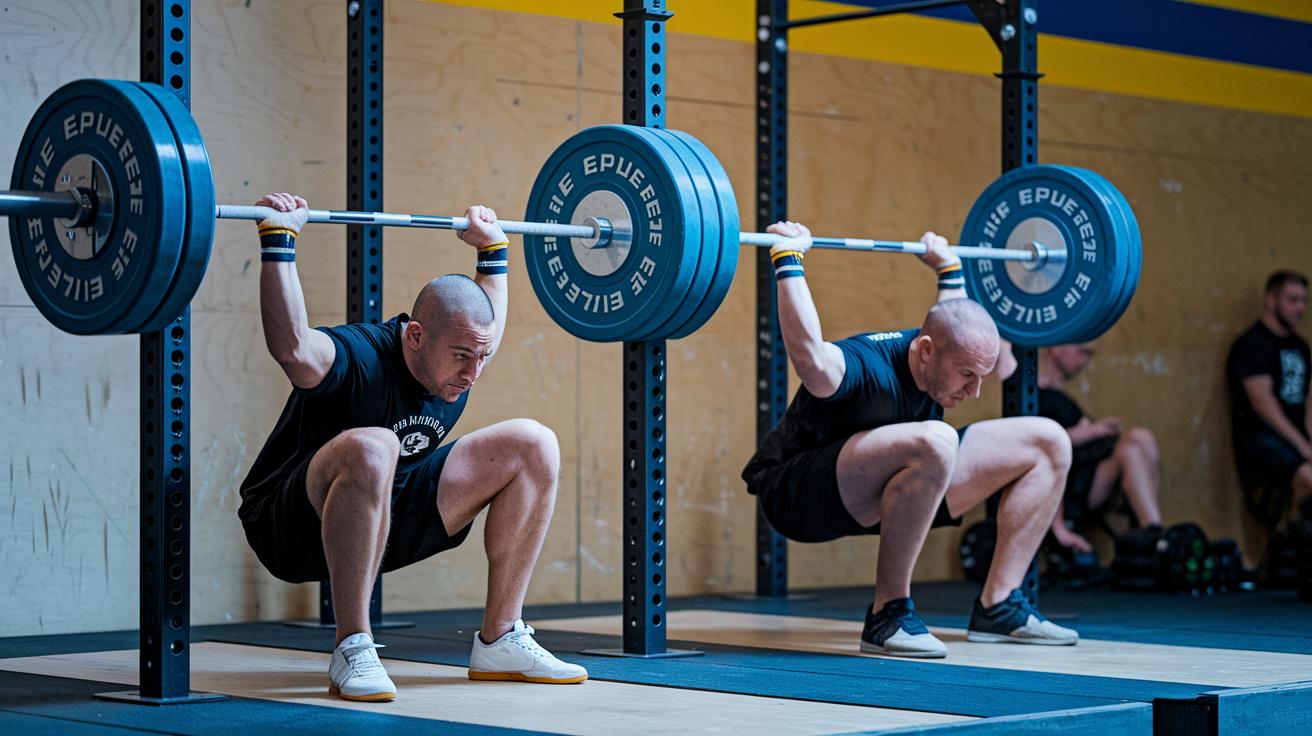
Rack pulls shorten the range of motion. You start the lift from an elevated position with safety pins in place so you can focus on the final part of the lift. Think of it like a small jump that strengthens your finishing muscles without straining your lower back.
Trap Bar Deadlift
In a trap bar deadlift, you step inside a special bar. This design helps keep your back straight (a neutral spine) and spreads the weight evenly. With a balanced load, you can work on proper foot placement and form, much like balancing a scale with weight close to your center.
Sumo Deadlift
For a sumo deadlift, you take a wide stance with your feet turned out. This puts more focus on your hips and inner thighs. By keeping an upright torso, you shift the work to your hip muscles. It’s like taking a strong, stable stance that supports each lift.
Pause Deadlift
Pause deadlifts add a short break when the bar reaches mid-thigh. Stopping for a moment builds stability, helps your muscles engage properly, and builds endurance. It’s a useful way to practice control and safe lifting.
| Variation | Equipment | Benefit |
|---|---|---|
| Rack Pull | Barbell, Safety Pins | Builds finishing strength |
| Trap Bar | Trap Bar | Keeps your back straight, reduces stress on the lower back |
| Sumo | Barbell | Targets hips and inner thighs |
| Pause | Barbell | Improves stability and muscle control |
Crafting a Beginner Deadlift Workout Plan
Start by committing to a simple routine. Aim to do deadlifts twice a week. Before each session, warm up for 5-10 minutes with easy cardio (like brisk walking or light jogging) and some dynamic stretches that gently wake up your muscles. Then do 2-3 sets with very light weights to get your body ready for the heavier lifts ahead.
For your main workout, complete 3-5 sets of deadlifts, doing between 3 and 8 repetitions per set. Choose a weight that feels tough but still doable. Rest for 60-90 seconds between sets so your muscles can recover well. This break is important for building strength without overworking yourself. When you finish, cool down with gentle stretches or a bit of foam rolling to help ease muscle tightness.
Keep a workout log to track your sets, reps, and weights. This simple habit shows your progress over time and helps you know when to adjust the load. Also, support your training with balanced meals, a mix of lean protein, whole grains, and plenty of vegetables. Enjoy a post-workout snack, like a protein shake or a light meal, within 30 minutes after training to help your muscles recover.
Try this plan for a couple of weeks. As you get comfortable, you can slowly increase the challenge while still making recovery and good nutrition your top priorities.
Monitoring Progress and Advancing Your Deadlift Routine
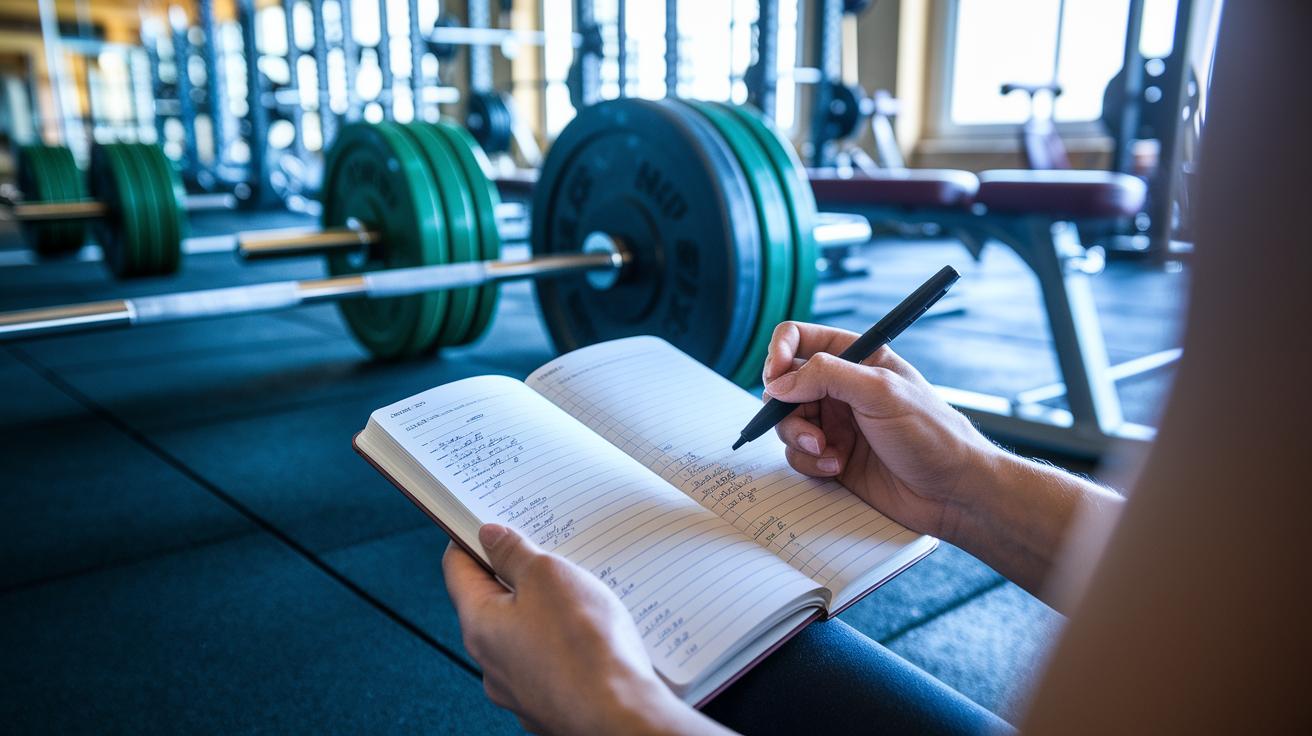
Try keeping a simple journal for your workouts. Write down what you do each session, how many sets, reps, and the weight you lift. This log helps you spot trends over time. For example, aim to add 5 lbs (2.3 kg) each week to boost your progress while keeping your form strong.
Sometimes filming your lifts can be very helpful. Recording a video allows you to check your bar path and posture, so you know you're deadlifting correctly. You might catch a rushed movement or a misaligned bar path that needs a quick fix. If you want immediate feedback, ask a friend or use a mirror.
Set a small load target for each workout. Work on gradually increasing your weight and take a moment to notice how your body feels with each change. This way of tracking makes it easier to spot patterns and adjust your goals. Small, steady steps build strength and help you advance safely, while your journal and video check-ins keep you on track.
Deadlift FAQs for First-Time Lifters
-
To check your starting position, head over to the "Get Started with Deadlifts: Key Principles for Beginners" section. Make sure your feet sit right under your shoulders before you begin lifting.
-
For guidance on grip types, visit the "Mastering Deadlift Form" section. Start with a double overhand grip and, as you build strength, try a mixed grip.
-
When lowering the bar, do it slowly with a steady reverse motion. Keep your core engaged, and review the "Mastering Deadlift Form" section for clear, step-by-step pointers.
-
Begin with a lighter weight to test your form and avoid strain. Check the "Crafting a Beginner Deadlift Workout Plan" for advice on how to progress gradually.
-
Aim to practice deadlifts twice a week so your muscles have time to recover. For a full schedule, refer to the "Crafting a Beginner Deadlift Workout Plan."
Final Words
In the action, we covered key setup cues, proper form, and simple workout plans to boost your lifting confidence. We broke down each step, from establishing a firm grip to avoiding common mistakes, to help you build strength safely. You also got a look at beginner-friendly exercise variations and tips to track your progress over time. Stay focused on small wins and build routines that work for you. Every step matters on your deadlift for beginners journey, keep moving forward and celebrate your improvements.
FAQ
Q: How can beginners safely start deadlifting, including using dumbbells?
A: The deadlift for beginners, whether female or male, involves learning proper form first. Using dumbbells or a barbell lets you practice controlled movements, a firm grip, and a straight back to avoid injury.
Q: How much weight should a beginner start deadlifting?
A: The deadlift starting weight for a beginner is usually just the barbell (45 lbs or 20 kg) or a very light load. This lets you focus on perfecting your technique before increasing weight.
Q: What is the best deadlift variation for beginners?
A: The best deadlift variation for beginners is one that supports form and gradual load increase, such as the conventional or trap bar deadlift. These options emphasize proper posture and reduce stress on the lower back.
Q: How can I deadlift at home effectively?
A: The deadlift performed at home should be done in a safe space with proper and available equipment like dumbbells or a barbell. Focusing on your stance, grip, and controlled movement ensures effective and safe training.
Q: What are the five common mistakes when performing the deadlift?
A: The five common mistakes include rounding the back, letting the hips rise too fast, drifting the bar away from the shins, using an improper grip, and not resetting tension between repetitions.
Q: Is deadlifting safe for beginners?
A: The deadlift is safe for beginners when done with light loads, strict attention to form, and gradual progression. A well-structured warm-up and focus on technique further reduce any injury risks.
Q: Why does Planet Fitness not allow deadlifts?
A: The deadlift is often restricted at Planet Fitness to lower injury risk, reduce equipment wear, and manage shared space. Their guidelines aim to keep the gym safe and accessible to everyone.