
Ever wonder if that drink helping you unwind tonight might cause issues later on? You can take control with simple alcohol risk reduction steps. Start by keeping track of how much you drink, scheduling a few alcohol-free days each week, and opting for lighter choices when you're out. Think of it like buckling your seatbelt before every drive. By making these small changes, you can enjoy your evenings now and protect your health in the long run.
Quick Reference: Top Methods to Reduce Alcohol-Related Harm
-
Keep track of your drinks: A standard drink is 5 oz of wine, 12 oz of beer, or 1.5 oz of spirits. Using a simple journal or an app to note each drink can help you stay aware of your alcohol intake.
-
Plan alcohol-free days: Setting aside days without alcohol, like during Dry January or Sober October, gives you a chance to reset and build healthier habits.
-
Pick drinks with less alcohol: Check the labels to know the alcohol content and choose beverages with lower alcohol levels. This small swap can make a big difference.
-
Switch up your drinks: Try alternating each alcoholic drink with water or another nonalcoholic option. Take small sips and pause to see how you're feeling along the way.
-
Eat and drink water: Having some food and water before or while you drink helps slow down alcohol absorption, lowering the chance of blackouts.
-
Limit alcohol at home: Reducing the amount of alcohol available and changing your routine can help curb impulsive drinking.
-
Use healthier stress and sleep strategies: Alcohol isn’t the answer to stress or sleep problems. Look for safer alternatives and make sure you have a plan for safe transportation if you do choose to drink.
Evidence and Context: Standard Drink Guidelines and Risk Thresholds
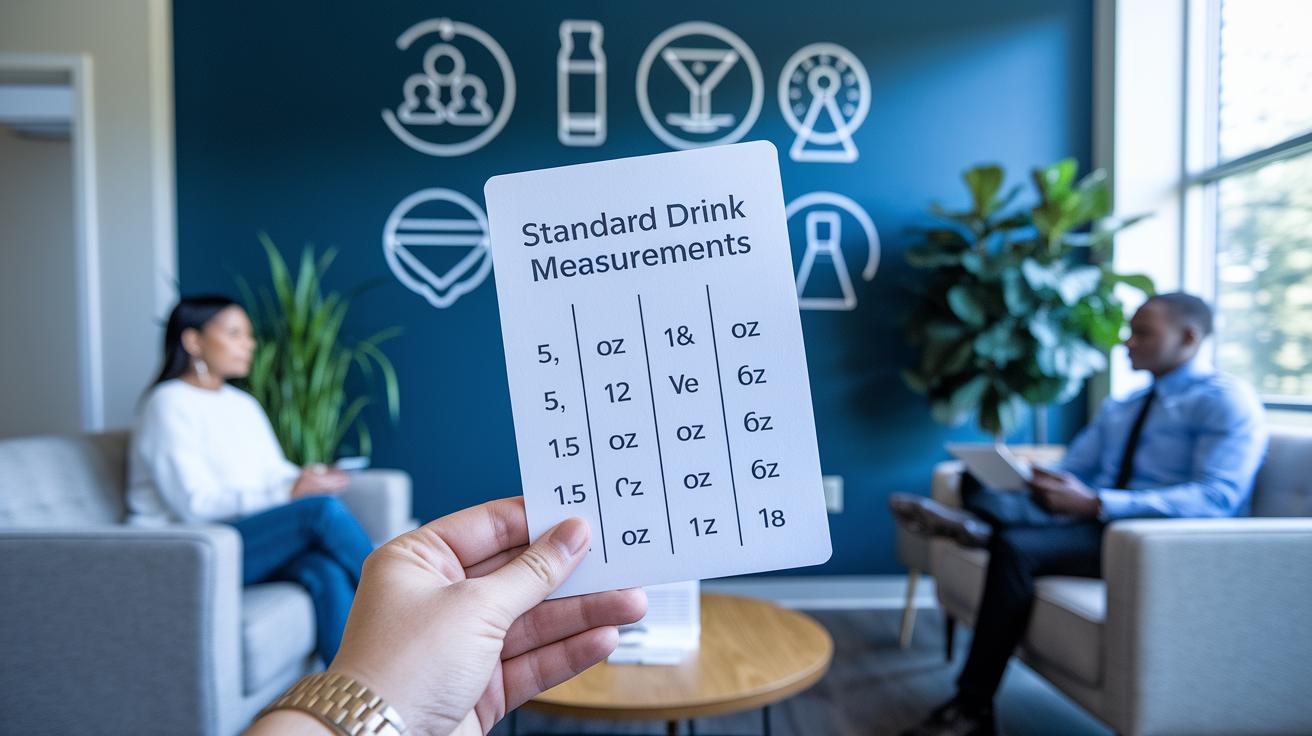
A standard drink is 5 oz of wine, 12 oz of beer, or 1.5 oz of hard liquor. This simple measure tells you how much alcohol you're having. U.S. guidelines advise men to have no more than 2 drinks a day (about 14 per week) and women to stick with 1 drink a day (around 7 per week).
Research tracking people's health over time shows that drinking more can raise your risk of high blood pressure, liver problems, and certain cancers. In fact, studies suggest that each extra drink a week might bump up the overall risk of death by about 4–5%.
Groups like the World Health Organization use these strong research findings to set safe drinking limits. Knowing what a standard drink is and keeping to these limits can help you make choices that lower your long-term health risks.
In-Depth Techniques for Self-Monitoring and Sustained Moderation
Quick take: You can lower your weekly drinking by 15–20% by simply tracking your drinks. Start with a journal or mobile app to write down each drink. This clear record lets you see your habits without judgment and makes it easier to adjust over time.
Use cognitive-behavioral methods to pinpoint what makes you drink more. If stress or a lively social scene pushes you to drink, jot down those details. Recognizing these patterns helps you plan other ways to handle those moments without alcohol.
Try switching up your routine with habit-replacement strategies. Instead of heading to a bar, choose activities like a friendly walk or a game night. Changing your evening plan can lessen that automatic pull toward drinking.
Remember, any slip-up isn’t a failure. Instead, see it as a chance to learn and change your plan next time. This small shift in outlook boosts your confidence and helps you fine-tune your approach to managing your intake.
- Track your drinks using a journal or app.
- Write down feelings and events that trigger extra drinking.
- Replace drinking routines with alcohol-free activities.
- View any lapse as a chance to learn and improve.
Alcohol Risk Reduction Strategies for Safe, Smart Living

Public health campaigns and community programs are changing how we see alcohol and lowering risks for everyone. For example, a campaign called "What's your poison?" shows that alcohol turns into a toxic substance (acetaldehyde), which makes many people rethink their usual drinking habits. At the same time, community efforts reveal that 2 out of 3 parents work to keep alcohol away from kids. This success is pushing for stricter ID checks and more learning programs in schools. Together, these actions create safer spaces for young people and spark positive policy changes.
Underage Drinking Prevention
- Parents set clear rules and keep a close eye on social events.
- Schools share simple lessons about the dangers of alcohol.
- Local laws enforce stronger ID checks at places that sell alcohol.
- Community programs encourage honest talks about alcohol and its effects.
Pregnancy-Focused Initiatives
In campaigns like Western Australia's "Amazing" initiative, experts stress that there is no safe amount of alcohol during pregnancy. These campaigns urge mothers-to-be to avoid alcohol completely. They also offer helpful resources such as easy-to-read booklets and test strips for checking alcohol in breast milk. This clear guidance helps families take practical steps to protect both mom and baby.
Pandemic-Era Expert Guidance
When the pandemic hit, experts switched to digital tools to help people manage stress-related drinking. They offered webinars, mobile apps, and quick surveys that let individuals check how much they were drinking and find healthier alternatives. These online resources provide simple self-assessments and useful tips, like choosing a non-alcoholic drink instead.
Community policies and hands-on programs join forces to build a supportive network. This network helps reduce alcohol-related harm and promotes smart, safe choices every day.
Medical and Pharmacarmacological Approaches to Mitigate Alcohol-Related Risk
Medicines can help break the cycle of heavy drinking. Drugs like Campral (acamprosate), Disulfiram, and Vivitrol (naltrexone) are approved to reduce cravings or block the rewards you get from alcohol. These treatments work best when you pair them with counseling, support groups, or therapy sessions. If you’re trying to change your drinking habits, combining these medicines with professional guidance may lower your risk of relapse.
These drugs are designed to adjust the brain's chemical responses to alcohol, making it easier to keep your drinking under control or even stop completely. Early action can be very helpful, especially if you’ve recently had trouble with alcohol. However, be very careful, mixing alcohol with these or other medications can raise the risk of overdose and other serious health issues. Your doctor should review any medications you take to keep things safe.
| Medication | Mechanism | Common Dosage | Key Side Effects |
|---|---|---|---|
| Campral (Acamprosate) | Modulates GABA/glutamate (helps balance brain chemicals) | 666 mg TID | Diarrhea, headache |
| Disulfiram | Blocks aldehyde dehydrogenase (prevents alcohol processing) | 250 mg daily | Flushing, nausea |
| Vivitrol (Naltrexone) | Opioid receptor antagonist (reduces alcohol’s rewarding effect) | 380 mg IM monthly | Injection site pain |
Using these evidence-based medications along with supportive behavioral support can help reduce alcohol’s pull and allow you to manage your intake more safely. If you’re thinking about a new way to handle your drinking, talk to your doctor about these harm reduction options.
Final Words
In the action, this post broke down practical ways to reduce alcohol-related harm. We covered steps like tracking your standard drinks, planning alcohol-free days, and swapping a drink for water. We also shared tips on self-monitoring and real community insights to support safer routines. Along with medical options, these alcohol risk reduction strategies offer trusted guidance you can use today. Small steps can add up, try one technique now and celebrate every win along the way.
FAQ
Frequently Asked Questions
Q: What are harm reduction strategies for alcohol PDF?
A: The harm reduction strategies for alcohol PDF refer to downloadable guides offering research-backed methods, such as tracking standard drinks, scheduling alcohol-free days, and choosing alternatives, to help reduce alcohol-related harm.
Q: What is alcohol harm reduction?
A: Alcohol harm reduction means using practical methods to lower health risks associated with drinking. It includes measuring intake, hydrating, and planning safe transportation, all aimed at reducing negative effects.
Q: How can I reduce alcohol consumption safely and naturally?
A: Reducing consumption safely and naturally involves tracking drinks, planning alcohol-free days, hydrating, and eating before drinking. These steps work together to lessen intake without drastic changes.
Q: What are alcohol reduction strategies?
A: Alcohol reduction strategies are practical methods like self-monitoring with journals or apps, creating alcohol-free routines, and keeping less alcohol at home, all designed to help control consumption over time.
Q: What are harm reduction alcohol worksheets?
A: Harm reduction alcohol worksheets are printable tools guiding you to map out and reflect on your drinking habits. They provide step-by-step prompts to identify and implement safer drinking practices.
Q: What does alcohol harm reduction on Reddit involve?
A: Alcohol harm reduction on Reddit involves community members sharing personal tips, advice, and experiences on cutting back and implementing safer drinking practices, offering peer support for controlled consumption.
Q: How can I reduce the effects of alcohol on my liver?
A: Reducing alcohol’s effect on your liver includes moderating intake, eating before drinking to slow absorption, staying well-hydrated, and opting for low-alcohol alternatives to ease liver strain.