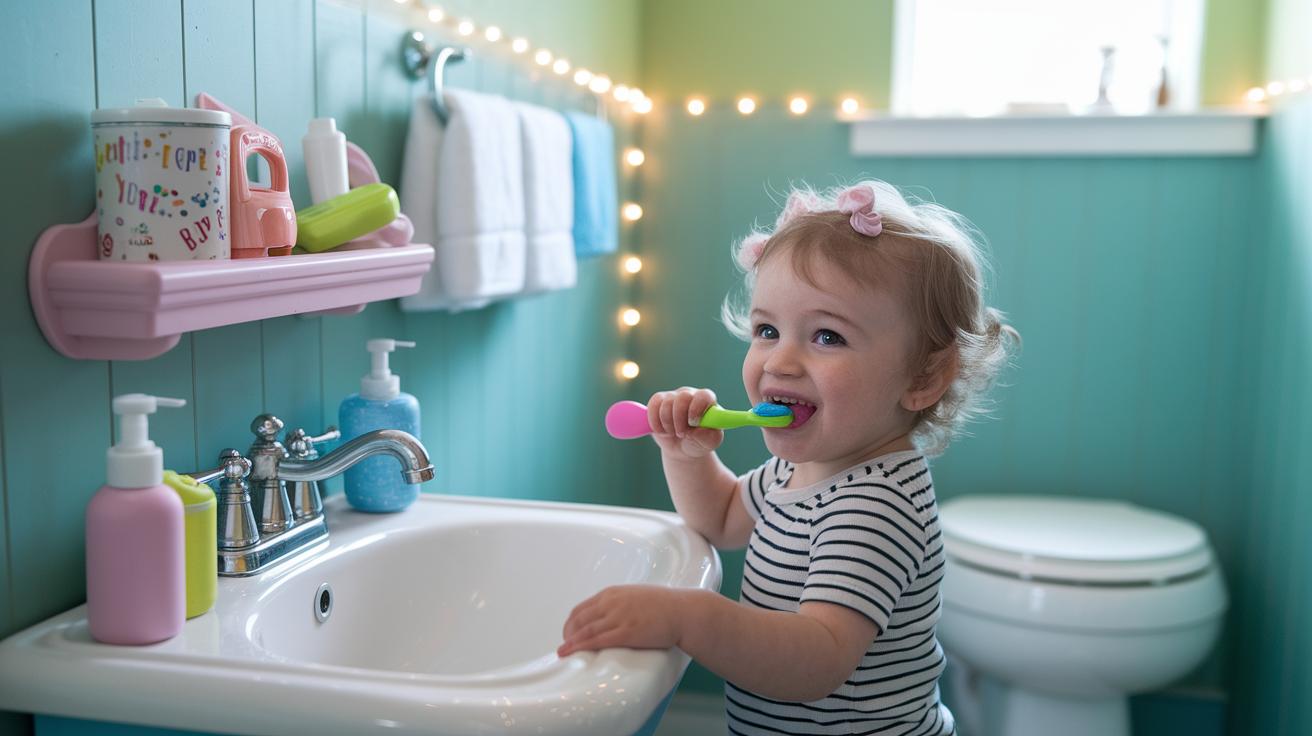
Ever wonder if a steady bedtime routine might help your preschooler sleep better? Try setting the same routine every night, turn off screens a little earlier and read a quiet story. This simple practice helps signal that it's time to wind down. One study even found that sticking to a bedtime window 30 minutes wide led to a 20% drop in sleep disruptions.
This guide lays out a clear plan to ease bedtime struggles and bring more peace to your evenings. Keep reading for practical tips you can start using tonight for a quieter night and a happier morning.
Benefits of a Consistent Bedtime Routine with Sample Schedule
A steady bedtime routine helps preschoolers get 10–13 hours of sleep each day, including naps. Studies show that if you keep the bedtime within a 30-minute window, night wakings drop by around 20%. A predictable schedule means your child isn’t startled awake by sudden changes. For instance, turning off electronics at least 60 minutes before bed can prevent a roughly 22% drop in melatonin (a hormone important for sleep). Dimming the lights about 45 minutes before bedtime also cues the body to wind down. These little changes can help your child fall asleep smoother and wake up feeling refreshed and ready to learn.
A regular routine also builds strong sleep habits. A calming pattern, like a 10–15-minute warm bath that slightly raises body temperature, tells your child it’s nearly time to sleep. Reading stories for 10–20 minutes might even add about 15 extra minutes of sleep, based on clinical observations. Ending the night with a cuddle or a gentle lullaby soothes most children, creating a safe, relaxed space for sleep. This science-backed method not only supports better sleep habits but can also ease common preschool bedtime challenges.
| Time | Activity |
|---|---|
| 7:00 pm | Quiet play (puzzles, coloring) |
| 7:15 pm | Warm bath |
| 7:30 pm | Get into pajamas and brush teeth |
| 7:40 pm | Storytime (10–15 minutes) |
| 7:55 pm | Cuddle and lullaby |
| 8:00 pm | Lights out |
This sample schedule builds a calm, repeatable routine that tells your child it’s time for sleep. Parents can use this simple plan to cut down on night wakings and ease bedtime struggles. Following this evidence-based routine helps everyone get along better, ensuring both your little one and you are more rested to face the busy preschool day.
Creating a Calming Bedtime Environment for Preschoolers
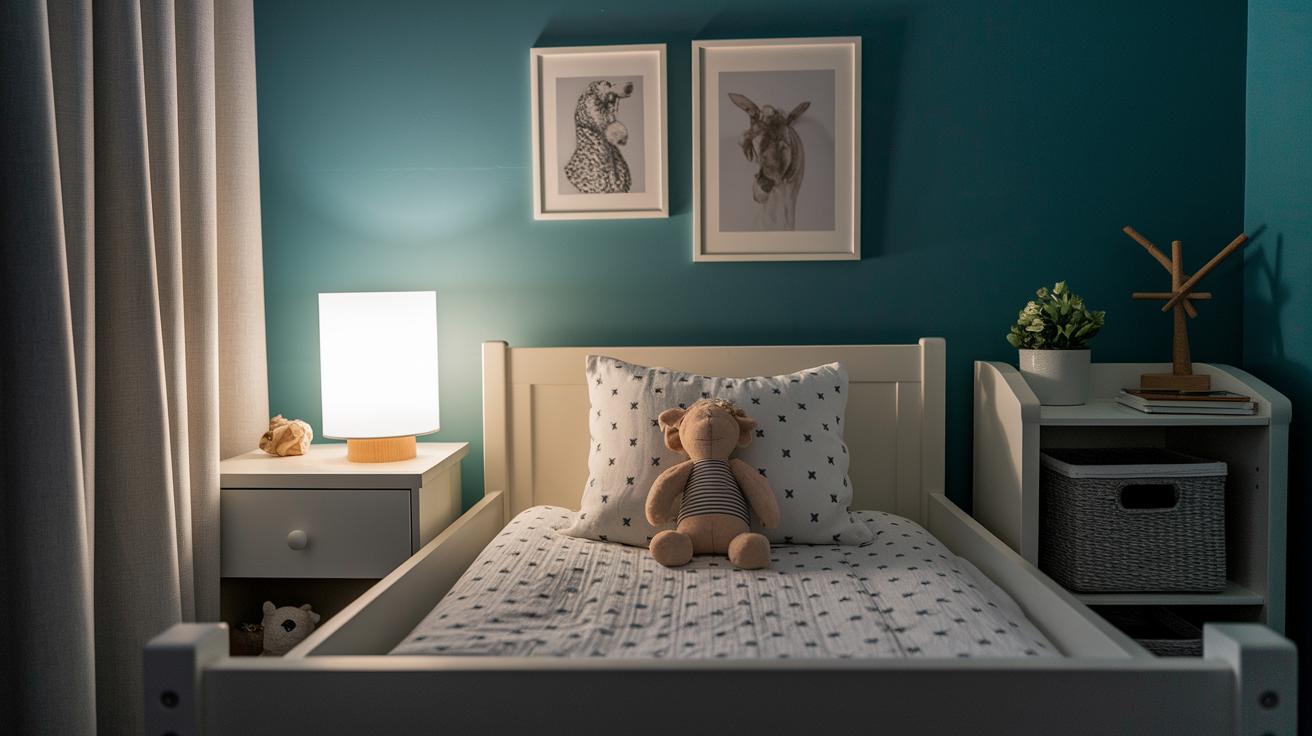
Keep the room temperature between 65°F and 70°F (18°C to 21°C) so it feels cozy and helps your little one wind down. Try to keep background noise below 40 dB. For extra calm, a white noise machine on a gentle 50 dB can help soothe many preschoolers.
Light matters, too. Blackout curtains block almost all outside light, turning the room into a snug sleep space. Dim the lamps as bedtime nears to slowly ease the energy down, like turning down the volume on the day.
A beloved stuffed toy or small comfort item can really help. Many preschoolers feel more secure with a special object nearby, which eases separation anxiety. Combined with soft music or white noise, these small touches make bedtime feel safe and gentle.
Incorporating Nutrition and Wind-Down Activities in a Preschool Bedtime Routine
Giving your preschooler a small snack about 30 minutes before bed can lead to a more peaceful night. Try offering whole-grain crackers with a bit of cheese for a gentle boost of energy after a busy day.
Avoid sugary drinks after 6 pm. Sweet beverages can spike blood sugar and disturb sleep. Instead, choose water or milk to keep energy levels steady and help ease the transition to bedtime.
Quiet activities work wonders. Simple options like puzzles, coloring, or a quick 5-minute yoga stretch can help lower your child's energy. These calming activities signal that it's nearly time to sleep.
Limit screen time during the last hour before bed. The light from screens can interfere with melatonin, a hormone that helps you sleep, which makes it harder for your child to wind down. Keeping screens to a minimum supports a smoother path to rest.
Managing Common Preschool Bedtime Challenges

Preschoolers often have a hard time settling down at night. Studies tell us that about 40 out of 100 kids might wake during the night and roughly 30 out of 100 might resist going to bed. Many children aged 3–5 also feel scared of the dark. When we understand these everyday challenges, we can create a bedtime routine that reassures our little ones.
Night Wakings
- When your child wakes up, offer gentle reassurance in a quiet, softly lit room. Keeping the light dim and voices soft helps them feel secure.
- Try to keep background noise very low (around 40 decibels) and avoid switching on bright lights. A calm, predictable approach can signal that night wakings are part of their routine.
- A steady and soothing response helps guide them back to sleep without adding extra worry.
Bedtime Resistance
- Give your child a small choice like picking their pajamas or choosing a bedtime story. This simple control can make them feel more comfortable with sleep.
- Use a visual countdown timer to show how much time is left before lights-out. This helps set clear expectations and builds independence.
- Having a consistent bedtime routine lets your child know what to expect, reducing the urge to resist bedtime.
Fear of the Dark
- A dim night-light (no more than 5 lux) can ease the fear of darkness while still keeping the room cozy.
- Let your child know that it's okay to feel scared sometimes and that you're there to help.
- Sometimes, a favorite stuffed toy or small blanket can offer extra comfort when the dark feels overwhelming.
By using these simple, evidence-based tips, you can create a supportive and calming bedtime scene. With a steady routine and a few thoughtful adjustments, nighttime can become a more peaceful and happy time for both you and your preschooler.
Adapting the Bedtime Routine for Individual Preschooler Needs
If your child is moving from two naps to one, try shifting the bedtime routine slowly. Change the schedule in small steps so your little one never feels rushed. This gradual shift helps maintain the natural rhythm of the day and makes the move easier for your child.
For preschoolers with special needs, consider using visual schedule cards. These simple cards show each bedtime step clearly, which can make the routine more predictable and reduce stress, especially for children on the autism spectrum. A clear visual guide helps build both comfort and independence, setting up a positive sleep experience.
You might also blend in family traditions that matter to you, like a quiet prayer or a gentle lullaby. When seasonal changes affect daylight, you can adjust lights-out by 15 to 30 minutes to keep the routine in tune with nature. Mixing your cultural practices with these small changes can create a personal, calming bedtime that supports your child's rest.
Final Words
In the action, this article showed how a steady schedule boosts preschool sleep and makes evenings smoother. We shared a sample table and explained why a planned routine helps minimize night wakings and resistance.
We detailed ways to ease wind-down with balanced snacks, calming activities, and a quiet sleep space.
Remember, a well-crafted bedtime routine for preschoolers sets up better sleep and happier mornings. Keep experimenting with these tips to find what fits your child best, and enjoy those peaceful nights ahead.
FAQ
Why is a consistent bedtime routine important for preschoolers?
A consistent bedtime routine strengthens sleep quality by reducing night awakenings and easing transitions. Establishing a set pattern helps regulate preschoolers’ body clocks, ensuring they receive the 10–13 hours of sleep needed each day.
What is a sample bedtime routine schedule for preschoolers?
A sample schedule builds structure through activities like quiet play, a warm bath, storytime, and a final cuddle. This six-step routine helps ease kids into sleep while cutting resisting behaviors and night wakings.
How can a calming bedtime environment benefit preschoolers?
A calm environment supports sleep onset by following target temperature and noise guidelines, using dim lighting and blackout curtains. These adjustments create a soothing atmosphere that reduces anxiety and promotes a smooth transition to sleep.
What pre-sleep nutrition and wind-down activities support preschool sleep?
Offering a small, balanced snack and avoiding sugary drinks can stabilize energy. Relaxing activities such as puzzles or gentle stretches help lower excitement levels, making it easier for preschoolers to settle down without screen distractions.
How can common preschool bedtime challenges be managed?
Addressing issues like night wakings, bedtime resistance, and fear of the dark involves using strategies like brief, consistent reassurance, offering simple choices, and providing a dim night-light or comforting stuffed toy for extra support.
How can I adapt the bedtime routine to suit my preschooler’s individual needs?
Tailoring the routine may include adjusting for nap changes, using visual schedule cards for special needs, or incorporating cultural practices. Small tweaks such as seasonal shifts in lights-out time help meet each child’s unique sleep requirements.