Have you ever wondered if a health tracking app could help you feel better every day? These apps take everyday numbers, like your step count, heart rate, and sleep hours, and turn them into simple, practical tips for improving your health. In this post, we'll show you a few easy-to-use apps that help you monitor your wellness and adjust your daily routine. You’ll find out what features they offer, the costs involved, and how they keep your data safe. Give one a try and see how a smart choice can bring more energy and balance to your day.
Overview of Health Tracking Apps: Features, Pricing, and Data Security
Health tracking apps make it easy to watch your daily wellness. They turn everyday details like steps taken, calories burned, heart rate, sleep patterns, water intake, and mood into simple, useful insights. You can choose an app that suits your needs, whether it's Caliber (a strength training app rated 4.68/5), WeightWatchers for weight loss, Headspace for guided meditation, Talkspace for therapy support, or Sleep Cycle for sleep insights. Other apps such as Water Reminder help you stay hydrated, while Strava keeps track of your fitness activities. These tools simplify health monitoring and give you personalized feedback to boost your motivation.
When choosing a health tracking app, think about a few key points. First, review its features. Does the app offer detailed nutrition tracking like Cronometer or Macrofactor (which show your nutrient breakdown)? Is there reliable heart rate and sleep monitoring? Second, consider the pricing. Some apps offer basic features for free, while others require a subscription to access premium tools. Third, check device compatibility. Make sure the app syncs well with your smartphone, wearable, or other tracking devices. Finally, look into data security. Verify that the app uses strong encryption and meets privacy standards to keep your health information safe. These simple steps can help you find the best app to support your daily journey to wellness.
Core Functionalities in Health Tracking Apps
Health tracking apps pack in a set of handy tools to help you meet your wellness goals every day. Whether you're trying to get more active, eat healthier, or sleep better, these apps have a feature just for you.
Here are some of the main tools you might find:
- Activity logging
- Diet intake journals
- Sleep analysis
- Heart rate monitoring tools
- Hydration reminders
- Stress level evaluators
These features are the heart of what makes tracking your health so useful. For example, apps like Cronometer (free) or Macrofactor (subscription) let you log your meals using simple point systems or journal-style entries. Sleep apps like Sleep Cycle show you how well you slept by giving clear reports on sleep depth, snoring, and the best times to wake up.
Apps such as Strava and Nike Run Club record your walks or runs by mapping your route and tracking your performance without needing extra gear. If you're into strength training, apps like Hevy let you plan your workouts. Others, like Bearable, track your daily activity and even check in on your stress levels.
Staying hydrated is easy with prompts that remind you to drink water, and stress evaluators can help you keep an eye on your mental well-being. With these tools, you can mix and match features to fit your goals, be it running faster, counting calories, or monitoring your heart rate. They let you build a health routine that's as unique as you are.
Health tracking apps: Enjoy Better Daily Wellness
Here’s a friendly guide to choosing a health tracking app that fits your goal for a better day. Whether you want to build strength, manage your weight, improve your sleep, keep up with hydration, or practice mindfulness, there’s an app for you. For example, Caliber helps you with strength training through certified coaching, while WeightWatchers uses a flexible points system to manage weight. If you need support through virtual therapy, Talkspace connects you with licensed therapists, and Headspace offers simple, guided meditation sessions. Sleep Cycle gives insights about your sleep patterns, and Water Reminder sends push notifications to help you log your water intake. Strava tracks your running or walking and includes fun social features and advanced analytics. Use the table below to quickly compare your options and pick the app that best supports your wellness journey.
| App | Best For | Platform | Pricing |
|---|---|---|---|
| Caliber | Strength training with certified coaching | iOS, Android | Subscription |
| WeightWatchers | Weight loss using a flexible point-based system | In-person & Online | Subscription/Fees |
| Talkspace | Virtual therapy with licensed therapists | iOS, Android, Web | Subscription |
| Headspace | Guided meditation and mindfulness | iOS, Android, Web | Subscription |
| Sleep Cycle | Sleep tracking and quality analysis | iOS, Android | Freemium/Paid |
| Water Reminder | Hydration tracking with reminders | iOS, Android | Free |
| Strava | Run and walk tracking with social integration | iOS, Android, Web | Freemium |
Device Compatibility and Data Integration for Health Tracking Apps
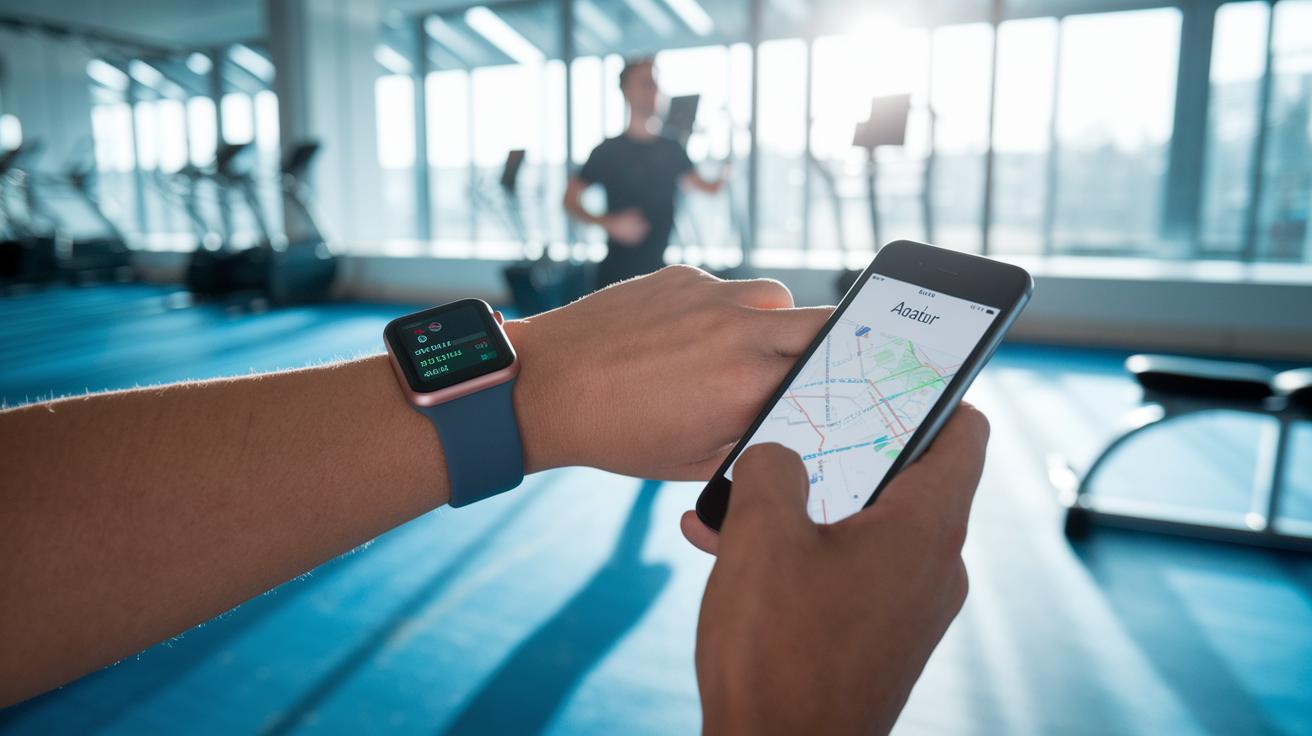
Health tracking apps easily connect with your smartphone and wearable devices. For example, Strava works with GPS watches and phones so you can track your runs with map views and share your progress with friends. Nike Run Club also gives you guided runs and helpful performance tips by using your phone’s own sensors.
Many of these apps pair up with systems like Apple Health, Google Fit, and Fitbit to keep all your health data in one simple spot. This means your activity, nutrition, and other details are always up to date and ready to use.
Some apps even offer extra features. You might export your data to tools like Google Sheets, Google Calendar, or Notion to build a personal dashboard that shows a full picture of your fitness journey. With all your information syncing across different platforms, keeping track of your progress is easier than ever.
Privacy and Security in Health Tracking Apps
Health tracking apps use encryption and safe storage, much like the simple tools you trust for automating tasks. They ensure your data moves securely between your devices and cloud storage with strict controls over who can access it. Many even let you log your mood or stress anonymously, so your personal details stay private.
Some apps, like those used in teletherapy or medical monitoring, meet special rules such as HIPAA. This means they use end-to-end encryption and limit access, so sensitive health information remains secure. With FDA-certified devices, you get an extra layer of protection, giving you peace of mind that your records are handled carefully.
Before choosing an app, take a quick look at its privacy policy. Check for details about encryption, cloud storage, and role-based permissions. Doing this helps ensure your personal health data stays safe and private.
How to Choose the Right Health Tracking App
When you pick a health tracking app, start by thinking about what matters most to you. Do you want help with building strength, losing weight, boosting mental wellness, improving sleep, or tracking hydration? Answering that can guide your choice.
- Decide on your main goal.
- See which key stats the app tracks, like steps, calories burned, heart rate, sleep stages, water intake, or even mood.
- Use free trials to get a feel for the app’s design and support.
- Read trusted reviews that cover pricing, features, and the quality of health coaching available.
- Make sure the app works with your wearable devices and your smartphone.
Choose an app that fits your lifestyle and offers the support you need.
Expert Picks: Specialized Health Tracking Apps for Every Goal
We combined all the details about Caliber, WeightWatchers, Talkspace, Headspace, Sleep Cycle, Water Reminder, and Strava into one clear comparison table above. This simple layout gives you a quick look at each app so you can easily find the right one for your goal.
Final Words
in the action, you’ve seen how these tools simplify workout logs, diet tracking, sleep analysis, and more. We highlighted details like pricing, feature variety, and data safety to help you make informed decisions.
Pick one that fits your daily routine and watch as clear insights boost your health. With reliable advice and honest reviews, health tracking apps make daily wins within reach.
FAQ
What free health tracking apps are available?
Free health tracking apps include options like Water Reminder and Sleep Cycle, which track hydration and sleep. They offer essential features at no cost, making them a great start to monitoring wellness.
Which health tracking apps work well on iPhone and Android?
Both iPhone and Android systems support apps such as Strava and Sleep Cycle that sync with your device and provide reliable tracking of your fitness and sleep patterns.
What is the best overall health tracking app?
The best overall health tracker depends on your goals. Top contenders like Caliber for fitness and Headspace for mental wellness stand out for their comprehensive features and high user ratings.
Do doctors recommend using health tracker apps?
Doctors often recommend health tracker apps to help monitor key metrics like heart rate and sleep, emphasizing their role as a support tool alongside professional medical advice.
Which apps are featured among the top 10 health apps?
The top 10 health apps typically include Strava, Headspace, Sleep Cycle, and WeightWatchers, known for their user-friendly design and robust functionality for tracking various health aspects.