
Ever notice how some health tips feel fun and relaxed while others seem strict and regimented? Health promotion is all about the small, everyday choices, like taking a quick 10-minute walk or choosing a crisp apple over a sugary snack. In contrast, disease prevention means following clear steps, like getting your vaccinations and making regular doctor visits, to keep risks at bay. Together, these two ways of thinking give you both immediate benefits and a strong foundation for long-term health. This article shows you how mixing these strategies can help you build a more balanced and healthier life.
disease prevention vs health promotion: Boost Your Wellbeing
Health promotion is all about the everyday choices you make that add up to better health. It means moving more, eating balanced meals, and managing stress. For instance, try swapping a sugary snack for a fruit, it’s a small move that can make a big difference.
In contrast, disease prevention focuses on clear, planned steps to keep illnesses from getting worse. This includes getting vaccinations (shots that help protect you), regular health screenings, and rehabilitation if needed to aid your recovery.
These two ideas often work together. When health officials advise you to wash your hands and keep a safe distance during an outbreak, they’re helping slow disease spread and encouraging healthy habits at the same time. It’s like assembling a balanced meal where each part helps the whole work better. With rising healthcare challenges, both approaches play a vital role in keeping our communities strong.
• Build long-lasting strength with everyday healthy habits.
• Use proactive care like vaccines and routine check-ups.
• Combine your personal health choices with expert-backed prevention steps.
Simply put, disease prevention helps shield you from immediate risks while health promotion sets the stage for a healthier life overall.
Disease Prevention Strategies and Levels

Disease prevention happens in four simple stages that help us manage our health. Each stage focuses on a different part of the process.
First, primordial prevention builds a healthy environment. This means working to keep our air clean and our neighborhoods safe so that diseases don’t have a chance to start. Think of it like setting up your home for a great day, whole communities benefit when conditions are better.
Next, primary prevention stops diseases before they even begin. This stage involves steps like getting vaccinations, eating balanced meals, and staying active. Imagine a busy parent choosing a fresh fruit cup over a processed snack, small choices like this help lower the risk of chronic conditions.
Then, secondary prevention catches problems early. Once there is a risk or an early sign of something wrong, screenings (like lung tests or regular health exams) help spot issues before they get worse. For example, workplace health checks can reveal early issues, making it easier to treat them before they develop into serious problems.
Finally, tertiary prevention helps people manage and recover after a disease has set in. This stage offers support through rehabilitation and ongoing care so that individuals can regain function and improve their quality of life. Think of it as a guided program that helps someone bounce back after an injury.
• Primordial prevention builds a healthy environment
• Primary prevention stops diseases before they begin
• Secondary prevention spots problems early
• Tertiary prevention supports recovery and healing
Health Promotion Initiatives and Approaches
Health promotion is all about making it easier for everyone to choose a healthier way of living. The World Health Organization explains that it means creating conditions that support better lifestyles. For example, imagine a community event that offers a free fitness class and a talk on nutrition. Even a 10-minute brisk walk can lift your mood instantly, showing how small steps can make a big difference.
Many programs support this idea. Think about local fitness classes, anti-smoking efforts, and simple nutrition workshops. Concentra even brings vaccine services and wellness tips directly to workplaces, turning healthy habits into a part of daily life.
Community projects like neighborhood health fairs and school workshops spread awareness and bring people together. Picture a town where everyone has quick, useful health tips that lead to real improvements.
| Initiative | What It Does |
|---|---|
| Local Fitness Challenges | Encourage daily movement |
| Anti-Smoking Campaigns | Help reduce harmful habits |
| Nutrition Education Sessions | Simplify healthy eating choices |
| Stress Management Workshops | Teach quick mindfulness practices |
Today, you can even find health promotion trends online. Visit https://bezenn.com?p=107 to see real-life campaigns that empower communities. Simple actions and a caring environment can truly help boost overall health and wellbeing.
Comparative Intervention Frameworks in Prevention vs Promotion

We can boost your health by taking action at many levels, from your own habits to government policies. Prevention fights disease by lowering risks with tools like vaccines, check-ups, and early care. Health promotion builds a supportive setting and shares simple advice on making healthy choices. Though they work a bit differently, they often join forces for better results.
On a personal level, getting vaccinated and having regular check-ups can catch issues early. Health promotion adds daily tips on balanced eating and easy exercises to keep you feeling your best. In communities, prevention might show up as health screenings at work or public checks to spot problems early. At the same time, local centers can offer group exercise sessions or stress-relief classes. Together, these steps help protect you today and support long-term wellness.
At the policy level, prevention uses clear rules like vaccine requirements and health screening guidelines to cut risks. Health promotion pushes for policies that bring healthier food choices to schools, fund local wellness projects, and ensure everyone has access to simple health information. These actions create a healthier environment and empower you to make informed decisions.
In clinics, prevention means spotting problems early with tests and quick treatments. On the other hand, health promotion in a clinical setting offers personal advice and wellness programs to help adjust your lifestyle alongside regular care.
Some care plans blend these ideas to achieve the best results. This mix can lower health costs, catch issues before they worsen, and help build a stronger, healthier community.
| Approach Level | Disease Prevention Focus | Health Promotion Focus |
|---|---|---|
| Individual | Vaccinations and regular check-ups | Everyday health tips and guidance |
| Community | Workplace screenings and early detection | Group exercise sessions and stress management classes |
| Policy | Clear health rules and screening guidelines | Policies for healthier school meals and community wellness projects |
| Clinical | Early tests and timely treatments | Personalized wellness programs and preventive counseling |
Stakeholder Roles in Disease Prevention vs Health Promotion
Governments create safety rules to protect everyone. They work with federal agencies like the Food and Drug Administration, Environmental Protection Agency, and Health and Human Services to enforce safe practices. They also fund programs for immunizations, health screenings, and community outreach. For example, government programs during flu season offer safety tips along with advice for everyday healthy habits.
Health insurers help by covering the cost of vaccines, regular check-ups, and counseling. They set up incentive plans that encourage you to stick with preventive care, like scheduled screenings or tests. Some even offer digital reminders so you don’t forget your appointments. By supporting these measures, insurers help lower the need for expensive treatments later on and boost overall community wellness.
Employers also play a big part in keeping us healthy. Many workplaces now include wellness programs in their daily routines. They design offices to reduce strain and offer stress management programs to support mental health. Regular health assessments and onsite fitness sessions help catch issues early. Activities like group exercises and health workshops make sure that preventing illness and promoting good health go hand in hand.
Evidence-Based Case Studies and Outcomes in Prevention and Promotion
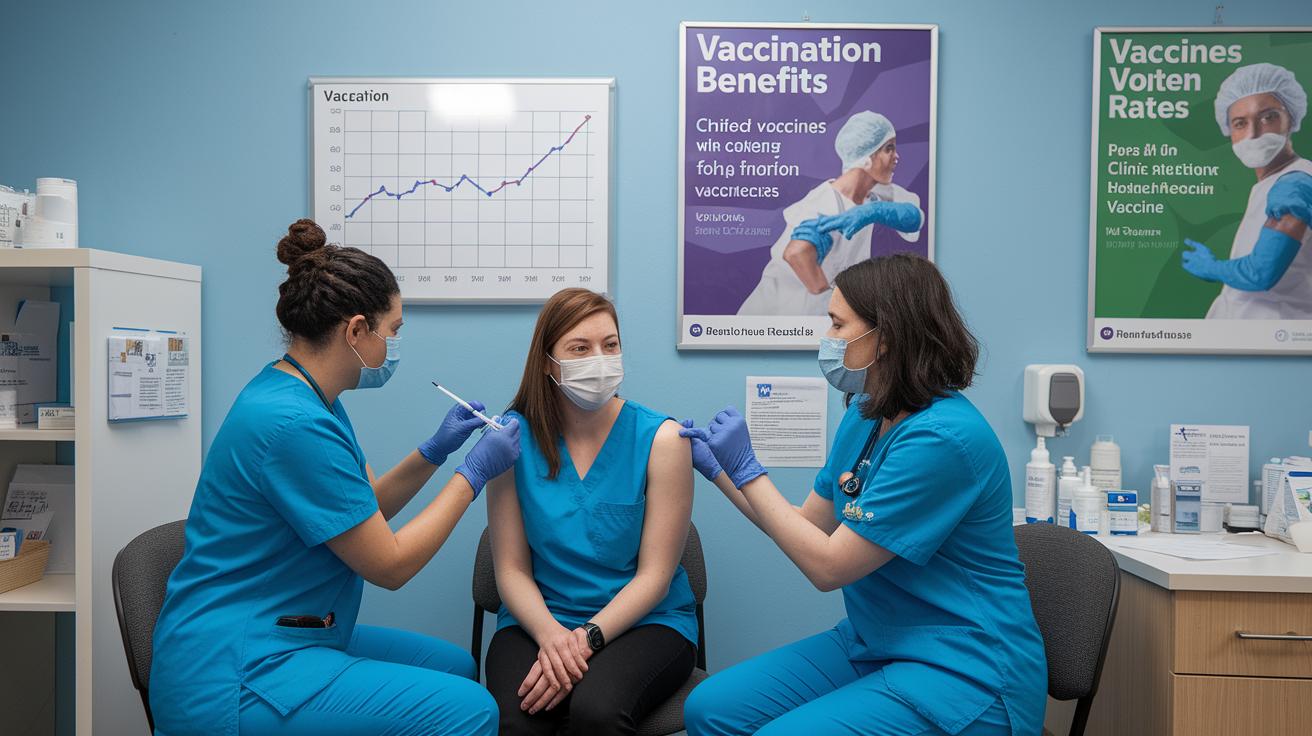
Vaccines for Tick-borne Encephalitis are more than just shots, they help keep you safe and lower long-term healthcare bills. One review found that communities with high vaccination rates saw fewer hospital visits and spent less on treatment. In one study, a strong vaccine program saved thousands of dollars while protecting people from serious complications.
Early detection is key too. In one workplace, regular health screenings picked up issues before they turned into long-term problems. Workers who were screened regularly ended up missing fewer days at work and performing better. This shows that catching issues early benefits both personal health and overall productivity.
Investing in healthy habits and community outreach can also make a big difference. Programs that promote lifestyle changes have led to fewer cases of chronic diseases. This proactive approach not only boosts quality of life but also helps save healthcare resources by stopping diseases from getting worse.
These examples show that simple prevention and health promotion steps can keep our workforce healthier while cutting long-term costs.
Future Directions and Innovations in Integrated Care Models
New digital care tools are changing the way we look after our health. Telehealth now lets you have check-ups and counseling online. It’s like getting a quick video call from your doctor without having to leave home.
Smart care analytics also has a big part to play. It uses real-time data to spot people who might be at risk. Think of it as your own personal health helper that gives you alerts and advice before problems get serious.
At work, digital tools are making it easier to keep an eye on health. Employees can use simple digital dashboards to get quick screenings and wellness tips that help catch issues early.
Nation-wide wellness programs are growing stronger as well. These programs blend new technology with proven health practices to build safer and healthier communities. Different tech and methods are coming together to offer care that stays personal while reaching more people.
Check out wellness trends 2025 to see fresh ideas that may soon change the way we stay healthy and connected.
Final Words
In the action, this article broke down core strategies in disease prevention and health promotion. We highlighted targeted screenings, immunizations, and community wellness initiatives that shape our approach to better health.
The discussion emphasized practical methods, from vaccinations to behavior change, that work together across individual, corporate, and government levels.
By comparing disease prevention vs health promotion, you get clear, research-backed steps to improve daily wellbeing. Small, simple changes can lead to lasting benefits. Enjoy making these positive shifts in your routine!
FAQ
What is health promotion and disease prevention?
The health promotion and disease prevention approach focuses on improving well-being through lifestyle changes and using screenings and immunizations to lower illness risk.
What are some examples of health promotion and disease prevention?
Health promotion examples include fitness programs, anti-smoking campaigns, and nutrition education, while disease prevention examples involve vaccinations, screenings, and rehabilitation therapy.
What is disease prevention?
Disease prevention uses methods such as vaccinations, early screenings, and rehabilitation to reduce the likelihood and impact of illness.
What is secondary prevention?
Secondary prevention emphasizes early detection through screenings and tests to spot diseases sooner and reduce their severity over time.
What are the key principles of health promotion and disease prevention?
The key principles involve promoting healthy behaviors, establishing supportive environments, early detection, and coordinated care to reduce illness and enhance wellness.
What is the importance of health promotion?
Health promotion lowers disease risk, reduces healthcare costs, and empowers communities to adopt healthier lifestyles, which overall supports better individual and public health.
Where can I find resources like PDFs and PPTs on health promotion and disease prevention?
You can find detailed resources, including PDFs and PPTs, online that offer strategies, case examples, and research insights on both health promotion and disease prevention.