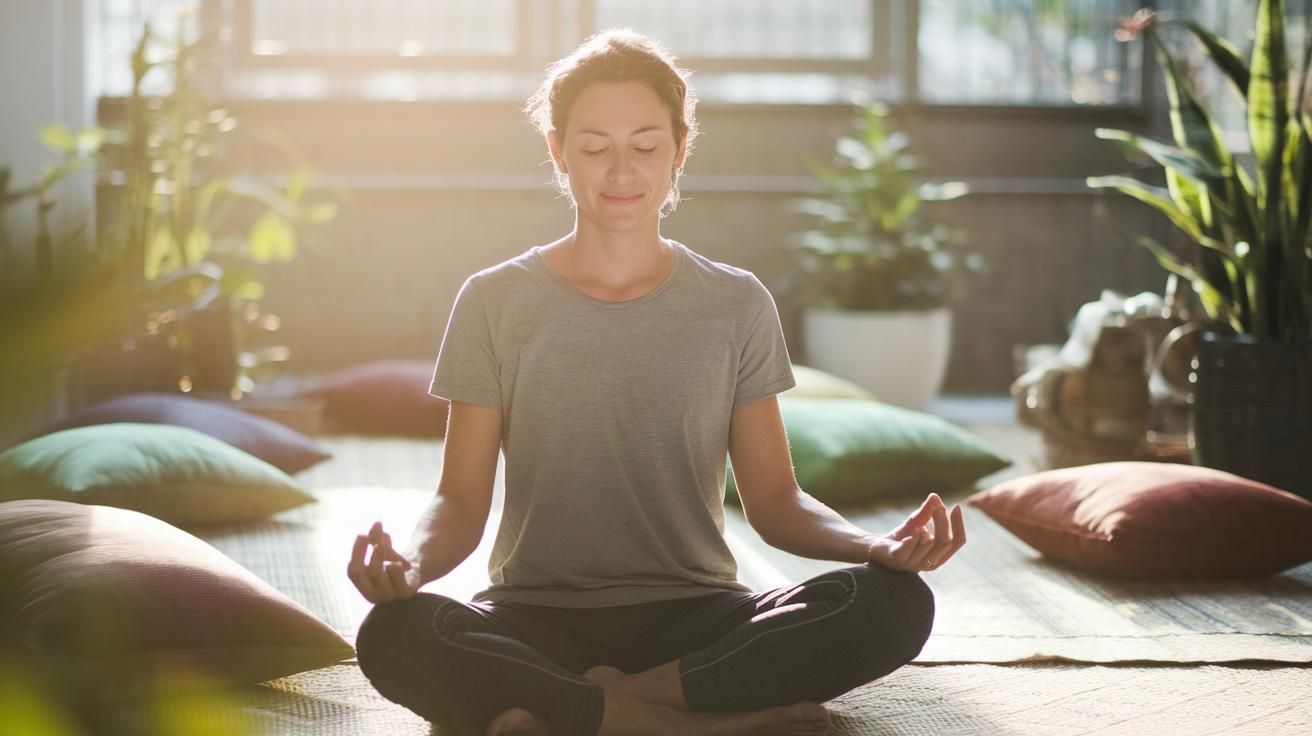
Quick take: A few deep, focused breaths can help you feel calmer and happier in just 5 to 10 minutes.
Ever wondered how a simple pause can make your day better? Try this: take a moment to breathe slowly and let the stress fade away. As you breathe, notice your belly gently rising and falling, like a soft wave. This little practice can lower your heart rate and lift your mood. Give it a try next time you feel overwhelmed, you might be surprised at how much easier the day feels.
Mindful Breathing Exercise: Embrace Calm and Joy
This exercise invites you to pause and focus on your breath, helping you shift from stress to a calm, joyful state. Spending just 5 to 10 minutes focusing on deep breathing can calm your heart rate and ease your body’s stress response.
Follow these simple steps:
- Choose a quiet spot where you feel safe, either sit comfortably or lie down. A peaceful space helps you concentrate.
- Place one hand on your belly. This lets you feel the natural rise and fall as you breathe.
- Breathe in slowly through your nose. Notice your belly rising as fresh air fills your lungs.
- Exhale gently through your mouth. Watch your belly fall, releasing tension with every breath.
- If your mind starts to wander, kindly guide your focus back to your breath. This gentle refocusing builds your sense of calm over time.
Try this 5-minute breathing routine daily. With regular practice, you may notice clearer thoughts and a lighter mood as stress lets go and joy takes its place.
Benefits of Mindful Breathing Exercises for Stress Relief
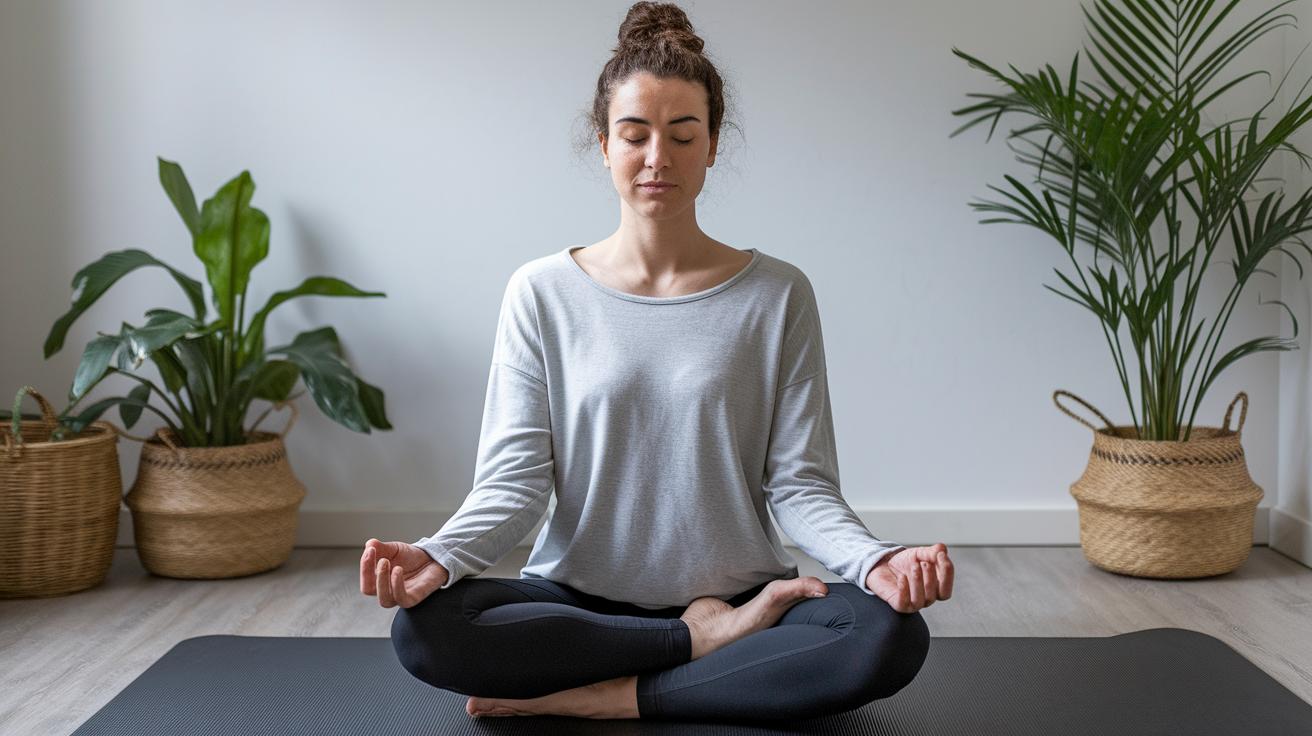
When you take a few slow, deep breaths, you help switch your body from feeling stressed to feeling calm. This simple practice tells your body to relax, lowering your heart rate and blood pressure. Even a few minutes of mindful breathing each day can do more than just help you relax, it can genuinely boost your well-being.
Here's how mindful breathing can help:
| Benefit | What It Does |
|---|---|
| Stress Relief | Eases your overall stress by activating your body’s calm response. |
| Heart & Blood Pressure Control | Helps lower your heart rate and blood pressure naturally. |
| Anxiety Reduction | Lessens anxious feelings by calming overactive nerves. |
| Mood Boost | Fewer negative thoughts can make you feel happier. |
| Pain Management | May ease discomfort in chronic conditions like migraines or back pain. |
| Clearer Thinking | Helps improve focus and mental clarity. |
| Better Emotional Balance | Makes it easier to manage your feelings during challenging times. |
Mindful breathing does more than relax your body, it also clears your mind, making daily stresses easier to handle. Research shows that adding this simple tool to your routine can offer a natural, non-medical way to ease discomfort and support your emotional health. Try it on a short break or when you feel overwhelmed, and notice how each calm, deep breath helps you find balance.
Breath Mindfulness Techniques: Variations of Mindful Breathing
There are many simple ways to calm your mind and bring your focus back. One easy method is triangle breathing. Breathe in for 4 seconds, hold for 4 seconds, and then breathe out slowly for 4 seconds. This even pattern can help steady your mind when stress hits.
Another method is anchor breathing. Pick something simple to focus on, like the feeling at your fingertip or a gentle word you repeat in your head. This tip is great for quickly grounding yourself when things feel overwhelming.
Box breathing is a similar idea where you split your breath into four equal parts. For this, you might count 3 to 5 seconds for each step: breathing in, holding, breathing out, and holding again. Imagine drawing a box with your breath, this helps quiet an overactive mind.
If you like a more hands-on approach, try hand tracing mindful breathing. Place your left hand where you can see it and slowly run your finger over each part as you breathe. A similar method is five-finger breathing, which works well if you need a quick mental break at work or school.
Lastly, you can try a traditional breath meditation. Spend 5 to 10 minutes a day following a simple routine inspired by classic mindfulness techniques. This steady practice can help you ease into a calmer state over time.
Experiment with these techniques to find the one that fits you best, whether you need stress relief, a boost in focus, or just a peaceful pause.
Daily Mindful Breathing Exercise: Integrating into Your Routine
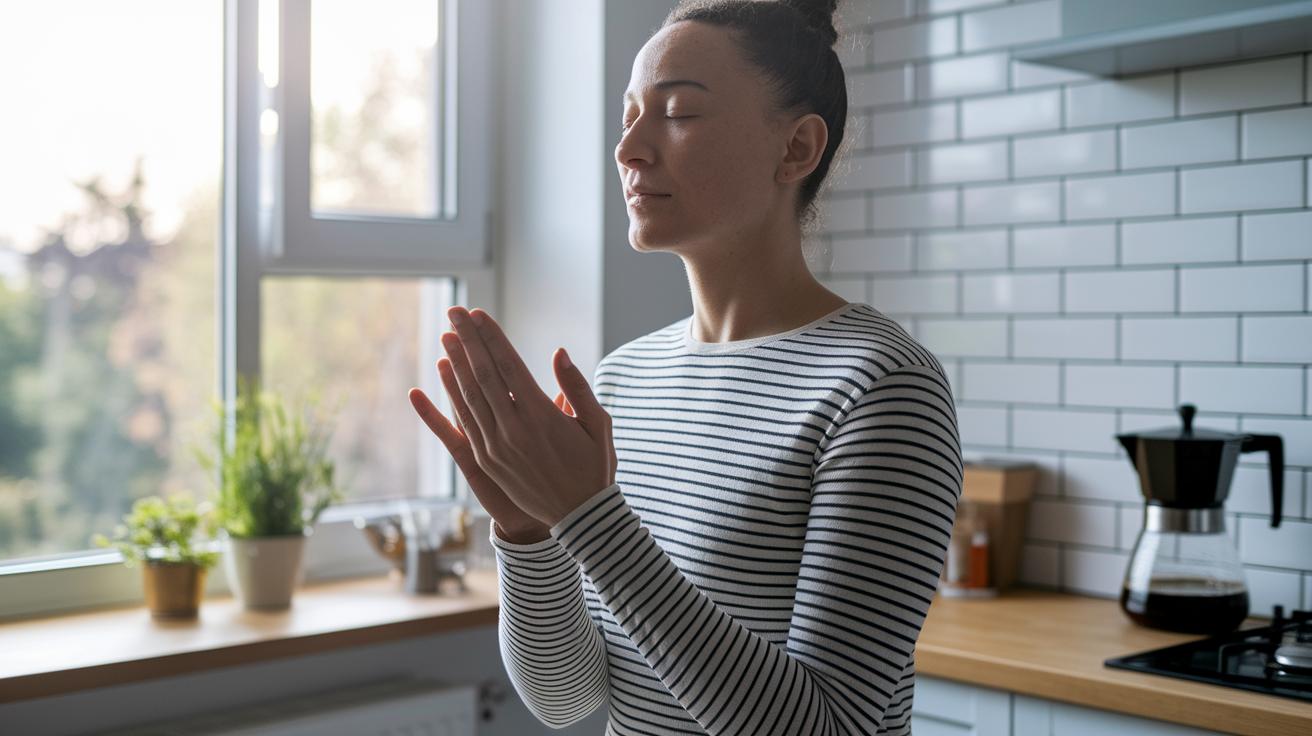
Start by setting aside 5–10 minutes each day for mindful breathing. Try fitting it into your routine, whether in the morning, during a break at work, or before a meal, to help calm your mind.
One idea is to tie your breathing practice to everyday tasks. You might notice your breath while brushing your teeth, waiting for your coffee maker, or even during a safe, seated moment on your commute.
Set a reminder on your phone or add time to your calendar to help you remember. These little nudges can make it easier to turn mindful breathing into a regular habit.
Here are some simple steps to get started:
- Pick a regular time that fits naturally into your day.
- Find a quiet spot where you feel relaxed and can sit safely.
- Use a timer so your session lasts long enough to enjoy the calm.
With steady practice, each deep breath will help reduce stress and sharpen your focus, leaving you feeling refreshed and more at peace.
Proper Form and Common Mistakes in Mindful Breathing Exercises
Find a comfortable spot where you can sit with your back straight or lie down on a flat surface. Focus on taking deep breaths from your belly (the center of your diaphragm) rather than quick, shallow breaths from your chest. Keep your shoulders loose and your jaw relaxed. Picture your breath like gentle waves on a calm shore, steady and easy.
Focus on each inhale and exhale without overthinking or judging yourself. The aim is to let your natural rhythm flow. It’s completely normal if your mind wanders; simply guide your attention back to your breathing without getting frustrated.
Common mistakes to avoid include:
- Forcing your breath or trying to control every inhale and exhale.
- Tensing your shoulders or clenching your jaw.
- Expecting immediate calm or a dramatic mood shift, it takes time.
- Multitasking during your exercise; let your full attention rest on your breath.
By sticking to these simple tips, you help your body and mind settle into a relaxed and balanced state.
Guided Mindful Breathing Exercise: Resources and Multimedia Tools

Give mindful breathing a try with different tools until you find one that fits your style. Video tutorials can be a great starting point. One person shared, "A short 5-minute guided video made my practice feel more accessible and calming." These videos deliver simple, clear instructions that help you follow along effortlessly.
If you prefer written guidance, downloadable PDF booklets might be just what you need. They lay out 17 breathing exercises with step-by-step instructions and helpful visuals. Breaking each breath cycle into small, manageable parts makes the practice feel less daunting, especially for beginners.
Mobile apps are another handy option. They send timely reminders to help you take a mindful pause during your busy day. Whether you’re working in a quiet office or relaxing at home, a gentle bell or vibration nudges you to focus on your breathing.
For a more immersive experience, try an audio session that lasts about 20 minutes. These recordings guide you through mindfulness techniques, encouraging you to close your eyes, listen carefully, and stay in the present moment.
| Resource Type | Format | Description |
|---|---|---|
| YouTube Guided Video | Video | 5- to 10-minute sessions that offer clear, step-by-step breathing instructions. |
| PDF Exercise Toolkit | Downloadable PDF | A set of 17 simple, science-based breathing exercises for anytime practice. |
| Mobile App | Smartphone App | Features timed reminders and breath-cycle tracking to keep you on track. |
Final Words
In the action from starting a mindful breathing exercise to integrating it into your daily routine, this post offered clear, step-by-step guidance that anyone can use. We explored simple techniques, finding a quiet spot, feeling your abdomen rise, and gently refocusing your thoughts. Benefits like reduced stress and improved clarity made it easy to see how even brief sessions can shift your day. Give these steps a try, and enjoy the calm and focus they can bring to your busy life.
FAQ
Mindful breathing exercise PDF
The mindful breathing exercise PDF refers to a downloadable guide that outlines step-by-step instructions for practice, including technique illustrations and useful tips to support stress relief and daily relaxation.
5-minute breathing exercise script
The 5-minute breathing exercise script provides clear, brief cues for practicing deep, mindful breathing, guiding you through slow inhales and exhales to help calm your mind and reduce anxiety.
Mindful breathing benefits
The mindful breathing benefits include lowered heart rate and blood pressure, reduced stress levels, improved mood, and enhanced focus, all achieved by activating the body’s natural relaxation response.
Mindfulness breathing exercises for adults
The mindfulness breathing exercises for adults focus on slow, deliberate breaths that relieve tension and support mental clarity, making them a practical tool for managing daily stress and busy schedules.
5 minute breathing exercise for anxiety
The 5 minute breathing exercise for anxiety uses measured, slow breathing to ground your thoughts, ease anxiety, and reset your mood, providing a quick way to achieve calm during stressful moments.
Mindfulness breathing exercises for students
The mindfulness breathing exercises for students are simple practices designed to quiet the mind, improve concentration, and reduce exam or study-related tension, offering a quick mental break during busy days.
Breathing meditation techniques for beginners
The breathing meditation techniques for beginners introduce basic steps like slow inhales, gentle pauses, and mindful exhales, making it easy to start a calming practice that improves focus with regular use.
Mindful breathing meditation
The mindful breathing meditation involves concentrating on your natural breath rhythm and gently redirecting your focus when distractions occur, fostering a state of calm and mental clarity throughout your day.
How does the 4-7-8 breathing trick work?
The 4-7-8 breathing trick works by inhaling for 4 seconds, holding the breath for 7 seconds, and exhaling for 8 seconds, which signals your body to relax and helps alleviate stress.
What is the mindful breathing technique?
The mindful breathing technique means focusing completely on your breath—observing its natural flow without trying to change it—thereby calming the mind and reducing stress through simple attention training.
What are the 16 exercises of mindful breathing?
The 16 exercises of mindful breathing refer to a collection of varied techniques, such as triangle, box, and hand tracing breathing, each designed to offer different ways to simplify and deepen relaxation practices.
What is an example of mindful breathing?
An example of mindful breathing is sitting comfortably, placing a hand on your abdomen, and slowly inhaling and exhaling while gently redirecting your focus back to the breath whenever distractions arise.