
Ever wondered if natural herbs could help calm your anxiety? Many folks turn to nature’s remedies for a gentle way to manage their worries. Research hints that herbs like chamomile, ashwagandha (which may help ease stress) and lavender might support a quieter mind.
Today, we explore eight herbal options along with simple tips to prepare them. If you're after a natural, no-fuss method to find balance, you've come to the right place. Let's dive in and discover how these herbs might help bring real ease to your day.
Evidence-Based Herbal Remedies that Reduce Anxiety
Research shows that some herbs may help ease anxiety naturally. Early studies support these plant remedies as a gentle option for those looking to manage anxious feelings. Here are eight herbal solutions, what they do, and how you might use them:
- Chamomile: This herb may help calm anxious thoughts and improve sleep. Try making tea with about 2–3 grams of dried flowers in 250 mL (roughly 1 cup) of hot water for 5–10 minutes.
- Ashwagandha: Known for its calming benefits, ashwagandha can feel similar to a mild dose of medicine. Look for supplements that offer around 300–500 mg taken twice a day.
- Kava: Kava may boost your mood at doses under 400 mg per day. Use it with care because there have been concerns about liver health.
- Valerian Root: This remedy provides a mild sedative effect. A common approach is to take 120–200 mg three times a day, with the last dose before bedtime.
- Passionflower: Passionflower might promote calm by enhancing GABA (a brain chemical that helps you relax). Doses can range from 250 mg to 900 mg.
- Lavender: Often used in aromatherapy, lavender is also available as an oral supplement like Silexan at 80 mg to support ongoing anxiety management.
- Lemon Balm: Lemon balm can help reduce stress hormones like cortisol. It works well as a tea, similar to chamomile.
- Green Tea: Green tea contains L-theanine, an amino acid that may help you relax. Brew about 2–3 grams per cup (250 mL) of water for a soothing drink.
Always prioritize quality and safety. Stick to the dosing guidelines and consider pairing these remedies with proven stress management techniques for anxiety (more details here: https://bezenn.com?p=571).
Dosage and Preparation Methods for Anxiety-Reducing Herbs
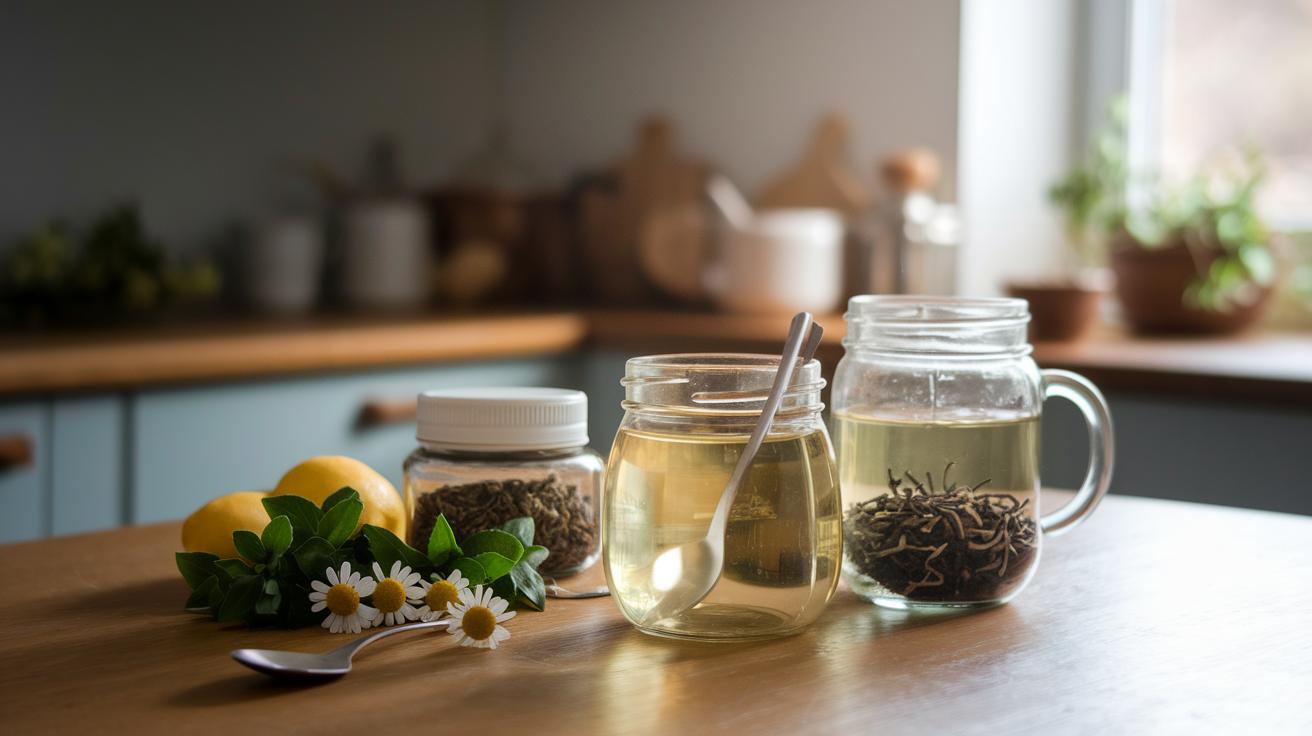
For chamomile, lemon balm, and green tea, use 2–3 g of dried herbs for every 250 mL (8 fl oz) of hot water. Let the herbs steep for 5–10 minutes. For example, try adding 2 g of chamomile to your hot water and letting it sit for about 7 minutes.
For valerian root, take 120–200 mg as a capsule or tincture three times a day, with your last dose before bedtime. For instance, one 150 mg capsule at night might help ease you into sleep.
When it comes to passionflower, use a standardized extract between 250–900 mg per serving. A good start might be mixing 300 mg of passionflower extract into your evening routine to promote calmness.
For lavender (Silexan), take one 80 mg capsule each day.
If you choose ashwagandha, take between 300–500 mg twice a day to help maintain a steady sense of relaxation.
For kava, keep your total intake of kavalactones below 400 mg per day to avoid unwanted effects.
Always begin with a lower dose and slowly adjust based on how you feel.
Safety Considerations and Potential Side Effects of Herbal Anxiety Aids
Before trying herbal remedies for anxiety, it helps to know about the risks and side effects. Natural options can sometimes interact with medications or affect people differently.
Chamomile might boost your chance of bleeding if you're on blood thinners. If you spot unusual bruising or bleeding that lasts longer than normal, note it and talk with your doctor.
Kava has been linked to serious liver issues like hepatitis and cirrhosis. Because of these concerns, if you use kava, monitor your health closely and consult with a healthcare professional regularly.
Valerian root is known to promote relaxation, yet it can sometimes make you drowsy during the day. If you feel excessively sleepy, think about adjusting the dose or when you take it.
Lemon balm might cause nausea or a mild upset stomach in some people. Lowering the amount you use or choosing a different way to prepare it might help lessen these effects.
Oral lavender has been noted to cause headaches or stomach upset in a few cases. If you experience these symptoms, you might prefer using it in aromatherapy sessions instead.
Passionflower can interact with medications that depress the central nervous system (which slow brain activity), potentially leading to more sedation. Keep track of your other medications if you decide to include it in your routine.
St. John’s Wort has been known to interact with numerous drugs and its effects on anxiety can vary. It’s a good idea to approach it with caution and get advice from a healthcare professional.
Always check with your doctor before combining any herbal remedy with other medications to ensure safety and proper use.
Comparing the Efficacy of Top Herbal Anxiety Remedies
When choosing a herbal remedy for anxiety, it helps to match each herb’s timing and duration with your needs. Think about how fast relief starts, how long it keeps working, and whether it suits mild or moderate anxiety.
Chamomile
Chamomile works fast to create a calm feeling that typically fades after a few hours. For example, if you need a quick break after a busy call, a cup of chamomile tea can help you relax right away.
Passionflower
Passionflower takes a gentle, steady approach. It helps balance your brain signals and is best if you face moderate anxiety and want a gradual, consistent calm. Imagine turning down the noise in your head until you feel centered.
Kava
Kava offers immediate relief when stress feels overwhelming. It acts quickly and powerfully, though how long it lasts can vary. It’s a good choice for more intense anxiety moments, like a sudden stress spike during a tough day.
Valerian
Valerian eases anxiety slowly with mild, sedative effects. It’s ideal for winding down in the evening, with its calming influence sometimes carrying over into the early morning. Think of it as a gentle, gradual slide into relaxation.
Lavender
Lavender stands out by working in two ways. When you use it as aromatherapy, you get a quick burst of relief. Taken by mouth, it can sustain that calming feeling for a longer time. It’s like first taking a refreshing breath and then enjoying a lasting sense of ease.
Lemon Balm
Lemon balm works quietly to lower stress hormones over time. It’s best suited for mild anxiety and can be a soothing part of your daily routine. Imagine a soft tide slowly washing away your stress throughout the day.
For milder anxiety, herbs like chamomile and lemon balm might do the trick. If your symptoms are more pronounced, passionflower, kava, or lavender can offer options that suit your needs alone or even together.
Herbal remedies for anxiety reduction bring natural ease
Start your day by setting a calming routine. Begin with a warm cup of chamomile or lemon balm tea and spend a few minutes journaling or taking deep breaths. This simple morning ritual helps steady your mood and keeps your brain signals balanced.
Later in the day, take a quick herbal break. If you prefer a tincture or a standard extract like passionflower, add it to your mid-day routine. A short walk or a few stretches can boost its calming effects. Drinking water and having a light, nutritious snack can also lift your mood.
In the evening, wind down with another cup of tea or a few drops of your favorite herbal tincture. Follow this with a relaxing activity, such as meditation or guided breathing. Lower the lights and stay off screens to help your body prepare for sleep. Keeping these habits regular can support your overall well-being.
Remember to check in with yourself and adjust the type of herb or timing as needed to best suit your daily rhythm.
Research Insights on Adaptogens and Botanical Anxiety Treatments
Researchers are taking a closer look at herbal remedies for anxiety by using careful study designs. They now use clear steps like blinded reviews and measurable outcomes to learn how these plants work.
Studies on ashwagandha now go beyond just comparing doses. One recent research used trusted anxiety scales and follow-ups to track long-term effects. It found that ashwagandha worked much like a low-dose anti-anxiety drug and also helped keep mood steady over time.
New research on kava is making safety a top priority. Scientists are checking liver function with advanced tests while studying its mood benefits. This stricter safety approach helps confirm that kava can boost mood without harming liver health.
Investigations into passionflower now use longer study periods and include a placebo phase. This method makes it easier to see how passionflower gradually influences brain chemicals like GABA, which play a role in easing anxiety.
Studies of lemon balm now compare changes in stress hormones, like cortisol, and variations in heart rate along with personal stress reports. One study noted that lemon balm lowered cortisol levels and steadied heart rhythms, suggesting it has a calming effect.
Research on valerian root now combines recorded sleep data with personal sleep feedback. This double-check approach shows more clearly how valerian helps people fall asleep faster and enjoy better sleep overall.
On the other hand, findings on St. John’s Wort have been mixed. Experts agree that larger, carefully controlled studies are needed to understand its effects, especially since extract quality and dose can vary so much.
Final Words
In the action, this post broke down research-backed herbal remedies for anxiety reduction. We covered everything from how to prepare teas and tinctures to key dosage tips and safety notes for each herb. These evidence-based botanicals, like chamomile and ashwagandha, offer natural ways to support calm and balance. Pair these tips with broader stress management techniques for anxiety (https://bezenn.com?p=571) to build a daily routine that works. Small, informed steps can lead you to a more relaxed, positive day.
FAQ
What is the strongest natural anti-anxiety herb?
The strongest natural anti-anxiety herb is often seen as kava, which offers mood benefits but requires caution due to liver safety concerns. It works best under professional guidance.
What are the best herbal remedies for anxiety, depression, and panic attacks?
The best herbal remedies combine botanicals like ashwagandha, chamomile, lavender, and passionflower to support mood balance, stress relief, and sleep quality. They are available in teas, tinctures, and capsules.
Are vitamins effective for easing anxiety and panic attacks?
Vitamins such as B-complex and magnesium may ease anxiety by supporting nervous system health. They complement a balanced diet and overall wellness plan for managing stress.
How can I relieve anxiety naturally?
Relieving anxiety naturally includes incorporating herbal teas, essential oil aromatherapy, meditation, and regular exercise. Combining these methods creates a simple, effective self-care routine.
Can I cure anxiety without medication?
Curing anxiety without medication is possible for mild cases by using herbal remedies, self-care, and lifestyle changes. However, severe anxiety often benefits from professional support alongside natural methods.
What is a holistic approach to managing anxiety and panic attacks?
A holistic approach blends herbal remedies, mindfulness practices, proper sleep, balanced nutrition, and stress management techniques. This balanced routine supports mental health and complements overall treatment.

hello world
hello world
toradol migraine overview
toradol migraine overview
ivermectin scabies clinical background
ivermectin scabies clinical background
ivermectin mechanism pharmacological pathway
ivermectin mechanism pharmacological pathway
minoxidil key questions
minoxidil key questions
minoxidil foam vs liquid evidence
minoxidil foam vs liquid evidence
sildenafil molecular mechanism
sildenafil molecular mechanism
avanafil safe online framework
avanafil safe online framework
insurance requirements
insurance requirements
bronchitis educational overview
bronchitis educational overview
Duration Variability Review
Duration Variability Review
Timing Relationships in Pharmacology
Timing Relationships in Pharmacology
Viagra vs sildenafil PK/PD
Viagra vs sildenafil PK/PD
Brand vs Generic PK Variability
Brand vs Generic PK Variability
tadalafil vs sildenafil differences
tadalafil vs sildenafil differences