
Quick take: A simple dental exam can make a big difference.
Have you ever realized that a quick visit to your dentist might actually save your life? In the U.S., oral cancer takes a life about every hour, with almost 54,000 new cases each year. When caught early, treatment is easier and outcomes improve.
A routine dental check-up is more than just a clean-up. It lets your dentist spot small changes in your mouth, like unusual patches or lumps, that could signal trouble. Spending just a few minutes for an exam might be the step that gives you more time, better health, and peace of mind.
So, make your dental visit a priority. Small efforts each day can really pay off.
Oral Cancer Early Detection: Sparking Hope and Action
Oral cancer takes a life every hour, so catching it early can truly make a difference. In the U.S., about 54,000 new cases appear each year, and only about half of those diagnosed are likely to live for five years or more. Spotting early signs can open the door to simpler, more effective treatments.
Your dentist can help by doing a quick look in your mouth during routine checkups. This simple visual exam might reveal small changes like unusual color patches or lumps. Sometimes they might also use special tools like fluorescence lighting or dye-based tools to see details that aren’t obvious to the naked eye. Even a brief brush test can check for abnormal cells.
Watch out for these signs:
- Lumps that persist in your mouth
- Changes in color or unusual patches on your tissues
- Sores that don’t heal within two weeks
- Rough or abnormal textures on your lips or gums
- Changes spotted using special lighting
- Abnormal cells found during a brush test
Finding problems early means doctors can often treat them with minor surgery or other less invasive options, instead of needing heavy treatments like radiation or chemotherapy. Regular dental checkups and self-exams can be small steps that lead to big improvements in your health.
At-Home Self-Check for Early Oral Cancer Signs

Doing a regular self-check of your mouth can help you spot early signs of trouble before they get worse. Each month, take a few minutes to examine your mouth using a mirror and a small flashlight. Look for any unusual changes like red or white patches, persistent sores, bumps, or changes in texture.
- Find a bright spot in your home. Grab a mirror and a flashlight.
- Check your lips carefully. Notice if there are any bumps, sores, or color changes, especially along the lower lip.
- Open your mouth wide and look at your tongue. Watch out for any odd patches or discoloration.
- Inspect the inside of your cheeks. Keep an eye out for any spots or growths that do not go away.
- Use the mirror and your tongue to see the roof and floor of your mouth, reaching the areas that are usually hidden.
- Write down or take a quick photo of anything that doesn’t look normal.
If you notice any of these signs or if new spots keep appearing, it’s a good idea to visit your dentist for a professional check-up. Taking a few minutes each month can really help in keeping your mouth healthy.
Professional Oral Cancer Screening Techniques
Your dentist will start by asking about your overall health, including details like tobacco and alcohol use. This background information is important because it helps guide the examination, using these clues, your dentist can gauge your risk for oral cancer. Next, during your visit, they carefully check your mouth by both looking and feeling for any changes. They assess the color, texture, and symmetry of your tissue to pinpoint any areas that seem out of the ordinary. This screening takes just a few minutes but is a key step in keeping your mouth healthy.
Here's what you can expect during your screening:
| Step | What Happens |
|---|---|
| 1 | Your medical and lifestyle history is reviewed (especially tobacco and alcohol use) to assess risk. |
| 2 | A visual examination checks for any unusual colors or patterns in your mouth. |
| 3 | A tactile (hand-based) check feels for lumps or changes in texture. |
| 4 | Any unusual findings are documented for future review. |
If you're at average risk, an annual dental screening is usually enough. But if you use tobacco or drink alcohol regularly, having a screening twice a year could be more beneficial. Detecting any issues early means treatments can be less invasive, giving you a better chance to maintain strong, healthy oral tissues.
Imaging Methods for Oral Cancer Early Detection

Clinicians now have a range of practical imaging techniques to help spot early signs of oral cancer. One method is fluorescence-enhanced imaging, where tools like VELscope shine a blue light on your mouth. This light makes abnormal cells glow, helping the dentist see changes more clearly. Another useful technique is low-light screening with LED devices, which highlights subtle changes in color and texture that you might otherwise miss. Sometimes, dentists apply a special dye that stains unusual cells so they stand out during an exam. For instance, a dentist might say, "I saw a patch change color under the blue light, so I looked closer."
High-resolution digital imaging also plays an important role. With clear digital photos, clinicians can track any changes in a lesion from one visit to the next. By comparing images, they can notice even small shifts in size or color and act quickly. Keeping these visual records makes it easier to spot trends and plan early, less invasive treatments.
Biopsy and Tissue Analysis in Oral Cancer Detection
A biopsy is a key step in checking any unusual changes in your mouth. For example, a brush biopsy gently collects surface cells without surgery. This method cuts down on discomfort and lets experts study the cells under a microscope. It helps tell the difference between harmless changes and early signs of cancer. New tests, like salivary marker tests, look for gene and protein changes (the building blocks in your cells) to spot problems early.
| Method | Purpose |
|---|---|
| Brush biopsy | Gathers cells from the surface for examination |
| Punch biopsy | Collects a small piece of deeper tissue |
| Salivary marker test | Detects gene or protein changes that may signal early cancer |
These tests help doctors get a clear picture of your tissue health and choose the best treatment. Examining the cells closely is still the most reliable way to confirm any changes. Follow-up tests and regular checks keep an eye on suspicious areas so that if treatment is needed, it can be done early. This approach often means treatments can be less invasive, leading to better outcomes for you.
Risk Factors and Prevention Strategies for Oral Cancer

Oral cancer risk can go up if you smoke, use tobacco in any form, drink a lot of alcohol, get too much sun on your lips, or are exposed to certain types of HPV (a virus that can cause cancer). The good news is that these risks aren’t set in stone. Small changes today can help lower your chances of developing oral cancer later on.
Stay safe by taking these simple steps:
- Quit smoking or using tobacco products to slowly reduce your overall risk.
- Cut back on alcohol. Try drinking less over time.
- Use lip balm with sun protection when you’re outside.
- Visit your dentist regularly for check-ups to catch any early changes.
- Eat a balanced diet with plenty of fruits and vegetables to keep your mouth healthy.
These everyday choices can make a big difference in protecting your oral health over the long run.
Survival Rates and Treatment Impact with Early Oral Cancer Detection
At Stage 1, over 80% of patients live at least 5 years after diagnosis. When screening is delayed, survival drops to about 50%. This shows that catching changes early can really shape your treatment and quality of life.
Early detection often allows for a simple, minor surgery with fewer side effects. In contrast, later stages may require invasive treatments like chemotherapy or radiation, which can impact everyday activities and recovery.
Make it a habit to get regular check-ups and watch your mouth for any unusual spots or changes. If you notice anything out of the ordinary, talk with your healthcare provider right away to choose the best next steps.
Emerging Research and Innovations in Early Oral Cancer Detection
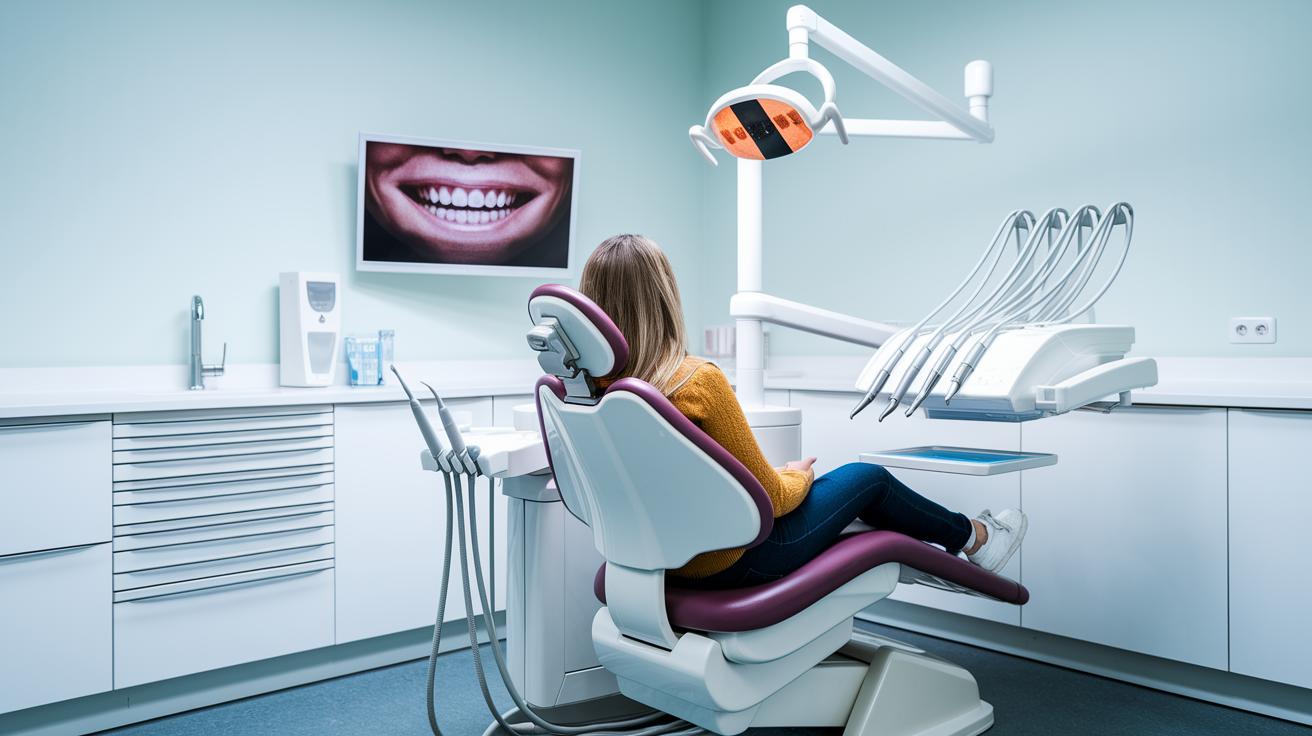
Saliva tests are getting smarter every day. New tests can find tiny tumor markers (early signals of disease) before you even notice symptoms. Researchers are also testing AI tools that look at mouth images to spot small changes in tissues. These advances offer quicker, less invasive ways to catch early signs of cancer, giving hope for better outcomes.
Light-based imaging methods, like optical coherence tomography, are now being tried out during regular dental visits. They can capture real-time images of your mouth, helping professionals see minute changes that might need treatment sooner. Early studies suggest these tools could reduce the need for more invasive tests and boost the accuracy of diagnosis. This exciting progress is paving the way for detecting and treating oral cancer earlier than ever before.
Final Words
In the action of taking charge of your health, we broke down key indicators, at-home checks, professional screenings, imaging techniques, biopsies, and risk factors. We explored practical steps like monitoring changes, using simple tools, and understanding professional exams.
Small daily habits, like keeping up with oral cancer early detection, can truly make a difference. Every step you take builds a healthier future. Keep applying these insights and remember that consistent care might just save a life.
FAQ
What are the first signs of mouth cancer?
The first signs of mouth cancer include abnormal lumps, color changes in the mouth, sores that do not heal, and unusual textures on the tongue or inside the cheeks.
What is the oral cancer survival rate?
Early detection of oral cancer can lead to a five-year survival rate over 80 percent, while overall survival drops to about 50 percent when the cancer is diagnosed at a later stage.
How can I detect oral cancer at home?
Detect oral cancer at home by using a mirror and flashlight to check your lips, tongue, cheeks, and mouth floor for persistent sores, red or white patches, and bumps.
Is oral cancer curable?
Oral cancer can be curable when caught early, enabling less invasive treatments. Later stages may need intensive therapy, which tends to lower the chance for a full cure.
What is the main cause of oral cancer?
The main causes of oral cancer include tobacco use and heavy alcohol consumption, along with risk factors like prolonged sun exposure on the lips and certain human papillomavirus strains.
Can mouth cancer be detected early?
Mouth cancer can be detected early through regular self-exams and routine dental screenings, which help identify unusual sores or lumps before they become advanced.
Can you have mouth cancer for years without knowing?
Some forms of mouth cancer develop slowly with few symptoms, making it possible to have the disease for years undetected, which highlights the need for regular self-checks and screenings.
How long does oral cancer take to develop?
Oral cancer typically develops gradually over several years, so early changes may be subtle, underscoring the importance of consistent monitoring and timely professional evaluations.
What about blood tests for oral cancer?
Although blood tests are not standard for detecting oral cancer, new research is exploring blood-based markers that may help signal early cellular changes in the future.


what is ketoconazole cream
what is ketoconazole cream
ivermectin educational overview
ivermectin educational overview
minoxidil pk variability
minoxidil pk variability
sildenafil severe liver disease risk
sildenafil severe liver disease risk
avanafil mechanism analysis
avanafil mechanism analysis