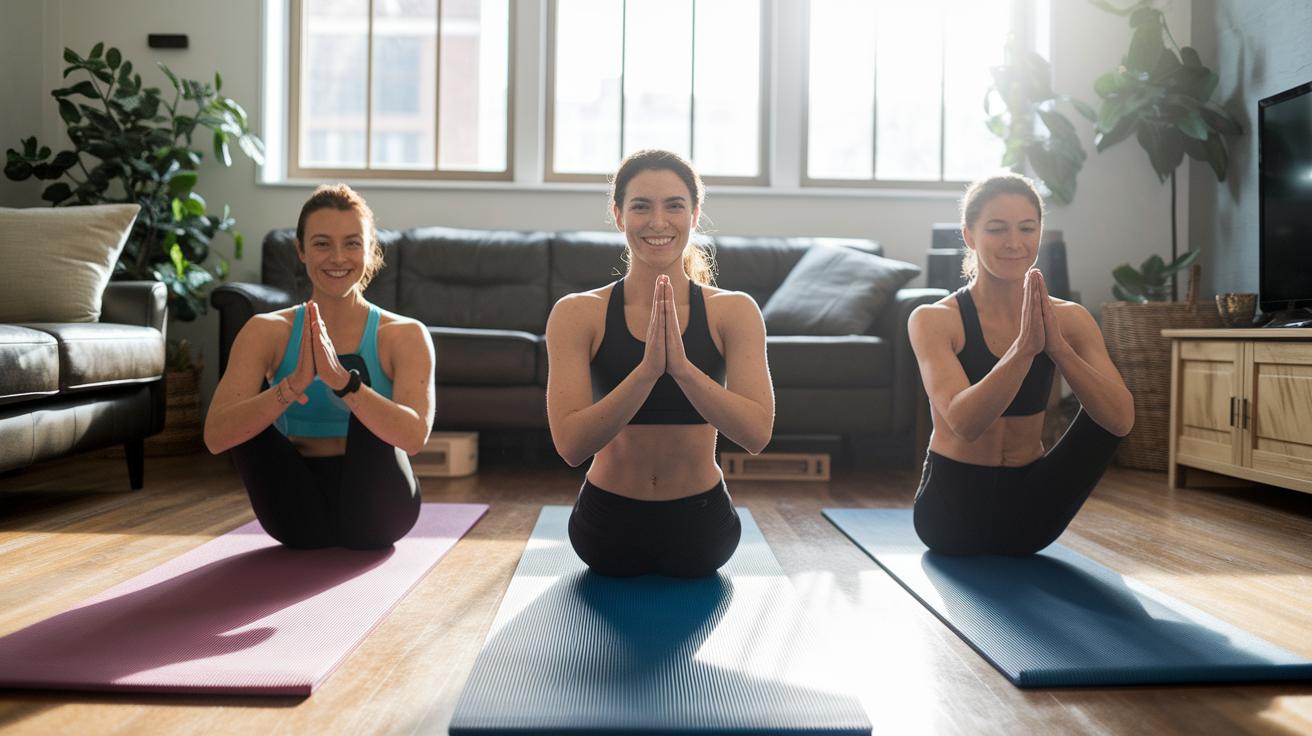
Quick take: If a gym feels like too much hassle, try these eight simple moves at home today.
Many of us feel that gym memberships just aren’t for us. But staying active can be easy , all you need is a chair and a mat. This guide shows you eight straightforward exercises that boost your strength and raise your heart rate.
Each step is designed to be simple and effective, so you can build a routine without the extra stress. Try them out and notice how a few minutes of movement can brighten your day and improve your mood.
Start your home workout and enjoy the benefits of feeling stronger and more energized.
Quick Beginner Home Workout Routine
This workout is a full-body circuit made for beginners. You only need a chair and an optional mat for extra comfort. The routine takes you through eight simple moves that work different muscles while boosting your strength and heart rate. Each move is timed or has a set number of reps, with a short 20-second break between them. If you need more time to rest, simply take a longer pause or switch to an easier version.
- Push-ups: Try them standard or on your knees for a gentler option (aim for 10 reps).
- Bodyweight squats: Do 12 to 15 squats with a slow, smooth descent.
- Doorway rows: Use a sturdy door frame to perform 10 rows on each side.
- Jumping jacks: Keep going for 30 seconds to lift your heart rate.
- Plank: Hold either a high or low plank for 30 seconds, keeping your core tight.
- Jump lunges: Try 10 reps per side with a light jump, or switch to static lunges if you're tired.
- Tricep dips: Use a chair to complete 10 to 12 controlled dips.
- Wall sit: Hold this position for 45 to 60 seconds to build lower body endurance.
Each circuit takes about 20 minutes, including a warm-up to get your blood flowing and a cool-down with gentle stretches. Aim for 2 to 4 sessions per week with at least 48 hours of rest between workouts to let your body recover while you build strength steadily and enjoy the process.
Essential Warm-Up and Cool-Down for Your Home Workout
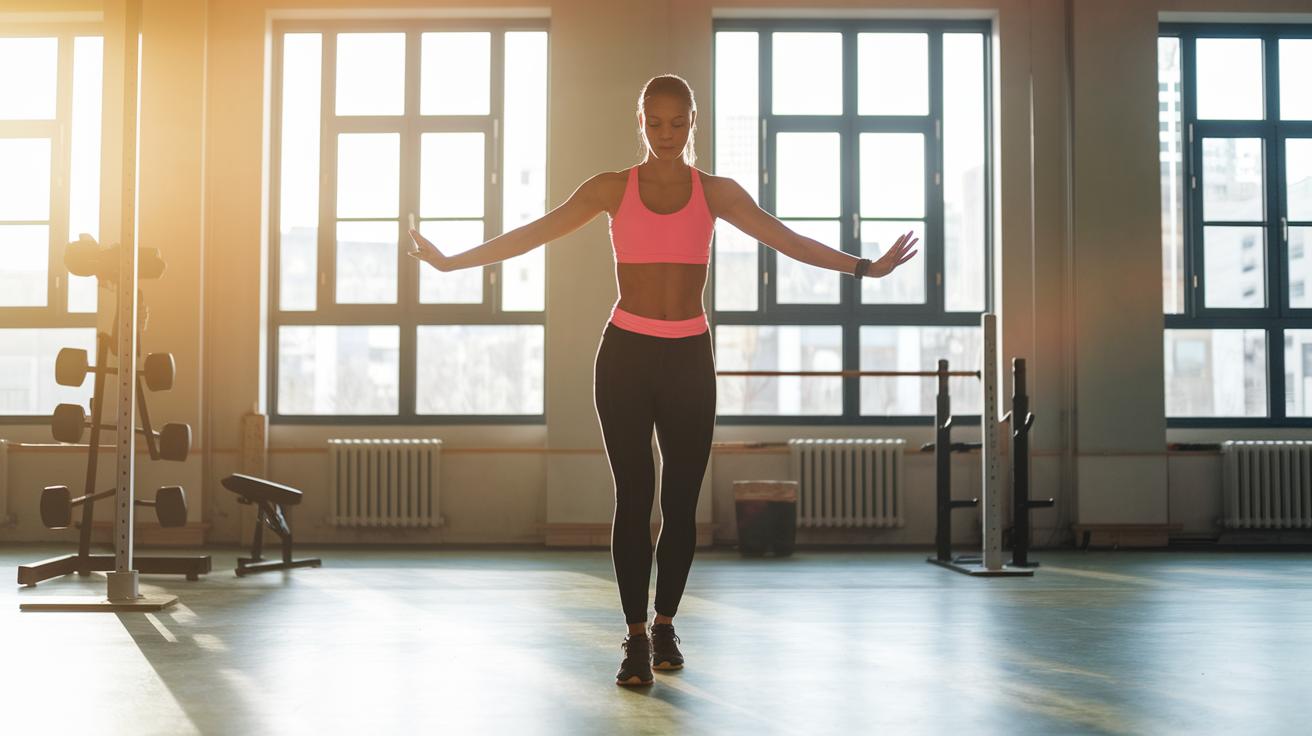
Warming up gets your body ready for exercise by boosting blood flow to your muscles and sparking your nervous system into action. This simple step can make your workout go more smoothly and help lower your chance of injury.
Before you jump into your routine, try these dynamic warm-up moves:
- Arm Circles: Slowly move your arms in circles for about 1 minute to wake up your shoulder muscles.
- Leg Swings: Gently swing each leg forward and backward for 1 minute to loosen your hips and back of your thighs.
- Walking Lunges: Do walking lunges for around 3 minutes to get your leg muscles and blood circulating.
Cooling down is just as important. It helps lower your heart rate and allows your muscles to relax after working hard, reducing soreness and boosting flexibility.
After your workout, spend about 5 minutes on these static stretches:
- Hamstring Stretch: Hold for 30 seconds to stretch the back of your thighs.
- Chest Opener: Hold for 30 seconds to ease tightness in your chest.
- Quad Stretch: Hold for 30 seconds on each leg to ease tension in your thighs.
- Calf Stretch: Hold for 30 seconds on each leg to gently stretch your calves.
Exercise Details and Modifications
Push-Ups
Push-ups work your chest, shoulders, triceps, and core. Start with 10 reps. Keep your body in a straight line from head to feet and lower yourself slowly. If you're new, try doing them on your knees to lessen the weight while you learn the form. Once you're comfortable, raise your feet on a step to work your upper chest and shoulders even more.
Bodyweight Squats
Bodyweight squats build strength in your legs and glutes. Do 12 to 15 squats, lowering slowly and rising quickly. Keep your knees over your toes and your back straight. Beginners can squat less deeply or use a chair for balance. When you're ready for a challenge, hold a light dumbbell (around 8–20 lb or 4–9 kg) to add extra resistance.
Doorway Rows
Doorway rows strengthen your back and help improve your posture. Stand facing a sturdy door frame and complete 10 rows on each side. Pull your chest toward the frame with a gentle squeeze of your shoulder blades, keeping your body straight. Beginners can step farther back to make it easier. For more challenge, lean forward more or add a resistance band for extra pull.
Jumping Jacks
Jumping jacks are a full-body move that boosts your heart rate. Do them for 30 seconds, landing softly to protect your joints. Find a comfortable, steady rhythm that keeps you moving without losing balance. If jumping is too much, step side-to-side instead. When you feel ready, speed up the pace or hold light hand weights to increase the workout.
Plank Holds
Planks build a strong core and improve stability. Hold a high or low plank for 30 seconds while keeping your hips steady and your back straight. Breathe evenly and focus on tightening your abs. Beginners may lower their knees instead of a full plank. Want more intensity? Lift an arm or leg during the hold or switch over to a side plank to work your obliques.
Jump Lunges
Jump lunges boost heart health and strengthen your legs. Do 10 jumps per leg, landing softly and keeping your knee lined up with your foot. They build both power and balance. If you're just starting out, skip the jump and do static lunges to focus on form. When you're ready to push further, add the jump or pause briefly at the bottom of the lunge for extra effort.
Tricep Dips
Tricep dips build upper body strength using a stable chair or coffee table. Do 10 to 12 dips, keeping your shoulders relaxed and your elbows tucked in. Move slowly and focus on using your triceps to lift your body. Beginners can reduce the range of motion for less intensity. To make it tougher, try elevating your feet or dipping a little deeper.
Wall Sit
Wall sits strengthen your thighs and glutes. Hold a wall sit for 45 to 60 seconds with your back pressed against the wall and your knees at a right angle. Focus on keeping your core tight and your posture straight. If holding a wall sit is too hard, try 15 controlled squats instead. For more of a challenge, extend your time or hold small weights to add resistance.
| Exercise | Beginner Modification | Advanced Progression |
|---|---|---|
| Push-Ups | Do them on your knees | Elevate your feet |
| Bodyweight Squats | Squat less deeply or use a chair | Add light dumbbells (8–20 lb) |
| Doorway Rows | Step further back | Lean more horizontal or use a resistance band |
| Plank Holds | Perform a knee plank | Lift an arm/leg or switch to a side plank |
| Jump Lunges | Do static lunges | Add an explosive jump or pause at the lunge |
| Tricep Dips | Reduce the range of motion | Elevate your feet or dip deeper |
Building Your Workout Schedule and Tracking Progress
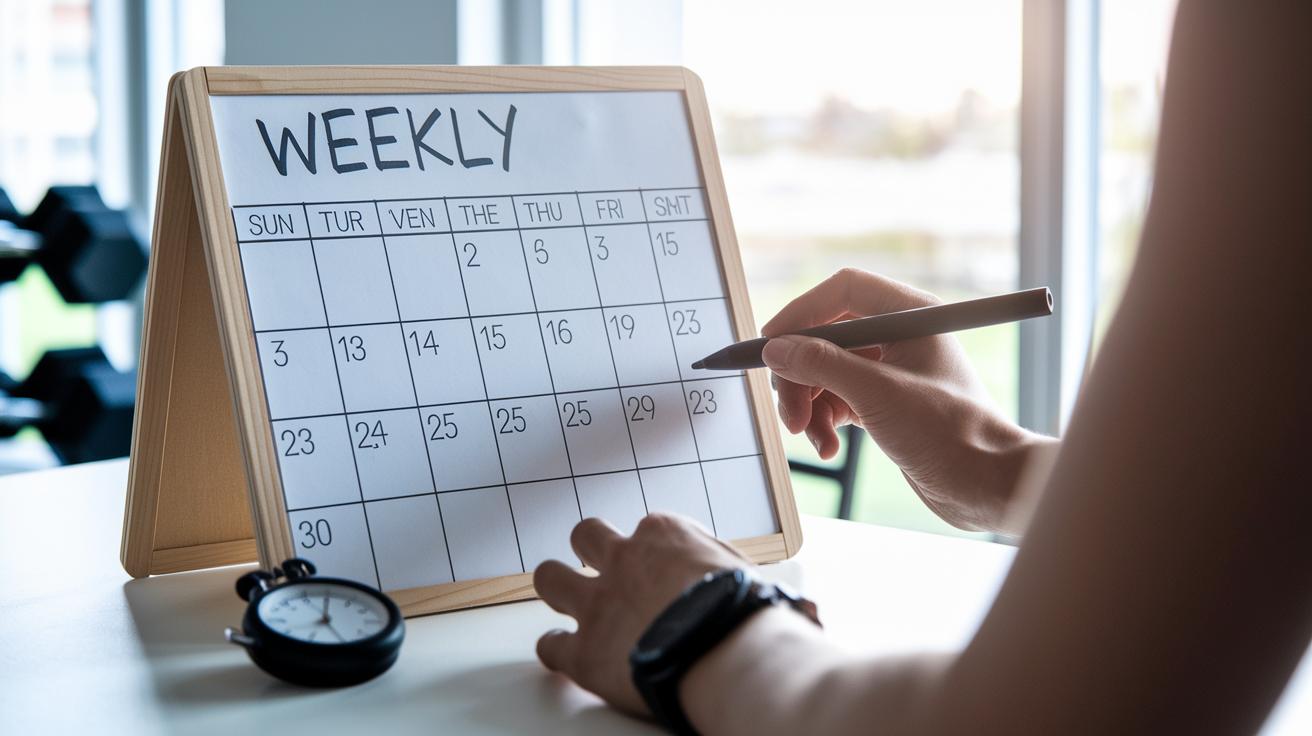
Aim to exercise 3 to 5 days a week. If you’re just starting out, try 20 to 35-minute sessions to build your routine without feeling overwhelmed. Plan specific days for your workouts, this makes it easier to stick with your goal.
For example, you could follow this plan:
Keep a simple log with details like sets, reps, and rest times to track your progress over time. You could use a notebook or a digital planner (like the home workout plan on Bezenn). This helps you see improvements in your strength and endurance.
Every two weeks, take a look at your log and adjust your workouts. If a session feels too easy, try cutting your rest periods or adding another round. If it seems too tough, take a longer break or reduce your repetitions. Consistent scheduling and tracking turn small daily efforts into strong, healthy habits.
Equipment Options to Enhance Your Home Workout
Starting out without any equipment is a smart move for beginners. It lets you build basic body control and balance while keeping things simple. Focusing on your form and progress day by day helps you get ready for small challenges before adding tools.
Here are three easy options to safely boost your routine:
- Light Dumbbells: Use a pair between 8 and 20 lb (3.6 to 9 kg) for exercises like weighted squats and overhead presses. These add extra resistance to help build strength.
- Medium Resistance Band: Perfect for doing rows, this band supports controlled movements that focus on your back muscles while adapting to your current level.
- Starter Kettlebell: A kettlebell weighing 10 to 15 lb (4.5 to 6.8 kg) offers dynamic moves like swings. It challenges your core and lower body while enhancing power and coordination.
Introducing these tools gradually can help you transition to more advanced workouts safely and confidently.
Safety Considerations and Injury Prevention
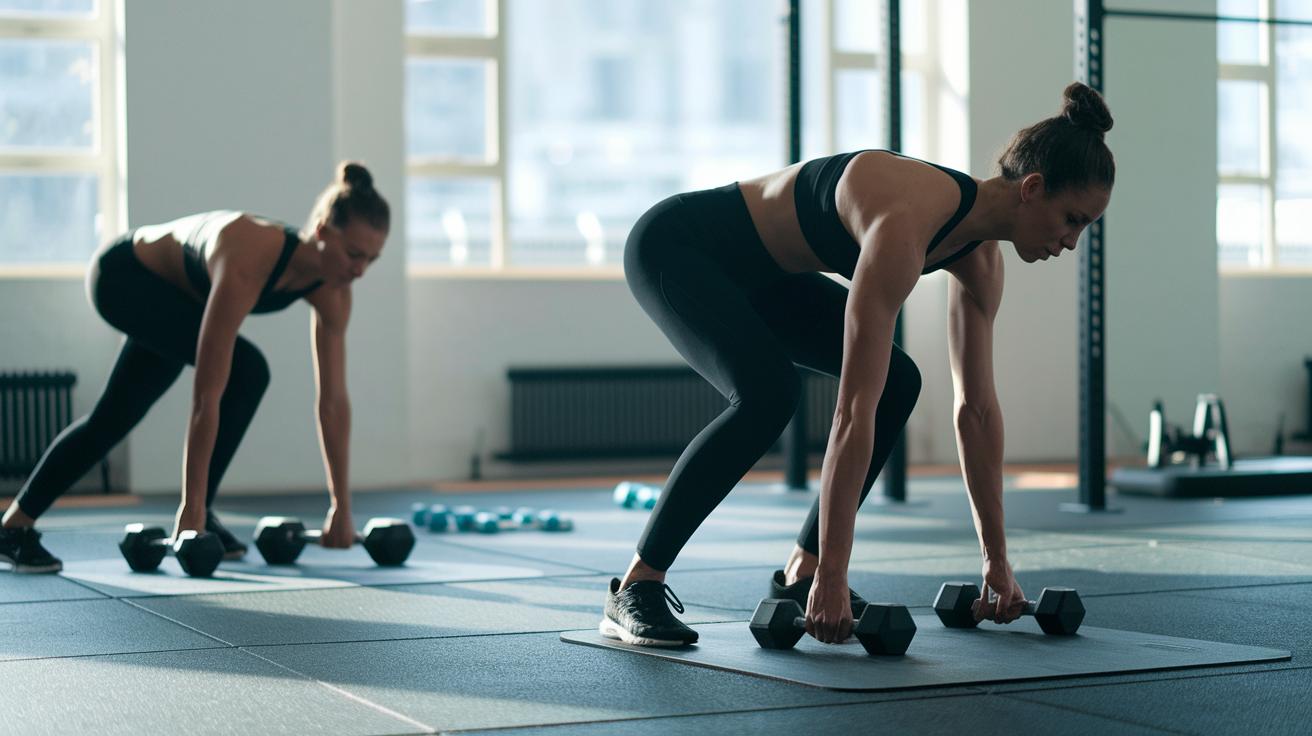
Keep your back straight and make sure your knees align with your toes during every exercise. This little tip helps protect both your back and your knees. Before you start your workout, try some joint mobility moves like shoulder circles and hip openers. These simple drills gently wake up your muscles and joints, cutting down your chance of injury so you can exercise safely. If any move feels off or causes discomfort, choose a gentler option that lets you maintain good form.
Don’t forget to give your body time to rest, too! Aim to take a full day or two off between workouts so your muscles have time to repair and get stronger. Listen to your body , if you feel a sharp pain during any movement, stop and try a safer version. Remember, steady, cautious progress helps build strength and cuts down on injury risk.
Final Words
In the action, this post guides you through a full-body beginner home workout featuring eight simple exercises. It breaks down a clear circuit plan and offers tips on warming up, cooling down, and tweaking moves to suit your fitness level. You also get advice on scheduling sessions, tracking progress, and optional equipment use, all while keeping safety in mind.
Taking small steps now can lead to big gains later. Keep up the effort and enjoy your workout journey.
FAQ
Frequently Asked Questions
What is a beginner home workout with no equipment?
A beginner home workout with no equipment means using bodyweight moves like push-ups, squats, and planks, often combined with a chair for support, to work your entire body.
How can I work out at home without equipment?
Working out at home without equipment involves doing bodyweight exercises such as jumping jacks, squat variations, and simple modifications like knee push-ups for safe, effective training.
What does a beginner home workout plan for women include?
A beginner home workout plan for women includes a full-body circuit with moves like push-ups, squats, and planks, offering modifications that ease form and build strength safely.
Is there a bodyweight workout plan available as a PDF?
A bodyweight workout plan in PDF form provides a detailed step-by-step guide of eight exercises, including durations and rest intervals, making it easy to follow at home.
How is a full-body workout at home done without equipment?
A full-body workout at home without equipment uses a circuit format that covers upper and lower body moves with exercises like push-ups, squats, and wall sits for overall strength.
What are seven exercises to do every day?
Seven exercises for daily routine can include push-ups, squats, jumping jacks, planks, jump lunges, tricep dips, and wall sits, each adaptable for beginner comfort and safety.
What does a workout plan for beginner females look like?
A workout plan for beginner females features structured circuits of simple bodyweight moves, clear rest guidelines, and beginner modifications to safely build strength and endurance.