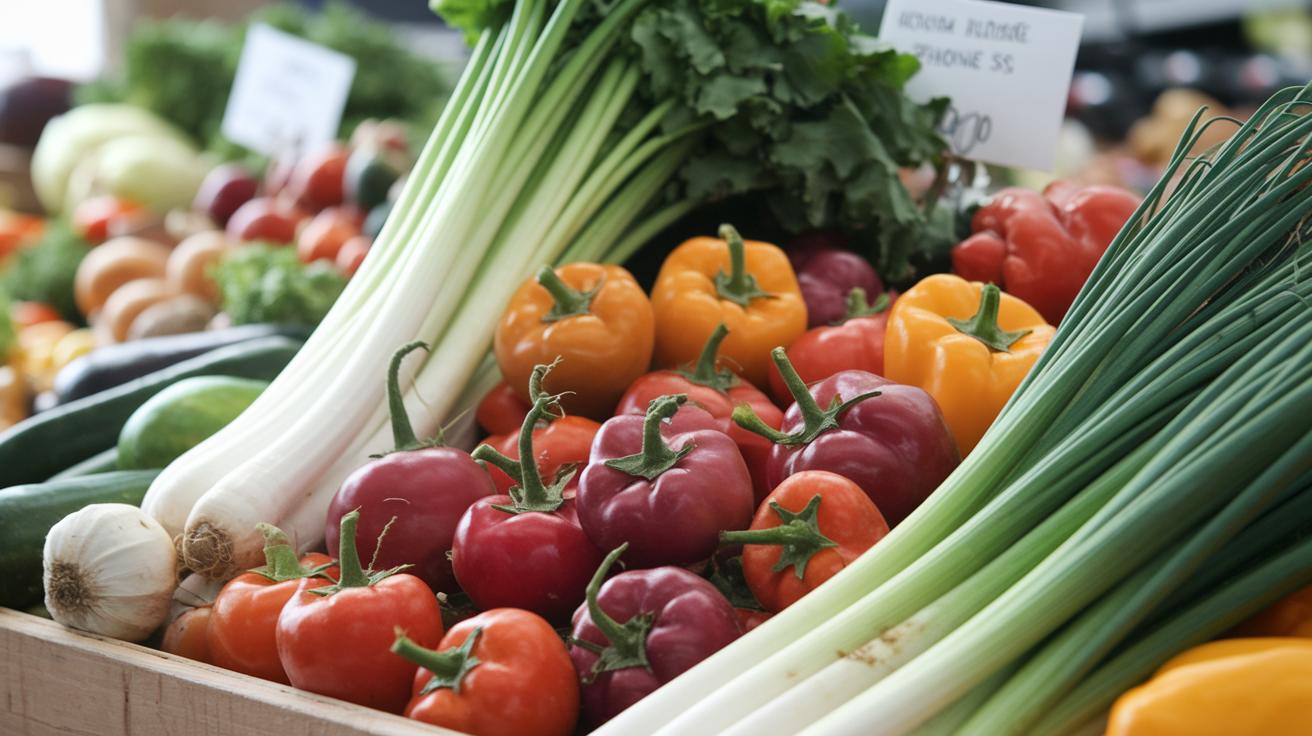
Ever wonder if that crisp apple is truly organic? Many of us might miss the clues that show quality produce. When you shop at a place like Whole Foods, look for the USDA Organic seal and give fruits and veggies a little squeeze to feel their texture. This guide shares simple steps to check labels and textures so you can pick produce grown without synthetic chemicals. Use these tips to shop with confidence and enjoy fresh, healthy, naturally grown fruits and vegetables.
Selecting Quality Whole Foods Organic Produce: Key Criteria and Tips
When you're shopping for organic produce at Whole Foods, look for the USDA Organic seal on stickers and product tags. This seal tells you the item is made with at least 95% certified organic ingredients and is grown without synthetic pesticides or fertilizers. Take a moment to check the packaging for this mark of quality.
Test each piece by looking for bright color and a firm feel without any soft spots or blemishes. For instance, gently press a tomato, it should give a bit without feeling mushy, which means it's perfectly ripe. You might also want to use the Environmental Working Group’s Dirty Dozen and Clean 15 lists to know which fruits and veggies could have more pesticide residues and which are safer bets. These lists can be a quick and helpful guide when you're in the store.
Here are a few extra steps to help you pick the best produce:
- Look for seasonal picks on the display, as fruits and vegetables are often tastier when harvested at their peak.
- Run your fingers lightly over leafy greens; they should feel crisp rather than droopy.
- Trust what you see and feel: bright colors and firm textures are signs that the produce was handled gently and is ready to enjoy.
Even a small detail, like a firm apple or clear labeling, can give you the confidence to choose fruits and vegetables that are both nutrient-rich and naturally grown.
Interpreting Organic Certification on Whole Foods Produce Labels
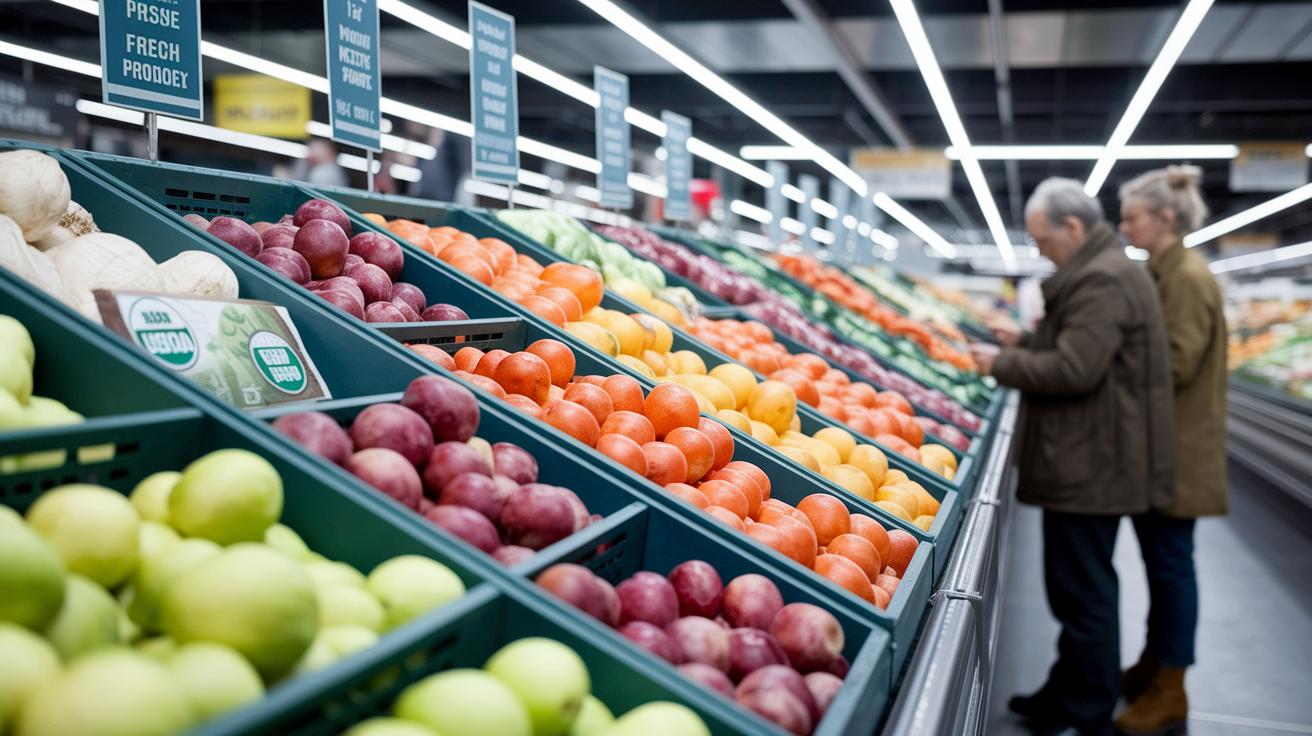
When you shop for produce, look for the USDA Organic seal. This tells you that at least 95% of the ingredients are grown naturally without synthetic pesticides or fertilizers. For instance, if you see the seal on a bag of lettuce, you can trust it meets strict organic standards.
You might also see labels like Non-GMO Project Verified. This extra mark adds another layer of trust by showing that the item has been checked to reduce genetically modified ingredients.
Whole Foods’ 365 Everyday Value line follows its own quality checks. Their labels make it simple to know that the product has been sourced responsibly and meets internal quality standards.
Quick tips:
- Check for the USDA Organic seal.
- Look for additional labels such as Non-GMO Project Verified.
- Notice the 365 Everyday Value label for extra quality checks.
Applying Seasonal Selection Strategies for Organic Produce at Whole Foods
Start here: Before you shop, take a quick look at the seasonal calendars and in-store signs. These tools update every month based on local harvests. When produce is in season, it means the fruits and vegetables have been picked at their best, offering richer flavor and more nutrition. Think of spring asparagus, summer berries, or fall squash, they're usually the tastiest picks.
Here are a few simple strategies to guide you:
- Ask the staff or glance at the seasonal charts by the displays to learn when items are harvested.
- Look for bright colors and firm textures; these are signs that the produce was picked at its peak.
- Build your meals around what’s in season, like enjoying a berry smoothie on a hot day or a warm squash soup when it's cool.
Next time you’re in the produce aisle, take a moment to read the labels. If you see a tag that says “Freshly Harvested This Week,” that’s your cue to grab it. This small step not only boosts the flavor of your meal but also gives you better value for your money.
Remember, choosing seasonal produce means better taste, more nutrients, and even lower prices. Try these tips at Whole Foods to enjoy organic fruits and veggies that are both healthy and top quality.
Evaluating Freshness and Quality Indicators in Whole Foods Organic Fruits and Vegetables

When picking fruits and veggies, a few simple checks can guarantee they taste great and are safe to eat. Start by looking and feeling for signs of ripeness and freshness.
- For tomatoes, give them a gentle press. They should yield slightly but not feel mushy. For example, a light, soft touch signals a ripe tomato ready for your salad.
- With leafy greens, choose ones that are crisp and bright. Avoid those with any yellow leaves or drooping edges.
- Look at berries to be sure they are dry, free from mold, and not too soft.
- For root vegetables like carrots and beets, check that the skin is smooth and unbroken.
After you’ve selected your produce, rinse everything under cold running water. Give them a light scrub with your hands or a brush to wash away any dirt.
This combined approach helps you enjoy produce that’s both delicious and safe to eat.
Price Evaluation and Budget-Friendly Advice for Whole Foods Organic Produce
First, check the price per pound on fresh produce versus frozen options. Often, frozen fruits and vegetables cost 20–30% less per serving while offering similar nutrients. Adjusting your meals around weekly deals can trim your grocery bill by as much as 15%.
Here are some smart ways to save:
- Compare prices: Look at labels and see if frozen options are a cheaper choice.
- Plan meals around sales: Change your weekly menu to use items that are on discount.
- Buy in bulk: Larger packages of greens or berries usually offer a better per-unit price, and preparing them at home helps them last longer, reducing waste.
These simple steps let you enjoy high-quality organic produce without stretching your budget.
Washing, Storage, and Preparation Techniques for Whole Foods Organic Produce

Begin by washing your fresh produce. Hold each item under cold running water to wash away dirt and any surface residues. For extra cleaning, try soaking your fruits or veggies in a mix of 1 part white vinegar to 3 parts water for about 10 minutes, then rinse thoroughly. For instance, giving a bowl of leafy greens this treatment can boost their cleanliness before you use them.
Next, store your produce to keep it fresh longer. Lay berries in a single layer on paper towels inside a container that lets air in; this helps stop mold from growing. Make sure to dry leafy greens completely and store them in airtight bags with moisture control packs. This simple method helps keep the greens crisp and flavorful for days.
Finally, arrange your produce in areas where you can easily see and grab them. Keeping things neat and visible not only makes it easier to find what you need but also supports a cleaner kitchen and healthy food choices.
Crafting a Mindful Produce Shopping List for Whole Foods Organic Selections
Begin your week by jotting down a list filled with a variety of colorful produce. Try adding dark leafy greens like organic spinach, red berries that pack a punch of flavor, crunchy orange carrots, and earthy purple beets. This mix not only boosts your nutrient intake but also makes your meals more exciting.
Next, include everyday staples such as fresh organic spinach, creamy avocados, and seasonal fruits that can serve as the base for many dishes. Remember to add frozen organic vegetables like spinach and peas too. Frozen options work well on days when fresh items are in short supply and often hold nearly the same nutrients.
Finally, organize your list by store sections: put produce in one spot, set aside frozen items in another, and list other natural or minimally processed foods separately. This simple system will help you shop faster, avoid impulse buys, and reduce waste, setting you up for balanced, nutrient-rich meals without extra hassle.
Comparing Fruit and Vegetable Types in Whole Foods Organic Produce
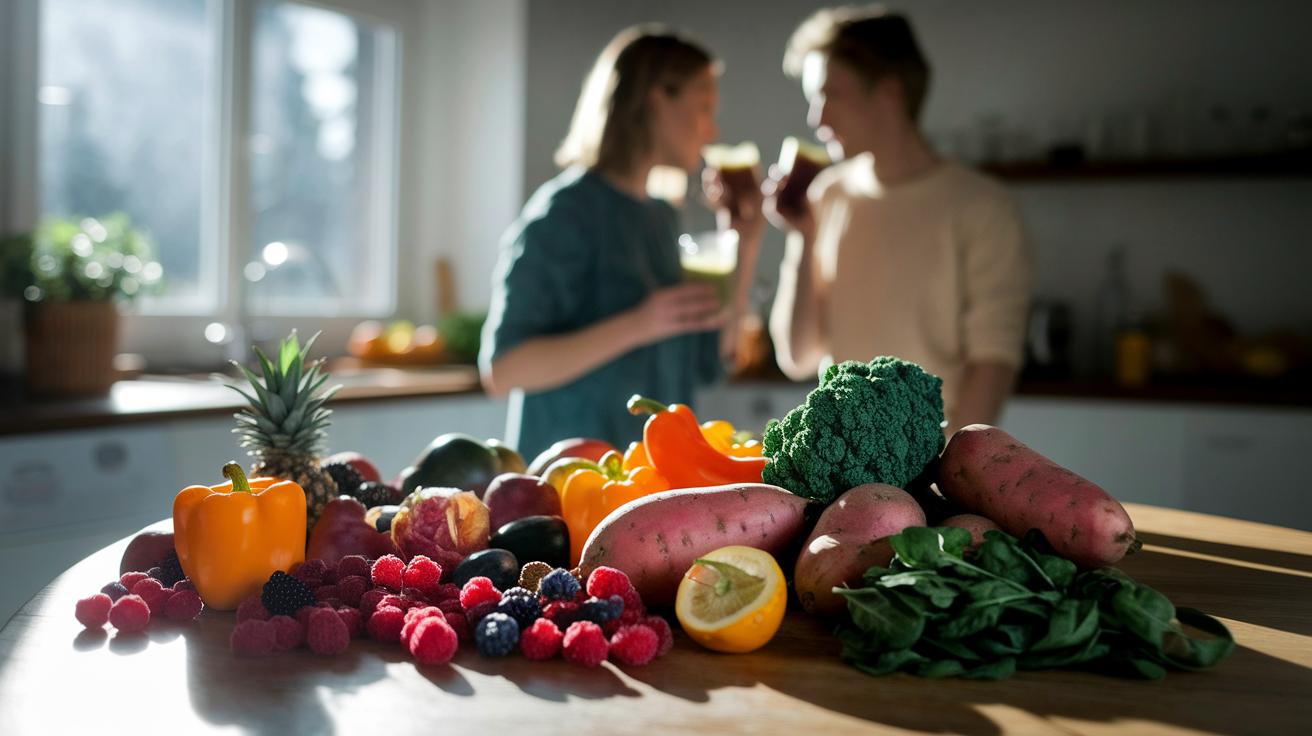
When you pick organic fruits and veggies, you get a mix of benefits from each type. For example, berries burst with antioxidants that not only add a fresh flavor to your smoothies but also support your overall wellness. Bell peppers give you a strong boost of vitamin C in every bite, meaning even a small serving can really lift your nutrient intake.
Root vegetables have their own perks. Sweet potatoes deliver steady energy with complex carbohydrates that keep you fueled, and their natural sweetness works well in both savory and sweet dishes. Meanwhile, leafy greens like kale and spinach offer iron and vitamin K, nutrients that help keep your energy up and bones strong.
Whole Foods often highlights these benefits with signs in their produce section. You can quickly compare items by looking for labels that point out high antioxidants in berries, extra vitamin C in peppers, robust carbohydrates in roots, and key minerals in leafy greens.
- Berries: Perfect for adding a burst of flavor to smoothies.
- Bell peppers: Small but mighty sources of vitamin C.
- Sweet potatoes: Provide lasting energy with complex carbs.
- Leafy greens: Boost your iron and vitamin K for lasting vitality.
Final Words
In the action, we explored clear criteria for selecting top-quality organic produce. We covered label reading, seasonal choices, freshness tests, budget tips, safe washing, and smart list-making. These steps make it easier to compare and choose whole foods organic produce (how to choose) confidently. Every tip is designed for busy lives, ensuring you take actionable measures without confusion. The guidance is practical and research-backed, small moves for long-term health wins. Keep experimenting with these tips and enjoy the burst of flavor and nutrition with every bite.