
Ever thought a quick look in the mirror might be your best first step in catching skin cancer early? Checking your skin daily for unusual marks can really save lives. Even a brief self-check can spot early signs of melanoma (a serious type of skin cancer), which may boost your chances of recovery. This guide shares simple tips you can do at home or talk over with your doctor. Try these steps to take charge of your skin’s health every single day.
Key Techniques for Skin Cancer Early Detection
Checking your skin early can truly save your life. Research tells us that catching melanoma early boosts the five-year survival rate to 99%. In the United States, over 1 million cases of non-melanoma skin cancer are found each year. Plus, about 1 in 5 Americans face higher risks because of family history, tanning beds, or simply living in a sunny place. That’s why using both at-home and professional methods is so important.
Begin with a regular self-check in a bright room. Stand in front of a full-length mirror and take your time. A simple way to do this is by using the ABCDE method for moles and spots:
- Asymmetry: Look for spots where one half doesn’t match the other.
- Border: Check if the edges are uneven or blurry.
- Color: Notice if there are multiple colors or areas that fade into one another.
- Diameter: See if the spot is larger than 6 mm (about 1/4 inch).
- Evolving: Keep an eye out for any changes in size, shape, or color.
For instance, today, try examining one spot in your bathroom mirror. If you see a mole that looks off, maybe it’s lopsided or has varying colors, it might be worth a closer look.
It’s also important to see a dermatologist for a full-body exam. These experts review your medical history and use tools like a dermatoscope (a special light) to get a clear view of your skin. They can catch warning signs that you might miss at home and advise you on how often you should get screened based on your risk.
By combining your weekly self-checks with regular exams by a professional, you build a strong approach toward early detection. This balanced plan not only helps spot melanoma and basal cell carcinoma early, but it also sets you up for better treatment outcomes. Remember, spending just a few minutes each month on your skin could be the step that saves your life tomorrow.
Identifying Skin Cancer Risk Factors to Prioritize Early Screening

Your risk for skin cancer depends on both personal and environmental factors. If skin cancer runs in your family, your risk goes up. Inherited traits can make you more likely to develop unusual skin growths. If you have close family members who have had skin cancer, it’s wise to get screenings more often.
Using tanning beds frequently is another red flag. The UV light from these beds can harm your skin cells over time. If you enjoy tanning or often find yourself near tanning beds, consider safer alternatives that don’t expose your skin to unnecessary UV light.
Spending long hours in the sun without proper protection puts you at risk too. Living in sunny areas or simply enjoying the outdoors means you get a lot of UV exposure. Try these simple steps every day: apply sunscreen each morning, find shade during peak sunlight hours, and wear clothing that protects your skin.
For those at high risk, whether due to family history or heavy UV exposure, regular skin evaluations by a professional are important. Many dermatology clinics offer flexible screening options that might even be free or available on a sliding scale. Regular check-ups and routine self-exams can help you catch any changes early, lowering the chance of serious skin cancer issues.
Keep an eye on any new or changing spots. If you notice a mark that changes in color, texture, or size, talk with your dermatologist at your next visit.
Step-by-Step At-Home Self-Examination for Early Skin Cancer Detection
Start by choosing a spot with plenty of light, natural daylight works best or bright artificial lighting will do too. Grab a full-length mirror and a handheld mirror to check every part of your skin.
-
First, set up your area. Stand where the light shines evenly on you and place your full-length mirror nearby. Keep a handheld mirror ready to see the spots that are hard to view.
-
Next, take off any clothing or jewelry that might block your view. Check your face, neck, arms, chest, back, legs, and even the backs of your hands. Go slowly and carefully over every area.
-
Look at each spot using the ABCDE method:
- A stands for Asymmetry: Check if one half of the spot looks different from the other.
- B means Border: The edges should be even and clear. If they are blurry or irregular, take note.
- C is for Color: See if the spot has more than one color. Even small differences matter.
- D stands for Diameter: Measure with a ruler. If the spot is larger than 1/4 inch (6 mm), keep an eye on it.
- E means Evolving: Notice if the spot changes in size, color, or shape over time.
-
Use your handheld mirror to inspect tricky areas like behind your ears and the backs of your legs. Work through these spots slowly so you don't miss any changes.
-
Finally, jot down anything new or changing about your skin. For example, note if you see "a mole with different brown and red hues that wasn't here last month." This record will help you share clear details with your doctor if needed.
If you find a spot that seems off, plan to visit a dermatologist as soon as possible.
Professional Screening Protocols and Clinical Diagnostic Procedures
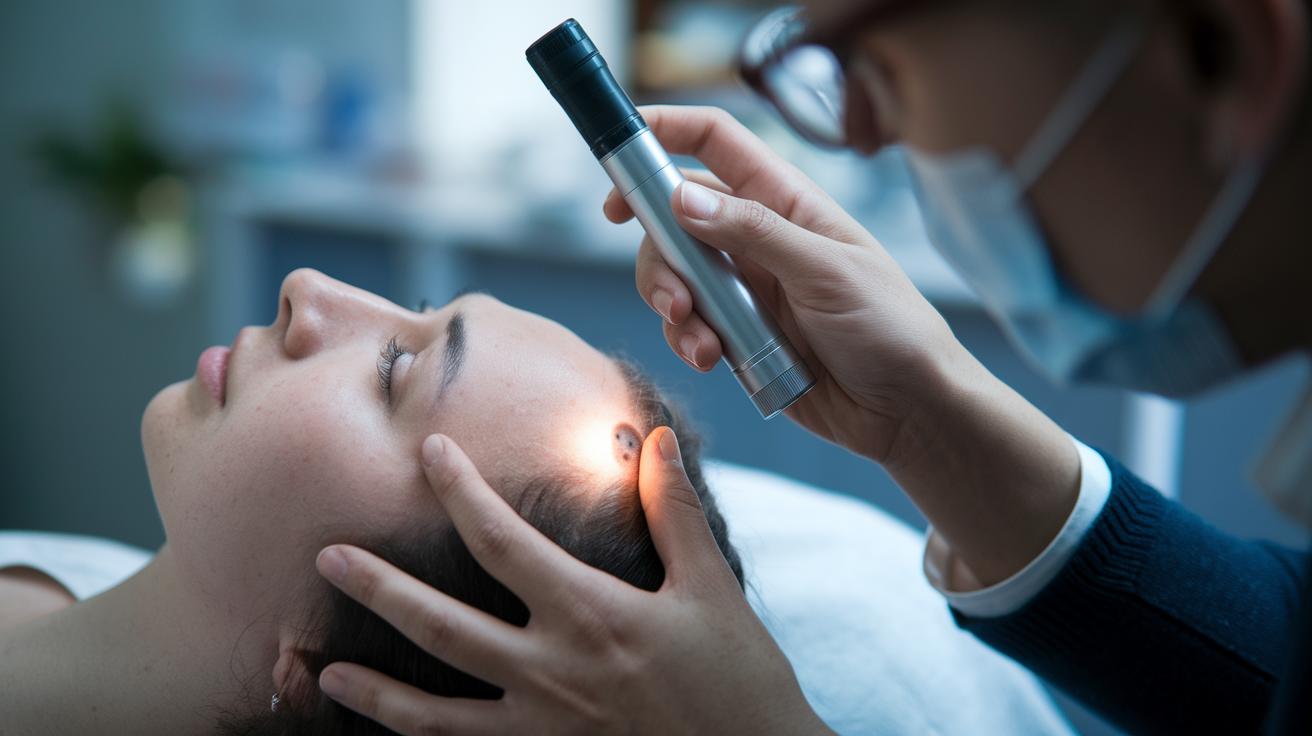
Your skin check begins with a review of your medical past and any family history. The dermatologist then examines your whole body using a dermatoscope (a small tool with a light and magnifying lens) to take a closer look at any moles or marks.
Many clinics use a step-by-step process. Below is a table that explains the main steps and what they do:
| Step | Procedure | Purpose |
|---|---|---|
| Initial Consultation | Review your medical history and risk factors | Spot personal risks and decide how often to check |
| Full-Body Examination | Look over your skin, often with a dermatoscope | Find any unusual spots that may be concerning |
| Biopsy Decision | Take a small skin sample from suspicious areas | Check if the spot may be harmful based on its cells |
| Follow-Up Evaluation | Use more imaging or another check if needed | Monitor changes and update your care plan quickly |
During the exam, the dermatologist pays close attention to spots that have odd shapes, colors, or borders. If any marks seem unusual, they might suggest a biopsy. This choice is based on what the spot looks like and your overall risk factors. Major health guidelines suggest an annual exam for most people, while those with higher risks might need checks more often.
This careful process helps catch issues early, which can lead to better treatment. If any problems show up, further imaging or repeated checks make sure that any changes are handled quickly.
Digital Mole Analysis and AI Diagnostic Tools for Early Detection
New technology is changing the way you watch your skin. AI tools can now review pictures of moles almost as well as experienced experts. Try this: snap a clear photo of a spot on your shoulder. The AI checks for unusual edges or colors. If it looks different from normal moles, it might be a sign to visit your dermatologist.
Mobile apps are making skin checks even simpler. Each month, take a quick picture of your moles. This helps you notice if a spot grows or changes shape over time. It’s a straightforward way to keep on top of your skin, especially if you have a higher risk.
Teledermatology brings care right to your fingertips. With these services, you can send clear images of your skin to a specialist without leaving your home. Your smartphone acts as your starter check-up tool. Plus, advanced imaging devices pick up tiny cell changes that your eye might miss.
- Use mobile apps for simple, regular mole tracking.
- Let AI tools give a quick review of your skin images.
- Try teledermatology for easy, remote evaluations.
Follow-Up Care and When to Consult a Specialist for Skin Cancer Early Detection
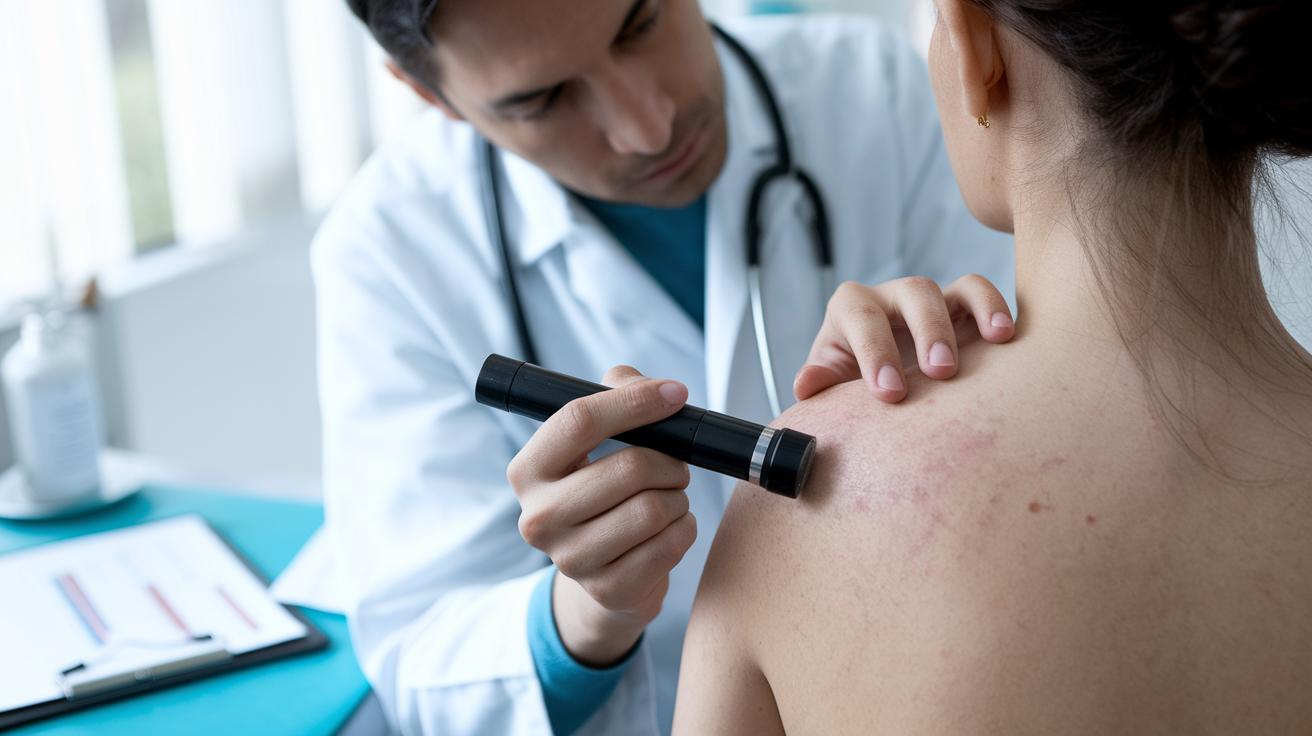
If a mole looks new or changes over time, it might match the ABCDE rules: uneven shape, irregular borders, different colors, a size over 6 mm (about 1/4 inch), or any evolution in appearance. In these cases, call your dermatologist right away. Checking your skin at home is helpful, but it is not enough if something seems off.
Make sure your follow-up plan includes regular dermoscopy checks (a close-up skin exam using a special tool) and a full-body skin exam each year. If you are at higher risk, consider taking photos of any moles that worry you. This picture record can make it easier for your doctor to spot any changes from your normal skin.
Follow these steps if you see a potential issue:
- Check your skin regularly using the ABCDE method.
- Take photos or notes of any mole that looks different.
- Schedule your annual exam or more frequent visits if you have a family history or strong sun exposure.
- Follow your dermatologist's guidance on routine dermoscopic exams for a closer look.
If you find a mole that stands out or notice a new lesion, it is wise to see a specialist promptly. Early action can lead to more effective treatment and a safer outcome.
Emerging Trends and Future Innovations in Early Skin Cancer Detection
New research is lighting the way for better skin cancer screening. Right now, trials are testing wearable sensors that track your UV exposure (sunlight levels) in real time so you can adjust your time outdoors immediately. Scientists are also exploring tiny imaging tools to spot small changes in skin cells early on. They are even working on smart computer programs and improved skin check training to make exams more precise.
Mobile apps that help monitor your moles are also growing in popularity. These tools, part of outreach programs, encourage you to do routine self-checks. In the near future, you might be able to snap a clear picture of a mole and send it to a skin specialist through telehealth services. This makes early detection simpler and more efficient for everyone.
Ongoing research and small pilot projects are helping to blend these high-tech tools into everyday care. Soon, smart and easy skin screening might be a regular part of health check-ups.
Looking ahead, experts believe these innovations will not only improve individual screenings but also help protect communities from skin cancer. In time, using technology may become the standard way to keep an eye on your skin.
Final Words
In the action, we covered practical methods for spotting skin cancer early, from at-home checks using the ABCDE guide to professional screening and new digital tools.
We highlighted risk factors and follow-up tips that help make your routine easy to follow.
Each step is grounded in solid research and aims to boost your confidence in managing your health.
Every small action counts. Stay proactive and optimistic in your approach to skin cancer early detection.
FAQ
Frequently Asked Questions
How does early detection affect skin cancer survival rates?
Early detection leads to higher survival rates. For instance, early-stage melanoma can have a 5-year survival rate near 99%, making regular screening and prompt attention to changes crucial.
How can skin cancer be detected online?
Digital tools, including mobile apps and AI algorithms, analyze lesion images to help assess skin changes. They aid in monitoring moles and can prompt a visit to a dermatologist if abnormalities are found.
What does the ABCDE rule for skin cancer stand for?
The ABCDE rule stands for Asymmetry, Border irregularity, Color variation, Diameter over 6 mm, and Evolving changes. It guides you through identifying moles that might need professional evaluation.
How do you check for skin cancer at home?
Performing home checks involves using mirrors in a well-lit room to inspect your skin monthly. Look for irregular shapes, uneven color, and size or shape changes, following the ABCDE guidelines.
What is early detection in skin cancer screening?
Early detection means identifying potential skin cancer signs before they spread. This is done through self-examinations and professional screenings, which lead to more effective treatment outcomes.
How is early detection used in breast cancer screening?
Early detection for breast cancer involves regular clinical exams and mammograms to catch changes in breast tissue early. This approach improves treatment success and overall health outcomes.
Is skin cancer curable if caught early?
Skin cancer is often highly treatable when detected early. Early-stage cancers can usually be managed with minor procedures, greatly reducing the risk of spreading and improving recovery chances.
What is the 2-week rule for skin cancer?
The 2-week rule suggests that any suspicious new or changing lesion should be evaluated by a dermatologist within two weeks. Prompt review can help confirm the diagnosis and start treatment quickly.
What are the first signs of skin cancer?
Early signs include moles with asymmetry, irregular borders, varying colors, a diameter over 6 mm, and evolving appearance. Noticing these changes early helps ensure timely medical assessment.