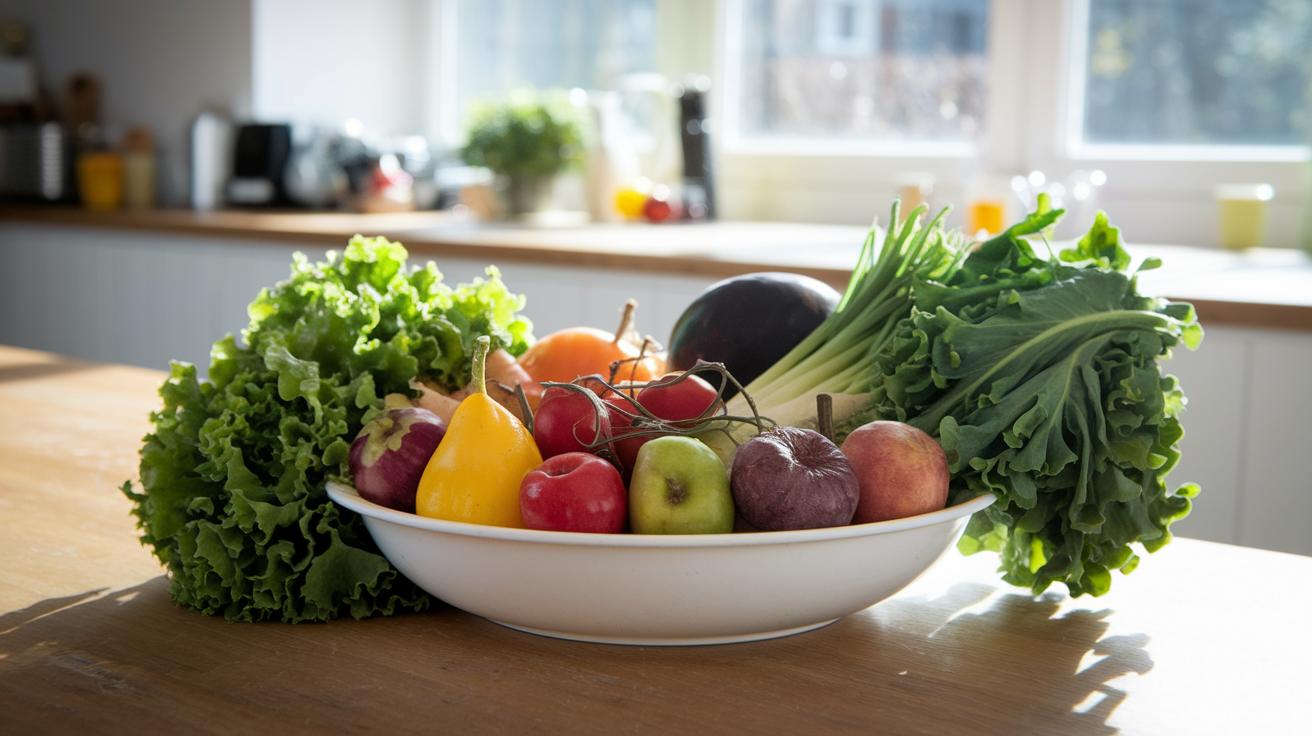
Ever wondered if swapping fast food for fresh flavors might give you a boost of energy? When you're in a rush, it's easy to grab a quick meal that leaves you feeling run-down. Here’s a simple tip for the day: try including whole foods like fruits, veggies, lean proteins, and whole grains in your meal plan.
Even small changes can add up. For example, pack a piece of fruit with your lunch or opt for grilled chicken instead of fried. A bit of planning can make a big difference. Enjoy fresh flavors and feel more energized, start today!
Key Steps to Eat Healthy Daily
We all know busy days can tempt us into picking up fast food when there’s barely time to breathe. When work, errands, or caring for others fill your schedule, it might feel like your only option. But these quick fixes can leave you feeling bloated and drained, which makes sticking to healthy choices really tough.
The goal is to build a routine based on nutrient-packed foods. Try to fill your meals with whole foods, think fresh fruits, vegetables, and whole grains, which naturally offer essential vitamins and minerals. Also, swap sugary drinks for water throughout your day. A balanced meal that includes proteins, carbohydrates, and fats keeps your energy steady without feeling overstuffed. And paying attention to portion sizes helps you enjoy each bite without going overboard. These small habits empower you to support both your body and your hectic schedule.
- Plan your meals the night before to avoid last-minute decisions.
- Fill half your plate with produce to easily boost your vitamins and fiber.
- Choose lean proteins like chicken or beans to keep your energy up.
- Drink a glass of water before eating to help manage your appetite.
- Use simple visuals, like your hand, to gauge portions and maintain balance.
Stick with these steps, and you’ll soon find that even the busiest day can become a chance for healthy eating. Small daily changes add up, boosting your energy and making your meal routine more satisfying.
Smart Grocery Shopping for Healthy Eating
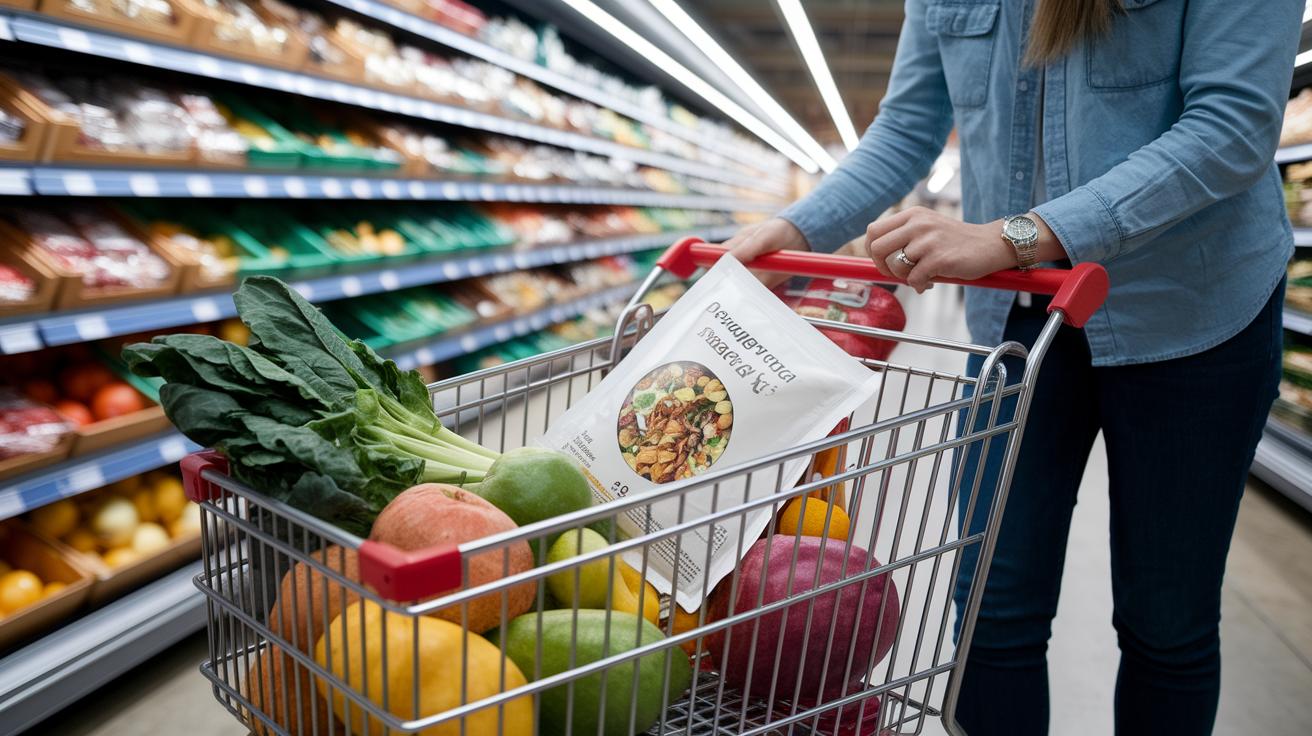
Ever feel rushed at the grocery store? It happens to the best of us. When time is tight, you might grab the first thing you see. Meal kits offer a simple solution by providing ready-to-cook meals that cut out planning, recipe hunting, and traditional shopping. Quick tip: Imagine finishing your grocery run in half the time because your meals are already planned and pre-portioned. This way, you skip crowded aisles and impulse buys, and you gain more time to focus on nourishing your body.
When you're shopping, keep these simple ideas in mind. Focus on whole foods like fresh fruits, vegetables, and lean proteins. Check unit prices to spot the best deals and buy seasonal produce for peak flavor. Look at store flyers for weekly offers and set a budget to keep spending in check. These tips help you enjoy healthy meals that are good for both your body and your wallet, even on your busiest days.
Effective Meal Planning Techniques to Eat Healthy
When we skip meal planning, our busy schedules can drive us to grab fast food and other quick fixes. It can be hard to make a home-cooked meal when you're in a rush. Spend a few minutes each week planning your meals, and you'll see a big change in your eating habits. By planning ahead, you can easily prepare balanced, homemade dishes that work with your busy day and give you energy.
| Day of Week | Main Meal | Prep Time |
|---|---|---|
| Monday | Grilled Chicken Salad | 15 mins |
| Tuesday | Vegetable Stir-Fry | 20 mins |
| Wednesday | Quinoa Bowl | 25 mins |
| Thursday | Fish Tacos | 20 mins |
| Friday | Stuffed Peppers | 30 mins |
| Saturday | Whole Wheat Pasta | 25 mins |
| Sunday | Veggie Omelette | 10 mins |
Setting aside time to prepare meals not only saves you time later but also cuts down on food waste. When you plan and prep, you build a routine that helps you avoid those last-minute, less healthy choices. This simple strategy lets you enjoy fresh, delicious meals and keeps you feeling energized throughout the day. By adopting these practices, you're taking a big step towards a healthier lifestyle for both your body and overall well-being.
Balanced Plate Concepts for Healthy Eating
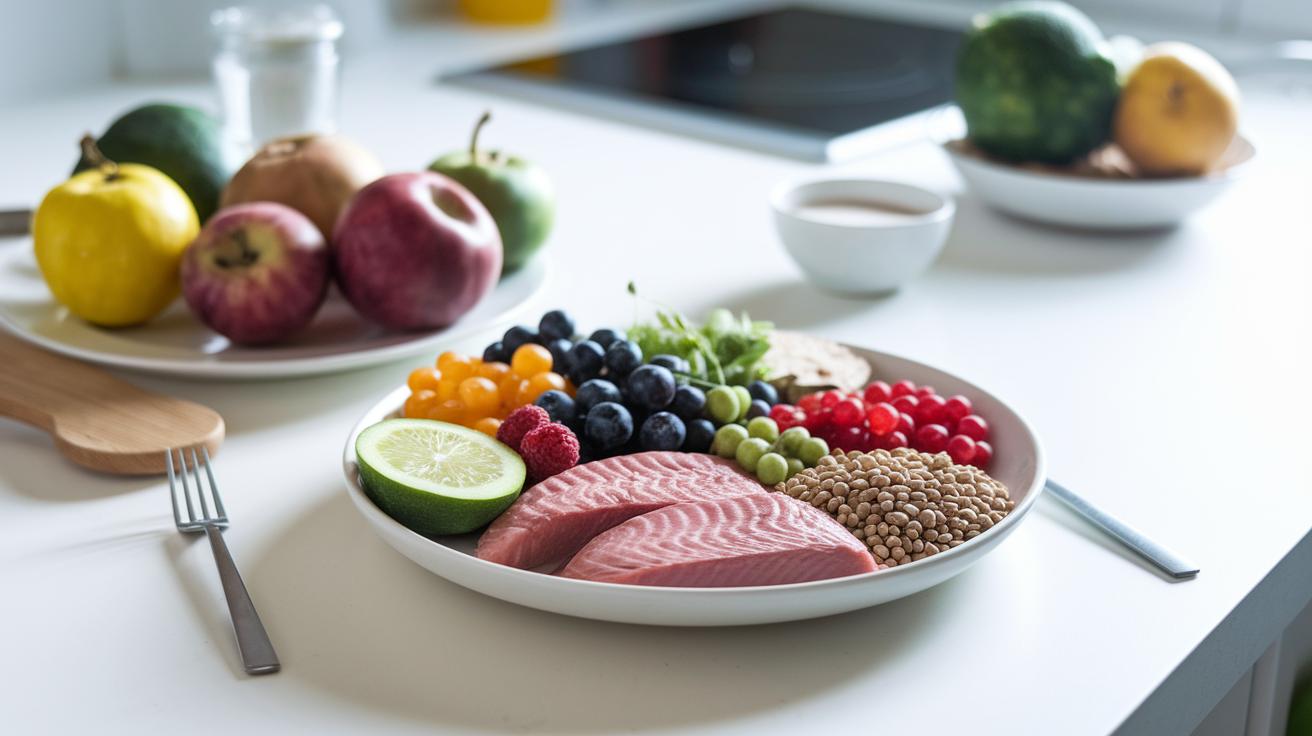
Fill half your plate with a mix of fruits and vegetables. This simple step boosts your body with antioxidants, vitamins, minerals, and fiber. These nutrients support your body’s natural systems every day.
Divide the rest of your plate into two equal parts. Use one part for lean proteins like chicken, fish, or beans and the other for whole grains and healthy fats. This balance helps keep your blood sugar steady and gives you long-lasting energy. For example, even a small study found that pairing fiber-rich foods with lean protein can keep your energy more even after meals.
Try using practical portion cues to make this idea easy. Use your palm as a guide for protein and your fist for vegetables. When eating out, check the menu for calorie counts. Picking a grilled chicken salad instead of a fried dish makes it easier to stick to this balanced approach. Whether you’re building muscle or managing your weight, this method supports healthy metabolic function.
Healthy Eating On-the-Go: Restaurant and Fast-Food Choices
When you’re in a hurry and need a quick bite, check the menu for hints about healthier options. Look for words like grilled, steamed, or baked, they show the food is cooked with less fat. You might also see terms such as plant-forward or lean, meaning the dish is heavy on vegetables and lean proteins. For example, a grilled chicken wrap with a side salad is a smart, lower-calorie choice. This simple tip helps you avoid heavy, fried meals like cheeseburgers and fries while still enjoying tasty food.
Once you spot these healthy signals, take a look at the nutrition details on the menu. Many restaurants now list calories, so try to choose meals with fewer than 600 calories. Pick dishes that add extra vegetables and consider whole-grain buns over refined ones when you can. Swap sugary drinks for water or unsweetened drinks to keep the extra calories at bay. These small changes can lead to a balanced meal that leaves you feeling both satisfied and energized.
Quick and Healthy Home-Cooked Meal Kits
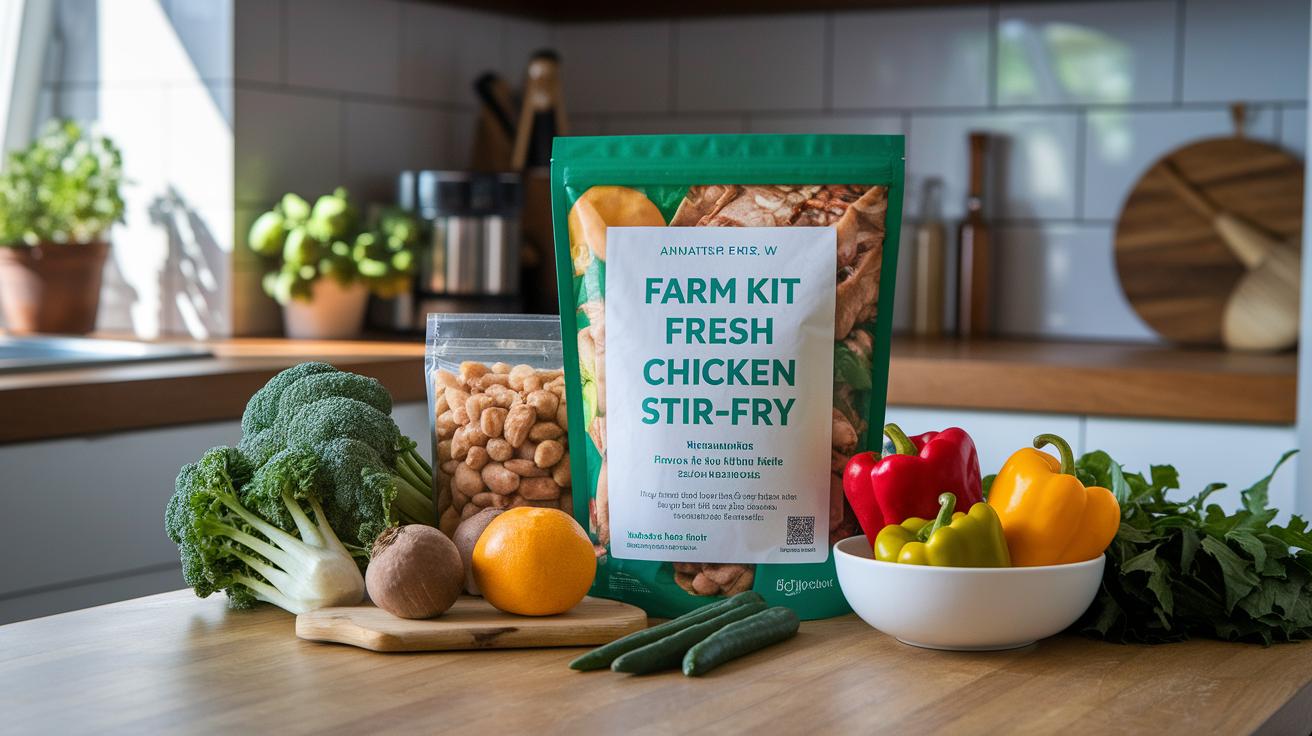
Meal kits simplify planning healthy meals at home. They send you pre-measured ingredients and clear, easy recipes so you can skip the hassle of shopping and measuring. Picture a kit called "Farm Fresh Chicken Stir-Fry" that includes crisp vegetables, a ready-to-use marinade, and even a tip like "add extra bell peppers for a pop of color." It’s a straightforward way to tackle time crunches and enjoy a homemade meal with minimal steps.
When picking a meal kit, look for high-quality ingredients, balanced portions, and the right mix for your hunger. Choose kits that offer seasonal produce or different themes such as lean proteins or plant-based meals. One kit might feature whole wheat pasta with tomato basil sauce, while another serves up a zesty shrimp quinoa bowl. Check delivery schedules and cost per serving so it fits your lifestyle and budget. Rotating kits each week keeps your meals fresh and exciting.
Building Sustainable Healthy Eating Habits for Long-Term Health
Small changes add up over time. Begin by planning your meal times and setting simple phone reminders to keep you on track. Each week, try introducing one new healthy food or snack. These little adjustments help form a strong base for healthier eating habits.
Mindful eating is key. Chew your food slowly and enjoy every bite so you can truly taste your meal. Try to keep distractions, like your phone or TV, to a minimum. Listen to your body when it tells you it’s hungry or full. This practice helps you understand what and how much you really need.
With time, these steps can lead to real benefits. A routine filled with balanced meals and mindful eating can boost your energy and help you manage your weight better. Over time, these habits may even lower your chance of developing chronic illnesses, making healthy eating a rewarding part of your day.
Final Words
in the action, we broke down practical steps for balanced meals, smart shopping, meal planning, mindful dining out, and quick home-cooked kits. Each section offered simple actions that fit a busy lifestyle. Small changes build lasting habits that boost energy and overall wellness. Use these tips on how to eat healthy to guide daily choices and support sustainable improvements in your wellbeing. Enjoy every progress step and keep moving toward a healthier, more confident you.
FAQ
How do I start eating healthier and what should beginners focus on?
Starting to eat healthier means planning simple meals that include whole foods like fruits, lean proteins, and whole grains. Beginners should ease into balanced portions and reduce processed items.
What does a healthy eating book involve?
A healthy eating book provides clear meal plans, simple recipes, and step-by-step tips for balancing your plate with whole foods, guiding you through practical nutrition habits.
How can I eat healthy food every day at home and on a budget?
Eating healthy daily means preparing meals at home with smart shopping. Prioritize seasonal produce, lean proteins, and whole grains while planning meals in advance to save money.
How does healthy eating support weight loss?
Healthy eating aids weight loss by emphasizing nutrient-dense foods in balanced portions. Swapping processed items for whole foods helps control calorie intake while keeping you satisfied.
What are the benefits of healthy eating?
Healthy eating offers benefits like increased energy, better mood, improved digestion, stable blood sugar, effective weight management, and overall enhanced well-being.
What does a 7-day healthy eating plan look like?
A 7-day healthy eating plan outlines daily balanced meals with varied produce, lean proteins, and whole grains. It simplifies meal prep and keeps your nutrition on track throughout the week.
What is the healthiest way to eat?
The healthiest eating approach focuses on variety. This means filling your plate with an assortment of fresh vegetables, lean proteins, and whole grains to cover essential nutrients.
What is the 3-3-3 rule for eating?
The 3-3-3 rule refers to aiming for three servings each of fruits, vegetables, and lean proteins daily. This simple guideline promotes a balanced intake of essential nutrients.
What is considered the #1 healthiest food to eat?
Leafy greens like spinach or kale are often regarded as top healthy choices due to their rich supply of vitamins, minerals, and fiber, making them great for daily nutrition.