
Ever wonder if meal planning might be more trouble than it's worth? Many say it takes too much time, but a simple plan can actually lower your stress and save you money. Imagine a week where you know exactly what to cook, use up your leftovers, and skip those last-minute store runs. This guide shares six clear steps to turn meal planning into an easy, daily habit. With these smart tips, you can enjoy quieter evenings and make healthier dinner choices every night.
Step-by-Step Meal Planning Guide
Meal planning means deciding what you'll cook for the week, which saves time and cuts down on waste. It can help you save money, reduce stress, and make your evenings a lot smoother. Here are 6 simple steps to create a meal plan that works for you.
-
Check your calendar. Look at the week ahead and note any special events or nights out. This helps you adjust your meal choices for busier days.
-
Take stock of your kitchen. Quickly list what you already have in your pantry and freezer. This stops you from buying duplicates and helps reduce food waste.
-
Pick your recipes. Choose meals that fit your goals, whether you’re aiming for healthy, high-protein, or just extra tasty dishes.
-
Write your meals in a weekly planner. Do this at least 3 days in advance so you have enough time to shop and prep, like chopping veggies or batch cooking.
-
Make a grocery list. Pull ingredients from your recipes into one list and check for duplicates. This way, you won’t end up with extra herbs or cheese you don’t need.
-
Shop and prep. Set aside a day or two to pick up your groceries and do some basic meal prep. Simple steps like this can turn a busy evening into a quick, satisfying meal.
Following these steps makes cooking decisions easier and helps build habits that keep mealtime both efficient and enjoyable.
Assess Your Needs and Set Your Meal Planning Goals

Start by looking at your week ahead. Write down which days are busy and note the meals you need to make. For example, on workdays, plan quick, easy meals; and save weekends for recipes that take a bit more time.
Next, check your pantry and freezer. List what you already have so you don’t end up buying extra. This simple step can help you save money and reduce waste.
Then, decide what you want to get out of your meal plan. Do you want to save time, reduce grocery bills, or eat healthier? Write down your goal, like needing meals that give you energy without costing too much, and let that guide your recipe choices.
These simple steps make your meal planning easier and ensure your plan fits your lifestyle.
Designing a Balanced Weekly Meal Plan
Plan your meals to keep your week both fun and healthy. Start by mixing recipes like air fryer dishes, one-pot meals, and slow cooker recipes with a few snacks and simple sides. This mix stops boredom and lets you try different flavors every day. For example, enjoy a hearty, protein-rich dinner when you're busy and a light, refreshing salad on a calmer night.
Rotate special meal plans to match your needs. Include high-protein recipes for muscle support, low-carb options for steady energy, and vegetarian dishes for extra natural goodness. Look for free weekly meal plans online, they can jumpstart your schedule with ideas for easy, healthier cooking.
Spread out your proteins, veggies, and whole grains evenly. Think of each meal as a chance to meet your energy goals without feeling too heavy or too light. For instance, you might make a warming one-pot chicken stew one week and try an air fryer salmon the next to keep things fresh.
Keep your plan flexible by jotting down daily meal ideas, leaving room for little changes. This simple, mix-and-match method makes it easier to stick with healthier eating without the stress of a strict plan.
Creating a Budget-Friendly Meal Plan
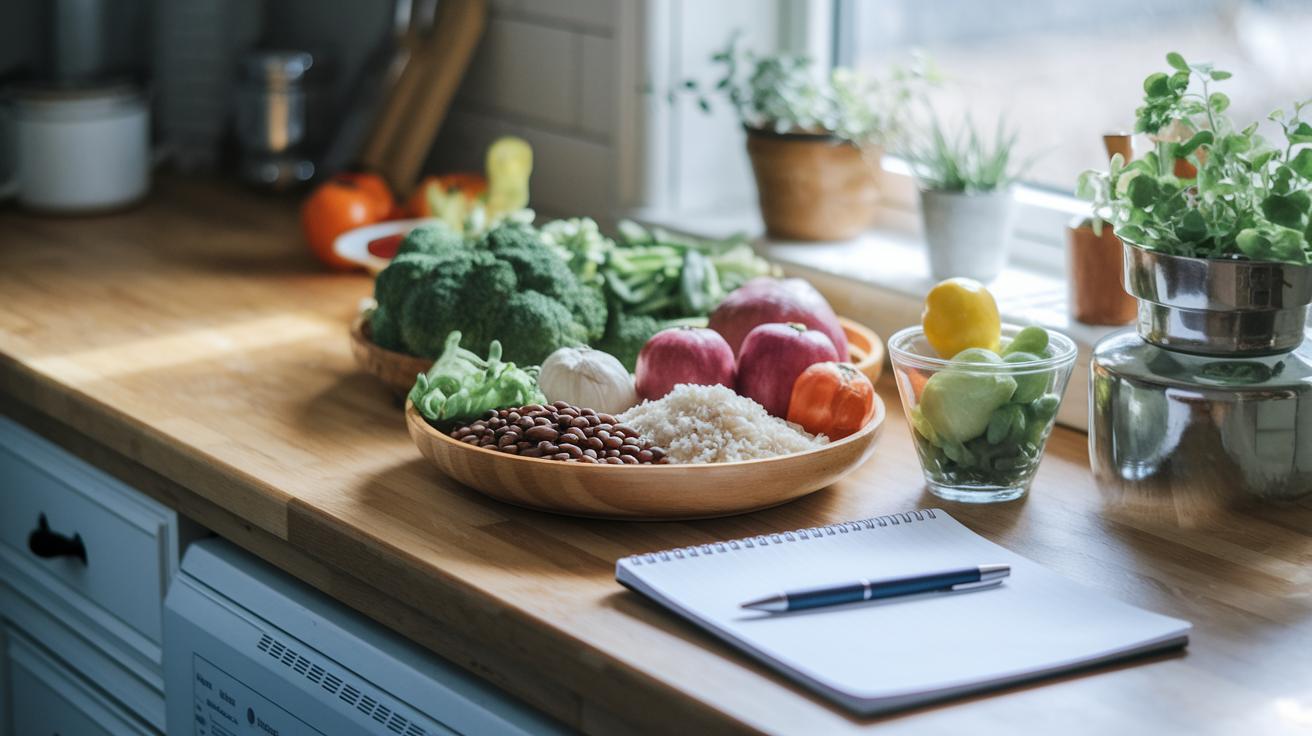
Planning your meals ahead can help keep your grocery bill low while still giving you plenty of flavors and nutrients. A weekly meal plan cuts down on impulse buys, which can cost you more. You can even find free meal plans with grocery lists that focus on recipes perfect for buying in bulk and taking advantage of seasonal deals.
Start with recipes that use simple staples like beans, rice, and the fresh produce that's in season. These ingredients are both budget-friendly and versatile for many dishes. Try swapping out costly proteins for discounted cuts or center your meals around seasonal veggies to save more. With flexible recipes, you can tweak your plan for any special in-store deals or extra items you already have.
Pick a regular time each week to update your meal plan and shopping list. This habit stops you from scrambling for ideas when you get to the store. By planning ahead, you'll focus on buying just what you need, which helps reduce waste and duplicate purchases. Keep track of your spending and compare prices to make smart substitutions and bulk purchases that further lower your grocery costs.
| Ingredient Category | Budget Tip | Example Cost Saving |
|---|---|---|
| Proteins | Buy in bulk or choose less expensive cuts | Save up to 20% by bulk chicken purchase |
| Grains | Opt for store-brand rice and pasta | Save $0.50 per pound |
| Produce | Use seasonal or frozen vegetables | Save $1–$3 per item out of season |
| Pantry Staples | Stock up during sales on spices and canned goods | Save 15–25% per item |
Streamlining Your Grocery List for Meal Planning
Start by looking over every recipe and writing down all the ingredients on one big list. For example, if one recipe needs 1 cup (240 ml) of milk and another uses 1/2 cup (120 ml) of milk, write both at first.
Then, combine items that show up more than once. If basil or shredded cheese appears in several recipes, put them together on your list and add up the amounts needed.
It can help to use digital tools or a printed template to keep track of your list. You might choose a note app that works on all your devices so you can update and share it easily with family members. For example, you can enter your items in a shared digital document for everyone to see.
Try to update your grocery list as you plan meals for the next 3 to 5 days. This way, you avoid last-minute store trips and keep your shopping organized.
- Review recipes to list every ingredient.
- Combine duplicate ingredients and sum the amounts.
- Use digital or printable tools to update your list.
- Refresh your list every 3-5 days for smoother planning.
Time-Saving Meal Prep Techniques to Support Your Meal Plan
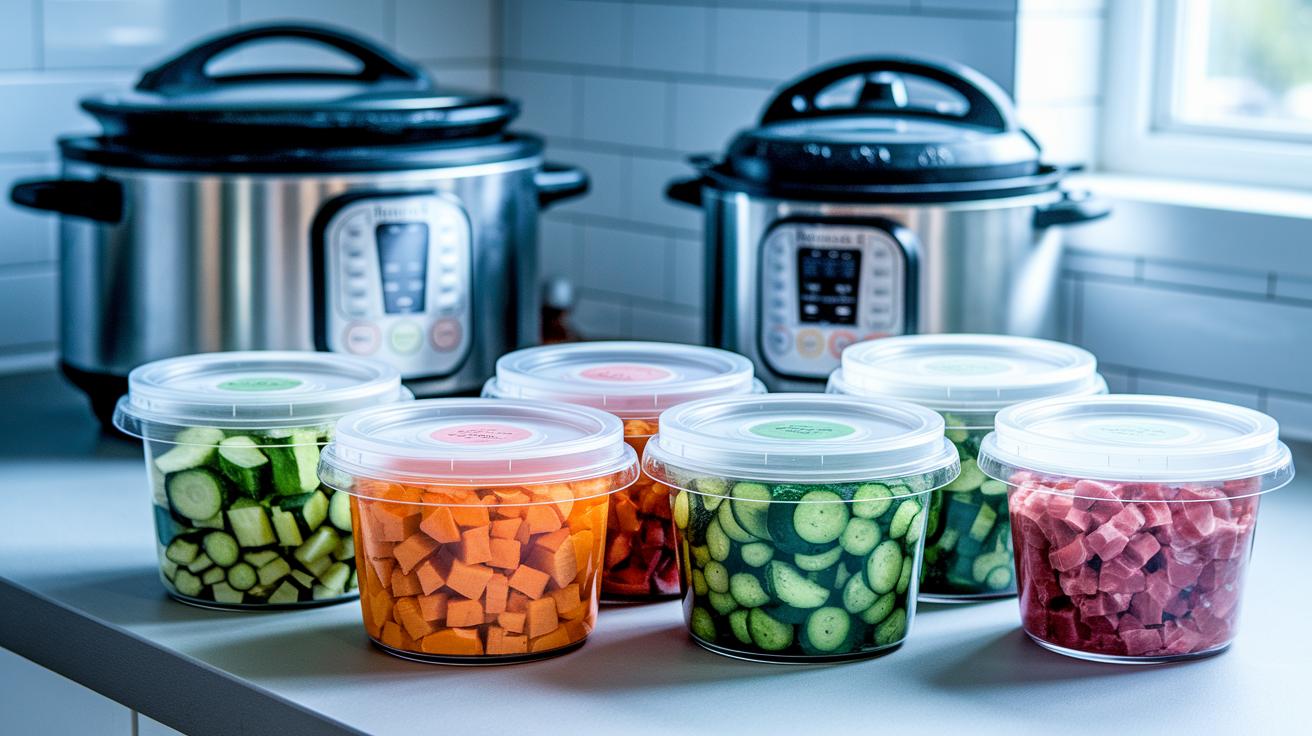
Plan to spend 1 to 2 hours on a weekend for meal prep. Use this time to chop your vegetables, marinate your proteins, and cook grains ahead of time. For example, if you chop carrots, bell peppers, and onions in advance, making a stir-fry or a quick salad gets much easier.
Try using a slow cooker or an Instant Pot during your meal prep sessions. These tools let you start a soup, stew, or whole grain dish and then step away while it cooks. This simple trick frees up your evenings without sacrificing a healthy meal.
Organize your prepped items in clear, labeled containers so you can quickly find what you need without rummaging through your fridge or pantry. And to make cleanup even simpler, choose recipes that use just one pot or a sheet-pan design.
- Spend 1-2 hours on a weekend for chopping, marinating, and batch cooking.
- Use a slow cooker or Instant Pot for cooking that doesn’t need constant attention.
- Label and store your prepped ingredients in clear containers.
- Choose one-pot or sheet-pan recipes to cut down on cleanup time.
These easy prep tips help reduce weekday stress, simplify meal planning, and free up extra time for family and other activities.
Customizing Meal Plans for Special Diets and Preferences
Plan your week based on your diet needs and workout goals. You can easily change recipes to suit vegetarian, vegan, gluten-free, or high-protein diets while keeping your meals fun and full of flavor. Try planning recipes by season or using a theme like Mediterranean or Paleo to mix up your nutrient sources throughout the week.
Begin by thinking about what you want to achieve. Do you need more muscle or want to lose a few pounds? Change your portion sizes and balance your proteins, fats, and carbs (energy sources) to fit your calorie needs. For example, add more beans or tofu to boost protein in a vegetarian dish, or swap wheat pasta for rice noodles if you avoid gluten.
Try these steps to customize your meal plan:
- Look at your dietary needs: Decide if you prefer plant-based meals or need to avoid common allergens.
- Adjust portion sizes: Increase lean proteins and whole grains if you’re focusing on building muscle.
- Change recipes with the seasons: Use fresh, local produce to keep your meals interesting and packed with nutrients.
- Explore themed menus: Try collections like a Thanksgiving menu or a Taste of Europe guide for new ideas.
- Use allergy-safe swaps: Replace dairy with coconut or almond alternatives when needed.
Making small changes, like choosing a dairy-free cheese substitute, can really brighten up your meal plan. Experiment over a few weeks until you find a balanced routine that fits your life and makes mealtime enjoyable and smart.
Final Words
In the action of planning your week, follow a clear, step-by-step dining planning routine. From checking your schedule and pantry to finalizing grocery lists, each step helps create a balanced, budget-friendly plan. Using how to meal plan tips, save time and money while enjoying nutritious, diverse meals. Small adjustments pave the way for lasting change. Take your time and adjust as needed for your life. Keep moving forward with each small step, and progress is just around the corner.
FAQ
How to meal plan for a week?
Meal planning for a week means choosing recipes in advance, checking your calendar, and listing ingredients. This approach reduces daily decisions, saves time, money, and helps lower waste.
How to meal plan for weight loss?
Meal planning for weight loss means selecting lower-calorie, nutrient-dense meals that include lean proteins, vegetables, and whole grains. This helps control portions and support your health goals.
How to meal plan for a family?
Meal planning for a family involves selecting recipes that cater to different tastes while keeping meals balanced. It starts with assessing your schedule, checking existing supplies, and planning in advance.
How to meal plan for muscle gain?
Meal planning for muscle gain means designing meals rich in protein along with healthy carbs and fats. This method ensures steady protein intake across meals, which supports muscle growth and recovery.
How to create a 7-day meal plan?
Creating a 7-day meal plan involves mapping out each day’s breakfast, lunch, dinner, and snacks. A clear weekly schedule helps maintain balanced nutrition and reduces last-minute cooking stress.
How to create a meal plan for weight loss?
A meal plan for weight loss means choosing recipes that control calories while boosting nutrition. By planning ahead, you can maintain portion control and stay aligned with your weight management goals.
How to meal plan for one person?
Meal planning for one person involves tailoring portions to your needs and reducing waste. Scale recipes down, use leftovers creatively, and plan a variety of meals to keep it interesting.
How to meal plan on a budget?
Planning meals on a budget means focusing on affordable ingredients like beans, rice, and seasonal produce. A detailed grocery list and everyday accessible recipes help lower costs while keeping meals nutritious.
What is the 5 4 3 2 1 rule for groceries?
The 5 4 3 2 1 rule for groceries organizes your shopping by suggesting five fruits, four vegetables, three proteins, two dairy items, and one whole grain each day to balance nutrition.
What is the 3-3-3 rule for eating?
The 3-3-3 rule for eating means dividing your meal into three parts: lean protein, healthy carbohydrates, and vegetables. This simple guide helps ensure your plate is balanced and varied.
What are the 5 rules in planning meals?
The 5 rules in planning meals include building balanced plates with lean protein, vegetables, whole grains, fruits, and dairy while considering portion sizes and personal goals for consistent nutrition.
How do I design my meal plan?
Designing your meal plan means assessing your weekly needs, choosing recipes, and organizing a detailed grocery list. A step-by-step guide like this helps streamline preparation and ensures balanced meals.