
Have you ever thought that changing what you eat might change your life? A whole foods plant-based diet could be your next simple step. Instead of processed foods and meat, try fresh fruits, veggies, whole grains, and nuts. Picture swapping your usual meal for a crisp salad that not only tastes great but also gives your body the energy it needs. Small changes like these can add up, helping you feel more energetic and stay healthier every day.
Whole Foods Plant-Based Diet: Crisp and Healthful Living
This eating plan swaps out heavily processed and animal-based foods for a burst of natural, nutrient-filled choices. Instead of a typical American menu loaded with meat, dairy, refined grains, and added sugars, you fill your plate with unrefined plant foods. Picture a diet built on fruits, vegetables, whole grains, legumes, nuts, and seeds. Every bite gives you fiber that helps balance your energy and boosts your overall health. For example, try enjoying a handful of almonds and berries instead of a sugary snack, small changes make a big difference. And remember to keep an eye on portion sizes, especially with calorie-rich foods like nuts, seeds, and avocados.
This approach focuses on using whole, single-ingredient foods rather than items with long lists of additives. Foods like refined oils, white flour, sugary drinks, and fast-food items such as fries and chicken nuggets are left behind. Instead, your meals center on ingredients that offer antioxidants, essential vitamins, and minerals, without unnecessary processing. Research from trusted sources like the Harvard School of Public Health highlights these benefits. By choosing this way of eating, you create meals that nourish both your body and your taste buds, support steady energy throughout the day, and may help lower the risk of chronic illnesses over time.
Essential Foods to Embrace on a Plant-Powered Diet
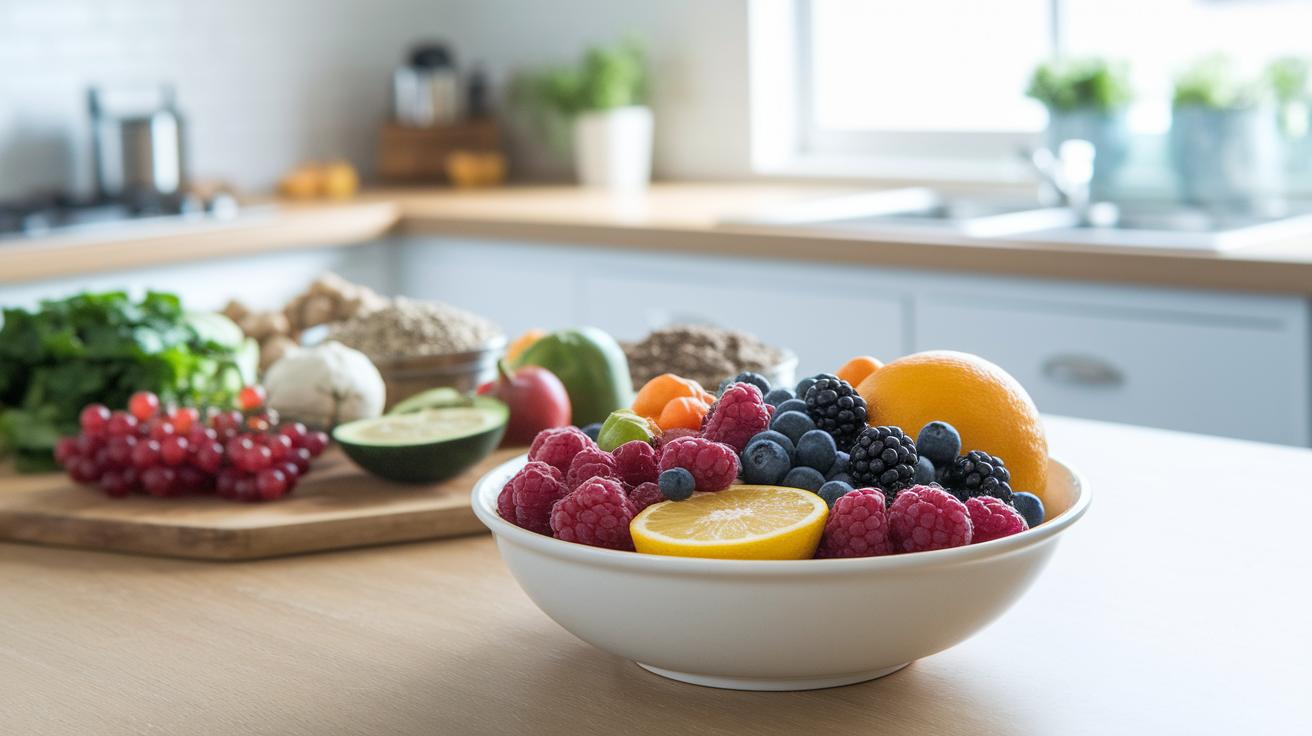
Fill your plate with a variety of colorful fruits and veggies to energize your body and please your taste buds. Every food group brings its own mix of vitamins, minerals, and antioxidants to help you feel your best. For instance, try a bowl of mixed berries in the morning to add both flavor and nutrition to your day.
- Fruits: berries, citrus fruits, pears, peaches, pineapple, bananas
- Vegetables: kale, spinach, broccoli, bell peppers, sweet potatoes
- Whole Grains: brown rice, steel-cut oats, quinoa, barley
- Legumes: black beans, lentils, chickpeas, kidney beans
- Nuts & Seeds: almonds, walnuts, chia seeds, flaxseeds
- Herbs & Spices: turmeric, cinnamon, garlic, basil
These food groups are loaded with key nutrients. The colorful fruits and vegetables not only give you fiber for healthy digestion but also provide antioxidants that help protect your cells. Whole grains deliver complex carbohydrates (slow-release energy) to keep you energized all day. Legumes are a great source of plant protein and natural fiber. And, nuts, seeds, and spices add extra flavor and nutritional boost to your meals.
Use these simple, whole ingredients to plan a healthy shopping list and create meals that are both tasty and good for you.
Practical Guidelines for Transitioning and Daily Habits
Quick take: Turn each meal into a little victory by checking labels closely and choosing simple, whole foods. Start by reading the nutrition facts. Look for products with 5 or fewer ingredients, over 3 g (grams) of fiber per serving, less than 140 mg (milligrams) of sodium, and no extra sugars. For example, when picking a snack, a short glance at the package can show you if it contains only ingredients you recognize.
-
Build your meals around beans, whole grains, and veggies. Try cooking a big batch of beans or grains one or two times a week so that you always have healthy options ready. Imagine making a hearty lentil stew or a tasty quinoa salad that you can divide into several lunches.
-
Cut back on foods that are highly processed, like french fries, chicken nuggets, or sugary cereals. Instead, make simple versions at home so you know exactly what goes into them.
-
Keep an eye on your vitamin B12 intake because most plant foods don’t have enough. You might add fortified foods or take a B12 supplement (daily or weekly) to support your balanced, plant-focused eating plan.
-
Make planning your secret weapon. Write out a weekly menu and stick to a shopping list. This helps you avoid last-minute choices that might steer you away from whole, nutritious foods.
By taking these small steps every day, you set yourself on a steady path to healthier eating and lasting changes.
Sample Whole Foods Plant-Based Meal Plan
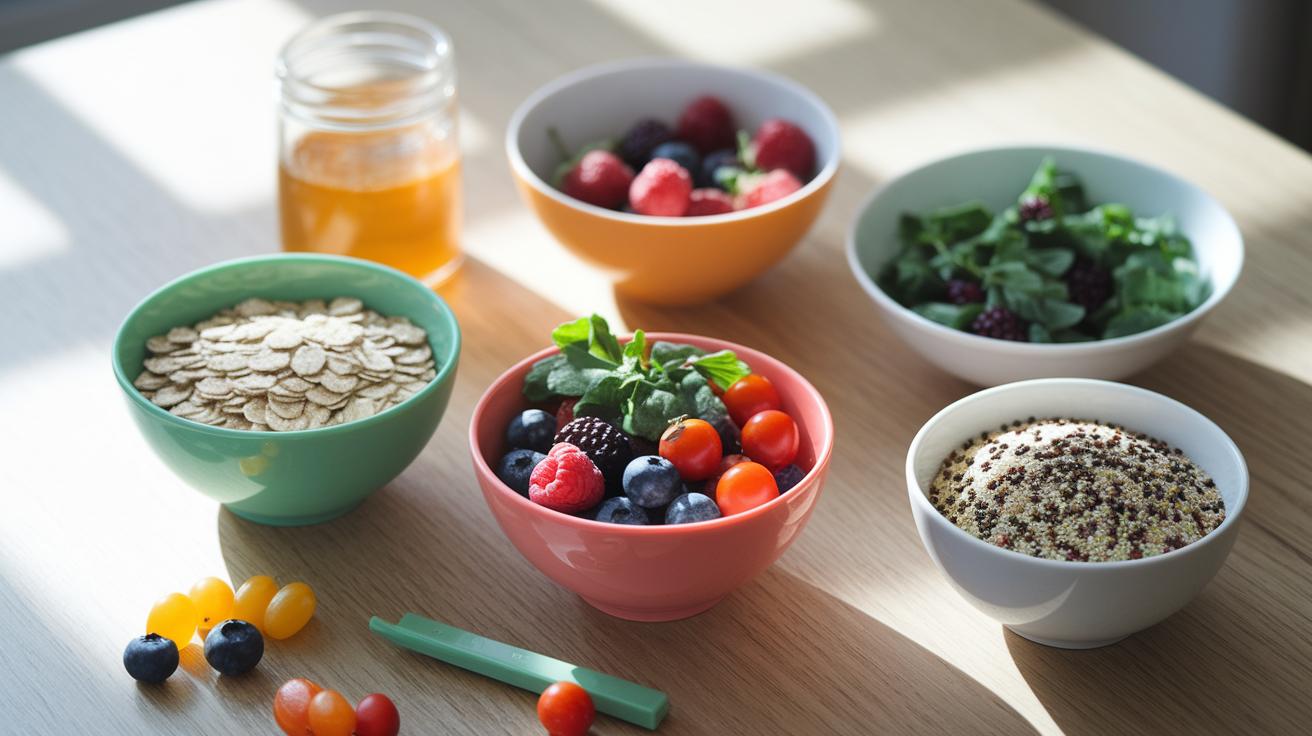
Quick take: This 3-day meal plan is here to kickstart your journey toward healthy, balanced eating. It's a simple guide with meals that are both tasty and packed with nutrients.
Start your morning with a hearty breakfast that pairs whole grains with fresh fruit. For example, enjoy steel-cut oats mixed with berries, a sprinkle of flax, and a dash of almond milk. This combo gives you fiber and antioxidants to energize your day.
For lunch, opt for meals filled with plant proteins and colorful vegetables. Try a chickpea-quinoa salad tossed with kale and cherry tomatoes to get a boost of protein, iron, and vitamin C. It’s a light yet satisfying option.
Dinner can be a fun mix of flavors with a vegetable-rich stir-fry. Consider tofu stir-fried with broccoli, bell peppers, and brown rice. This meal offers a mix of protein, calcium, and B-vitamins to help you end the day strong.
Snacks are simple but smart choices. A few apple slices paired with almond butter offer fiber and healthy fats, keeping you full between meals.
Use this meal plan as a flexible guide. Swap in your favorite nutrient-dense ingredients to keep your meals exciting while staying energized all day long.
| Meal | Example Option | Key Nutrients |
|---|---|---|
| Breakfast | Steel-cut oats with berries, flax, almond milk | Fiber, antioxidants, omega-3 |
| Lunch | Chickpea-quinoa salad with kale, cherry tomatoes | Protein, iron, vitamin C |
| Dinner | Stir-fry tofu with broccoli, bell peppers, brown rice | Protein, calcium, B-vitamins |
| Snack | Apple slices with almond butter | Fiber, healthy fats |
Health Benefits Backed by Science in a Whole Foods Plant-Based Diet
Research shows that eating whole, plant-based foods adds natural flavor to your meals and helps keep you healthy over time. A large study of more than 169,000 people found that diets rich in unprocessed plants are linked to a lower chance of developing breast cancer. This may be because fruits, vegetables, whole grains, legumes, and nuts pack a good dose of fiber and antioxidants that help lower cancer risk.
Other research suggests that a diet filled with a variety of colorful fruits and vegetables might slow memory loss and reduce the risk of Alzheimer’s as you age. These natural foods give your brain the nutrients it needs to keep working well.
Switching away from processed, high-fat animal foods and choosing whole plants can also help ease the effects of type 2 diabetes and support weight loss. Whole plant foods are low in sodium and cholesterol and are rich in helpful natural chemicals (phytonutrients) that may lower the risk of heart disease and chronic inflammation.
In short, focusing on natural, minimally processed plants in your meals can help prevent disease, boost brain health, and keep your weight in check, all key steps toward a vibrant and long-lasting life.
Smart Shopping and Meal Prep Strategies for Whole Foods Success
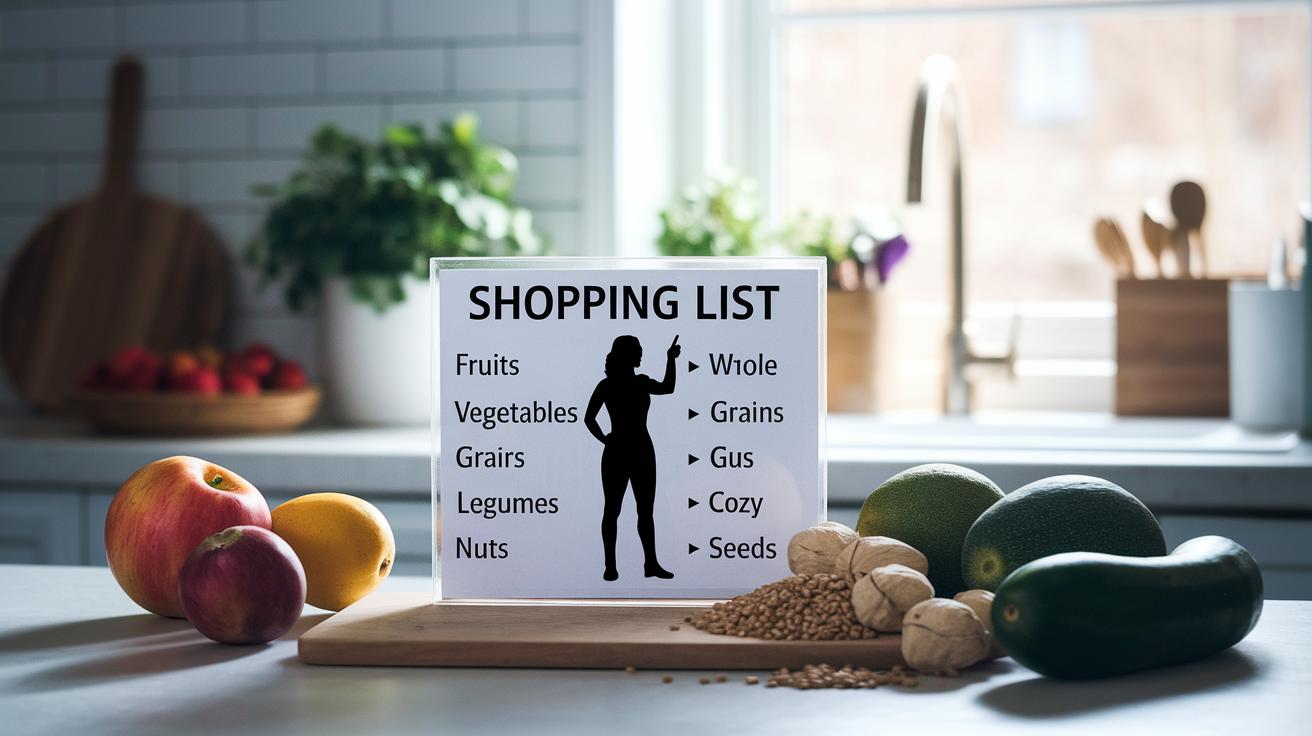
Start your week with a clear plan. Write your shopping list in simple sections like fruits, vegetables, whole grains, legumes, and nuts or seeds. This way, you can navigate the store with ease and stick to ingredients that help you make healthy meals. Picture yourself checking off each item as you shop, like following a friendly guide.
Here are some easy steps to get started:
- Divide your list into categories. Make one group for sweet fruits, another for filling vegetables, one for energy-boosting whole grains, a section for protein-packed legumes, and a group for healthy fats from nuts or seeds.
- Pick seasonal produce when you can. Seasonal fruits and vegetables often taste better and are full of nutrients, plus they can help you save a bit of money.
- Cook staples like beans and grains once or twice a week. This gives you a quick base for meals on busy days. You can also chop vegetables and portion snacks ahead of time to make mealtime easier.
- Store your prepped items in clear containers and label them with the date. This helps you keep track of freshness and reduces food waste.
Try these steps to save time, cut down on waste, and keep your meals nutrient-rich all week long.
Environmental and Ethical Impact of a Whole Foods Plant-Based Lifestyle
When you choose meals made from whole, plant-based foods, you can make a real difference. By focusing on single-ingredient, minimally processed items, you help save water, use less land, and cut down on greenhouse gas emissions. Think of it like swapping a beef dinner that takes lots of water to a fresh vegetable stir-fry, small changes really add up.
This choice not only supports our planet but also respects animal welfare and helps promote fair food access around the world. Many people feel uplifted knowing that every bite they take supports both environmental care and animal well-being. Plant-focused meals generally use fewer resources and less energy than meat-heavy options.
By opting for natural, straightforward ingredients, you encourage an eco-friendly way of eating and embrace ethical habits. Picture a world where every meal you prepare helps create a greener, kinder future. Even small, steady changes in your diet can build toward a sustainable lifestyle that benefits communities and the entire planet.
Final Words
In the action, this article offered practical steps for shifting from a standard American diet to a whole foods plant-based diet. We broke down key food groups, meal planning tips, and safe shopping strategies. You discovered how small changes in grocery lists and cooking routines can boost nutrition and support long-term well-being. Each step builds a healthier plate that benefits you and the environment. Keep going, and remember that every mindful bite counts.
FAQ
Q: Whole foods plant-based diet recipes?
A: The whole foods plant-based diet recipes focus on meals made from fresh fruits, vegetables, whole grains, legumes, and nuts with minimal processing, offering balanced, nutrient-rich options for every meal.
Q: Whole foods plant based diet plan?
A: The whole foods plant-based diet plan outlines daily food choices centered on unrefined fruits, veggies, grains, legumes, and seeds to replace more processed and animal-based foods in favor of whole nutrition.
Q: Whole foods plant based diet menu?
A: The whole foods plant-based diet menu provides a framework of meals that highlight unprocessed plant foods like fresh produce, whole grains, and legumes, helping you plan healthy, satisfying dishes.
Q: Whole foods plant based diet food list?
A: The whole foods plant-based diet food list includes fruits, non-starchy vegetables, whole grains, legumes, and nuts to guide you in selecting nutrient-dense, minimally processed foods for everyday meals.
Q: Whole foods plant based diet Reddit?
A: The whole foods plant-based diet Reddit community shares practical tips, recipes, meal plans, and personal experiences, offering support and resources for those transitioning to or maintaining this eating style.
Q: Whole food plant-based diet PDF?
A: The whole food plant-based diet PDF is typically a downloadable guide that details meal plans, shopping lists, and tips to help you understand and implement a plant-focused eating pattern with clear, structured advice.
Q: 30-day plant-based diet plan?
A: The 30-day plant-based diet plan outlines a structured schedule for incorporating whole, unprocessed plant foods into daily meals, providing recipes and tips to ease your transition and sustain healthy eating habits.
Q: What can you eat on a whole food plant-based diet?
A: The whole food plant-based diet includes a variety of fruits, vegetables, whole grains, legumes, nuts, and seeds, providing the essential vitamins, minerals, and fiber needed for balanced nutrition.
Q: What are the downsides of a whole food plant-based diet?
A: The downsides of a whole food plant-based diet may include limited convenience foods, the need for supplements like vitamin B12, and extra planning time, though these can be managed with careful preparation and education.
Q: What is the 3-3-3 rule for eating?
A: The 3-3-3 rule for eating means structuring meals to include three balanced components—typically portions of vegetables, whole grains, and protein-rich legumes—to support well-rounded, nutrient-dense meals.
Q: What exactly is a whole food plant-based diet?
A: The whole food plant-based diet emphasizes eating minimally processed plant foods, including fruits, vegetables, legumes, whole grains, nuts, and seeds, to replace animal products and refined foods for better overall health and sustainability.

