Have you ever wondered what’s really in your food? Many of us get more than half our calories from items that stray far from nature. Fresh fruits, vegetables, lean meats, and whole grains offer natural fiber, vitamins, and antioxidants that your body needs. In contrast, processed foods often pack in extra sugars, salt, and unhealthy fats.
This guide shows how sticking with nature’s ingredients can boost your energy and lower health risks. Choosing whole foods is a simple, cleaner way to nourish your body and feel your best.
Health Impact and Nutritional Comparison of Whole Foods vs Processed Foods
Whole foods are nature’s original ingredients, fresh fruits, crisp vegetables, lean meats, and hearty whole grains come almost untouched by industry. Processed foods cover a wide range, from simple items like pre-washed salad kits and canned beans to heavily modified products loaded with extra sugars, salts, unhealthy fats, and artificial chemicals. Even though frozen fruits and pre-cut veggies can keep most of their value, many processed choices trade off nutrition for longer shelf life and a sweeter taste.
Research tells us that more than half of the calories many Americans eat come from ultra-processed foods. These choices are linked to feeling less energetic, a higher risk of chronic illnesses, and overall shorter lifespans compared to diets rich in whole foods.
Key benefits of whole foods include:
- They pack natural fiber that helps digestion.
- They deliver essential vitamins and minerals from nature.
- Their antioxidants support your immune system.
- Fewer additives mean cleaner calories.
- They help keep energy levels steady throughout the day.
Risks of relying on processed foods include:
- Extra sugars can cause quick spikes in blood sugar.
- High levels of sodium may raise blood pressure.
- Unhealthy fats might trigger inflammation.
- Artificial ingredients can disrupt normal body processes.
- They often lack the rich, natural nutrients needed for long-term health.
In short, choosing whole foods is a smart way to feed your body. By turning to fresh, natural ingredients, you can boost your energy, support lasting health, and lower your risk for chronic diseases.
Nutrient Density: Whole Foods vs Processed Alternatives
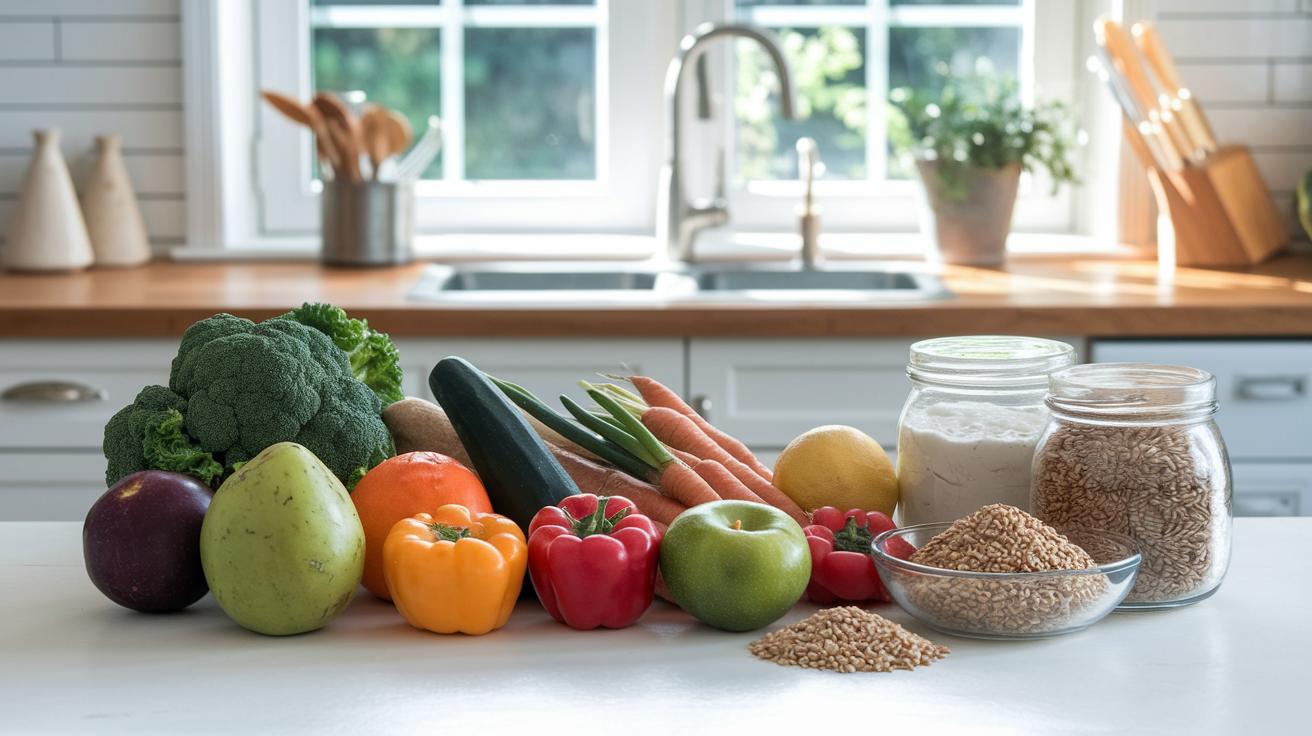
Whole foods bring you nature’s best gifts. They offer fiber, vitamins (like vitamin C from fruits), minerals, and antioxidants that your body can use right away. Eating these foods can boost your energy, strengthen your immune system, and support overall wellness.
On the other hand, processed foods often lose some key nutrients during production. They may also have extra sugars that add calories without much nutritional benefit. While basic methods like freezing or canning usually keep most nutrients intact, highly processed items tend to trim down those benefits.
| Nutrient | Whole Food Source | Processed Food Example |
|---|---|---|
| Fiber | Fresh apples, whole grains | Refined cereals |
| Vitamin C | Fresh oranges, strawberries | Canned fruit in syrup |
| Antioxidants | Blueberries, dark leafy greens | Processed fruit bars |
| Added Sugar | None in fresh produce | Organic snack with 9 g sugar (18% DV) |
When reading nutrition labels, check for products with fewer than five familiar ingredients. This is usually a good sign that the food is less processed and holds onto more of its natural goodness.
Weighing Pros and Cons of Whole Foods vs Processed Foods
Whole foods are packed with essential nutrients that may help lower your risk of chronic diseases. One study showed that adding one extra serving of fresh fruit each day reduced inflammation markers by almost 20%. Another investigation found that people who ate at least three servings of whole fruits daily gained much less weight over five years.
Minimally processed foods, like canned beans and pre-cooked grains, still keep many of their nutrients and make meals easier when fresh options aren’t available. Picture this: tossing pre-cooked quinoa into your salad on a busy evening can halve your meal prep time while still offering a nutritional boost. Recent research suggests these choices save time without sacrificing quality.
Ultra-processed foods, on the other hand, often hide extra sugars, high sodium, and chemicals that could increase your risk for metabolic issues. One study linked regular consumption of these items to a 15% higher chance of developing metabolic problems over time. Another survey even found that frequent eaters of ultra-processed products experienced faster weight gain compared to those who kept their intake low.
Scientific Evidence on Whole Foods for Chronic Disease Prevention
Research shows that eating more fruits, vegetables, and whole grains can lower your risk of chronic diseases. Fresh, unprocessed foods pack in fiber, vitamins, antioxidants, and minerals that help calm inflammation and fight oxidative stress. In contrast, foods that are highly processed with extra sugars, unhealthy fats, and preservatives tend to raise inflammation and contribute to insulin resistance (when your body has trouble using sugar properly).
For example, diets high in fiber may lower colon cancer risk by 15–30%. Regular consumption of whole grains can reduce heart disease risk by about 20%. Studies also point out that meals loaded with fruits and veggies help keep blood sugar levels steady, which might lower the risk of type 2 diabetes. These clear benefits show just how powerful natural, nutrient-packed foods can be for your overall health compared to processed choices.
Nutrition experts agree that focusing on whole foods is a smart way to prevent chronic disease. They recommend adding plenty of fresh produce, whole grains, lean proteins, and healthy fats to your meals. Even a few small changes toward eating more natural foods can help build long-term wellness.
Practical Strategies to Incorporate Whole Foods into Your Diet
Smart Grocery Shopping
When you go shopping, start along the store’s outer edges where you’ll find fresh fruits, vegetables, dairy, and meats. Pick foods with clear labels that list just a few natural ingredients. Instead of grabbing a snack full of additives, look for items with minimal processing. Take an extra minute to read labels, it can help you choose truly natural options.
Efficient Meal Prep
Set aside some time to prepare basic ingredients like whole grains, beans, and a mix of vegetables. You could cook a batch of quinoa or brown rice (a handy base for salads and bowls) during the weekend. When you’re busy, a quick 30-minute stir-fry or soup using these ingredients and fresh herbs will give you a satisfying and healthy meal.
Budget-Friendly Whole Food Choices
Look for seasonal produce for the best taste and price. If fresh options aren’t available, frozen fruits and vegetables or canned beans with few ingredients can work well. Freezing extra fruits and veggies or choosing low-ingredient canned beans keeps your meals nutritious and your budget in check. Each tip here helps you make whole, unrefined foods a main part of your everyday eating.
Label Reading Tips to Differentiate Processed vs Whole Foods
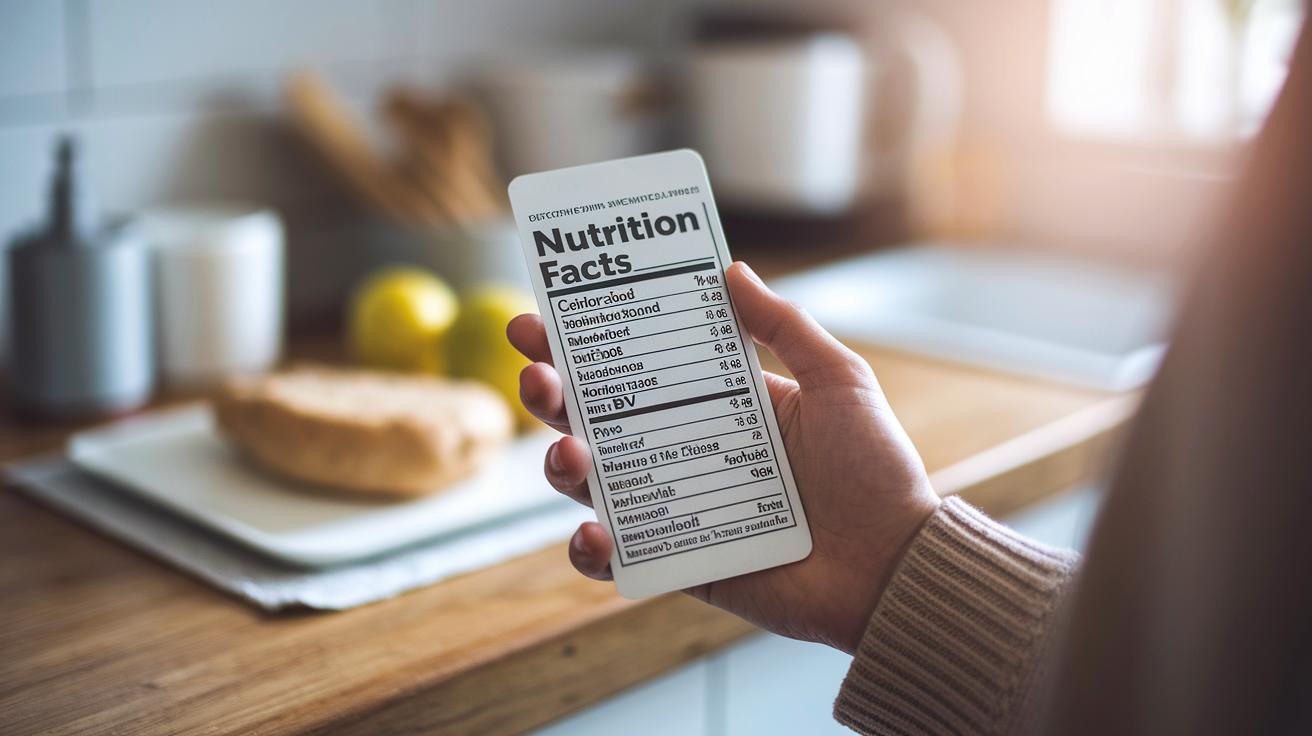
When you check a food label, start with the nutrition facts box. Look at the serving size, calorie count, and macronutrients like protein, carbs, and fats. Also, note the percent daily values (%DV) for added sugars, sodium, and fats. These numbers help you see if the food has extra ingredients that do little for your health. For instance, if one serving of a snack shows a high %DV for sodium, it might mean the food is highly processed.
Next, read the ingredient list carefully. Simple, familiar words usually mean the food is closer to its natural form. If you see long, hard-to-pronounce names, preservatives, or artificial flavors, it may signal that the food is ultra-processed. A good rule is to choose foods with fewer than five ingredients you recognize.
Think of canned beans as an example. Choose a can that lists only water and salt rather than one with many added flavorings and additives. This small step can help guide you toward foods that are more natural and less processed.
Final Words
In the action, you explored how whole foods vs processed foods impact your health. You learned practical strategies for shopping, cooking, and reading labels. This post compared the natural benefits of whole foods with the risks of heavily processed options and backed claims with solid science. Small changes each day can lead to lasting improvements. Keep using these insights in your daily routines and feel confident that every step counts towards better wellbeing.
FAQ
What does a whole foods vs processed foods chart show?
A whole foods vs processed foods chart shows how natural, minimally processed ingredients compare to industrially altered foods, highlighting differences in fiber, vitamins, and additives to help you make informed dietary choices.
How do whole foods compare to unprocessed and ultra processed foods?
Whole foods typically offer higher nutrient density, natural fiber, and antioxidants, while unprocessed and ultra processed foods often include added sugars, preservatives, or chemicals that lower their nutritional value.
What are the pros and cons of whole foods vs processed foods?
The pros of whole foods include richer nutrients, natural ingredients, and lower added chemicals. In contrast, processed foods deliver convenience and longer shelf life but may contribute to increased health risks over time.
Why are whole foods considered better than processed foods?
Whole foods are considered better because they retain their natural nutrients and fiber, support overall health, and help reduce chronic disease risk, whereas processed foods are often high in additives and empty calories.
What does whole food eating for beginners involve?
Whole food eating for beginners involves focusing on fresh produce, lean proteins, whole grains, and simple ingredients to build balanced meals that favor nutrient density over heavily processed options.
Is Whole Foods healthier than Trader Joe’s?
Opinions vary since Whole Foods emphasizes organic and minimally processed items, while Trader Joe’s offers quality foods at lower prices, so your choice depends on budget and personal health preferences.
What are the five most processed foods to avoid?
The five most processed foods to avoid often include sugary snacks, refined grains, packaged baked goods, instant noodles, and processed meats, as they tend to be high in additives and have low nutritional benefits.
Why are some people boycotting Whole Foods?
Some people boycott Whole Foods due to issues such as higher prices, corporate decisions, or ethical concerns rather than the nutritional quality of the products offered.
What is the 3-3-3 rule for eating?
The 3-3-3 rule for eating suggests including three servings of vegetables, three servings of fruits, and three servings of whole grains daily to promote a balanced diet full of essential nutrients.