
Did you know that tiny changes in your daily routine might help lower your risk of diabetes? With close to 38 million Americans living with the condition, every healthy choice counts. Even small shifts like quitting smoking or choosing water over sugary drinks can help your body process sugar more efficiently. A short, brisk 30-minute walk or a little tweak in what you eat might reduce your chance of developing type 2 diabetes. In this post, we'll share simple, practical tips to help balance your blood sugar and boost your overall health.
diabetes risk reduction: Boost Your Health Now
Lowering your risk of type 2 diabetes is all about choosing healthier habits each day. In the United States, around 38 million people have diabetes and 88 million have blood sugar levels that are higher than normal but not yet diabetic. Changing what you do every day, like quitting smoking, eating better, and moving more, can help keep your blood sugar in a safer range.
Quitting smoking is one of the most important changes you can make. Smokers face a 30–40% higher chance of developing type 2 diabetes. By stopping smoking, you not only help your lungs recover but also give your body a better chance to handle sugar properly. Even small swaps, such as choosing water instead of a sugary drink, add up quickly.
Managing your weight can also make a big difference. Research shows that losing just 5–10% of your body weight can improve how your body uses insulin (the hormone that helps control blood sugar). A simple plan might include a brisk 30-minute walk or a bike ride several times a week combined with meals that emphasize whole foods over sugary snacks.
Increasing your daily activity and tackling habits like smoking build a strong base for better health. By adding a bit of exercise and focusing on small weight-loss goals, you balance the energy coming in with the energy you use. Remember, even tiny steps today can lead to a healthier tomorrow.
Dietary Strategies for Diabetes Risk Reduction and Blood Sugar Control

Quick take: A diet loaded with fruits, vegetables, and fiber can help keep your blood sugar steady and lower your diabetes risk. Try to enjoy at least five servings of fruits and veggies every day. Fun fact: apples, blueberries, and grapes not only taste great but are also linked to lower rates of type 2 diabetes.
Whole fruits work well because their natural fibers slow the sugar absorption, which helps keep your blood sugar levels steady after meals. Build your meals around fiber-rich choices like raw vegetables, whole fruits, whole grains, and legumes.
Here are some simple meal ideas:
- Choose low glycemic foods such as lentils, chickpeas, and non-starchy vegetables to prevent quick blood sugar spikes.
- Replace refined grains with fiber-packed options like brown rice (or quinoa).
- Enjoy a colorful salad with spinach, bell peppers, cucumbers, and tomatoes, paired with lean protein.
- Snack on raw veggies with a bean dip, or grab a piece of fruit to maintain even energy.
- Experiment with plant-based meals that focus on whole ingredients to support better insulin sensitivity.
A helpful tip: Swap processed snacks for a handful of fresh berries or an apple with a bit of peanut butter for a satisfying, blood sugar-friendly treat.
By choosing whole, low-glycemic foods and increasing your fiber, you’re taking practical steps toward better blood sugar control and reducing your diabetes risk.
Exercise Routines to Mitigate Glucose Spikes and Enhance Diabetes Risk Reduction
Quick take: A blend of moderate cardio and strength exercises can help smooth out blood sugar spikes and improve how your body handles insulin. Aim for 150 minutes per week of gentle exercise like brisk walking (about 3 mph or 5 km/h) or biking.
Cardio gets your heart pumping and helps your body use sugar more smoothly. Even short bursts of activity throughout the day can make a difference. Think of it like refilling a gas tank bit by bit on a long drive, small efforts really add up.
Strength training works by helping your muscles take in sugar more effectively. Simple routines such as push-ups, squats, lunges, or even a few flights of stairs at home do the trick. For example, try a 10-minute circuit at home like one friend did when they said, "I did a quick circuit and felt more energized afterward."
Here’s one way to get started:
| What to Do | How Often |
|---|---|
| Moderate cardio (brisk walking, cycling) | 150 minutes per week |
| Resistance exercises (bodyweight moves) | 2 sessions per week |
| Simple home activities (stair climbing, circuits) | As part of your routine |
By mixing these types of exercise, you can support steady blood sugar levels and even help with weight management. Start small and build on your routine, you might be surprised at how everyday movements add up to a healthier you!
Weight Management and Portion Control for Diabetes Risk Reduction
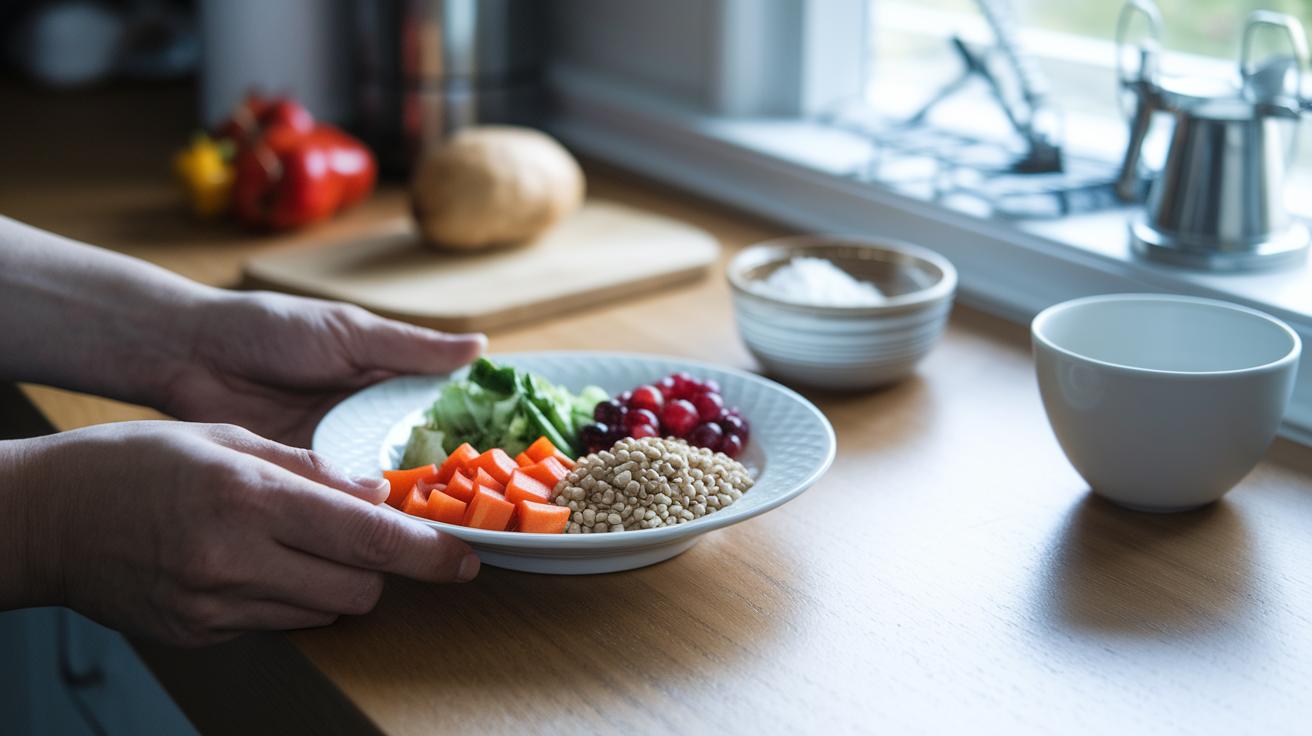
Start here: Losing 5–10% of your body weight can give your body a boost in using insulin better. When you lose weight steadily, your blood sugar levels may become easier to manage.
Watch your portions. Try using smaller plates or measure your food before you serve it. For example, instead of a big bowl of rice, scoop out a serving and add a generous helping of steamed veggies. This small change naturally cuts calories and can help keep your blood sugar steady.
Make smart food swaps, too. Replace high-sugar foods with ones that have a lower glycemic index. Instead of white bread, choose whole grain options that release energy slowly and smoothly. You might also swap regular fries for sweet potatoes, which can be friendlier on your blood sugar.
Practice eating mindfully. Slow down and listen to your hunger signals so you stop when you’re satisfied, not stuffed. (Learn more about mindful eating habits at https://bezenn.com?p=682.)
Combine these steps, steady weight loss, careful portion control, and thoughtful food choices, to create a simple plan that supports stable blood sugar and reduces your diabetes risk.
Monitoring, Sleep Quality, and Stress Management for Diabetes Risk Reduction
Quick take: Checking your numbers daily, getting enough sleep, and managing stress are key steps to keeping your blood sugar in check. Monitoring your A1C levels, blood pressure, and cholesterol, the ABCs, helps you spot early signs of trouble and make small but important changes.
Keeping track of these readings isn't just for the doctor’s office. Use daily checks or occasional reviews to listen to your body’s signals. This simple habit lets you catch early glitches, so you can change your routine before problems grow.
Good sleep is a must. When you rest well, for about 7–9 hours each night, your body recovers and works better with insulin sensitivity (how well your body uses blood sugar). Plus, proper rest helps balance those stress hormones that can make managing blood sugar more difficult.
Managing stress can also lower harmful hormones. Try a short five-minute breathing exercise in a quiet spot or use strategies you find calming. These small steps can directly help steady your blood sugar throughout the day.
Also, don’t forget to drink water regularly. Hydration helps your body move glucose smoothly and keeps blood sugar levels more steady. Adding these easy changes into your routine is a practical way to reduce your risk of diabetes.
Natural Supplements, Herbs, and Whole Foods for Insulin Resistance Prevention and Diabetes Risk Reduction
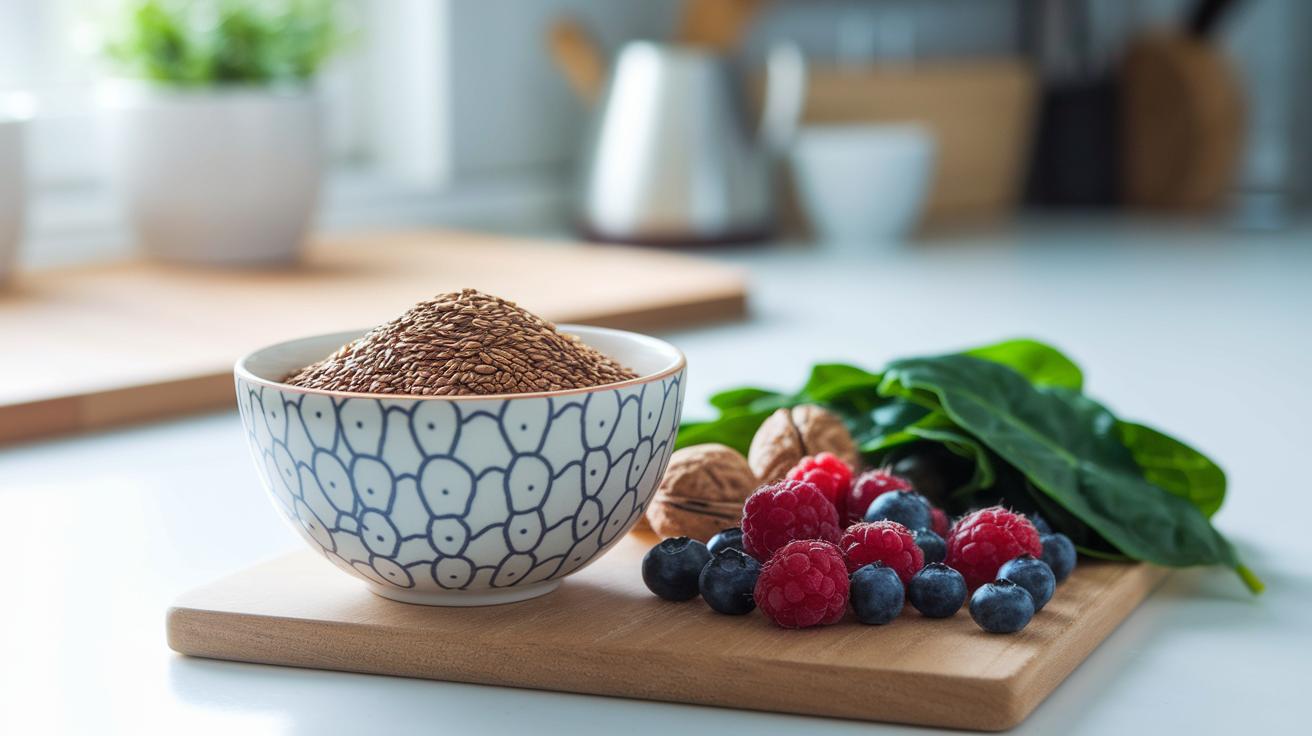
Quick take: Mixing natural supplements with whole foods can help your body use insulin better and keep blood sugar levels steady. Try adding omega-3 sources like flaxseed or walnuts to your meals. For instance, sprinkle a little ground flaxseed on your yogurt, or toss walnuts into your salad. One person shared, "I stirred a tablespoon of flaxseed into my morning oatmeal and felt more balanced all day."
Fruits and vegetables that are full of antioxidants, like berries and spinach, can ease oxidative stress. Oxidative stress is linked to blood sugar swings. Plus, natural extracts such as cinnamon and berberine (a compound found in some plants) have been noted in small studies to lower fasting blood sugar, giving you another tool for steady glucose levels.
Here are a few easy ideas to get started:
- Sprinkle cinnamon on oatmeal or into your coffee.
- Enjoy a small handful of walnuts as a snack.
- Blend antioxidant-rich berries or a handful of spinach into your smoothie.
These simple tweaks, along with regular exercise and a balanced diet, can help boost insulin sensitivity and reduce your risk of diabetes.
Building a Personalized Diabetes Risk Reduction Plan: Tools and Resources
Quick take: Make a plan that fits your life to help keep your blood sugar steady. Begin by checking out free diabetes prevention classes at your local Carrollton clinic. Give them a call at 770-812-5831 to find out more and sign up for sessions that offer clear, step-by-step guidance.
Try using mobile apps and wearable devices to keep an eye on your blood sugar levels in real time. These tools give you quick feedback and help you see patterns, so you can adjust your eating, exercise, or stress habits on the fly.
If you need extra help, consider getting advice from a health coach or a dietitian. One person noted, "Working with a coach made my healthy changes simpler and kept me motivated." This kind of support can really boost your confidence and help you stick to your plan.
Lastly, reach out to your community. Joining local groups or online forums with others who have similar goals can provide daily inspiration, accountability, and practical tips to keep you moving forward.
Final Words
In the action, we explored small daily changes that boost overall well-being. We covered balanced meal plans, fun exercise ideas, mindful portion control, and sleep plus stress checks, all steps that work together for diabetes risk reduction.
Adopting these habits can help stabilize blood sugar while supporting sustainable health. Each step is a simple move toward feeling better every day. Stick with these evidence-backed tips, and enjoy the positive changes ahead.
FAQ
6 foods that prevent diabetes
The six foods that help lower blood sugar risk include leafy greens, whole fruits, whole grains, lean proteins, legumes, and nuts for fiber and nutrient benefits.
How can I prevent diabetes naturally?
Preventing diabetes naturally means balancing your meals with whole foods, staying active, managing weight, and reducing stress to support steady blood sugar levels.
How to stop diabetes before it starts?
Stopping diabetes before it develops involves early lifestyle changes like a high-fiber diet, regular exercise, and consistent health checkups to catch signs in time.
How to reduce diabetes instantly?
Reducing diabetes effects quickly means opting for small, balanced meals, short walks after eating, and staying hydrated to keep blood sugar spikes to a minimum.
How to prevent diabetes type 1?
Type 1 diabetes is an autoimmune condition that cannot be prevented through lifestyle changes, unlike type 2 diabetes which benefits from diet and exercise.
What foods prevent diabetes immediately?
Foods that help manage blood sugar on the spot include low-glycemic options like non-starchy vegetables, legumes, whole fruits, and fiber-rich grains that slow sugar absorption.
How to prevent diabetes with family history?
Prevention with a family history involves a nutrient-rich diet, regular exercise, weight control, and monitoring blood sugar to catch any early signs of changes.
What is a Type 2 diabetes prevention diet?
A Type 2 diabetes prevention diet focuses on whole, unprocessed foods, high fiber from fruits, vegetables, and whole grains, and minimal added sugars to boost insulin sensitivity.
What reduces the risk of diabetes?
Reducing diabetes risk includes small, steady weight loss, regular physical activity, quitting smoking, and eating more fiber-rich, low-sugar meals consistently.
What are 10 warning signs of diabetes?
Warning signs include increased thirst, frequent urination, unexplained weight loss, blurred vision, fatigue, slow-healing cuts, tingling in extremities, frequent infections, darkened skin patches, and mood changes.
Why shouldn’t diabetics drink cold water?
Drinking very cold water can slow digestion for some, so many prefer room-temperature liquids to avoid minor discomfort and promote steady nutrient absorption.
How to lower A1C naturally and quickly?
Lowering A1C naturally means pairing regular exercise with a balanced, low-sugar diet, stress reduction techniques, and gradual weight loss to support overall blood sugar control.