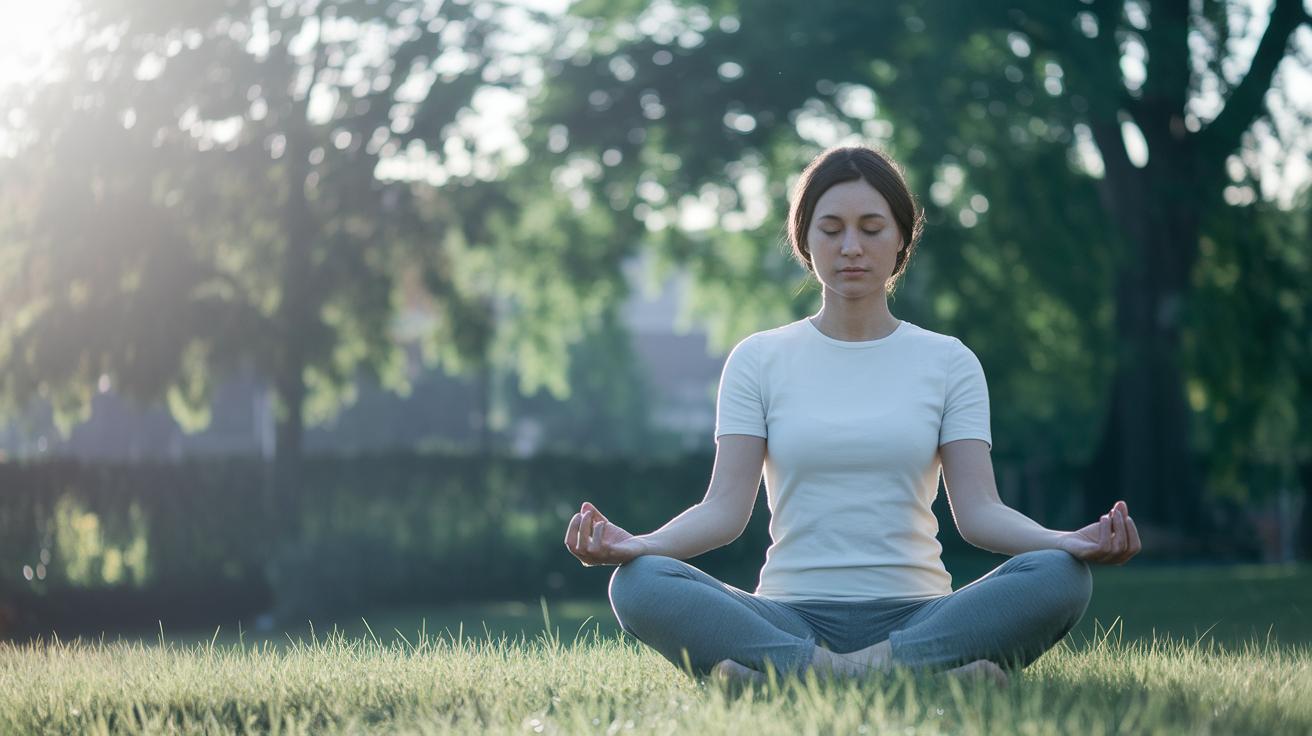
Feeling overwhelmed by daily pressures? Try a simple guided meditation to help calm your mind. Picture your thoughts gently floating by like leaves on a quiet stream as you take slow, deep breaths to ease tension. This approach shows you easy steps to focus your breath and clear your thoughts, turning stress into a moment of calm. Just a few minutes a day can create a little space for balance and help you feel more centered.
Guided Meditation for Stress Management: Sparks Inner Calm
Start by finding a comfortable seat or lie-down spot in a quiet place where you won't be disturbed. You can read this guide ahead of time or listen to an audio version, whatever feels right for you. This session is designed to help ease stress by bringing you into the present and giving you space to watch your thoughts without getting caught up in them.
Set aside a regular moment each day when you can relax without interruptions. Begin with short sessions of 2–5 minutes and gradually work up to 20 minutes or more. As you follow along, focus on taking slow, gentle breaths and notice how your chest and belly feel as you breathe in and out. Remember, thoughts are just passing events in your mind, like leaves floating by on a stream, they aren’t orders you have to follow.
This meditation uses mindful breathing to help ease anxiety and build a calm inner space. It not only helps reduce worries about the past or future but also creates a sense of balance inside. Think of these steps as a flexible blueprint: adjust the pace and focus as needed to build a personal space where you feel safe and calm.
- Sit or lay down comfortably in a quiet spot.
- Close your eyes and take a deep, slow exhale to help ground yourself.
- Take three slow, mindful breaths. Pay attention to the feel of the air as it moves in and out.
- Observe any thoughts that come up. Label them as temporary events in your mind without judging them.
- Picture a peaceful place in your mind and gently repeat a calming word like "peace."
- Slowly scan your body from your toes to your head, letting go of any tension you notice.
- If your mind starts to wander, gently return your focus to your breathing and the present moment.
- When you're ready, slowly open your eyes and carry this sense of calm with you through the day.
Benefits of Guided Meditation for Stress Management
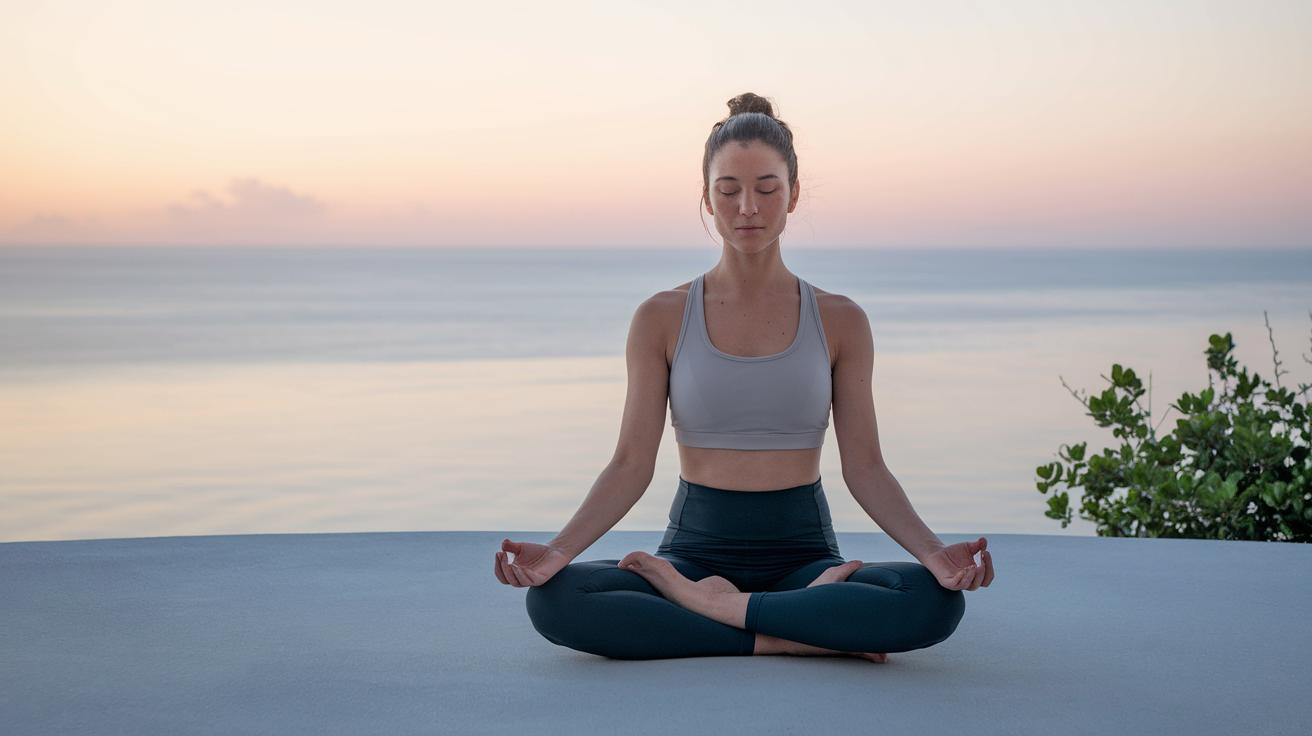
Guided meditation can be a simple way to calm your mind and break the cycle of worry. When you follow a guided session, you learn to focus on the here and now instead of replaying past regrets or fretting over what might happen next. Some research suggests that making guided meditation a daily habit can lower stress hormones (like cortisol) and help your heart adjust better to stress. This means not only less mental tension but also more emotional balance for a healthier life.
Just a few minutes of guided meditation each day can help you manage anxiety more effectively. It teaches you to watch your thoughts and feelings gently without getting overwhelmed by them. Over time, this mindful approach can bring a sense of inner peace and make everyday challenges feel a bit easier to handle.
Present-Moment Awareness
During guided meditation, focusing on your breath or body sensations helps you stay grounded in the present. As you notice each inhale and exhale, stressful thoughts start to fade, giving you a much-needed break from endless worry.
Acceptance Without Judgment
Guided meditation shows you how to observe your thoughts and feelings without trying to change them. This calm, non-judgmental way of being helps you let go of stress and build a steadier, clearer mindset.
Calming Meditation Techniques for Stress Management
Start with these three simple methods to quiet your mind. First, try mindfulness meditation. Focus on your breath or a simple point of focus. Imagine each breath as a gentle tide smoothing away little ripples of worry.
Next, try music meditation. Find a calm, instrumental track or soft ambient sounds. Sit quietly and let these sounds guide you into a peaceful state.
Then, try a body scan meditation. Slowly move your attention from your toes up to your head. As you breathe out, notice any tight spots and imagine them softening with each exhale.
Now, build on this calm with three more techniques. With mantra meditation, silently repeat a soothing word like “calm” to block distracting thoughts until your mind feels clear.
For walking meditation, take a quiet stroll and focus on each step. Feel your feet on the ground with every gentle stride, keeping you present in the moment.
Lastly, try loving-kindness meditation. Repeat simple phrases like, “May you be happy. May you be healthy. May you be at peace,” for yourself and those around you. This practice can help you feel warmer and more connected.
These techniques offer practical ways to ease stress and bring more peace to your everyday life.
Mindfulness Breathing Exercises for Stress Management
Discover a simple way to ease tension and refocus your mind using your own breath. These exercises pull you back to the present and help melt away anxious feelings. Think of it as a mini-break that you can take anytime to feel more relaxed and clear. Whether you're just starting with mindfulness or you already have some practice, try one or combine a few of these steps today. With a bit of practice, you'll build a real connection between your body and mind, making it easier to push worry aside and feel in control. Start small and steady, each mindful breath can turn a stressful moment into a chance for calm and self-care.
| Exercise | Steps | Stress Management Benefit |
|---|---|---|
| Mindfulness of Breath | Focus on your natural breathing. Notice how your chest rises and falls with each inhale and exhale. | Helps sharpen your focus and gently calms anxious thoughts. |
| 4-7-8 Breathing | Inhale for 4 seconds, hold your breath for 7 seconds, then exhale slowly for 8 seconds. | Soothes your nervous system and eases stress. |
| Box Breathing | Use equal counts: breathe in for 4 seconds, hold for 4 seconds, breathe out for 4 seconds, then hold again for 4 seconds. | Balances your emotions and brings mental clarity. |
| Diaphragmatic Breathing | Breathe deeply into your belly, letting it expand with each breath, instead of shallow chest breathing. | Improves oxygen flow and lifts physical stress. |
| Alternate Nostril Breathing | Close one nostril and breathe deeply through the other, then switch. Keep the pace steady. | Helps balance your brain and soothes anxious feelings. |
Designing Guided Meditation Sessions for Stress Management: Duration and Consistency
Start with sessions that respect your progress. Begin with 2 to 5 minutes and slowly work up to 20 to 30 minutes as you feel ready. Try small changes to match your energy or mood. For example: "I began with a 3-minute session on a busy day and gradually extended it when I was ready."
Frequency and Timing
Choose a regular time each day that feels right for you, whether it's in the morning or evening. Making it a habit adds a calming rhythm to your day. For example: "I set aside 7 minutes every morning to clear my mind before the day begins."
Practice Environment and Tools
Create a space that feels truly safe and relaxed, not just quiet. Pick a spot where you feel at ease and explore apps that offer different background sounds, like soft instrumental music or nature noises. This helps you match the ambiance to your mood and keeps you focused. For example: "I use an app that lets me switch between forest sounds and a gentle stream for the perfect atmosphere."
Scientific Evidence and Testimonials on Guided Meditation for Stress Management
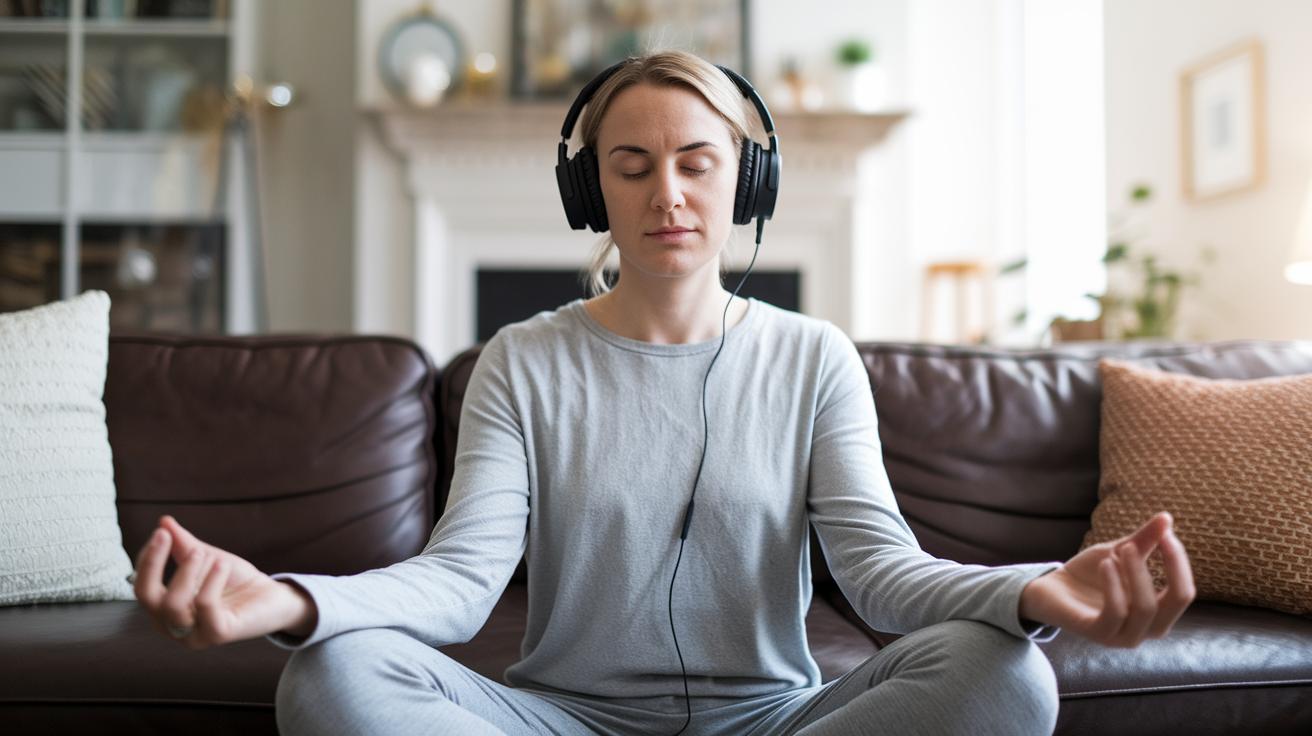
Studies show that guided meditation lowers stress hormones like cortisol, eases feelings of anxiety, and helps regulate your heartbeat. In one study, people who practiced guided meditation regularly for a few weeks saw lower stress hormone levels. For instance, in a trial with 50 participants, 4 out of 10 noticed a clearer focus after just 3 weeks of daily sessions.
Other benefits include sharper concentration, a more balanced mood, and relief from physical tension such as tight muscles and a quickened heartbeat. Even a quick session each day can help relax your body and calm your nervous system using easy-to-follow audio guidance.
Many users appreciate that guided meditation fits well into a busy schedule. They often report better ways to handle stressful moments and a sense of steadiness throughout the day. One practitioner shared, "A simple yet powerful tool that changed how I deal with daily pressures." This has encouraged many to add guided meditation to their self-care routines.
Final Words
In the action, you can start easing stress with a clear guided meditation for stress management routine.
You learned a step-by-step script and explored helpful techniques like mindfulness breathing and calm meditation methods.
A mix of short sessions and steady practice can help lower anxiety and boost focus.
Small daily changes add up to noticeable relief, as research and real experiences confirm.
Take a moment to try these simple steps today, you deserve a calm and balanced day ahead.
FAQ
Q: What is the best guided meditation for stress, anxiety, and overthinking?
A: The guided meditation for stress, anxiety, and overthinking offers calming instructions and mindful breathing techniques that ease tension and clear excess thoughts for a more relaxed state.
Q: How do 10- or 20-minute guided meditation sessions affect stress relief?
A: The 10- and 20-minute sessions promote deep relaxation and focus by providing a quick but effective method to lower stress and enhance mental clarity during busy days.
Q: What does a guided meditation for stress script involve?
A: The guided meditation for stress script provides clear, step-by-step instructions that encourage separating thoughts from reactions, helping you manage stress and achieve a more centered mind.
Q: What are the 5 R’s, 5 A’s, and 4 A’s of stress management?
A: The models—5 R’s (Recognize, Remove, Respond, Reflect, Reframe) and variations of A’s (such as Accept, Assess, Act, and sometimes Aspire)—outline simple steps to notice stress cues and manage responses effectively.