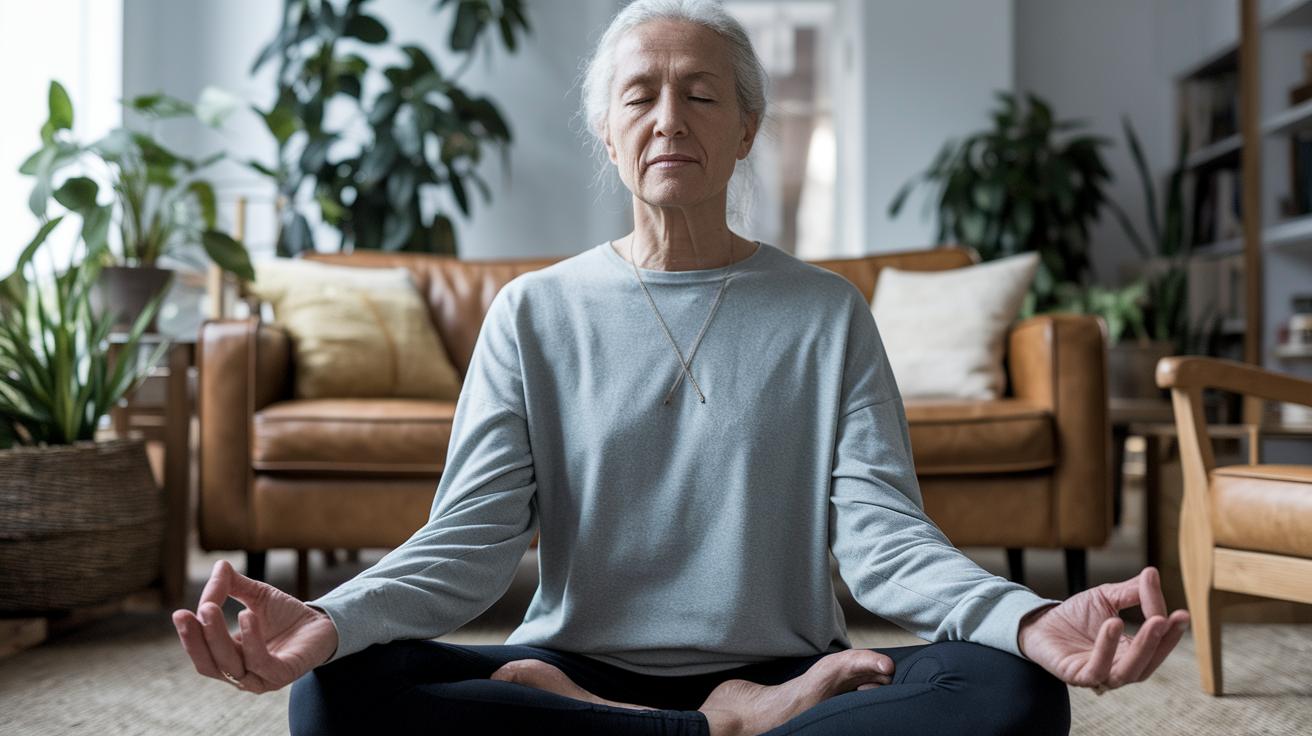
Feeling stressed and overwhelmed? When tension builds up, it can mess with your sleep, mood, and overall health. The good news is that a few small changes can help you feel more at ease.
Here are some simple, science-backed steps you can try today:
- Get moving. Even a 10-minute brisk walk (about 0.6 miles or 1 km) can help ease tension.
- Eat smart. Consider a Mediterranean-style diet rich in fruits, vegetables, lean proteins, and whole grains. This approach gives your body the nutrients it needs to fight stress.
- Practice mindfulness. Spend a few minutes a day focusing on your breathing or trying a short meditation to clear your mind.
Research suggests that adopting these habits can lower stress levels and improve your mood over time. Give one of these tips a try today and notice the difference. Ready to take a step toward feeling calmer?
Top Evidence-Based Chronic Stress Remedies
Living with constant stress can disrupt your sleep, mood, and overall health. Facing stress means using a mix of simple steps. Research shows that regular exercise, mindfulness, and a healthy lifestyle can help ease stress and clear up uncertainty. This mix works from several angles so you can regain control faster.
Stress doesn't come from just one source. For instance, poor sleep often comes along with high stress. Switching from sugary snacks to a Mediterranean-style diet helps nourish your body and steady your mood. Reducing screen time can also help clear your mind. These changes, when combined, build a strong defense against daily stress.
- Regular aerobic exercise
- Mediterranean-style eating
- Mindfulness meditation
- Prioritizing sleep
- Social media downtime
- Supportive relationships
Adding these habits to your daily routine may bring real relief. One study with college students found that just two days of aerobic exercise per week noticeably reduced stress and anxiety. Choosing nutrient-dense foods over sugary choices helped balance blood sugar and improve mood. Mindfulness and proper sleep work together to calm your thoughts, while taking a break from social media and spending time with loved ones adds extra comfort. These small steps, practiced regularly, can build lasting resilience against chronic stress.
Nutritional Chronic Stress Remedies: Anti-Inflammatory Diet and Mood-Boosting Foods

Eating well can really help manage stress, and research shows that the food you choose matters. Diets high in processed foods and extra sugars often make stress feel worse. On the other hand, foods full of vitamins and minerals help keep your hormones balanced and your brain working well. Simple nutrients like omega-3 fatty acids, magnesium, and B vitamins support a steadier mood and help your muscles relax after a long day.
One great example is the Mediterranean diet. This style focuses on whole grains, vegetables, lean proteins, and healthy fats. It is a helpful guide for keeping your stress hormones and cortisol levels in a good range. Also, drinking enough water throughout the day supports hormone regulation and can ease stress over time.
| Food | Key Nutrient | Stress-Relief Benefit |
|---|---|---|
| Salmon | Omega-3s | Helps balance mood |
| Spinach | Magnesium | Supports muscle relaxation |
| Berries | Antioxidants | Reduces inflammation |
| Almonds | Vitamin E | Aids in cortisol control |
| Water | Hydration | Helps maintain hormone balance |
A simple tip: plan your meals to include these ingredients. Try a spinach salad with salmon or enjoy a small bowl of berries and almonds for a snack. Making a weekly menu with these foods can help keep your blood sugar steady, reduce stress spikes, and boost your mood day by day.
Mindfulness and Relaxation Chronic Stress Remedies
Diaphragmatic Breathing
Sit comfortably and rest one hand on your chest and the other on your belly. Slowly breathe in through your nose so your belly rises while your chest stays quiet. Then gently exhale through your mouth and feel your belly lower. Do this for about 5 minutes every day to help ease stress and lower cortisol levels. For a detailed guide, you can check out "Deep Breathing Techniques" (https://bezenn.com?p=599).
Mindfulness Meditation
Find a quiet spot where you can sit for 10–15 minutes each morning. Focus on your breath and simply notice any thoughts that come up without holding on to them. This simple practice can help your brain learn to manage emotions better over time and reduce stress.
Gentle Yoga
Try easy yoga moves such as child’s pose and cat–cow a few times a week (about 2–3 sessions). These gentle stretches can help ease tension and lower stress hormones. When you feel stiff or overwhelmed, a short session of these poses can help clear your mind and refresh your body.
Guided Visualization
Before bedtime, take 5–10 minutes to picture a calm, peaceful scene like a quiet beach or a serene forest. Let your mind drift to this comforting image, which can help ease daily worries and prepare you for a restful night’s sleep.
Physical Activity Chronic Stress Remedies

Regular movement can really help manage stress. When you exercise, your body releases endorphins (feel-good chemicals) that lift your mood and ease pain. This simple action helps lower cortisol, the hormone linked with stress, and can even improve your sleep. Better sleep means more energy, making it easier to keep up an active routine and manage stress throughout your day.
Try to add workouts you enjoy, like brisk walking, cycling, resistance exercises, or stretching. Research shows that even two 30‑minute sessions of aerobic activity per week can help lower stress levels. Mixing up your workouts keeps things interesting and supports both your body and your mind. For more ideas, check out Exercise for Stress Management (https://bezenn.com?p=775).
Also, think about taking short breaks during your day. A quick 5‑ to 10‑minute pause to stretch, stand, or take a brief walk can clear your mind and boost your energy. Small breaks like these help break up long periods of sitting and keep stress from building up.
Herbal and Adaptogen Chronic Stress Remedies
Ashwagandha
Research shows that ashwagandha may help lower your stress hormone levels. In some trials, doses of 300–600 mg per day were linked to lower cortisol. Consider adding this herb to your routine, but make sure to check with your healthcare provider first.
Rhodiola Rosea
This herb is known for fighting fatigue and building resilience against stress. Studies suggest that taking 200–400 mg daily might boost your energy and help you handle tough days. It can be a natural pick-me-up when life feels demanding.
Chamomile Infusion
Chamomile tea is a gentle way to ease nervous tension. Clinical trials point to its mild calming effects. To prepare it, steep chamomile in hot water for 5–10 minutes and enjoy 1–2 cups a day. This little ritual may help bring a sense of calm to your day.
Lemon Balm
Some short-term studies hint that lemon balm could help reduce everyday anxiety. Brew it as a tea by steeping the leaves until you get a balanced flavor. Regularly enjoying lemon balm tea may help you feel more relaxed and support your stress management efforts.
Integrative Chronic Stress Remedies: Professional Support and Coping Strategies

When daily routines feel off, like constant tiredness, poor sleep, and challenges at work or home, it might be time to get some help. If everyday tasks seem heavier than usual, consider reaching out to a professional for guidance.
Try cognitive behavioral therapy (CBT) or reflective journaling. CBT helps you spot stress-inducing thoughts and teaches you to view situations in a calmer way. Keeping a journal lets you capture your thoughts and feelings, making it easier to understand what triggers your stress. Both methods work together to help you manage your emotions and develop healthier ways to cope.
Connecting with others can also make a big difference. Joining a support group or finding an online community lets you share your experiences and learn practical tips from people in similar situations. Regular check-ins with a mental health professional can add extra support and help you stay on track.
It’s important to review and adjust your stress-management plan as you go. Take time to rethink your routines, note your progress, and update your strategies so they always meet your needs.
Final Words
In the action of tackling daily stress, we've highlighted practical ways to benefit from exercise, mindful breathing, nutritious meals, and supportive interactions. Each section offered clear strategies, from aerobic workouts and mindful meditation to herbal remedies and professional support. These chronic stress remedies serve as incremental steps you can weave into your day. Small, steady changes can add up, giving you more balance and a brighter outlook. Keep exploring these tips and enjoy the progress made toward a calmer, healthier life.
FAQ
How to treat chronic stress and anxiety?
The treatment for chronic stress and anxiety involves combining practical habits like regular aerobic exercise, balanced eating, mindfulness meditation, and quality sleep to lower cortisol and support emotional regulation.
How to relieve stress for a woman quickly?
The method for relieving stress quickly for a woman includes simple steps such as deep breathing, a short walk, a nutrient-rich snack, and a brief pause from daily tasks to lower anxiety effectively.
How to relieve stress quickly?
Quick stress relief can be achieved by practicing belly breathing, taking a brief mindful break, or stepping away from triggers to interrupt negative thoughts and lower tension almost instantly.
How to deal with extreme stress and anxiety?
Extreme stress and anxiety are best managed by combining immediate techniques like controlled breathing and gentle stretching with long-term strategies such as regular exercise, social support, and professional guidance.
What are chronic stress symptoms?
Chronic stress symptoms include constant fatigue, muscle tension, irritability, sleep difficulties, and persistent anxiety, all of which signal the need for improved self-care routines and lifestyle adjustments.
How to treat chronic stress naturally?
Treating chronic stress naturally means embracing integrative strategies like regular exercise, a Mediterranean-style diet, mindfulness practices, and sufficient sleep to help lower stress hormones and boost mood.
How to reduce stress and anxiety immediately?
Immediate reduction of stress and anxiety can be achieved with techniques like diaphragmatic breathing, a brief mindfulness exercise, or a brisk 5-minute walk, all of which help reset your mindset quickly.
How to reset after chronic stress?
Resetting after chronic stress involves taking a recovery break to engage in calming activities such as meditation, a walk in nature, ensuring adequate sleep, and rebalancing your daily routine.
What is the 3 3 3 rule for stress?
The 3 3 3 rule for stress means taking three deep breaths, focusing on three objects around you, and listening for three distinct sounds—a quick technique to help shift your focus away from stress.