
Ever wonder if lifting heavy weights or doing lots of push-ups is best for you? Heavy lifts measure your peak power in a quick burst, like a fast sprint, while push-ups show how long your muscles can keep going, similar to a steady walk. Both help build a balanced workout routine and support different fitness goals. Understanding the difference might change the way you train today.
Understanding Muscular Strength vs. Muscular Endurance
Muscular strength is how hard a muscle or group of muscles can work in one go. You can check this by doing a one-rep test (1RM) with moves like bench presses or deadlifts. In simple terms, if you lift the heaviest weight you can just once, you are testing your strength.
On the other hand, muscular endurance is about how long your muscles can work through repeated actions. Instead of a one-time heavy lift, you measure it by counting how many times you can repeat the exercise at a set weight, often 15, 20, or more times. For instance, doing bodyweight push-ups until you feel tired is a way to check your endurance. Here, the focus is on keeping your muscles working steadily over time.
Strength workouts usually use heavier weights for fewer repetitions, around 3 to 5 reps per set. This style targets your fast-twitch muscle fibers (the ones that help produce quick, strong bursts). Endurance workouts, by contrast, use lighter weights with higher repetitions to help your muscles work longer. Both training types are important, and choosing the right one depends on your fitness goal.
Understanding the difference between these two helps you set up your workouts better. Think of strength as a one-time burst of power and endurance as keeping up a longer, steady effort.
Physiological Basis of Muscular Strength and Endurance
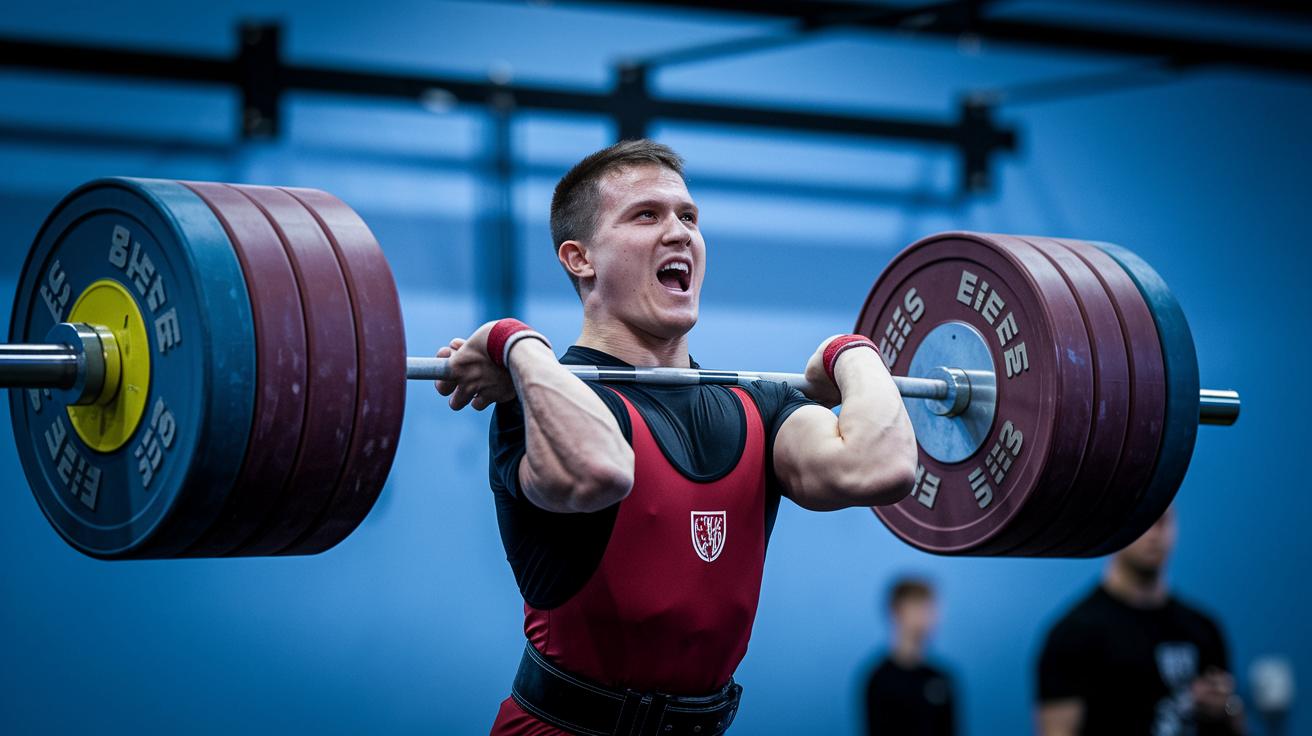
When you lift heavy weights for a quick burst of power, your body calls on fast-twitch fibers. These fibers use short, high-energy bursts (from glycolytic, or anaerobic, pathways) to generate force quickly, much like when you're performing a one-rep max lift.
On the other hand, slow-twitch fibers help you go the distance. They work with oxygen to power activities over time, similar to how a steady engine keeps a long-distance runner moving.
Gains in strength mainly come from your body's ability to recruit more muscle fibers. As you lift heavy loads, more fast-twitch fibers join in. Over time, your body learns to use them better, resulting in greater force and strength.
For endurance, regular training increases the number of tiny power generators in your muscles, called mitochondria, and the blood vessels around them. This better oxygen supply lets your muscles work longer before getting tired.
In short, activities like sprinting and heavy lifting build strength by tapping into fast-twitch fibers, while long, steady exercises boost endurance by using slow-twitch fibers. Knowing how your muscles work can help you choose the right workout to meet your fitness goals.
Metrics and Tests for Assessing Muscular Strength and Endurance
The one-rep max (1RM) test is a trusted way to measure your true strength. In this test, you lift the heaviest weight you can for one complete rep using moves like bench presses or deadlifts. Imagine adding weight slowly until you can only lift it once, this top weight shows how strong you are.
To check your endurance, you try to do as many reps as you can using about half of your 1RM. For example, do push-ups or squats until your form starts to break down. That count tells you how long your muscles can keep working before getting tired. Fatigue threshold tests go a step further by showing how quickly your muscles start to struggle during an exercise.
Strength gains usually come from your muscles firing more efficiently and quickly. Endurance improvements, however, happen when your body boosts the number of enzymes and tiny power centers (mitochondria) in your muscles, allowing you to work longer before fatigue sets in.
Tracking these tests can help you fine-tune your workout routine. By using both the 1RM test and repetition-to-failure evaluations, you get a clear view of how well your muscles handle heavy loads and long sets, laying the groundwork for a workout plan that fits your goals.
Training Methods: High-Resistance vs. High-Repetition Routines
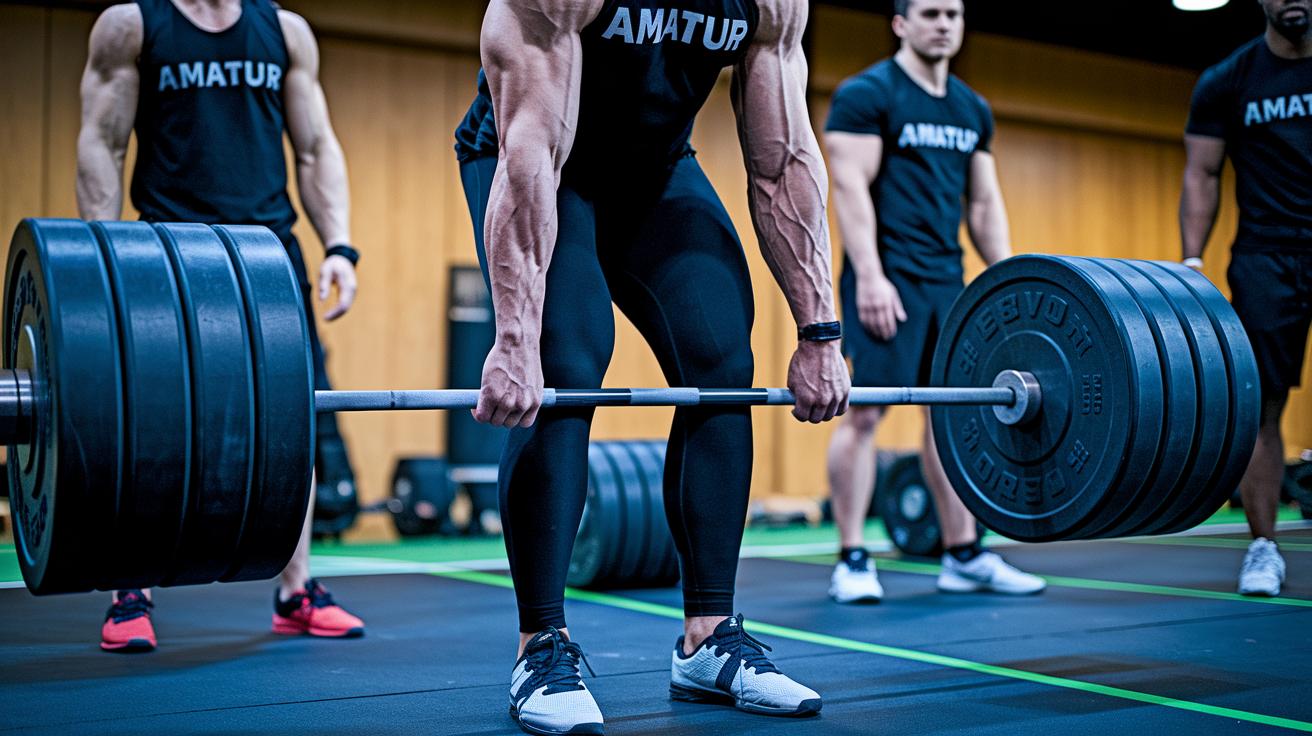
Heavy lifting workouts use high weights for only a few repetitions. You might perform 3 to 5 reps for 3 to 5 sets with moves like squats, deadlifts, or bench presses. Gradually adding more load helps your muscles get used to working harder, which can boost your overall strength.
Endurance workouts, on the other hand, use lighter weights with 15 to 20 (or more) repetitions in 2 to 4 sets. These sessions aim to build muscle stamina so your muscles can keep going longer without tiring. The focus here is on keeping your muscles active over time instead of simply lifting heavy loads.
Circuit training combines the best of both worlds. It uses moderate weights with short breaks between exercises, blending strength moves with endurance focus. Doing a variety of exercises back-to-back helps you build muscle strength and stamina simultaneously.
Mixing heavy lifting and circuit routines can give you a well-rounded workout. By adjusting the weight and number of reps to match your goals, you target the specific muscle benefits you want, whether it’s maximum power or lasting endurance.
Exercise Examples for Enhancing Muscular Strength and Endurance
Build strength by trying moves like the bench press, squat, deadlift, and overhead press. For a heavy strength boost, aim for 3 to 5 reps per set; for example, do three sets of five heavy bench presses. This method works your fast-twitch muscles (the fibers that help you move quickly) to build strength fast.
To improve endurance, choose exercises like push-ups with many reps, bodyweight lunges, and long plank holds. Try doing 15 to 20 reps per set or hold a plank for one minute or more. For instance, complete a circuit of 20 push-ups, 20 lunges for each leg, and a 60-second plank to work on muscles that help you keep going longer.
Mix in plyometric exercises like jump squats to boost both power and stamina. Aim for 3 sets of 10 explosive jump squats to train your muscles to move quickly while keeping up your energy.
Resistance bands are great too. They let you adjust the tension to mimic heavy lifts or high-rep workouts. For a workout without extra equipment, check out resistance band routines at this link.
Use these tips to create a routine that fits your goals. As you get stronger, adjust your reps and sets to keep challenging your muscles and build a balanced fitness routine.
Common Misconceptions & Integrating Both Fitness Aspects
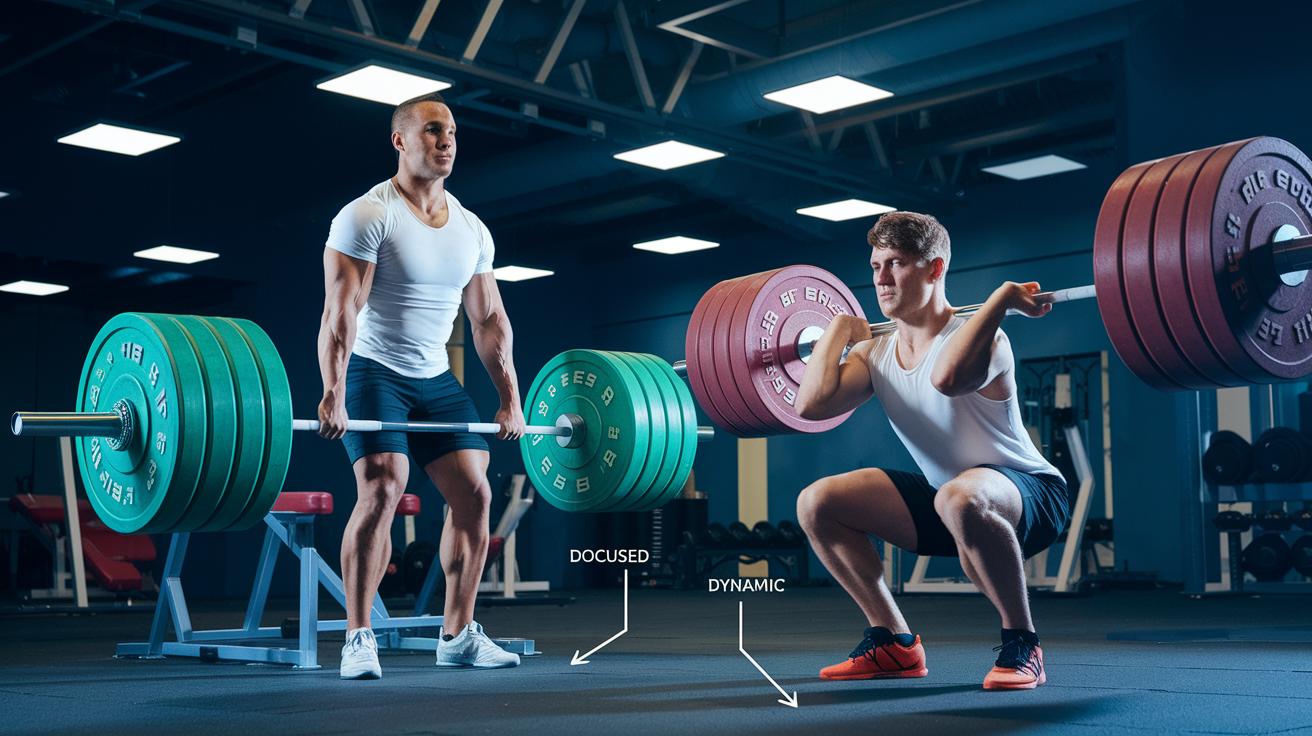
Strength gains don’t mean you’ll automatically build endurance. For example, if you only lift heavy weights, you might feel strong in a quick burst but struggle to keep going for long. One day you could do three sets of five heavy squats, and another day you might do 15 to 20 lighter squats. Each method works your muscles in its own way.
Cross-training mixes it up. By combining days of heavy resistance with sessions of high repetitions, you can boost both power and stamina. Think of it like alternating between a fast sprint and a longer jog, each challenges your body differently.
Block periodization separates your training into clear phases. You might spend a few weeks on heavy, low-rep exercises to build maximum strength, then switch to lighter, high-rep work to improve endurance. This plan helps you get the benefits of both without one interfering with the other.
And remember: proper scheduling and recovery are key. Spread your workouts out so your muscles have time to rest and rebuild. This approach not only reduces the risk of injury but also helps you build a well-rounded fitness routine.
Final Words
In the action, this article broke down how targeted training boosts both maximum force and sustained performance. It clarified what is the difference between muscular strength and muscular endurance while laying out practical exercises and testing methods. You learned how muscle fiber types and training protocols affect your gains. The piece also tackled common myths and shared routines that mix high-resistance and high-repetition work. Small, manageable adjustments can add up to big improvements in overall fitness. Keep moving forward and enjoy each step in your progress.
FAQ
What is the difference between muscular strength and muscular endurance?
The difference is that muscular strength measures the maximum force a muscle can produce in one effort, while muscular endurance reflects how long you can sustain repeated movements.
What is the difference between muscular endurance and cardiovascular endurance?
The difference is that muscular endurance focuses on how long muscles sustain repeated contractions, whereas cardiovascular endurance relates to how efficiently your heart and lungs provide oxygen during prolonged physical activity.
What are examples of muscular strength and muscular endurance exercises?
The answer is that strength exercises include heavy lifts such as bench press, squats, and deadlifts, while endurance workouts involve high-rep push-ups, lunges, and circuit-style drills with lighter loads.
How do strength, endurance, and hypertrophy differ?
The difference is that strength focuses on maximum force output, endurance emphasizes sustained performance, and hypertrophy targets muscle size increases through moderate loads and higher repetition schemes.
How do muscle endurance and strength compare for weight loss?
The answer is that both boost metabolism and aid weight loss; endurance workouts increase calorie burn during activity, while strength training builds muscle that burns more calories at rest.
What is the difference between power, strength, and endurance?
The difference is that power combines speed with force for explosive movements, strength is the maximum force produced, and endurance is the ability to sustain activity over time.
What is the difference between muscle and strength?
The answer is that muscle is the tissue that contracts, while strength is the ability of that muscle to produce force, which also depends on neural efficiency and training adaptations.