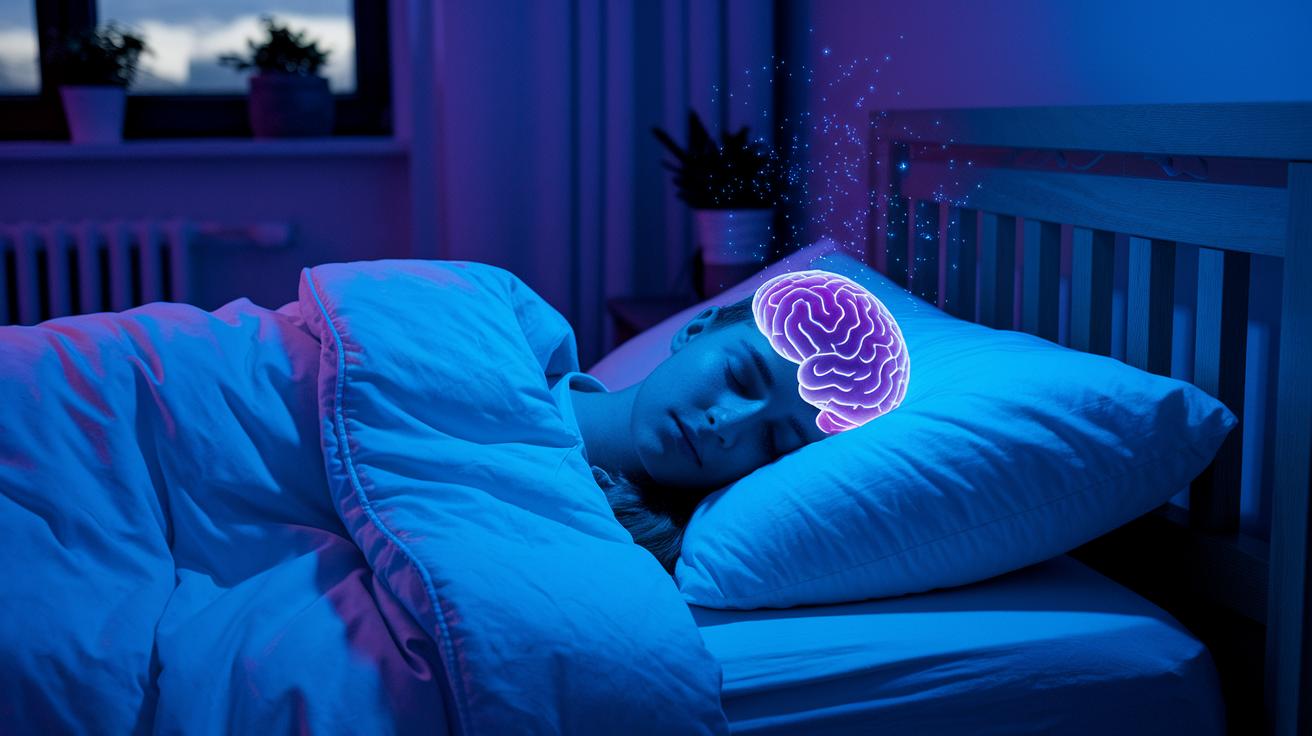
Ever wonder what really happens during deep sleep? While you rest, your body gets busy repairing and refreshing itself. In deep sleep, your brain produces slow waves that calm your thoughts and start cell repair. Think of it like a nightly tune-up, your body releases growth hormones, fixes muscles, and stores away the day’s memories. With deep sleep, you wake up feeling renewed and ready to tackle a new day.
Physiological and Neurological Features of Deep Sleep
Deep sleep, also known as Stage 3 NREM, is when your body gets the best chance to refresh and repair itself. During this stage, your brain generates slow delta waves that help quiet your mind and create a calm state. This calm state sets the stage for your body to fix and rebuild cells.
- Delta waves take over brain activity in deep sleep.
- Your heart rate and breathing slow to their lowest pace, which improves oxygen flow.
- About 95% of your daily human growth hormone (vital for muscle repair and rebuilding tissues) is released.
- Your muscles relax completely, supporting cell repair and overall recovery.
All of these changes work together so you wake up feeling renewed and ready for the day. As deep sleep helps your muscles mend and your cells regenerate, it prepares you physically for tomorrow's challenges while boosting your overall well-being.
Memory Consolidation and Cognitive Refreshment in Deep Sleep
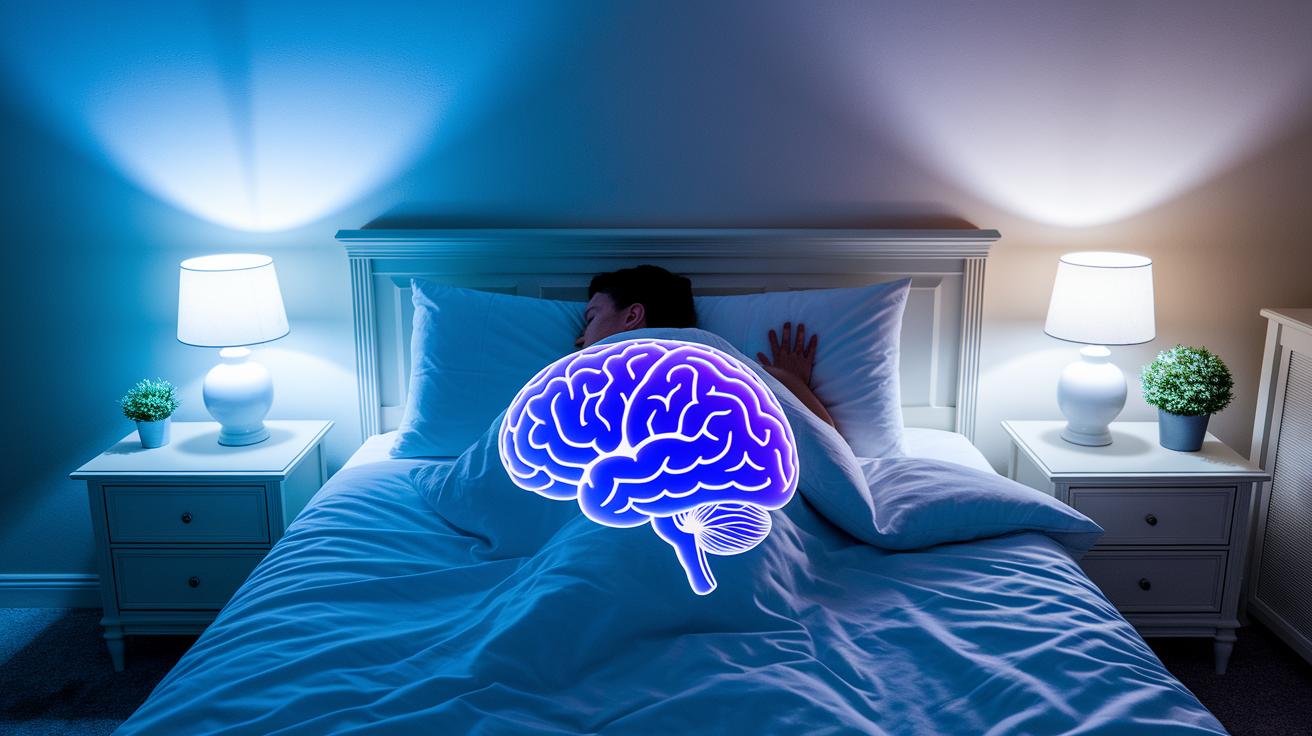
In deep sleep, your brain replays the day’s events to help lock in both facts and skills. It strengthens the connections that store new information, kind of like hitting a reset button to file away everything you learned. This process helps you keep both simple facts and the “how-to” skills clear in your mind.
Deep sleep also boosts your problem-solving skills and focus for the next day. Spending time in stage 3 of non-rapid eye movement (NREM) sleep helps your brain fine-tune its thinking and focus. When you wake up rested, everyday challenges feel easier to manage.
A healthy sleep routine mixes deep sleep (NREM) with dream sleep (REM). Deep sleep builds strong memories, while REM sleep helps you work through emotions and spark creativity. Together, they clear your mind and give you the energy to take on the day.
Sleep Cycle Dynamics: Duration, Age Variations, and Rebound
Deep sleep usually makes up about 15% to 25% of your night, and it's key for your body to repair itself. For instance, kids might get up to 30% deep sleep to help with growing and rebuilding tissues, while many older adults see less than 15% because sleep naturally changes as we age.
Waking up suddenly during this stage can disrupt the repair work happening in your body. That sudden jolt can leave you feeling groggy and a bit confused for up to 30 minutes.
If you lose some deep sleep one night, your body often tries to make up for it by prolonging that stage the next night. This catch-up helps with muscle recovery, solidifying memories, and overall refreshment. Keeping a regular sleep routine is important because even a few minutes less of deep sleep can impact your energy and mental sharpness.
Risks and Symptoms of Disrupted Deep Sleep

Not getting enough deep sleep can affect your day in several ways. It may leave you feeling tired and make it hard to stay alert and do your best. You might notice:
- Feeling very tired during the day
- Getting upset or irritated more easily
- Struggling to concentrate
- Feeling hungrier than usual
- Experiencing sudden mood swings
When your deep sleep is cut short, you might also feel groggy and confused for 30 minutes or more after waking up. That foggy feeling can turn even simple tasks, like getting ready for the day or focusing at work, into a challenge. Without enough deep sleep, your body cannot fully clear away sleep pressure, which keeps your mind foggy and slows your reactions. Over time, these effects can lower your productivity and affect your overall mood and decision-making.
Science-Backed Strategies to Enhance Deep Sleep Quality
Getting enough deep sleep is within reach when you use simple, clear steps backed by research. Studies show that small changes can help you fall asleep faster and enjoy more restorative sleep. These tips adjust your body clock and relax your mind before bed while keeping common sleep disruptors away.
- Keep a steady sleep schedule. Try to go to bed at the same time every night, even on weekends. For more ideas, check out "how to reset your sleep cycle" (https://spiritushealingarts.com?p=186).
- Avoid bright screens and harsh lighting for at least one hour before bed to help your body make the sleep hormone melatonin.
- Skip caffeine for 6 hours before bedtime since it can stick around in your system and make it hard to wind down.
- Build a calming evening routine. You could do some gentle stretching or try a short mindfulness exercise. A "bedtime routine for sleep reset" (https://spiritushealingarts.com?p=428) might guide you through a relaxing sequence.
- Chat with your doctor about natural supplements that could support a more relaxed state at night.
- Create a sleep-friendly room: keep it cool, dark, and quiet so you can ease into deep sleep.
- Consider using sleep trackers or apps to monitor your sleep patterns and adjust your habits based on what you learn.
By keeping an eye on your sleep and fine-tuning your routine, you can make each night a chance for a refreshing, deep rest.
Final Words
In the action of boosting your overall well-being, we examined the keys to optimizing deep sleep. We broke down how stage 3 NREM plays a vital role in body restoration, brain refreshment, and balanced sleep cycles. We also shared practical strategies to smooth your nightly routine and reduce sleep interruptions. This guide offers clear insights into what happens during deep sleep, empowering you to apply small shifts that can lead to big benefits. Keep trying these changes, you’re on your way to better rest and brighter days.
FAQ
Is deep sleep dangerous?
The idea that deep sleep is dangerous is misleading. Deep sleep is a vital phase for body repair and memory consolidation, and problems arise only with its interruption or deficiency.
How to increase deep sleep naturally?
Increasing deep sleep naturally involves routines like maintaining a regular sleep–wake schedule, reducing light exposure before bed, and practicing gentle pre-sleep stretching to support restorative slow-wave activity.
What are the symptoms of a lack of deep sleep?
A lack of deep sleep may show through daytime fatigue, irritability, poor concentration, increased appetite, and mood swings, signaling that your body isn’t getting enough restorative rest.
Is deep sleep good or bad?
Deep sleep is good; it is a fundamental stage that supports body repair, hormone release, and memory consolidation, all of which contribute to overall physical and mental well-being.
When does deep sleep occur?
Deep sleep occurs during stage 3 NREM, typically early in the night. During this phase, your body experiences essential processes like slowed heart rate, breathing, and enhanced tissue repair.
Can too much deep sleep at night be a concern?
Experiencing too much deep sleep is rare and might hint at certain sleep disorders. Generally, deep sleep makes up about 15-25% of your total sleep, which is optimal for most adults.
What does deep sleep feel like?
Deep sleep feels like a profound rest period when your body and mind fully relax, aiding in rejuvenation. Waking up after deep sleep generally leaves you feeling refreshed and alert.
How are deep sleep and REM different?
Deep sleep focuses on physical restoration and memory consolidation, while REM sleep is linked to vivid dreaming and emotional processing. Together, they provide balanced, restorative sleep.
How many minutes of deep sleep should you get?
Adults typically achieve around 1 to 2 hours of deep sleep per night, making up roughly 15-25% of total sleep, which is sufficient to support bodily repair and cognitive refreshment.
What is considered the unhealthiest sleeping position?
Sleeping on your stomach is often considered the unhealthiest position because it can strain your neck and spine, potentially leading to discomfort and poorer sleep quality.
How do you know you got deep sleep?
You know you got deep sleep if you wake up feeling refreshed, alert, and with minimal grogginess. Some sleep trackers can also help by identifying the slow-wave patterns of deep sleep.
What is the average deep sleep by age?
The average deep sleep percentage varies by age. Younger individuals may spend up to 30% in deep sleep, adults around 15-25%, and seniors often experience less than 15%, reflecting natural aging changes.