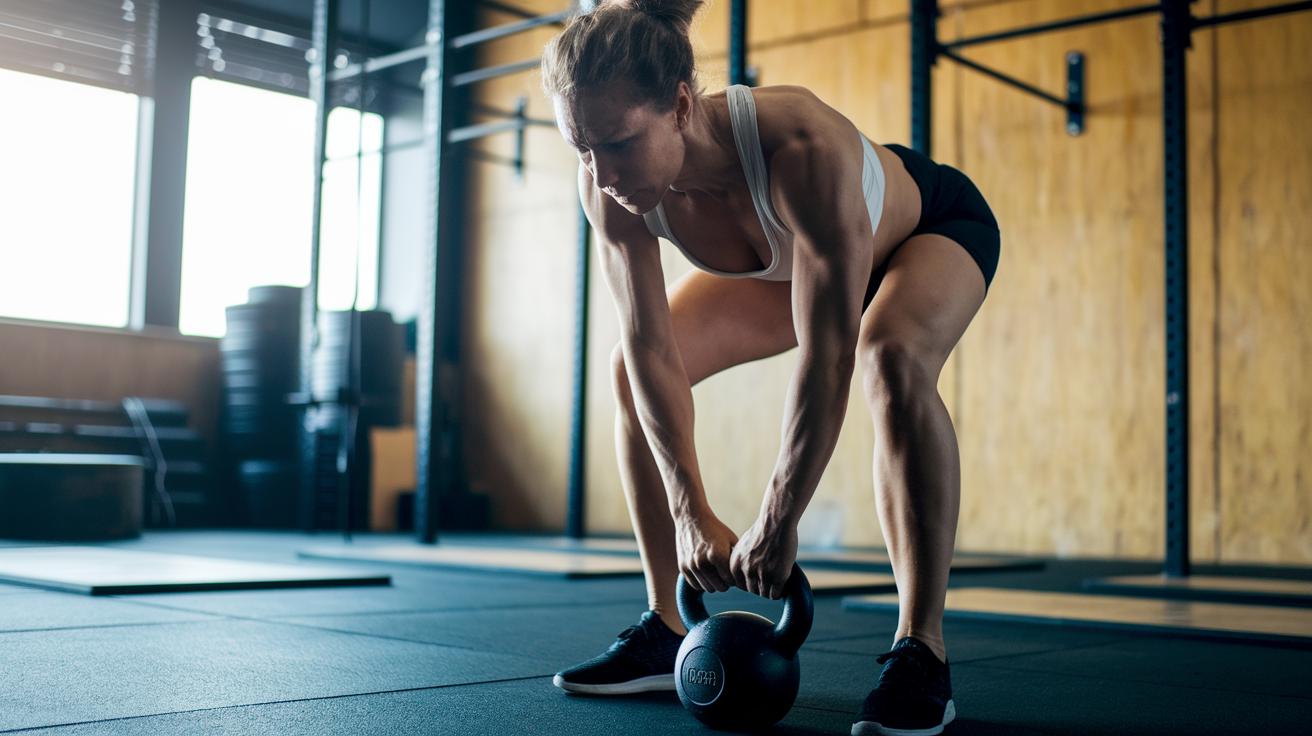
Ever notice a little imbalance that can throw off your entire workout? Try working one side at a time. Focusing on a single limb forces your core to steady your body, making your muscles even and lowering your risk of injury. Research shows that this straightforward change can wake up muscles you might be overlooking and help you move more smoothly and safely. Today, we'll show you how to turn everyday exercises into smart training that builds a balanced and strong body.
Understanding Unilateral Strength Training: Definition and Key Benefits
Unilateral strength training means working one side of your body at a time. This way, each limb has to work on its own, which helps improve balance and even out muscle strength. You not only build strength in major muscles like your chest, legs, and back but also boost the smaller stabilizing muscles that keep your body steady.
When you train one side at a time, you force your core to work harder to stay balanced. Research in the Strength & Conditioning Journal shows that this method makes your core more active, and evidence from Medicine & Science in Sport & Exercise suggests it helps spot and fix differences in strength early. By focusing on one side, you can better maintain a neutral spine and an engaged core, which may reduce the risk of injuries caused by uneven muscle development.
These one-sided movements give you a unique advantage over traditional exercises. By addressing any weaknesses and promoting balanced muscle growth, unilateral training lays a strong foundation for smoother daily movements and improved sports performance.
Top Unilateral Strength Training Exercises for Balance and Strength
-
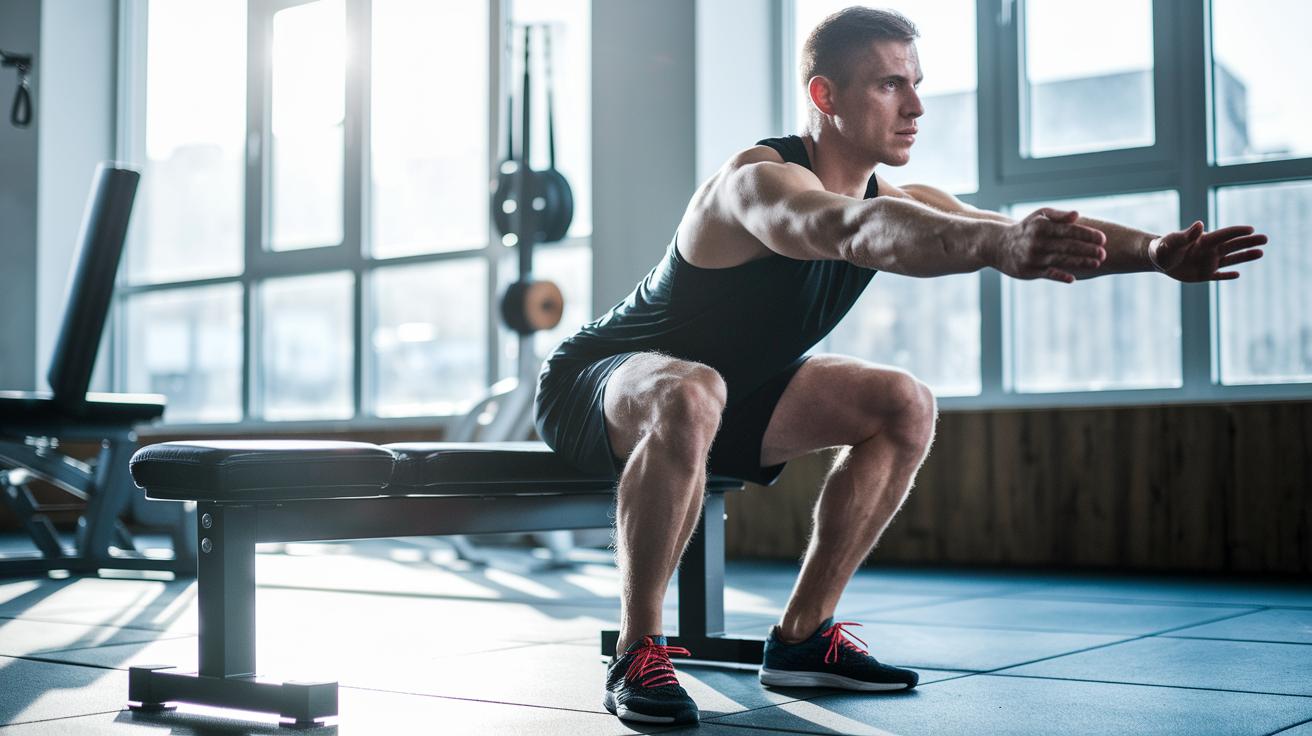
Bulgarian split squat: Stand about 2–4 feet in front of a bench with your chest lifted. Slowly lower into a squat until your front knee forms a 90° angle. This exercise works your quads and glutes while boosting balance and core stability.
-
Single-leg deadlift: Balance on one leg and gently hinge forward at your hips, keeping your back straight. As you lower your free leg behind you, feel your hamstrings and glutes engage. This move is great for improving your balance and strengthening your lower back muscles.
-
Pistol squat: Lower yourself into a one-legged squat, moving through about one-third to one-quarter of your full range. If you’re ready for a challenge, hold the bottom position for 45–60 seconds. This targets your quads and glutes and sharpens your balance through controlled movement.
-
Lateral lunge: Take a step to the side, tilting your torso around 45° with your toes pointed forward. You can add dumbbells to increase resistance. This drill focuses on your inner thighs and glutes, while also engaging core muscles.
-
Single-arm shoulder press: Stand upright and press a dumbbell overhead, keeping your core tight for stability. This move builds shoulder strength and challenges your trunk to stay steady.
-
One-arm dumbbell row: Place one knee on a bench and use your free hand to pull a dumbbell upward, keeping your spine neutral. This effectively strengthens your back and shoulder muscles.
-
Single-arm chest press: Lying on a stability ball or bench, push a dumbbell upward with smooth, controlled motion. This isolates your chest while keeping stabilizing muscles active.
-
Half-kneeling single-arm press: Get into a half-kneeling position and press a weight overhead. Engage your core to help maintain balance throughout the movement.
Sample Unilateral Strength Training Workouts
Start your workout with a quick warm-up. Try light cardio and simple stretches to get your heart pumping and your muscles awake.
If you're new to these moves, give this five-exercise circuit a try:
- Do reverse lunges to build balanced leg strength.
- Move into a single-arm shoulder press to work your shoulders and core.
- Try a single-leg Romanian deadlift to strengthen your hamstrings and glutes.
- Switch to a half-kneeling press to further engage your abs.
- End with a suitcase carry by holding a dumbbell in one hand to train your obliques and improve balance.
Aim for three rounds of 8 to 12 reps per exercise and rest for 60 seconds between sets. If you need extra help or modifications, check out the tips at strength training for beginners.
When you’re ready for more challenge, move to a seven-exercise sequence:
- Start with a one-arm cable fly to build chest strength and stop your body from twisting.
- Next, perform a one-arm cable row for a stronger back.
- Follow up with a Bulgarian split squat (stand 2–4 feet in front of a bench).
- Do a pistol squat, keeping your movements controlled.
- Add a single-arm overhead press to challenge your shoulders.
- Then, do a single-leg hip thrust to fire up your glutes.
- Finish with a farmer’s carry to sharpen your overall balance and stability.
Remember, take your time and stop if anything feels off. Enjoy the workout and celebrate your progress step by step!
Proper Form and Avoiding Common Unilateral Training Mistakes
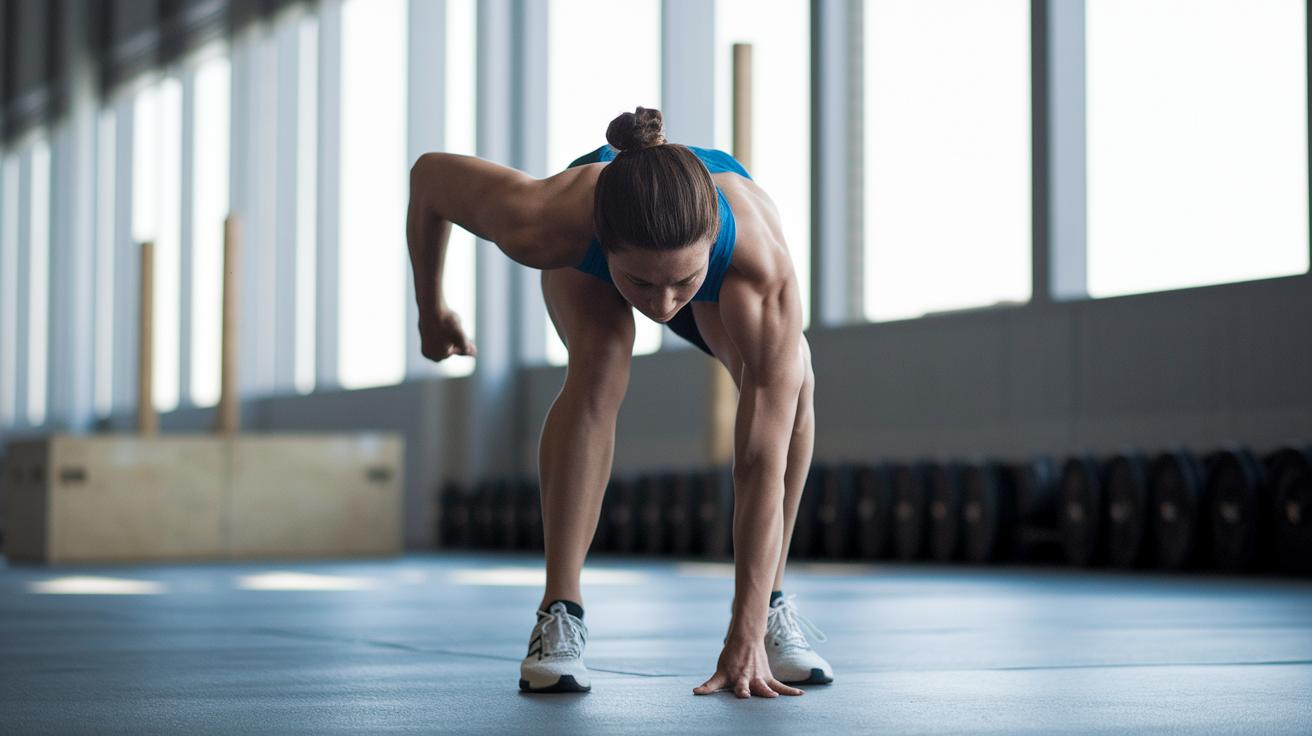
When doing single-leg moves, avoid leaning your torso too far , a heavy lean can shift the work away from the muscles you want to target. Instead, keep your spine straight and pull your core tight for solid support.
When you do one-arm rows, steer clear of a rounded back. A curved back makes the exercise less effective and increases your risk of injury. Work on keeping a gentle arch in your back, lifting your shoulder upward, and keeping your hips level.
During pistol squats, you might notice your knee drifting inward (knee valgus). Focus on keeping your knee in line with your toes to protect your joints from extra stress.
In lunges, proper foot placement is key. Plant your front foot firmly and make sure your toes point straight ahead. This helps maintain balance and engages the right muscle groups.
Lastly, don’t forget to brace your core during carries. Tightening your belly keeps your lower back safe and improves overall stability. Take each move slowly and deliberately , like when doing a single-leg deadlift, think "step slowly with a straight back" to stay controlled and secure.
Research Evidence and Expert Insights on Unilateral Strength Training
Research from a leading journal shows that working one side at a time not only builds more strength in each limb but also pushes your core to work harder. For example, exercises like anti-rotation drills (movements that stop you from twisting) help engage your deep core muscles. One small trial even found that people improved their stability by 20% in just eight sessions.
Another study from a well-known sports science journal explains that these exercises give you immediate feedback on how evenly each side of your body is working. By noticing and adjusting for any differences, you may lower your risk of injury during daily activities or while playing sports.
Experts also point out that these drills can spark benefits in the opposite limb, which means your body learns to coordinate better between the muscles doing the work and those that keep you steady. This improved coordination can make everyday movements more efficient and workouts safer.
unilateral strength training Enhances Balance & Minimizes Injury
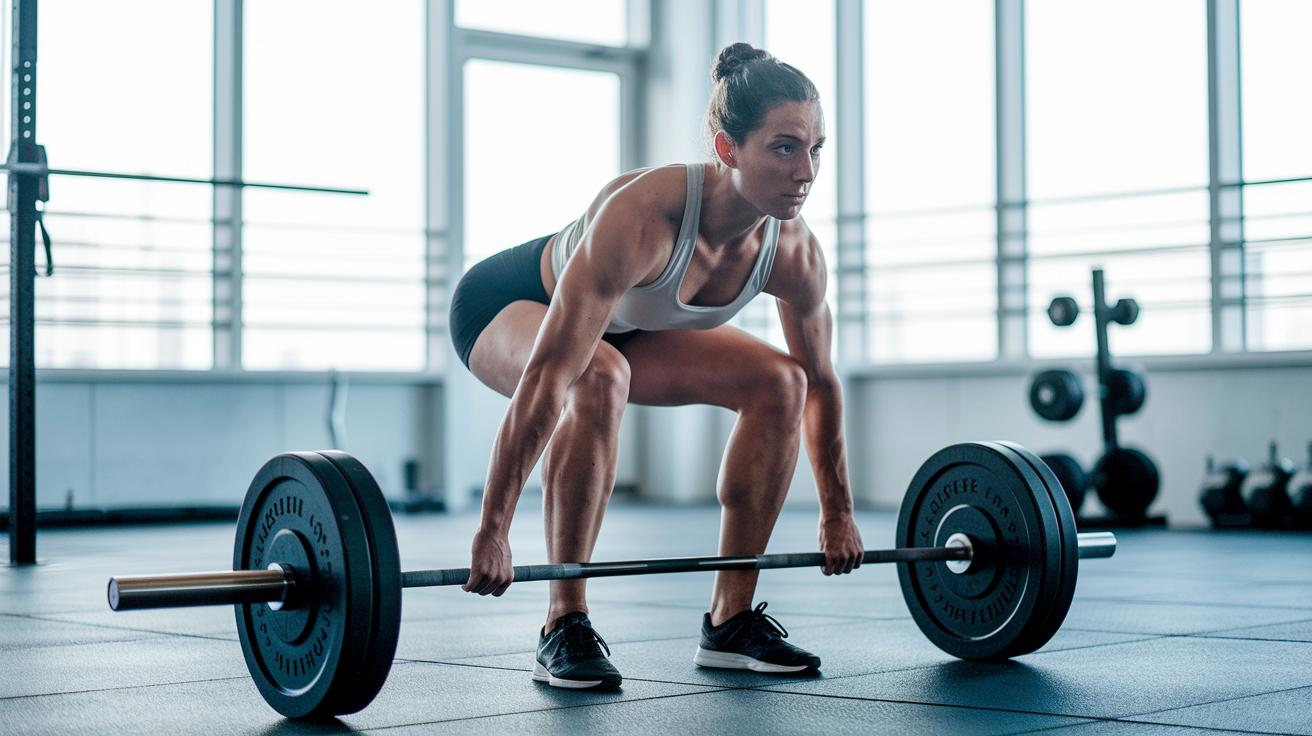
Plan your workouts to include one-sided moves 2–3 times each week. Begin with simple exercises using your body weight and nail down the proper form first. Once you can do 12 smooth reps without getting tired, add a little more weight, about 5–10 percent, to keep challenging your muscles safely.
Mix in both upper and lower body one-sided exercises with each session. For example, try single-leg deadlifts and side lunges one day, then switch to single-arm rows and shoulder presses next time. This approach helps prevent overuse while giving your muscles a chance to recover.
After a tough workout, spend a few minutes on active recovery like light stretching or foam rolling. These cool-down moves can ease muscle tightness, reduce soreness, and boost your overall balance.
Keep track of your progress by noting your reps and the weight you use. When your routine starts to feel easy, consider switching up the exercises or increasing the challenge just a bit to keep moving forward safely.
Final Words
In the action of unilateral strength training, every move counts.
We spotlighted key benefits like better balance, core stability, and symmetry correction.
From effective drills and structured workouts to proper form cues, the article showed how to reduce injury risk and improve strength.
Research-backed insights and simple progression tips pave the way to safe, lasting routines.
Small, consistent steps can lead to meaningful gains in your physical and mental well-being. Keep moving forward with confidence and care!
FAQ
What is unilateral strength training?
Unilateral strength training means working one side of your body at a time. It builds core stability, improves balance, and corrects muscle imbalances, as echoed in online discussions like those on Reddit.
What are some examples of unilateral strength training?
Unilateral training examples include the Bulgarian split squat, single-leg deadlift, pistol squat, and one-arm dumbbell row. These exercises target individual limbs to build balanced strength and stability.
What benefits does unilateral strength training offer?
Unilateral training offers benefits such as improved balance, enhanced core activation, correction of muscle imbalances, and reduced injury risk. It forces each limb to work independently, ensuring stronger, balanced muscles.
How can unilateral strength training help runners?
Unilateral strength training helps runners by addressing muscle imbalances and building leg stability. This focused approach improves running efficiency and reduces injury risk by strengthening support muscles separately.
Can unilateral strength training be done at home?
Unilateral strength training can be adapted for home workouts. With minimal equipment like dumbbells or resistance bands, you can perform exercises such as one-arm presses and single-leg moves to build strength and stability.
How do unilateral exercises help correct muscle imbalances?
Unilateral exercises work one limb at a time, revealing differences in strength. This targeted approach helps fix muscle imbalances, ensuring that each side develops evenly for improved overall performance.
How do unilateral exercises improve arm strength?
Unilateral exercises for arms, such as the one-arm dumbbell row and single-arm chest press, focus on each side individually. This helps build strength, improve symmetry, and prevent overcompensation from the stronger arm.
Can you build muscle with unilateral exercises?
Unilateral exercises effectively build muscle by isolating each side of the body. This focused workload not only promotes balanced muscle growth but also increases core engagement and overall functional strength.
What is an example of a unilateral exercise?
An example of a unilateral exercise is the Bulgarian split squat, which targets one leg at a time, helping improve balance, core stability, and lower-body strength by focusing on each side individually.
What is the 3-3-3 rule in the gym?
The 3-3-3 rule in the gym suggests a balanced workout structure, often implying three exercises targeting each side, three sets per exercise, and a specific rhythm to promote stability and strength gains.