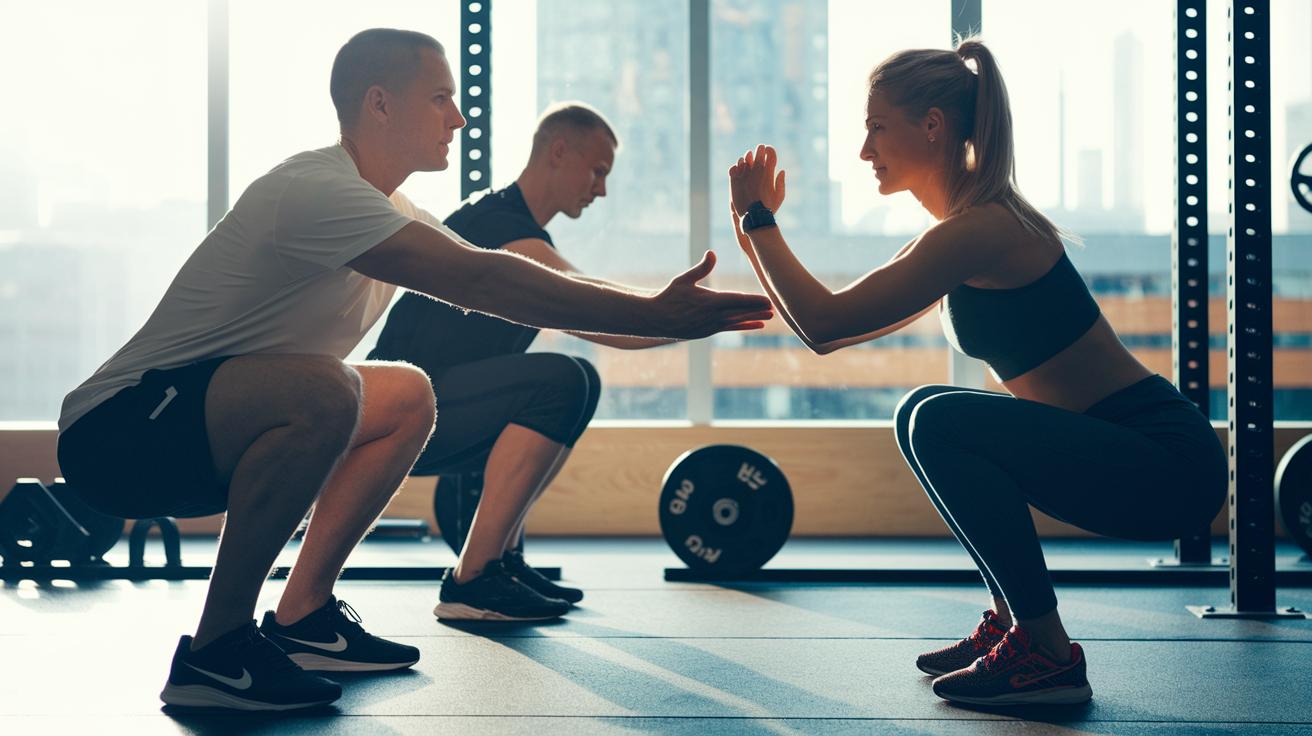
Ever wondered if your workout really fits your everyday needs? Traditional exercises like bench presses and curls show clear progress, while moves like lunges and kettlebell swings work several muscles at once to boost your balance and coordination. One method focuses on building targeted strength, and the other helps you move more smoothly every day. Mixing these routines might be the best way to get stronger and feel more agile in your daily life.
traditional vs functional strength training shines with benefits
Traditional strength training focuses on working one muscle group at a time. You perform exercises like curls and bench presses with free weights or machines. For example, when you do a bench press, you target your chest directly to boost muscle size and strength. You can easily track your progress by counting sets, reps, and the amount of weight you lift.
Functional training, however, uses exercises that work several muscle groups at once. These movements mimic what you do every day. Think of kettlebell swings, they help improve balance, coordination, and core stability with just a few simple tools like kettlebells, bands, or stability balls. Take a lunge for example: it not only works your legs but also challenges your balance, making daily activities like walking or climbing stairs feel easier.
Traditional training is great if you like a structured routine with measurable gains, especially for improving your strength in specific lifts. On the other hand, functional training is ideal if you want to enhance the way you move day-to-day and lower your risk of injury.
Both training styles offer real benefits. Traditional exercises give you clear, trackable progress in building muscle, while functional moves help improve your overall movement and coordination. Combining these methods can provide a well-rounded approach to boost both your muscle strength and practical everyday abilities.
Core Differences in Traditional vs Functional Strength Training
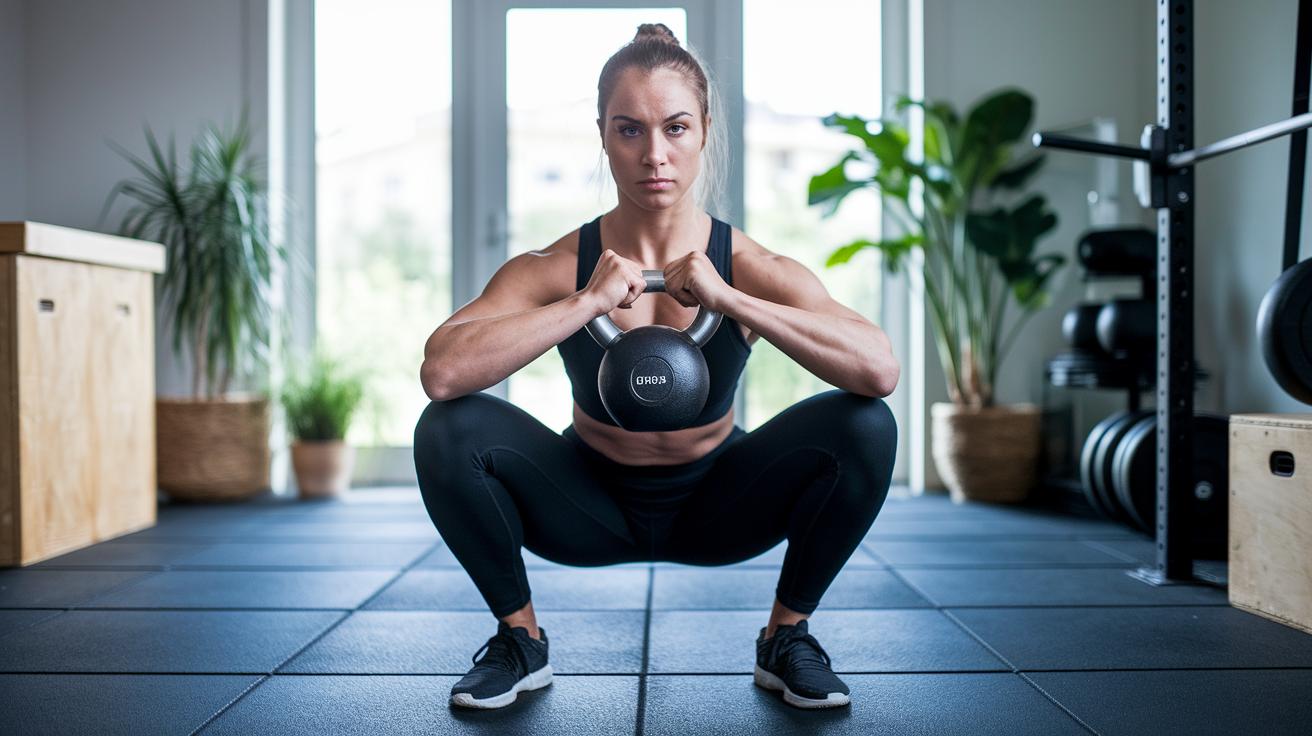
Traditional strength training uses focused, steady movements that work one muscle group at a time. This approach often helps build muscle size and strength quickly, with results measured by the weight you lift and the number of reps you do.
Functional strength training, however, involves exercises that use several muscle groups at once. These moves, like doing a single-leg squat, mirror everyday activities such as climbing stairs or carrying groceries. In one small study, people who added kettlebell exercises to their routine for 8 weeks showed better balance and less joint pain.
| Aspect | Traditional Strength Training | Functional Strength Training |
|---|---|---|
| Movement Focus | Static, focused, and controlled exercises | Dynamic, multi-directional moves using several muscles |
| Equipment | Machines and barbells for targeted work | Free weights, bands, and bodyweight that mimic everyday actions |
| Primary Goal | Build muscle size and maximum strength | Improve balance, coordination, and overall movement quality |
| Typical Metrics | Weight lifted, sets, and reps | Quality of movement and stability gains |
| Calorie Burn | Steady calorie burn from controlled lifts | Higher calorie burn with full-body movements |
Advantages of Traditional Strength Training
This type of training works great for athletes aiming for goals like powerlifting and competitive bodybuilding. For powerlifters, lifting heavy with moves such as squats and deadlifts helps sharpen your muscle control. For example, adding a little more weight to your squat over time can boost your form and increase your top lift.
You can track your progress easily because you know exactly how much weight, how many sets, and how many reps you do each session. This steady increase helps you build both power and muscle size without confusing new ideas.
Traditional strength training also targets the specific strength you need for powerlifting. It gives you a focused routine that fits well with other types of workouts.
| Specialized Goal | Key Benefit |
|---|---|
| Powerlifting | Better muscle control and higher lift potential |
| Competitive Bodybuilding | Focused muscle growth for a defined, aesthetic look |
Advantages of Functional Strength Training
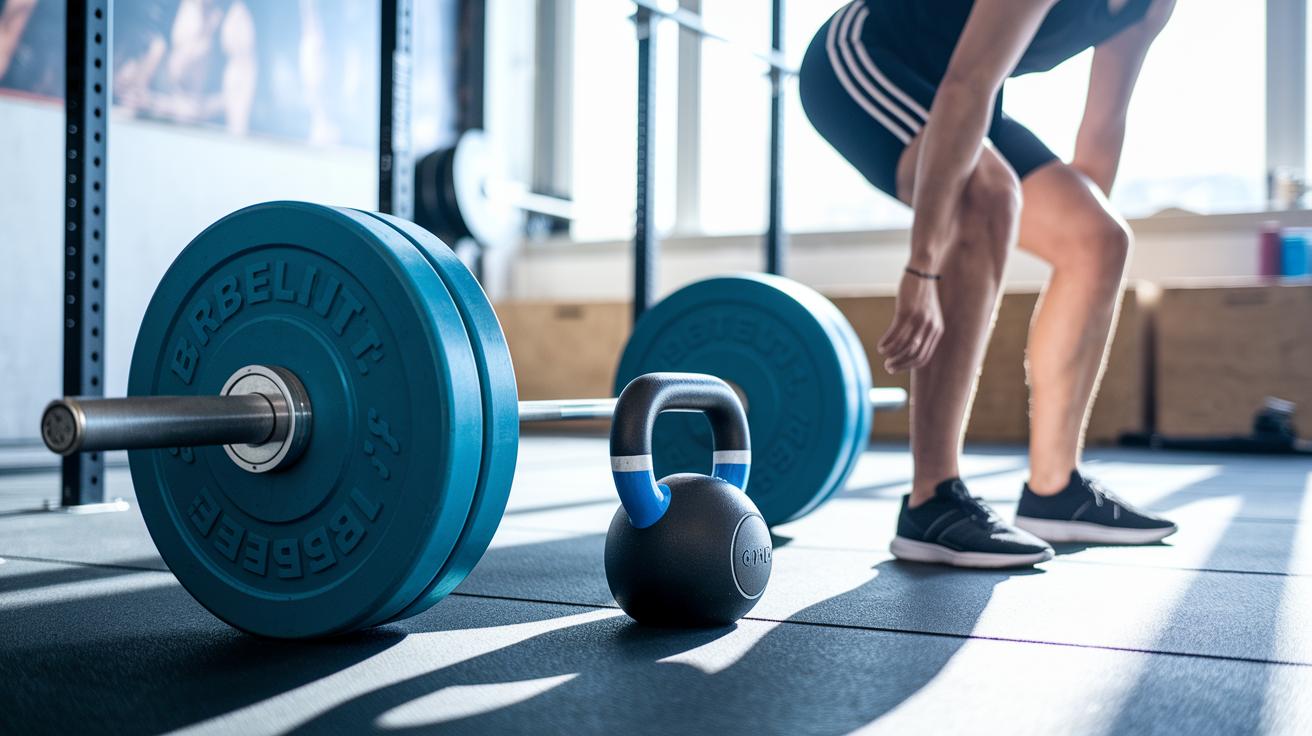
We've merged the benefits of functional strength training into other parts of the article so you get a clearer picture without repeating the same details.
Essential Exercises in Traditional vs Functional Training
Traditional training can go beyond the basics by using advanced techniques that change the way you lift. For example, try slowing down the lowering part of a bench press to really feel each muscle at work, or break a set into mini-sets with short rests to keep the intensity up. Techniques like drop sets or eccentric overload let you push your muscles harder without needing to lift more weight.
Functional training also has advanced methods that improve balance and coordination. You can use balance pads during lunges or add resistance bands to kettlebell swings to challenge your stability. For instance, doing a kettlebell swing on an uneven surface helps engage your core and boost coordination. Adding agility drills that move in different directions further sharpens your neuromuscular control and balance.
If you’re just starting, begin with basic movement patterns. Gradually introduce small changes in tempo before trying out more advanced methods. Check out the “strength training for beginners” guide for simple exercises and early progression steps.
For those of you with more experience, mixing both traditional and functional training can give you a well-rounded workout. Alternate sessions that focus on power with explosive drop-set techniques with days that emphasize balance and coordination through unstable surface work and reactive drills.
| Training Type | Advanced Technique |
|---|---|
| Traditional | Drop sets, cluster sets, eccentric overload, tempo variations |
| Functional | Unstable surface drills, reactive patterns, variable resistance, agility shifts |
Designing a Hybrid Strength Training Program
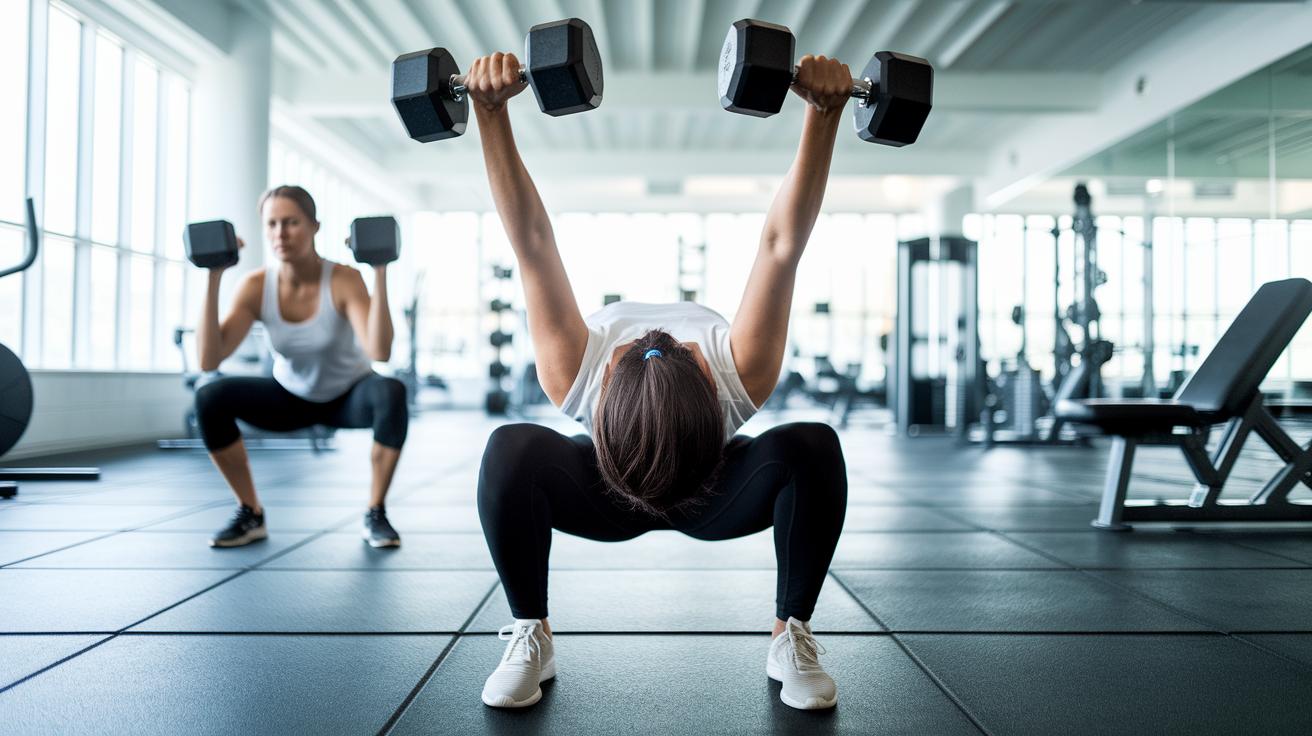
Mixing traditional and functional exercises creates a balanced workout that builds muscle strength and improves everyday movement. You can try splitting your workouts: one day for the upper body and another day for the lower body. For instance, on your upper body day, start with an overhead press using 3 sets. Do 15 reps first, then 10 reps, and finish with 5 reps. On your lower day, mimic this pattern with squats. This mix combines the steady progress of traditional training with the dynamic feel of functional moves.
Many people find that having one traditional and one functional session per week works well. If you’re already fit or training actively, you might add another session of each type every week. Try alternating between heavy lifting and higher-rep, functional work. This approach helps your body get used to both heavy strain and quick, agile moves for daily activities.
Start with weights and intensity that feel comfortable so you can keep good form. Then, gradually challenge yourself a bit more. Experiment with this hybrid model to boost your strength, balance your muscles, and improve your everyday performance.
Injury Prevention in Traditional and Functional Strength Training
When you exercise, it’s important to use the right form and slowly add more weight. This helps you build strength while protecting your muscles and joints. Before you start, warm up for 2–3 minutes with moves like arm swings or leg lifts. Think of your warm-up like stretching before a game, it gets your muscles ready and lowers your injury risk.
Add exercises that support joint stability, such as side planks or banded walks. These moves help improve balance and control, making your workouts safer. Also, be sure to take rest days and give yourself enough time to recover. This helps prevent overuse injuries while you gradually progress.
- Use proper form to avoid extra strain.
- Warm up with dynamic moves and activation drills.
- Incorporate joint-strengthening exercises like side planks.
- Rest and adjust your workout based on how you feel.
Monitoring Progress in Traditional vs Functional Strength Training
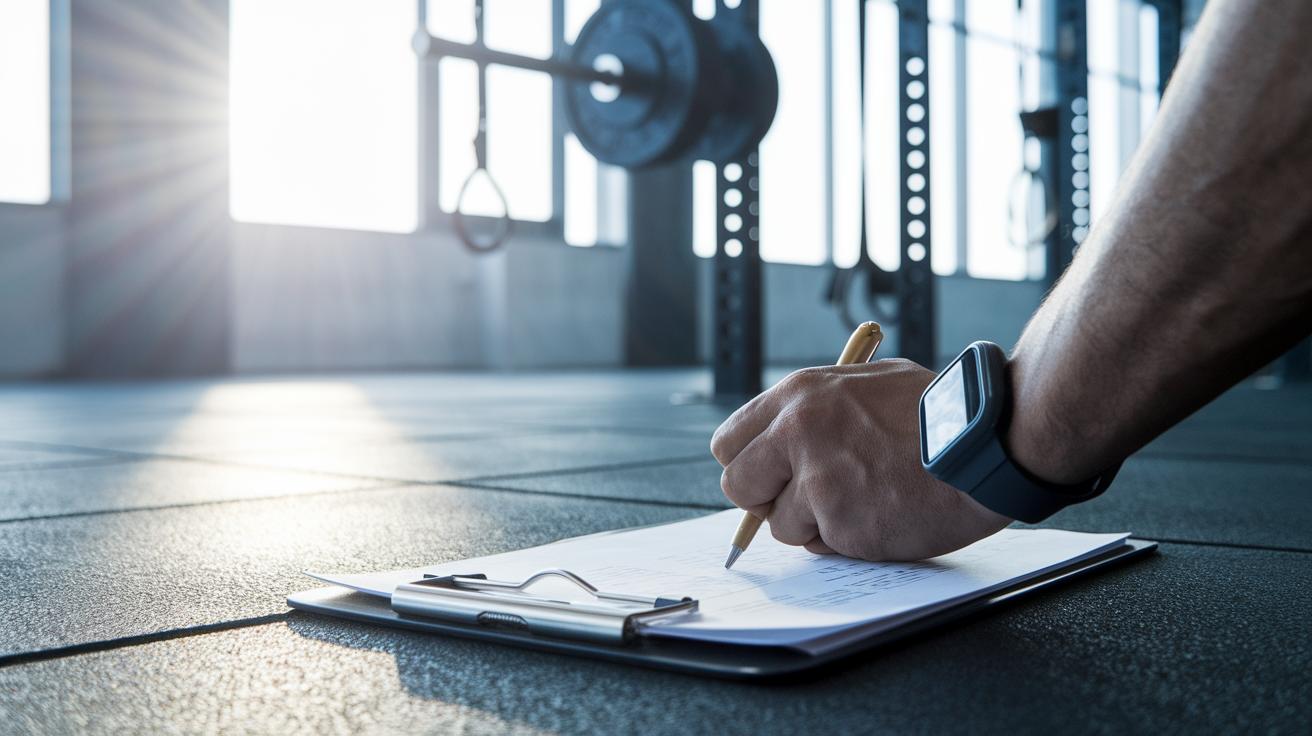
Tracking your progress is key to seeing how your body adapts to both traditional and functional workouts. With traditional training, note down the weights you lift, the sets and reps you complete, and even any changes in muscle size. For example, keeping track of your bench press weights over several sessions makes it easy to spot improvements.
In functional training, progress shows up in everyday skills. You can check your balance with simple tests, measure your mobility, or see how easily you perform daily tasks. Try timing yourself during lunges or notice how steady you feel doing a one-leg squat. A heart-rate monitor can also reveal how many calories you burn, giving you a clearer view of your endurance.
Try these tracking methods:
- Log your workout days to keep an eye on consistency.
- Write down how hard you feel you worked after each session.
- Note your recovery with details like rest days and muscle soreness.
These simple tools help you fine-tune your routine so that both your strength and everyday movement improve along with your training.
Selecting the Right Strength Training Approach for Your Goals
If you are an athlete wanting to be quicker and more agile, try adding exercises that mimic your sport. For example, basketball players can benefit from moves like lateral lunges or using a medicine ball for throws. These exercises help with balance and quick footwork.
For those who lift weights every day to build muscle, traditional exercises are a great choice. Lifts such as bench presses and squats target specific muscles and let you track your progress rep by rep.
Older adults can improve balance and feel more independent by doing simple, functional moves. Even basic exercises like bodyweight squats or gentle lunges can make daily tasks easier.
Powerlifters and bodybuilders usually stick with classic workouts to boost strength and muscle size. They follow a routine with clear sets and heavier weights to meet their goals.
If your aim is to lose weight, improve overall performance, and maintain your fitness as you age, consider a mixed routine. This method uses both traditional lifts and functional exercises. Try alternating your workouts to see what mix helps you best.
For more details on the differences between resistance and strength training, check out this resource: https://bezenn.com?p=740
Final Words
In the action, you explored key aspects of training styles. You learned how targeted exercises build raw strength and muscle, while dynamic movements improve balance and everyday function.
The guide broke down core differences, safety tips, and tracking methods in both approaches. It also offered ideas for blending the two into a simple routine.
Comparing traditional vs functional strength training gives you clear choices to match your goals. Small steps today can lead to lasting improvements in strength and wellness.
FAQ
How does Apple Watch relate to both functional and traditional strength training?
The Apple Watch tracks workouts for both methods by monitoring heart rate and exercise metrics. It helps you gauge effort and progress whether you’re building muscle or improving everyday movement.
How do traditional and functional strength training approaches compare for weight and fat loss?
Traditional training burns calories with heavy, targeted lifts, while functional training boosts overall energy use through dynamic, full-body movements. Both methods aid fat loss when combined with a balanced diet.
How do examples differ between traditional and functional strength training?
Traditional examples include bench presses and squats, focusing on isolated muscles. Functional examples, like kettlebell swings and lunges, target multiple muscles to improve everyday movement and stability.
How can traditional versus functional strength training suit both beginners and bodybuilders?
For beginners, functional training may improve basic movement, while bodybuilders often choose traditional lifts for focused muscle growth. Your fitness goals and current skill level will steer your choice of approach.
What is the 2 2 2 rule in weightlifting?
The 2 2 2 rule suggests performing two warm-up sets, two main working sets, and two cool-down sets. This guideline offers a simple structure for balancing preparation, execution, and recovery in workouts.
Are push-ups considered traditional or functional strength training?
Push-ups are seen as functional strength training because they engage multiple muscle groups, enhance core stability, and improve balance, making them effective for overall movement and endurance.
What burns more calories, traditional or functional strength training?
Functional strength training usually burns more calories due to its compound, dynamic movements that raise heart rate. Traditional training also burns calories but may have a slightly lower energy expenditure from isolated lifts.
What are the disadvantages of functional training?
Functional training may fall short in building large, concentrated muscle mass since it emphasizes overall movement patterns over isolated muscle overload. It might not produce the same hypertrophy benefits as traditional training.