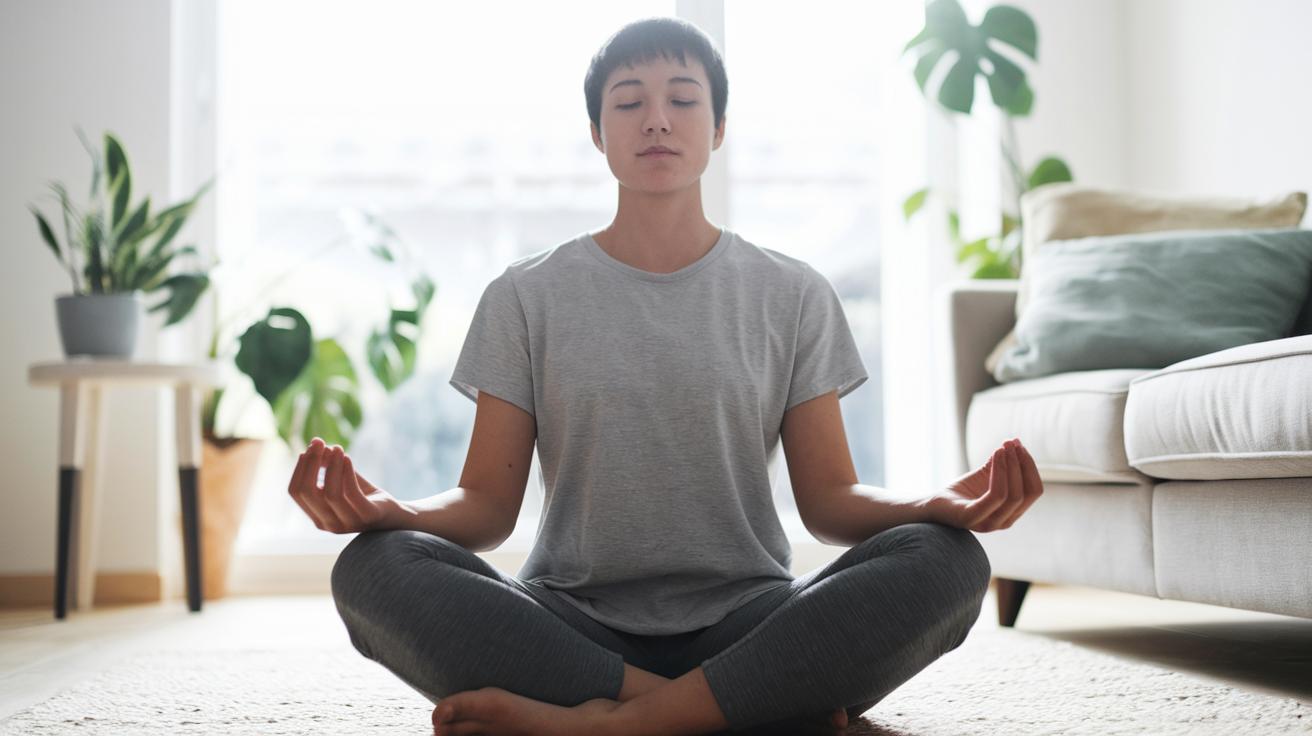
Feeling overwhelmed by stress? Try a few simple steps to regain control and ease muscle tension.
Start with slow, deep breaths or break a big task into smaller, manageable parts. This can help you feel less burdened right away.
Consider taking a brisk 10‑minute walk (about 0.6 miles or 1 km) to clear your mind, or pause for a moment of calm to refocus.
These small actions can turn heavy pressure into pockets of relief, setting the stage for a more balanced day.
Practical Stress Management Strategies for Daily Life
Stress can sometimes feel heavy, but there are simple steps you can use every day to bring more calm into your life. These easy tips can lower stress hormones (the chemicals your body makes when you're overwhelmed) and ease muscle tension so that you feel more balanced.
- Try deep breathing: Take slow, gentle breaths to help your body relax.
- Move a little: A brisk walk (about 5-10 minutes) or a quick stretch can clear your mind.
- Give mindfulness a try: Spend a few minutes sitting quietly and focusing on what’s happening now.
- Break down your tasks: Split big jobs into small, manageable steps to keep your day organized.
- Reach out to someone: A short chat with a friend or family member can boost your mood and help you feel supported.
Each of these practices adds a layer of support to help turn overwhelming stress into moments of calm. Deep breathing not only eases tension but can also help when anxiety creeps in. By weaving these strategies into your daily routine, you make space for clearer thinking and better overall well-being.
Mindfulness-Based Stress Management Strategies
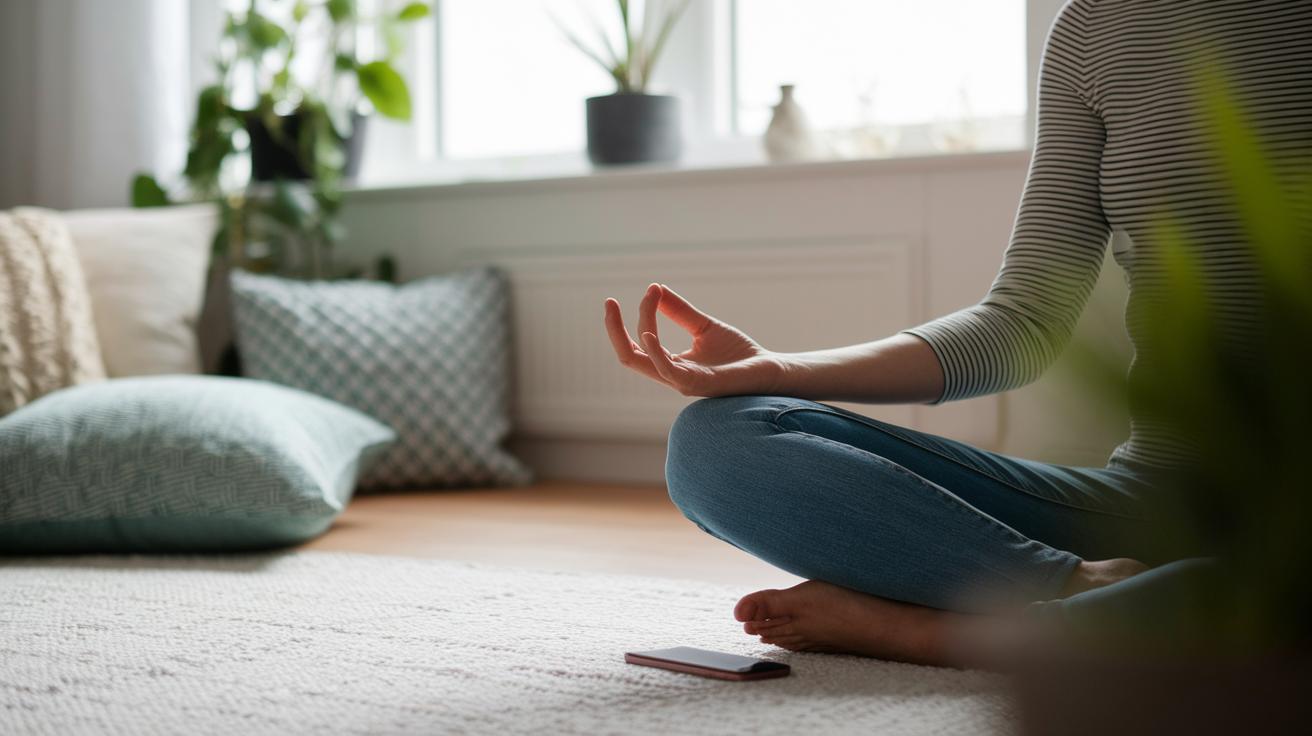
Mindfulness means taking a moment to notice your body and breath. This simple act helps calm your mind and ease muscle tension, giving you a quick way to feel balanced throughout your day.
Deep Breathing Methods
Try deep breathing exercises like alternate nostril breathing or box breathing (a method where you breathe in, hold, breathe out, and hold again for even counts). These techniques help slow your breathing and signal your body to relax by engaging the calming part of your nervous system.
Meditation for Calm
Settle into a quiet spot and focus on your breath. When your mind wanders, gently bring it back to the present moment. This practice builds self-awareness and gradually eases daily stress, even on hectic days.
Guided Imagery Sessions
Imagine a peaceful scene, a quiet beach or a sunny meadow. Guided imagery lets you swap stressful thoughts for calming pictures, giving your mind a gentle break from worry. Over time, these sessions help you feel more secure and relaxed.
Progressive Muscle Release
Work on one muscle group at a time by tensing the muscles for a few seconds and then slowly releasing them. This method not only reduces physical stress but also highlights the connection between your body and your emotions, helping you feel more relaxed overall.
Physical Activity Stress Management Strategies
Regular exercise helps lower stress hormones and makes you feel in control. When you move your body, you let go of built-up tension and boost your energy for everyday tasks.
Here are some simple activities to try:
- Brisk walking to give you a quick break.
- Yoga to stretch out and relax both your body and mind.
- Swimming for a calming, full-body workout.
- Cycling to enjoy movement and clear your thoughts.
- Strength training to build muscle and improve mental toughness.
- Tai Chi for gentle, mindful movement.
Adding these activities to your routine can clear your mind and help you handle daily challenges better. Exercise supports both your body and your mind, creating a balanced space where stress can fade away.
Time Management Stress Management Strategies

Time management is a simple way to organize your day so you feel less overwhelmed. When you set up a clear schedule and break your day into small parts, you give your mind the space to focus on one thing at a time. This method helps ease the stress of having too many tasks at once.
Next, try focusing on what matters most. Write down your tasks and pick out the ones that make the biggest difference. Spend a few minutes at the start or end of your day to review your list. This little habit helps you figure out what needs your attention now and what can wait, keeping those last-minute scrambles at bay.
Lastly, remember to balance work and personal time. Set aside blocks of time for work and for relaxation. Making room for family, exercise, and hobbies alongside job duties creates a steady rhythm that boosts both your productivity and your well-being.
Social Support Stress Management Strategies
Connecting with people you care about can really help ease daily stress. Try to check in with a friend or family member regularly or even join a local support group. A weekly coffee date or a quick phone call with someone you trust can lift your mood and remind you that you're not alone. One busy parent said that starting a chat with friends every other week helped clear away the day's stress.
Community and work groups can also uplift your spirit. Programs at work or local support gatherings offer a set time to meet others who face similar challenges. These organized meet-ups help build confidence and make tough days feel a bit lighter.
Lifestyle Stress Management Strategies: Diet and Sleep

Eating well can help soothe your mind. Try to fill your plate with plenty of fruits and veggies, whole grains like brown rice or whole-wheat bread, lean proteins such as chicken or beans, and healthy fats from foods like avocados and nuts. These choices help keep your mood even by avoiding the quick spikes and drops that come from too much sugar or processed foods.
Getting a strong night's sleep is just as key. Aim for 7 to 9 hours of sleep each night by setting a regular bedtime. Create a calm, dim space, shut off screens before bed, and try a simple winding-down routine to help you relax. This quality rest lowers stress hormones, making it easier for you to handle the day ahead.
Combining a nutrient-rich diet with regular sleep builds a solid foundation for better well-being. When you care about both what you eat and how you sleep, you're taking simple, effective steps toward a calmer, healthier life.
Cognitive Behavioral Stress Management Strategies
Cognitive behavioral strategies help you shift your mindset to ease stress. Changing how you view problems can lessen worry and lift your mood. Start by spotting negative thoughts and replacing them with calmer, more realistic ideas.
Next, look for stress triggers that you can remove. If a task or setting ramps up your anxiety, consider stepping back or setting clear boundaries. This simple change can open up space for more positive experiences.
When stress feels overwhelming, try seeing things differently. Pause for a moment and ask yourself if there's another way to view the situation. Shifting your response can calm intense feelings and help you make better decisions.
Plan ahead to cut down on future stress. Whether it means organizing your work better or tweaking your schedule to avoid rush-hour anxiety, small changes now can mean a smoother day later.
Keep an open and flexible mindset. Instead of getting caught in negative loops, view challenges as chances to learn and grow. This outlook can ease your mental burden and empower you to bounce back from setbacks.
Finally, recognize that not every stressor can be changed. Focus on controlling how you react so you can maintain your calm and clarity, even when things feel out of your hands.
Stress Management Strategies: Embrace Calm Today

Evidence-backed online mental health programs give you round-the-clock access to guided courses, podcasts, real-life stories, and easy-to-read reports that help boost your overall wellness. Health experts, employers, and universities all over turn to these tools to ensure support is available right when you need it most.
MBSR Programs
These online mindfulness-based stress reduction courses guide you through simple exercises like meditation, gentle movement, and self-reflection. They help ease muscle tension and lower stress by teaching step-by-step practices you can stick with day by day.
Digital Coping Resources
Apps, podcasts, and digital libraries offer quick sessions to teach deep breathing, mindfulness, and relaxation techniques. These tools easily fit into your busy day, letting you take a short break and find calm whenever you need it.
Professional Support Options
One-on-one counseling, workshops, and wellness programs provide expert advice to help manage stress. With options that mix live guidance and digital tools, you can get personalized tips and support anytime you need to feel more balanced.
Final Words
In the action, we explored simple methods to ease daily stress. We covered deep breathing, exercise, time management, building strong support networks, healthy eating, good sleep, and cognitive techniques to shift your perspective.
Each tip is designed to be easy to add into your routine. Small changes in how you manage stress can improve both mind and body over time.
Keep experimenting and adjust these stress management strategies to fit your daily life for a calmer, more balanced day.
FAQ
What are the five key stress management techniques?
The five key stress management techniques include deep breathing, mindfulness, regular physical activity, proper time organization, and building social connections. These methods help reduce stress and build resilience.
What are some effective ways to cope with stress daily?
The effective ways to cope with stress daily involve practicing meditation, taking brisk walks, scheduling and organizing tasks, engaging in hobbies, and talking with supportive people to ease anxiety and improve well-being.
What stress management tools are available?
The stress management tools available include mobile apps with guided relaxation, online courses, written guides, and digital PDFs that provide step-by-step instructions for reducing stress through actionable techniques.
What is stress management therapy and how does it help?
The stress management therapy uses professional guidance and cognitive methods to help reframe negative thoughts, manage triggers, and develop practical strategies to lower stress levels and boost daily functioning.
How can I create a personalized stress management plan?
The personalized stress management plan is developed by identifying your stress triggers, choosing coping strategies such as deep breathing or exercise, and setting realistic goals to steadily reduce daily stress.