Do you ever feel like work is sucking the life out of you? Sometimes a little stress can give you a burst of energy, like a quick pick-me-up before a big meeting. But when stress hangs around too long, it can turn into burnout. Think about a runner who never takes a break, their strength fades, and every step feels heavier. In this article, we explain the difference between a short spike of stress and long-term burnout. We also share a few simple tips to help you boost your energy and feel better. Try one small step today toward a calmer, more balanced life.
Defining Stress and Burnout: Core Concepts and Importance of Their Differences
Stress is your body's quick reaction to a challenge. Imagine the burst of energy you get when preparing for a big presentation. Your heart beats faster, and you feel extra alert. This short spike in energy can help you tackle problems at work, with family, or during other busy times.
Burnout happens when stress isn't managed over time. Think about someone working long hours without breaks, slowly feeling drained and overwhelmed. Unlike stress, burnout makes everyday tasks feel heavy and saps your motivation. It creeps up on you, making life feel exhausting.
Knowing the difference between stress and burnout is key to taking care of yourself. Short bursts of stress can actually boost you, but long-lasting stress gradually wears you down. If you notice constant pressure at work or in your personal life, it might be time to slow down, set clear limits, and make space for self-care.
Understanding what you’re facing can help you choose the right steps now. Adjust your routine, take regular breaks, and give yourself time to recharge so you can maintain your energy in the long run.
Measurable Differences and Real-Life Manifestations of Stress vs Burnout

Stress is like a quick burst of energy when you face a tight deadline or unexpected challenge. Your heart beats faster and you feel really alert, like when your palms get sweaty right before a big presentation. This fast reaction is your body's way of gearing up to tackle the task at hand.
Burnout, however, creeps in slowly from constant work and feeling unappreciated. Instead of quick energy surges, you end up feeling drained day after day. Over time, the strong hormone spikes fade, leaving you with flat energy levels and a sense of detachment. Think of someone who never takes a break, gradually feeling empty and overwhelmed.
In daily life, these changes are clear. A sudden work rush might boost your energy for a short time, but ongoing heavy workloads without rest can lead to burnout. Recognizing these signs can help you figure out if you're dealing with a brief spike of stress or long-lasting burnout.
Recognizing Symptoms and Indicators of Stress and Burnout
When you notice changes in how you feel or act, take a moment to check in with yourself. Quick physical signs like a racing heart or sweaty palms can show that you're stressed, while burnout sneaks up slowly with ongoing tiredness and feeling disconnected. Use the checklist below to see if you're dealing with short-term stress or something more lasting.
| Stress Signs | Burnout Symptoms |
|---|---|
| Heart beats faster under pressure | Feeling persistently exhausted |
| Sweaty palms and jittery nerves | Feeling emotionally distant |
| Headaches or tight muscles | Work performance slipping |
| Restlessness or constant fidgeting | Losing motivation |
| Getting easily irritated | Growing cynicism about tasks |
| Trouble falling or staying asleep | Feeling inefficient |
| Feeling anxious or on edge | Overwhelmed by everyday tasks |
| Pulling away from social plans |
A restless night or a mild headache can be an early clue. If you keep feeling drained after work, it might be more than just a one-off stressful day. Paying attention to these signs can help you decide if it’s time to change up your routine or get some professional advice.
Key Causes and Occupational Factors Driving Stress and Burnout

Too many tasks, feeling unappreciated, and not having control over your work can build up stress over time. Working under tight deadlines and high expectations saps your energy bit by bit, often leading to burnout.
Jobs that require constant interaction with customers or caring for others add extra weight. Picture being on your feet at a busy restaurant or store where every conversation demands your complete attention. There's little time to catch your breath, leaving you drained.
In nursing roles, long shifts and frequent emergencies combine with high responsibility. When you're pushed constantly in such a high-stress setting, it becomes hard to find moments to regain control.
Educators and researchers face their own challenges with heavy expectations, tight schedules, and continual pressure to perform. These factors can turn brief stress into long-lasting exhaustion, underscoring the need for balanced workloads and solid support at work.
Stress and burnout: Empower Your Wellbeing
Quick take: Adding small self-care habits into your day can help you feel more energized and better able to handle stress. Try these five simple steps to support your wellbeing:
-
Take short breaks
When you're busy, set a timer for a quick 5- to 10-minute pause. Step away, stretch, or take a brief walk to clear your mind and recharge. -
Move your body for a mood boost
Even a brisk 10-minute walk (about 0.6 miles or 1 kilometer) can help release feel-good chemicals. Whether it’s dancing in your living room or taking a short stroll, add a bit of movement to your day. -
Enjoy balanced meals
Aim for foods that give you steady energy. Try a plate with colorful vegetables, a cup (240 ml) of brown rice, and a lean protein like grilled chicken. This mix helps keep your energy levels even. -
Set clear work limits
Draw a line between work time and your personal time. Write down a short to-do list and set specific work hours. This practice helps prevent overload and makes time for rest. -
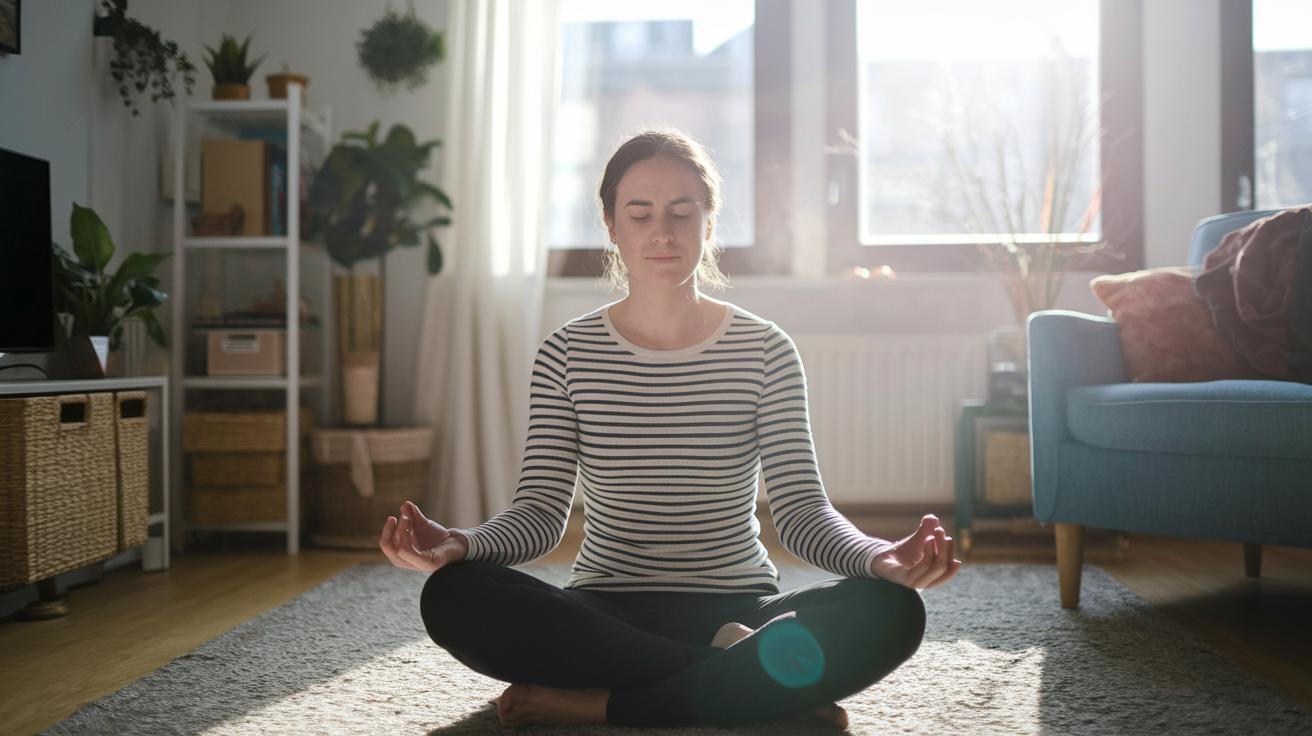
Try mindful breathing or meditation
Take just a few minutes after a hectic task to close your eyes and focus on your breath. Even 5 minutes of quiet breathing can help reset your mind and body.
Workplace Interventions and Organizational Support to Curb Stress and Burnout

Employers can truly help keep stress and burnout in check by offering real support. Many companies now have employee assistance programs that give you quick access to counseling and mental health resources. For example, during a rough week, you might call an on-call support service to ease your worries before they grow.
Flexible hours and remote work options let you balance personal needs with work demands. When you get to set your own schedule, you have more control over your day and can handle stress as it arises. Plus, when your hard work is recognized through simple awards or shout-outs, it boosts your mood and lowers the chances of burnout.
Some companies run well-being campaigns that encourage you to take breaks, move around, and choose healthier foods. Others even organize digital detox days so you can step away from endless emails and screen time for a bit. And with virtual mental health services, you can join online therapy sessions or stress management workshops from wherever you are.
These supportive steps are all about putting your well-being first. By using these ideas, companies help you manage day-to-day pressures and prevent long-term burnout, leading to a healthier, more balanced work life.
When to Seek Professional Help for Stress and Burnout Recovery
If everyday life feels overwhelming and you find yourself stuck in loneliness, constant tiredness, or deep sadness, it might be time to get extra help. When these feelings start to take over your daily routine, try reaching out to a mental health professional who understands what you're going through.
Watch for these signs:
- Feeling isolated or pulling away from friends and family.
- Deep sadness or hopelessness that lasts.
- Ongoing exhaustion that makes everyday tasks feel impossible.
- Struggling to find motivation at work or in your personal life.
To get the help you need, consider options like online therapy, virtual mental health care, or recovery coaching. These methods give you step-by-step guidance from the comfort of home. They can help you spot what sets off your stress and build a simple plan that fits your daily habits.
If your symptoms do not improve or get even worse, talk to a doctor or mental health expert. Professional advice can bridge the gap between quick fixes and a steady path toward feeling better.
Final Words
In the action, we explored how immediate stress can boost energy while long-term pressure leads to burnout. We broke down the signs, causes, and differences between these states and shared simple self-care steps.
We also looked at practical workplace support and when professional help is needed. Small daily changes can ease stress and burnout, helping you feel more balanced and ready to take on the day.
FAQ
What does a stress and burnout PPT explain?
A stress and burnout PPT explains the key concepts, differences, symptoms, causes, and strategies for managing both stress and burnout, using visuals and organized content for easy understanding.
What is explained in the difference between stress and burnout PDF?
The PDF outlines how stress is an immediate response to challenges, while burnout arises from prolonged, unmanaged pressure. It includes clear signs, coping methods, and strategies for prevention.
What are the common burnout symptoms?
Burnout symptoms include chronic exhaustion, detachment from work, diminished performance, and a feeling of emptiness, which signal the need for changes in self-care and workload management.
What do stress and burnout articles offer?
These articles provide practical insights and real-life examples, along with evidence-based tips to help you identify signs, manage everyday pressures, and adopt healthy self-care routines.
What is burnout?
Burnout is a state of physical, emotional, and mental exhaustion caused by long-term stress, leading to detachment, decreased performance, and overall life dissatisfaction.
What approaches are used in burnout treatment?
Burnout treatment combines self-care practices, professional counseling, lifestyle adjustments, and stress management strategies to help restore balance and improve mental well-being.
How do burnout and depression differ?
Burnout is mainly linked to prolonged work-related stress and is situational, whereas depression affects many aspects of life with deeper emotional and mood-related symptoms; professional guidance can help distinguish the two.
What causes burnout?
Burnout is typically caused by chronic work pressures, heavy workloads, a lack of control, and feeling undervalued, which build up over time and can be mitigated by setting clear boundaries.
What does stress burnout feel like?
Stress burnout feels like enduring fatigue, a sense of detachment from work or daily activities, and a constant feeling of being overwhelmed, often accompanied by physical symptoms.
What medication is used for burnout?
There is no specific medication for burnout; doctors may treat related symptoms like anxiety or depression while recommending lifestyle changes, self-care routines, and therapy to support recovery.
How can you get out of burnout?
Overcoming burnout involves gradual lifestyle changes, such as setting healthy boundaries, taking regular breaks, seeking professional support, and adopting small, daily self-care practices.
How long does it take to recover from burnout?
Recovery periods vary; some may notice improvements within weeks with lifestyle changes, while full recovery often takes several months, along with ongoing self-care and support.