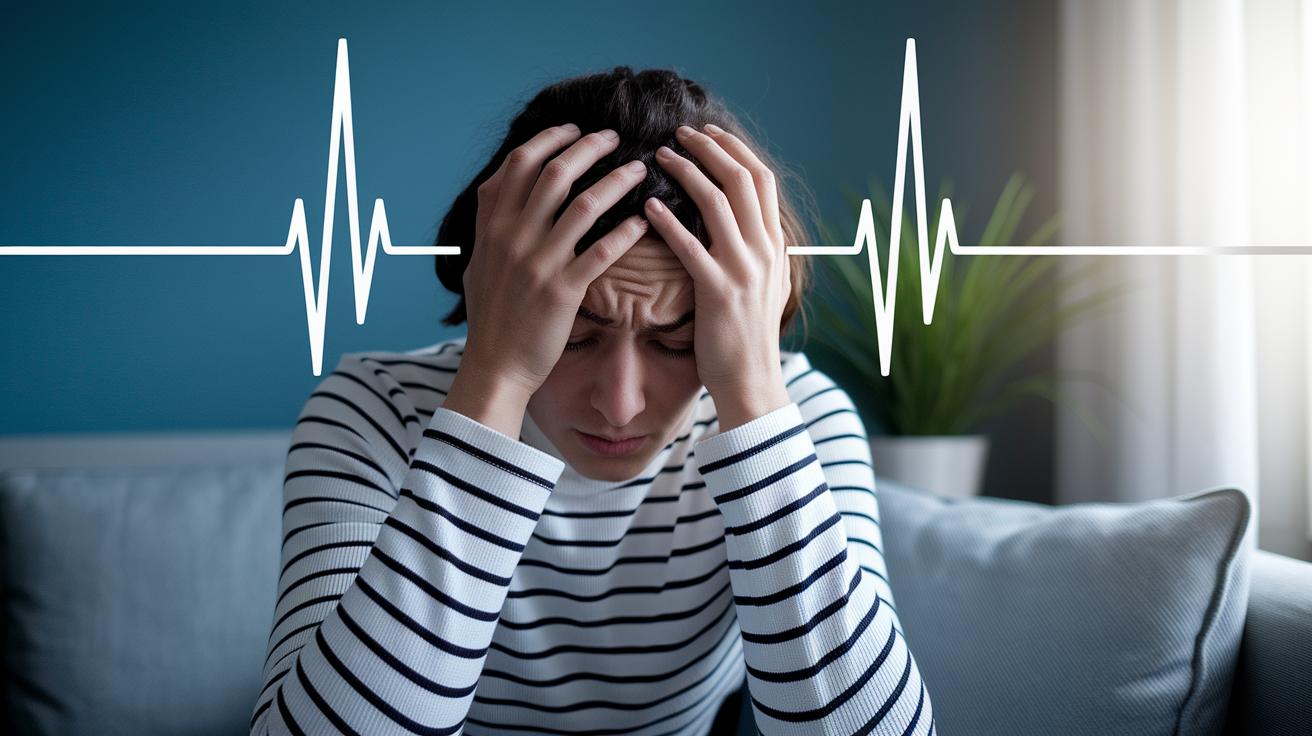
Ever notice how a nagging headache or stiff muscle might mean more than just a bad day? Your body gives you little hints when stress builds up, whether it’s a persistent ache, a mood shift, or a change in your usual habits. Recognizing these common stress signals can help you catch issues early. Pay attention to these cues and try one simple step today to work towards a calmer life.
Primary Indicators of Stress: Understanding Core Signs
Stress is your body’s way of reacting when you feel pressure or danger. A little stress can give you focus, but too much can harm both your mind and body. Studies have found about 30 common signs, which fall into three groups: physical, emotional, and behavioral.
Physical signs might include headaches that come back often, tight muscles, or sleep problems. When you're stressed, your body responds fast. You may notice your muscles feel unusually tight, your stomach starts to hurt, or your palms get sweatier than normal. These quick signals remind you that ongoing stress can lead to long-term strain.
Emotionally, stress can make you feel overwhelmed, easily irritable, or even numb. These feelings can lead to constant worry and a drop in your energy, which can change the way you interact with others.
Behavioral changes are also a clue. You might start avoiding social events or put off tasks that you usually handle. These might seem small at first but can build up over time if the stress continues. Spotting these early signs gives you a chance to take action before the stress becomes a bigger challenge. For example, trying out some stress management techniques for anxiety can be a helpful step.
Noticing these signs early helps you focus on self-care and seek support before stress turns into deeper health issues.
Physical Indicators of Strain: How Stress Shows Up in Your Body
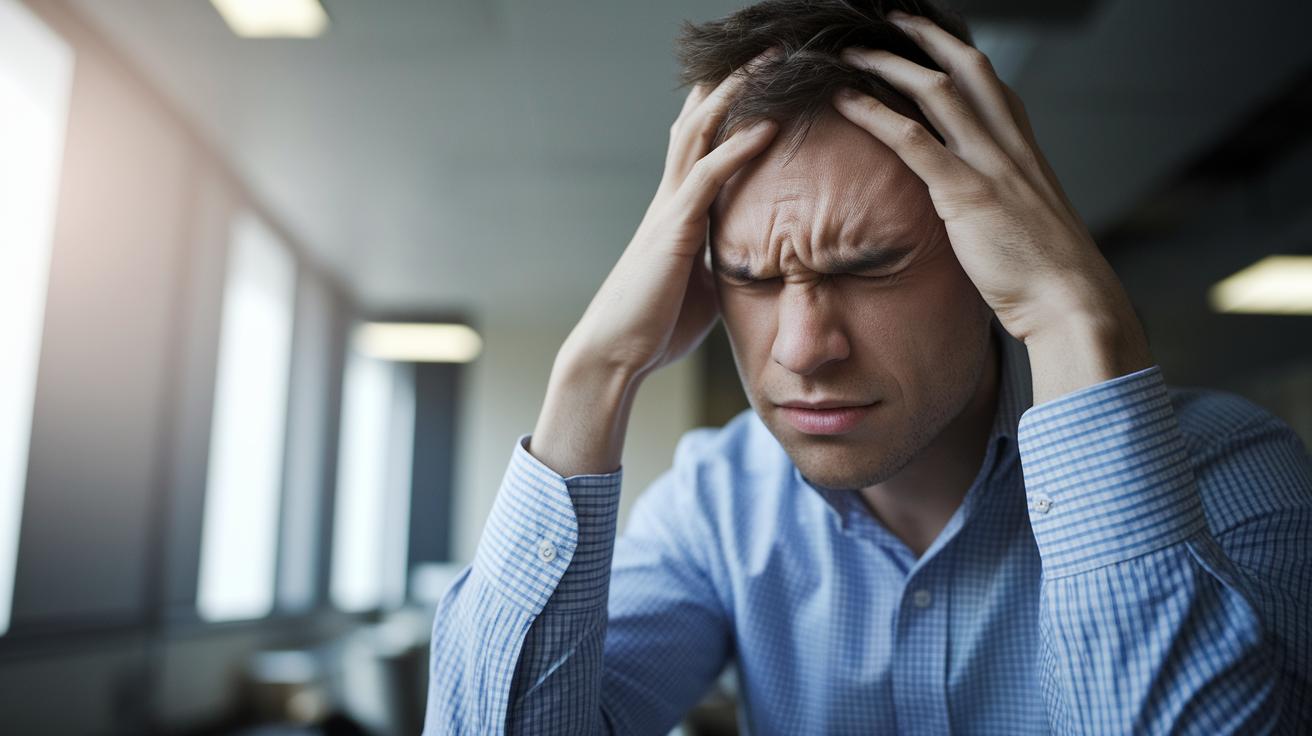
Stress makes itself known through clear signs in your body. When you feel overwhelmed, your body may send signals that it’s working overtime. Spotting these signs early lets you take simple steps to help your body relax.
-
Recurring headaches – You might feel pressure around your head, much like a tight band. For instance, you may say, "When stress builds, my head feels like it’s wrapped in a vice grip."
-
Muscle tension or stiffness – Your neck and shoulders can feel tight or sore, as if they’re carrying extra weight. Many people notice, "After a long day, my shoulders feel stiff, as if burdened by a heavy load."
-
Digestive upset – Stress may cause your stomach to churn, bring on nausea, or even change your normal bowel habits (thanks to the connection between your gut and brain). One might notice, "A stressful day can leave me with a churning stomach or unexpected discomfort."
-
Cold or sweaty extremities – You might see your hands or feet get cold or start to sweat lightly when your body gears up to react quickly.
-
Rapid breathing – When stress hits, you might start breathing quickly and shallowly, a sign that your body is in a heightened state. You might remark, "When I'm anxious, I catch myself taking fast, shallow breaths."
-
Irregular heartbeat – Your heart might beat faster or feel uneven as it works in fight-or-flight mode. Sometimes, you might experience, "My heart skips a beat or races during a stressful moment."
-
Poor sleep quality – Stress can make it hard to sleep well, leaving your body less able to recover. It’s common to say, "On stressful nights, I struggle to sleep soundly and feel tired the next day."
Emotional and Cognitive Signs of Stress: From Mood Swings to Cognitive Fog
Stress can twist your emotions in ways that seem hard to handle. You might feel irritated over tiny things or even break into tears when a small setback occurs. It can feel like you're on a wild emotional ride or even leave you feeling empty, as if the feelings you once cherished have faded.
Stress creeps into your thinking too. Your mind may race so fast that focusing on one idea becomes nearly impossible. You might second-guess your choices or forget simple details, like walking into a room and not remembering why you went there. Sometimes, it feels like your brain is wrapped in cotton, making it really tough to concentrate on everyday tasks.
When your thoughts keep bouncing around, sleep can suffer as well. With a noisy mind at night, it becomes harder to rest, which only makes the fog of stress thicker. Overthinking and struggling to make even simple decisions are clear signs that your brain needs a break.
Behavioral Markers of Stress Overload: When Stress Alters Daily Habits
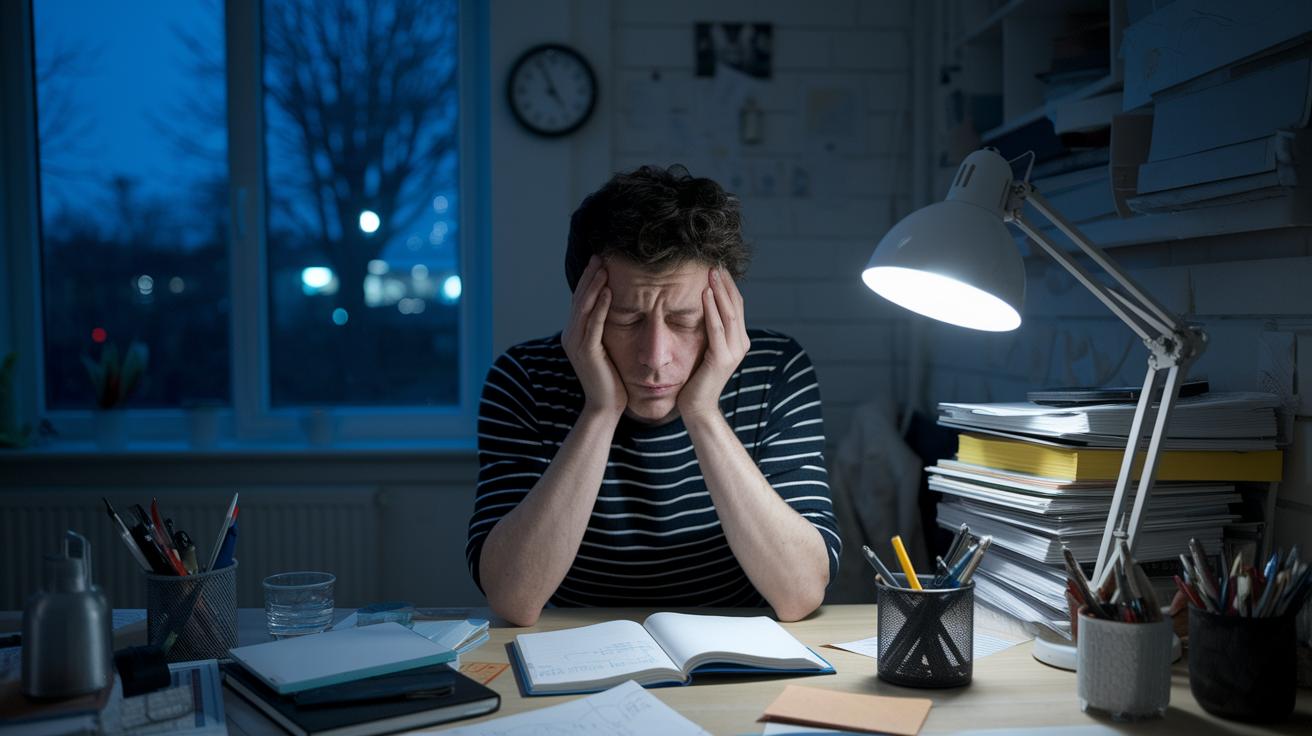
Stress can quietly change your daily routine in little ways. Here are some signs to watch for:
- Changing sleep habits: You might stay up very late or wake up several times during the night, even when you're very tired.
- Appetite shifts: Sometimes you might overeat, and other times you just don’t feel like eating at all.
- Withdrawing from social time: You may start skipping outings or avoiding chats with friends, even if they used to make you happy.
- Procrastinating on tasks: Simple jobs might feel overwhelming, leading you to delay or avoid them.
- Feeling mentally drained: It can be hard to get motivated or make decisions when stress takes over.
Pay attention to these changes, they can help you see if stress is getting in the way of your normal routine.
Chronic Pressure Effects and Coping: When to Seek Help for Stress
Long-term stress can leave your body feeling worn out. When you stay in a high-alert state for too long, your cortisol (a stress hormone) can build up and make you feel constantly drained, even after a full night's sleep. You might catch colds more often or struggle with minor ailments because your immune system is weakened. One person summed it up as, "I feel worn down every day, like I can’t bounce back from even small hassles."
Along with these physical changes, you might also notice your emotions taking a hit. Feeling down, irritable, or numb can slow you down and make everyday challenges feel overwhelming. Sometimes, a racing heart or shaky hands remind you that your body is stuck in a fight-or-flight mode.
When these signs start affecting your daily life, it may be time to seek help. Recognizing stress early gives you a chance to build resilience. Consider these steps:
- Set clear boundaries. Allow yourself to step back when things get too intense.
- Try short relaxation techniques. Even a brief break or change in routine can help reset your stress response.
- Talk with a trusted professional. A doctor or counselor can offer strategies tailored to your needs.
If self-care isn’t easing the pressure or your symptoms worsen, reaching out to a health expert can be a smart move. Early intervention may prevent more serious issues and help you regain balance.
Final Words
in the action, we broke down stress into its physical, emotional, and behavioral signals. We looked at common cues, like body tension, mood shifts, and changes in daily habits, to help you spot stress early. These signs of stress can guide you in taking immediate, simple steps to protect your health. Small shifts, like improving sleep or adding a brief walk, may ease pressure over time. Keep focusing on manageable changes, and remember, each step you take builds a healthier, more balanced day.
FAQ
What are the physical symptoms of stress?
The physical symptoms of stress include repeated headaches, muscle tension, upset stomach, rapid heartbeat, and changes in perspiration. These signs often cause poor sleep and signal that your body is under strain.
What are the psychological signs of stress?
The psychological signs of stress feature irritability, constant worry, mood swings, and difficulty concentrating. These mental cues can affect your decision-making and feel overwhelming at times.
How can I tell if I’m stressed?
You can tell you’re stressed by noticing disrupted sleep, low energy, changes in appetite, and increased nervousness. These clues in your body and mind suggest that stress may be impacting your daily routine.
Can stress make you physically sick?
Stress can impact physical health by weakening your immune system, causing fatigue, digestive issues, and even higher blood pressure. These warning signs indicate that ongoing stress might lead to serious health challenges.
How do stress symptoms differ in women?
Women experiencing stress may notice common physical and mental signs along with unique cues like menstrual irregularities and heightened anxiety. Recognizing these differences can help guide timely stress management practices.