
Ever wonder if bodyweight exercises and heavy lifting deliver the same fitness benefits? They might seem similar at first glance, but each approach has its own goal. In this post, we explain how they work so you can pick what fits your workout plan. Bodyweight training focuses on smooth, steady movements that build endurance. Meanwhile, heavy lifting zeroes in on building raw strength. By understanding these differences, you can choose the method that best supports your fitness goals.
Comparing Resistance and Strength Training: Definitions and Key Differences
Both approaches involve working against a force, but each has its own goal. Resistance training means doing exercises where your muscles push or pull against something. That "something" might be your body weight, a resistance band, a machine, dumbbells, or cables. For instance, doing push-ups or planks uses your body to build endurance and improve coordination. This method is great for athletes and beginners looking to refine their movements and control their joints.
Strength training is a specific type of resistance workout. It focuses on lifting heavier weights with fewer repetitions to build raw power. Imagine trying to lift a heavy suitcase easily. In strength training, you usually do 1–6 reps with longer rest breaks (2–5 minutes). Early improvements here often come from your body learning how to use your muscle fibers more effectively before you notice major muscle growth.
Resistance training covers a range of exercises that boost endurance and overall strength, with a big focus on smoother, more efficient movement. It can also help increase bone density, improve balance, and support fitness for daily life, even helping you sleep better and feel calmer. Regular bodyweight squats, for example, can set a solid foundation for safe exercise.
On the other hand, strength training uses a gradual increase in weight, known as progressive overload, to build power step by step. Each heavy lift adds to your strength, thanks to better muscle and nerve coordination. This is why resistance training is seen as an umbrella term that includes strength training within its broader scope.
In the end, your choice depends on your goals. If you're looking to improve coordination and stamina, try resistance training. If your main aim is to boost your power, focus on strength training.
Resistance Training: Mechanics, Goals, and Practical Applications
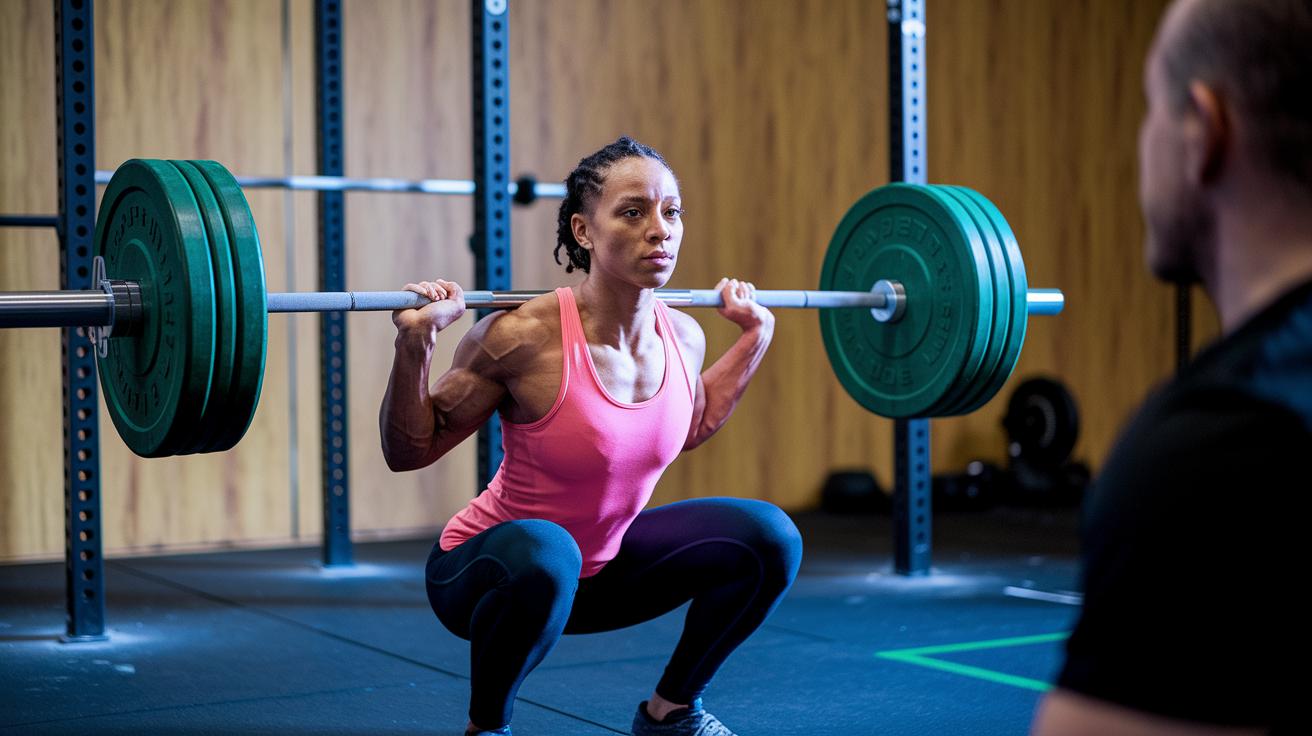
Quick take: Resistance training means working your muscles with extra weight or force to build strength and keep your joints steady.
When you do a resistance exercise, your muscles contract to push against a load. This repeated effort helps your muscles grow and your joints become more secure. Think of a squat: your legs, core, and even your back work together to control the move, which keeps you safe.
Free weights and weight machines each play their own role. Free weights make you use extra muscles for balance and coordination. Weight machines guide your movement so you can focus on good form. For example, using dumbbells for a chest press can push your core to work harder, while a machine chest press keeps the motion on track until you’re ready to try more.
For a practical start, try bodyweight moves like squats and push-ups. Once you’ve got the form down, add resistance bands or light weights. When you can easily do three sets of 12 reps, try increasing the load by about 2-5%. If you’re looking to challenge your muscles even more, explore advanced resistance exercises for muscle growth (see more details here: https://bezenn.com?p=637).
Overall, resistance training is a reliable way to boost strength, improve bone density, and enhance coordination – a great addition to any workout routine.
Strength Training: Principles, Progression, and Exercise Examples
Quick take: Strength training means lifting heavy weights for a few reps (1–6) with rest periods of 2–5 minutes. This style builds strong raw power and helps improve everyday strength.
When you start, pick a weight that feels challenging within your rep range. Over time, increase the load a little bit, about 2-5% more when you can finish three sets of five good barbell back squats. This slow increase helps your muscles get stronger, first by improving how your brain talks to them and later by growing muscle size.
Using the right form is very important for both safety and effectiveness. Practice good technique with moves like deadlifts, bench presses, and back squats. A good tip is to focus on the movement itself rather than just the weight. This focus helps you move better and get more out of your workout.
Resting between sets is a key part of your training. Taking 2–5 minutes to recover lets your muscles work better in the next set. Good rest and nutrition after heavy training boost muscle growth and steady progress.
If you're new to strength training, consider using beginner guides or working with a coach to learn proper form and how to increase weights safely. This careful start builds your confidence and helps you get stronger over time without overdoing it.
- Focus on technique
- Increase weights gradually
- Respect recovery times
Resistance vs Strength Training: Comparative Analysis Table
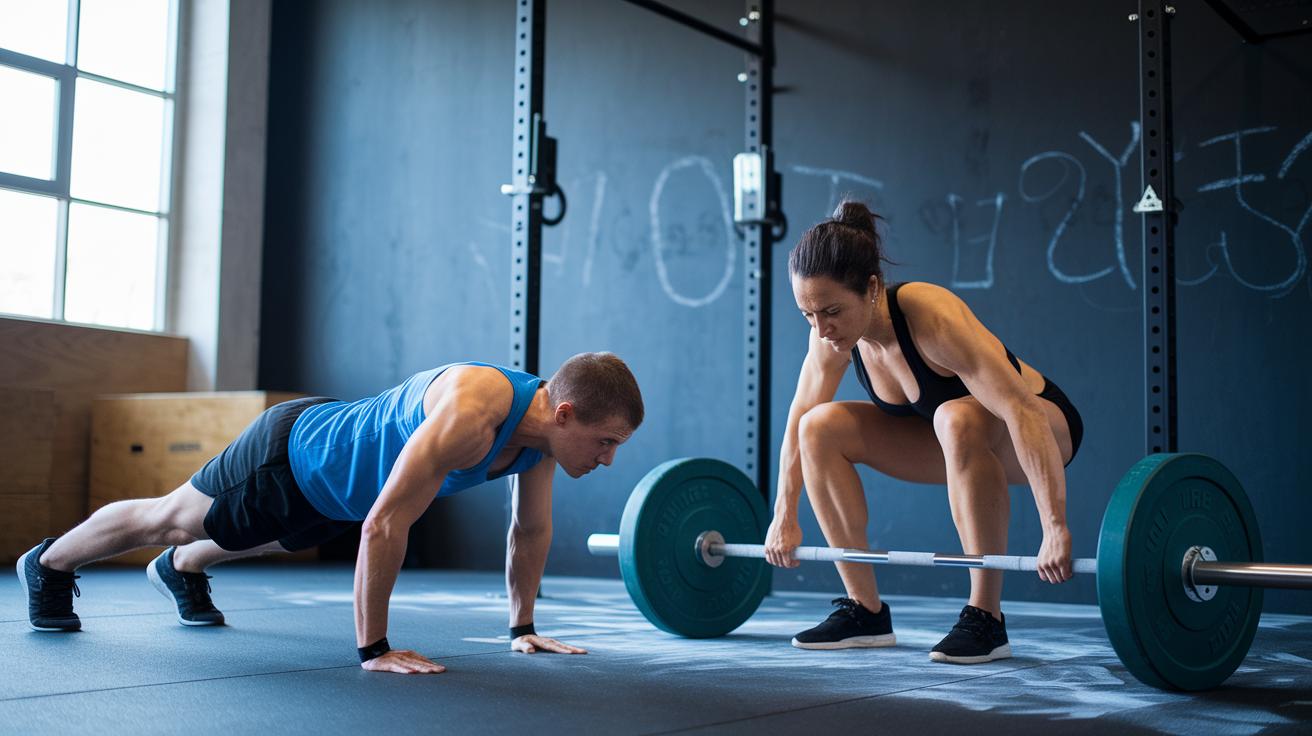
Below is a simple table to help you quickly compare resistance training with strength training. Think of it as a cheat sheet. For instance, resistance training uses bodyweight moves like push-ups, while strength training focuses on heavy lifts with barbells. This side-by-side view makes it easier to see which method may work best for your fitness goals.
| Feature | Resistance Training | Strength Training |
|---|---|---|
| Load Type | Uses your bodyweight, bands, or light weights to build endurance and control | Involves heavy free weights to boost your overall force |
| Repetition Range | Generally uses a moderate to high number of repetitions | Focuses on fewer repetitions (1–6 reps) |
| Rest Periods | Shorter breaks between sets for quick recovery | Longer rests (2–5 minutes) to let your muscles fully recover |
| Primary Goal | Helps improve muscle endurance, coordination, and joint stability | Aims to increase raw strength and power |
| Progression Method | Increases intensity or volume gradually over time | Focuses on progressive overload by adding small weight gains |
| Equipment Needs | Flexible options like bodyweight, bands, machines, or light dumbbells | Requires heavy, dedicated equipment such as barbells and weight machines |
| Neural Adaptation Focus | Builds coordination and improved movement control | Emphasizes better muscle activation and nerve efficiency |
Review this table to see which training style fits your current fitness plans.
Pros and Cons of Resistance vs Strength Methods
Resistance training uses exercises like bodyweight squats to help improve your endurance, balance, bone strength, sleep quality, and overall mood. For example, doing squats regularly builds muscle coordination that supports long-term mobility, making it a great option for beginners or older adults. One downside is that if you keep using the same weight without gradually increasing it, this method might not boost your maximum strength.
Strength training, on the other hand, builds raw power and helps your nerves and muscles work better together. Exercises like barbell squats can lead to big strength gains but require you to focus on correct form and use the right equipment to avoid injuries. This approach is often best for active people or those aiming to enhance their performance, provided they increase the challenge slowly and safely.
Choosing and Combining Resistance and Strength Training for Your Goals
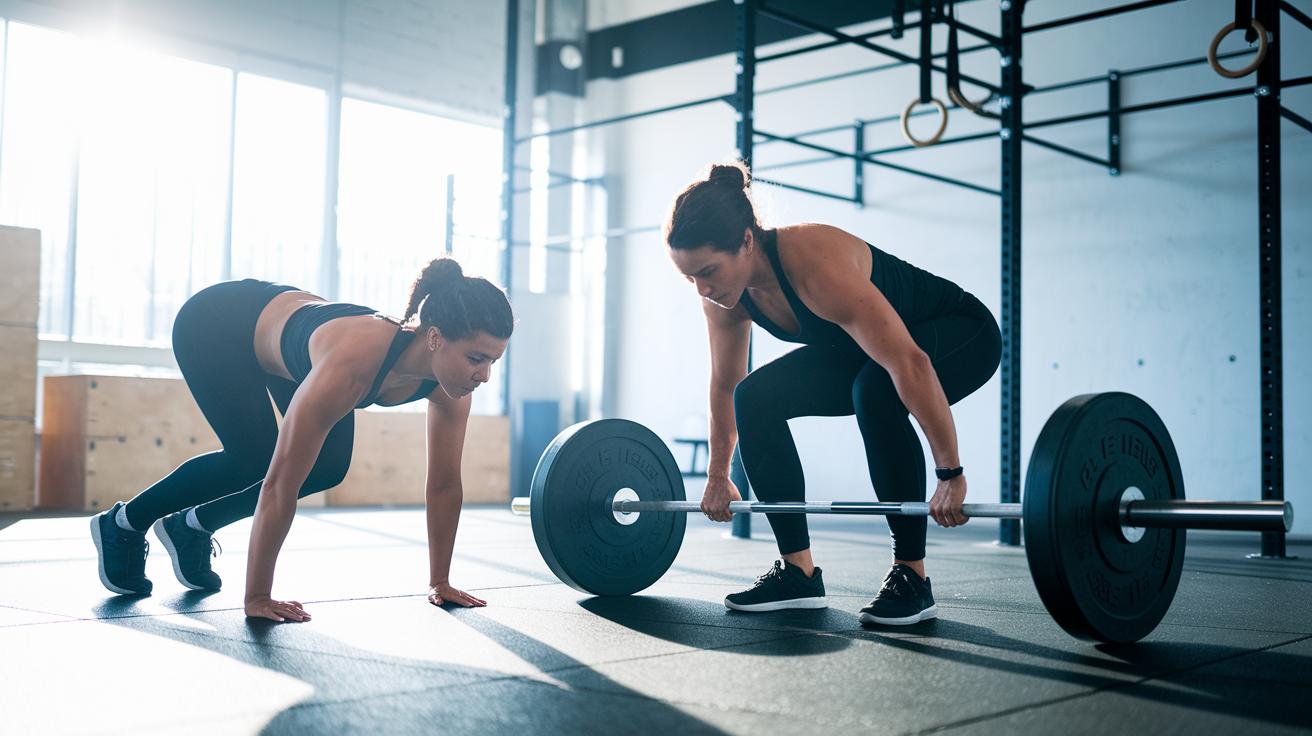
Quick take: Blend bodyweight moves with heavy lifts for steady gains in strength and fitness. Start with exercises that use your own body weight so you can get your form just right. This builds a solid base before you add heavier weights.
Try switching heavy strength days with lighter resistance workouts. For example, work on lifts like deadlifts or bench presses two or three days a week. On the other days, focus on moves like push-ups, squats, or band rows to help with mobility and joint stability.
Plan your workouts by mixing heavy and light days. This helps your muscles recover and supports both muscle growth and the way your nerves work with your body. If you're looking to lose fat, add a bit of cardio during or after workouts to give your body extra burn without taking away from strength gains.
Steps to get started:
- Begin with bodyweight exercises to master your form.
- Aim for at least two solid strength sessions each week.
- Alternate days between heavy lifting and lighter resistance routines.
- Add short bursts of cardio to help with fat loss and boost endurance.
Final Words
In the action, the post walked through clear definitions and key differences between resistance training and strength training. It explained how heavier lifts build maximal force and how diverse resistance methods boost endurance and coordination.
Key points included practical guidance on blending both techniques, safety tips, and how each approach meets specific fitness needs.
This overview helps simplify resistance vs strength training so you can confidently choose what fits your daily routine. Keep moving forward and celebrate each small win along the way.
FAQ
What does resistance vs strength training reddit discussions suggest?
The discussions on Reddit suggest that resistance training covers any exercise against an external load, while strength training targets maximal force using heavier loads with lower repetitions.
How do resistance and strength training compare for weight loss?
These comparisons indicate that both methods aid weight loss. Resistance training can improve endurance and joint stability, whereas strength training builds muscle, which boosts metabolism.
What is the difference between resistance training and calisthenics?
Comparing these shows that calisthenics primarily uses bodyweight exercises to enhance mobility, while resistance training includes varied external loads like bands and weights for broader muscle benefits.
How do resistance training and cardio differ?
The comparison reveals that resistance training focuses on building muscle strength and stability, while cardio exercises target heart health and calorie burn, making them complementary for overall fitness.
Is Pilates considered a form of resistance training?
Asking about Pilates shows that it uses body weight and specialized equipment to improve core stability and control, fitting within the broader category of resistance training.
How does resistance training differ from endurance training?
The difference lies in their goals. Resistance training uses heavier loads for muscle strength and control, whereas endurance training emphasizes prolonged activity and sustained performance.
What distinguishes strength training from hypertrophy training?
The explanation clarifies that strength training focuses on increasing maximal force with heavy loads and lower repetitions, while hypertrophy training aims specifically to increase muscle size through moderate loads and higher repetitions.
Which is better, resistance training or strength training?
The response explains that neither is inherently better; resistance training improves endurance and joint stability, while strength training boosts maximal force. Your best choice depends on your specific fitness goals.
Can you build muscle with resistance training?
The answer confirms that muscle building is achievable through resistance training when exercises progressively challenge your muscles through various external loads, including bodyweight and equipment.
Is resistance training the same as strength training, and does it count as strength training?
The answer notes that resistance training is an umbrella term for all exercises using external loads, while strength training is a subset aimed at maximal force production; many resistance workouts do count as strength training when designed for increasing strength.