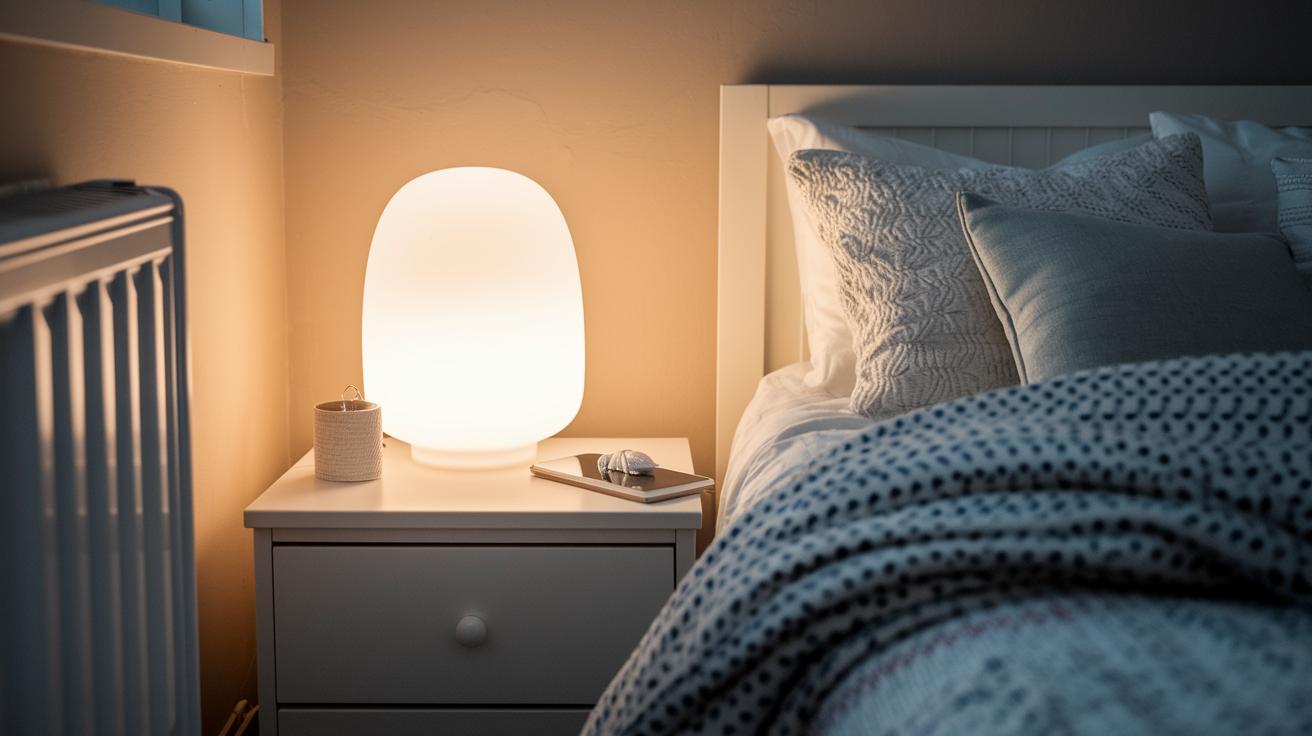
Ever wonder if your evening habits are keeping you awake? Instead of endless screen time and racing thoughts, try a calming routine that eases you into sleep. Replace the hustle with a few simple steps, gentle stretches, slow, mindful breathing, and a moment to reflect. In just 30 minutes, you can turn your busy day into a pathway to deep, refreshing sleep. Why not give it a try tonight?
Building Your Relaxing Bedtime Routine: A Step-by-Step Guide
Begin by setting aside 30 to 60 minutes before bed to shift from your busy day to a calm, relaxing night. This simple routine tells your body it’s time to unwind and ease away stress.
- Turn Off Devices – Stop using all screens at least 1 hour before bedtime. This small habit helps boost your natural sleep hormone, melatonin, making it easier to fall asleep.
- Gentle Stretching – Do a few light stretches to ease muscle tension and help your body relax.
- Mindfulness Exercise – Try a basic breathing exercise to clear your mind and slow your racing thoughts.
- Write It Out – Jot down worries or any loose tasks on your mind so you can leave them aside for the night.
- Reflect on Your Day – Spend a few minutes thinking about small wins or positive moments to set a calming tone.
- Lights-Out Ritual – Dim your lights and create a peaceful, quiet space that tells your body it’s time for deep relaxation.
Feel free to adjust these steps or their timing to fit your personal schedule. With a routine like this, you can ease into sleep and wake up feeling refreshed.
Optimizing Your Sleep Environment for a Calming Night

Your bedroom can help you wind down and get a great night’s sleep. Start by keeping the room cool, around 65°F to 68°F (18°C to 20°C) works best for deep sleep. Use blackout curtains to block out any unwanted light and consider a white-noise machine or a fan to drown out distracting sounds. Dimming your lights also tells your body it’s time to relax.
Next, manage your electronics and air quality. Turn off bright screens an hour before bed or wear blue-light blocking glasses to help your body make more melatonin (the sleep hormone). Clearing away extra gadgets can keep distractions at bay. Plus, letting fresh air circulate by opening a window or using a fan boosts comfort.
These small changes can help you fall asleep faster and make your space a peaceful retreat for both body and mind. Try out these tips and adjust them until you find the perfect setup for you.
Calming Activities to Include in Your Relaxing Bedtime Routine
Guided Meditation
Ease into calm with a simple breathing exercise. Sit comfortably or lie down. Inhale slowly for 4 counts, then exhale for 4 counts. Let distracting thoughts fade as you focus solely on your breath. This tells your brain it's time to slow down and settle into peace.
Gentle Reading
Pick a gentle print book that won't overstimulate you and set a timer for 15–20 minutes. Let the soft stories carry your mind away from everyday worries. Leave the digital screens aside and enjoy a quiet escape that prepares you for sleep.
Soft Music or Podcasts
Play calming music or listen to a sleep-friendly podcast at a low volume. The soft sounds help cover up sudden noises and ease your thoughts, gradually leading you into a state of relaxation.
Light Stretching or Yoga
Try 3 to 5 simple stretches, like rolling your neck, shrugging your shoulders, or doing a gentle forward bend. These easy moves help release muscle tension and signal your body that it's time to wind down after a long day.
Journaling or Brain Dump
Spend a few minutes writing down any worries or tasks that might keep you awake. Putting your thoughts on paper can clear your mind and allow you to set aside what can wait until tomorrow, creating space for rest.
Herbal Tea Ritual
About 30 minutes before bed, enjoy a warm cup of caffeine-free herbal tea, like chamomile or lavender. Let the soothing drink gently warm you and signal that it's time to relax. Savor each sip as part of your calming bedtime routine.
Sample Relaxing Bedtime Routine Planner
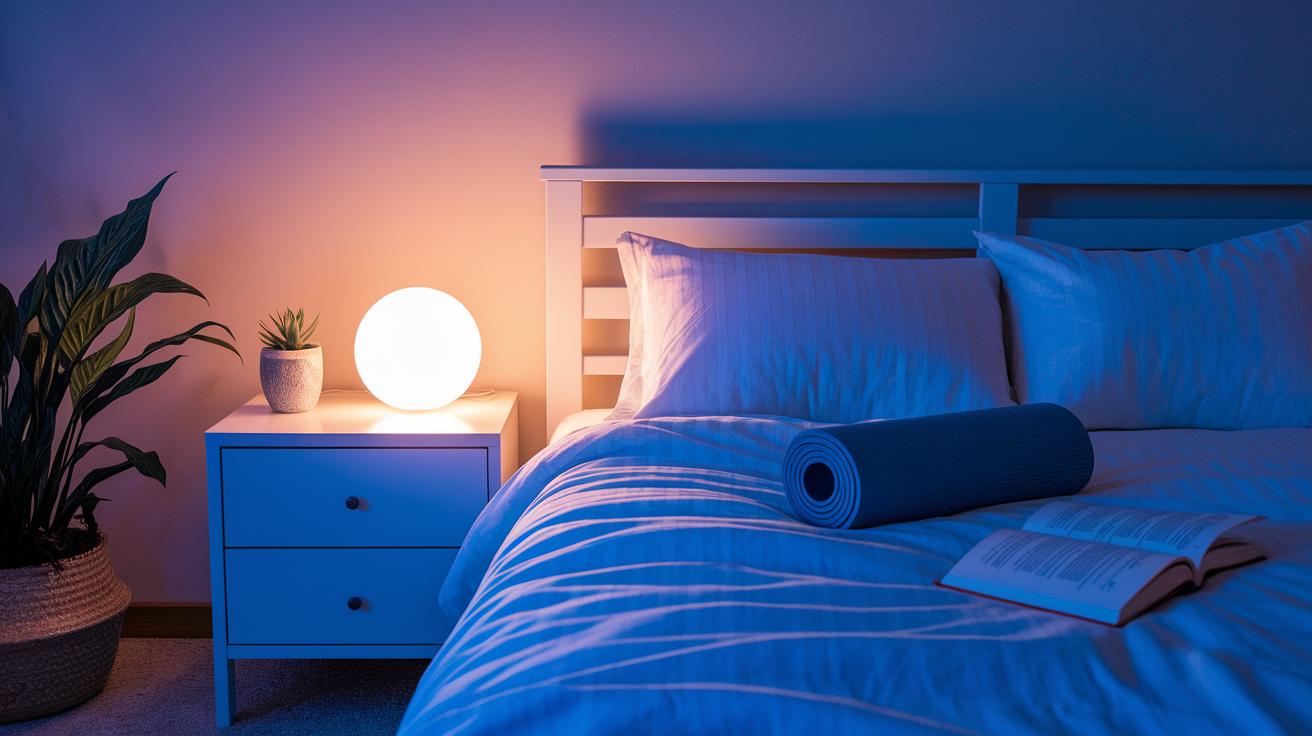
This planner gives you a 45-minute wind-down routine that you can easily tweak to match your schedule. First, turn off your devices to cut out blue light so your body starts to get ready for sleep. Next, do a gentle stretch to ease muscle tension and help you relax. Then, spend some time reading to shift your mind away from the day's worries. After that, take a few minutes to write in a journal, letting go of any leftover thoughts. Finally, end your routine with quiet deep breathing or visualization to settle your mind before bed. Use the table below as a guide, and feel free to change the times for weekends or late shifts. Experiment with each step until your nighttime routine feels just right for a calm, welcoming sleep.
| Time | Activity | Duration |
|---|---|---|
| 9:00 pm | Turn off devices | 5 min |
| 9:05 pm | Do a gentle stretch | 10 min |
| 9:15 pm | Read a book | 20 min |
| 9:35 pm | Journaling | 5 min |
| 9:40 pm | Deep breathing/visualization | 5 min |
Personalizing Your Relaxing Bedtime Routine for Stress and Anxiety
Start your wind-down with a clear signal that tells your brain it's time to relax. For example, set an alarm that reminds you it's time to switch from work to calm. This simple cue helps your mind know it’s time to prepare for sleep.
Try a brief breathing exercise to ease your stress. Practice box breathing for about 5 minutes by inhaling slowly for 4 counts, then exhaling for 4 counts, repeat this a few times. If a structured exercise feels too formal, consider taking a short walk outside. Even a few minutes on foot can help shift your focus from a busy mind to a gentler, more relaxed state.
Mix in other easy strategies that might lower your stress before bed. For example, you could jot down your thoughts in a journal, which studies have shown can reduce anxiety by helping clear lingering worries. Adjust these steps to fit your own needs and notice the changes as they happen:
- Set alarms to mark each phase of your wind-down.
- Use box breathing to steady your heartbeat.
- Write down worries to help clear your mind.
- Dim the lights to create a calm, soothing space.
Final Words
In the action of building your relaxing bedtime routine, we covered clear steps to power down devices, stretch, journal, and settle into sleep-friendly activities. We also showed how adjusting your sleep environment and adding calming exercises can ease the shift from day to night.
Using our sample planner and personalization tips, you now have a solid, research-backed plan to get more restful sleep. Small changes like these can make your nights easier and brighter. Keep at it and enjoy the positive impact on your wellbeing.
FAQ
What should a bedtime routine for adults and teens include?
A bedtime routine for adults and teens includes consistent sleep times, calming activities such as light stretching or journaling, and reducing screen time so your body learns when it’s time to settle down.
How do you create a bedtime routine for babies, toddlers, and kids?
A bedtime routine for young children can involve a soothing bath, quiet storytime, soft lighting, and consistent sleep times to help them feel secure and relaxed before sleep.
How can a bedtime routine help reduce anxiety?
A bedtime routine for anxiety incorporates calming activities like deep breathing, guided meditation, or journaling that help lower stress and signal your body that it’s time to relax.
What is a bedtime routine worksheet for adults?
A bedtime routine worksheet for adults lays out step-by-step actions—such as turning off devices, practicing relaxation exercises, and setting a regular lights-out time—to structure a wind-down that promotes better sleep.
Why is having a bedtime routine important for adults?
A bedtime routine is important for adults because it helps manage stress, signals your body for sleep, and builds habits that lead to improved sleep quality over time.
What is the 3/2/1 bedtime rule?
The 3/2/1 bedtime rule means to avoid food or alcohol three hours before bed, work two hours before, and screens one hour before bedtime, letting your body naturally produce sleep hormones.
What constitutes a good relaxing bedtime routine?
A good relaxing bedtime routine includes calming, consistent activities like device shutdown, gentle stretches, mindfulness or journaling practices that help your mind fully transition to sleep mode.
What does the 10 3 2 rule mean for bedtime?
The 10 3 2 rule suggests stopping caffeine 10 hours before sleep, having no heavy meals three hours prior, and turning off screens two hours before bed to create a favorable sleep environment.
How does the 80/20 sleep rule work?
The 80/20 sleep rule advises dedicating most of your day to active tasks (80%) and reserving the remaining time (20%) for a calm wind-down routine, ensuring you have enough time to relax and prepare for sleep.