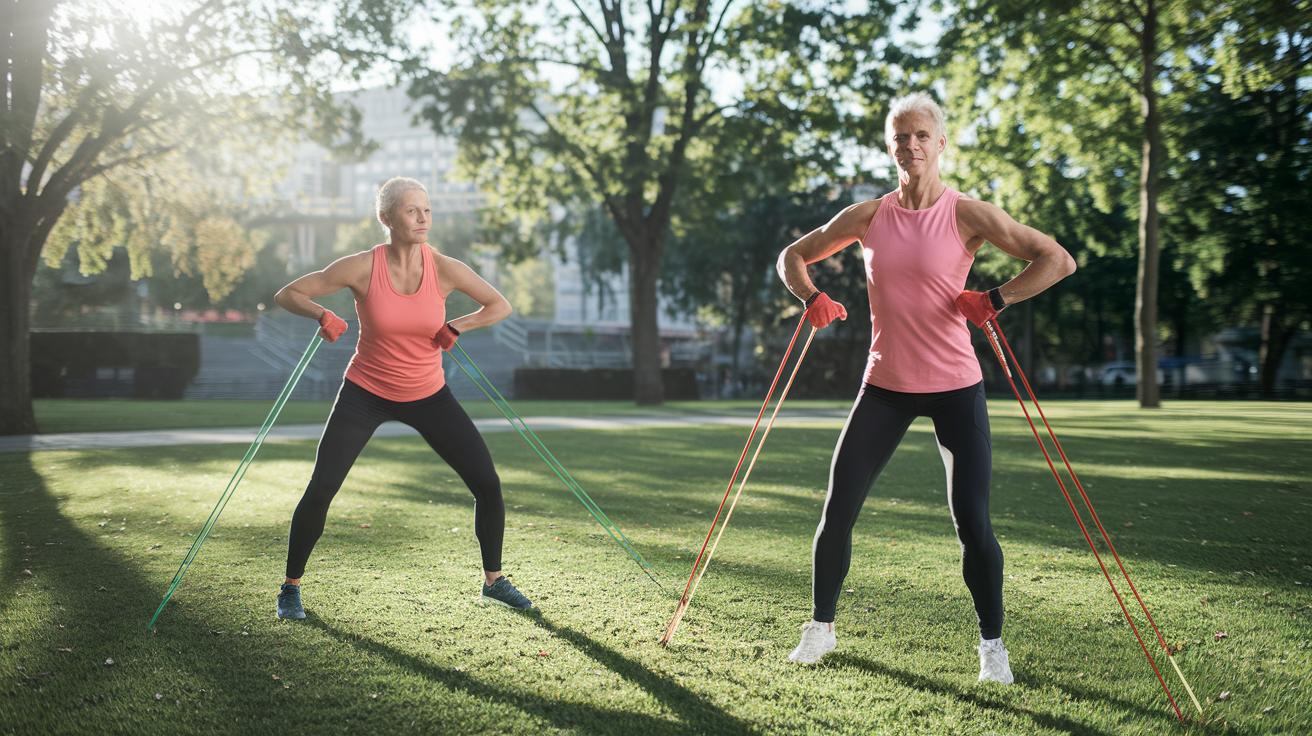
Ever wonder if a simple walk could make a big difference in your health? New studies show that spending just 20 minutes a day moving your body can help lower your risk of hospital visits for problems like pneumonia and gallbladder issues.
Try this: add a brisk 20-minute walk or any activity you enjoy to your day. You might also mix it up with gentle stretching or light strength exercises. These small changes can boost your mood, build your strength, and even support your brain power.
Remember, every step counts. Even a short walk is a practical way to feel stronger and protect your health each day.
How Physical Activity for Risk Reduction Delivers Evidence-Based Benefits
A 2023 study found that adding just 20 extra minutes of moderate exercise each day can lower the chance of hospital visits for issues like pneumonia and gallbladder problems. Even a short, brisk walk can help your body work better and reduce the time you might spend in the hospital.
Small sessions of moderate-to-vigorous activity are linked to a 30–35% lower risk of developing dementia, even in older adults who are more vulnerable. Whether you're taking a fast walk or doing light aerobics, these moves boost your strength, balance, energy, mood, and clear thinking , giving your brain a much-needed lift along with your body.
Switching up your workouts during the week can also make a big difference. Research suggests that varying your routine, like mixing walking, cycling, resistance exercises, or even dancing, may lower the overall risk of dying by about 20%. Trying one or two new activities each week keeps your routine fun, works different muscle groups, and keeps your metabolism active, all of which help lower health risks.
Effective Exercise Types Driving Physical Activity for Risk Reduction

Mixing different kinds of exercise in your week can lower health risks and keep you feeling strong and energized. Changing up your routine works your body in many ways, which helps reduce the chance of long-term conditions.
- Try aerobic activities like walking, jogging, or cycling (riding a bike). These can boost heart health and may lower the risk of heart disease by almost 25%.
- Add resistance work, such as lifting weights or using body weight, to build muscle. This also helps burn more calories while resting, strengthens your bones, and lowers the risk of diabetes.
- Do strength exercises like push-ups or squats to tone muscles and improve your metabolism, making daily tasks easier.
- Give yoga a try to improve balance, protect your joints, and reduce stress.
- Practice Pilates to strengthen your core, increase flexibility, and help keep your body active.
- Enjoy dance workouts for a fun way to boost your heart health and keep your mind sharp.
Switching between these exercises lets your body work differently each day. This variety not only supports your heart with better circulation but also builds stronger muscles and bones. Adding practices like yoga and Pilates can ease stress, while dance classes make your workouts fun. By including these exercises in your weekly routine, you can boost energy, improve balance, and lower your chances of chronic diseases.
Crafting Preventative Workout Strategies for Physical Activity Risk Mitigation
Start small by setting clear, achievable goals. Try walking for 10–15 minutes on 2–3 days each week. This simple routine makes it easier to build a habit without feeling overwhelmed. As you grow comfortable, add 5 extra minutes every two weeks. Even these small, gradual steps can lower your risk of future health problems.
Once your walking habit is in place, mix in easy, low-intensity exercises. Consider light jogging, brief cycling intervals, or simple bodyweight moves. Introducing these activities slowly helps improve your heart health and muscle strength while reducing the chance of injury. Changing your workout frequency and time gradually keeps your progress steady.
Use technology and everyday choices to boost your plan. Track your steps or active minutes with your smartphone or wearable device to see your progress. Small adjustments, like taking the stairs instead of the elevator or parking further away, add up over time. These simple tweaks build consistency and make it easier to stick with your new, active lifestyle.
Sustaining Motivation and Active Living for Ongoing Risk Reduction

Tech tools can give your active routine a real boost. You can use apps or wearable devices to track your workouts and steps. Some studies suggest these tools may boost regular activity by up to 50%. Keeping a simple log of your daily steps or active minutes shows you how far you’ve come.
Pair using tech with support from others. Try taking a walk with a friend or join a local fitness class. Working out with others adds a fun, shared goal that keeps you on track even on low-energy days.
Changing how you think about exercise can also help. Instead of viewing it as a chore, see your workout as a handy tool to lift your mood and increase your energy. Every session acts like a small dose of preventive care for your body and mind, setting the stage for a long-lasting, active lifestyle.
Long-Term Health Outcomes of Regular Physical Activity for Risk Reduction
Keeping active each day makes your body stronger and more flexible. Even a bit of movement can slow the natural decline that comes with aging. Studies show that regular activity can cut the risk of heart problems and type 2 diabetes by about 30%. Even a short daily walk can help balance your blood sugar and boost your metabolism, giving you added protection against various chronic diseases.
Over time, staying active can also reduce your visits to the doctor. Research tells us that people who keep up with regular exercise tend to have 15% fewer hospital stays and lower their health expenses by about 20% over five years. A simple habit, like a brisk walk each day, not only builds a healthier body but can also help keep medical bills in check.
Besides the physical gains, regular movement is great for your mind. Many who exercise report feeling less stressed, more mentally resilient, and generally happier. When your body feels good, your mind benefits too. By staying active, you cultivate more energy, a brighter mood, and a more engaged life overall.
Final Words
In the action of making small changes, you’re already gaining evidence-backed benefits for your body and mind. Mixing different exercise types and tracking your progress can lower hospital stays and lower dementia risk. You can start with short bouts of movement and gradually add variety to your routine. Remember, regular physical activity for risk reduction helps boost heart health, strength, and well-being. Keep moving forward and enjoy the positive shifts one step at a time.
FAQ
What is the “physical activity for risk reduction pdf”?
The physical activity for risk reduction pdf offers clear, research-backed guidelines showing how regular exercise lowers hospital stays and chronic disease risks, helping you start small and build up to effective workouts.
What are the benefits of physical activity?
The benefits of physical activity include improved heart health, strengthened muscles, enhanced mood, better balance, and reduced risk of chronic diseases, with research reporting up to 35 verified benefits.
What are some examples of physical activity?
The examples of physical activity range from brisk walking and cycling to resistance training and yoga, offering various ways to boost cardiovascular, muscular, and mental well-being.
What are the mental benefits of physical activity?
The mental benefits of physical activity feature improved mood, reduced stress, and sharper focus, as exercise increases blood flow to the brain and promotes overall mental resilience.
What are the different types of physical activity?
The different types of physical activity include aerobic workouts, strength training, flexibility routines, balance exercises, high-intensity intervals, light movement sessions, and mind-body practices like yoga.
What are the social benefits of physical activity?
The social benefits of physical activity involve building connections, increasing accountability, and enjoying group workouts, all of which help sustain your exercise routine while boosting overall well-being.