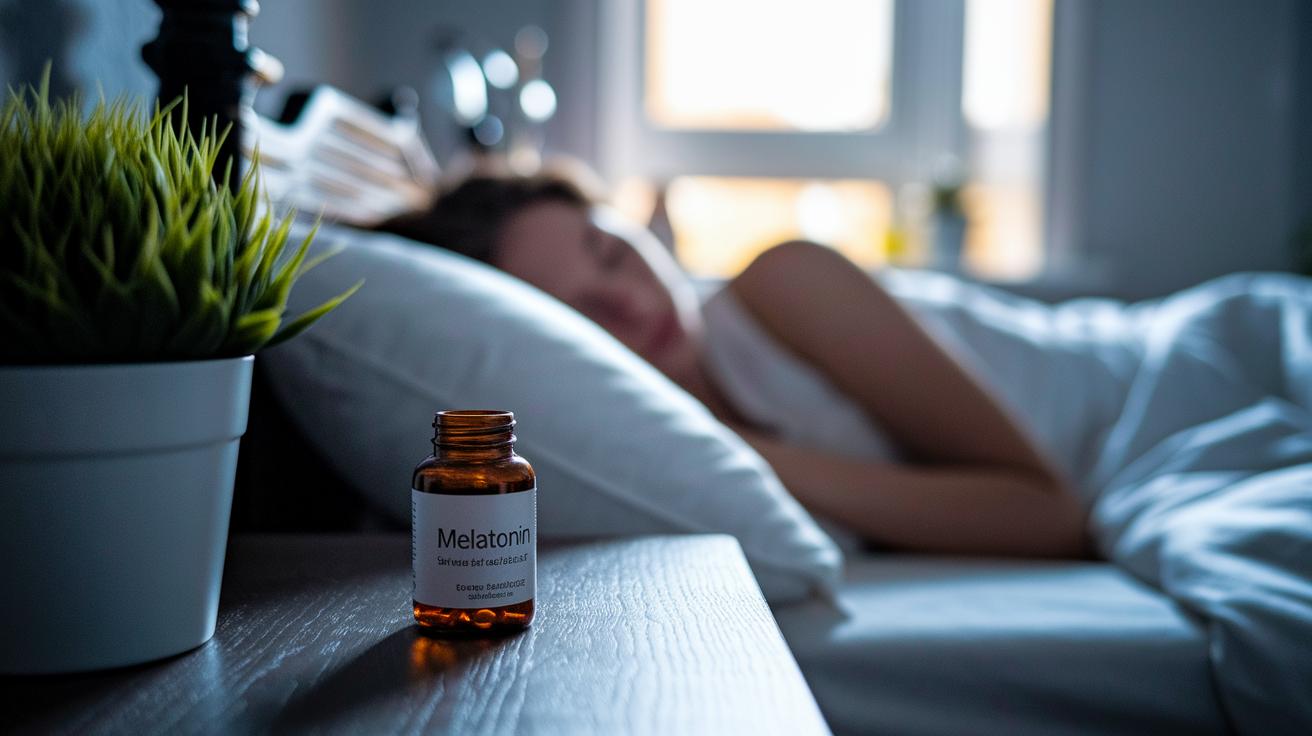
Ever wonder if melatonin really helps you sleep deeply? This natural hormone tells your body it's time to wind down, and many folks turn to melatonin supplements to set their sleep routine. Some research suggests that taking melatonin may help you fall asleep quicker and enjoy a deeper, more refreshing night’s sleep. Keep in mind that the benefits can depend on the dose you take and your individual needs. In this post, we’ll break down how melatonin works and explore if it truly supports the deep sleep you need.
Melatonin for Deep Sleep (Does It Help) Boosts
Melatonin is a natural hormone made in your brain that tells your body when it's time to wind down for the night. When darkness falls, it nudges your body toward sleep. Many people rely on melatonin supplements to help reset their sleep schedule, especially after irregular hours or a late shift.
Research shows that melatonin may help you fall asleep faster and improve sleep quality. In some studies, people reported a quicker transition to sleep and a deeper, more refreshing rest when they took melatonin. Of course, results can vary based on factors like dosage and individual needs, but the general finding supports its use as a nightly aid.
Overall, melatonin is a practical option for boosting deep sleep. It can help steady your sleep routine and enhance the quality of your rest. If you’re looking for a simple way to improve how you sleep, consider adding melatonin to your nighttime routine.
Melatonin mechanism and deep sleep regulation
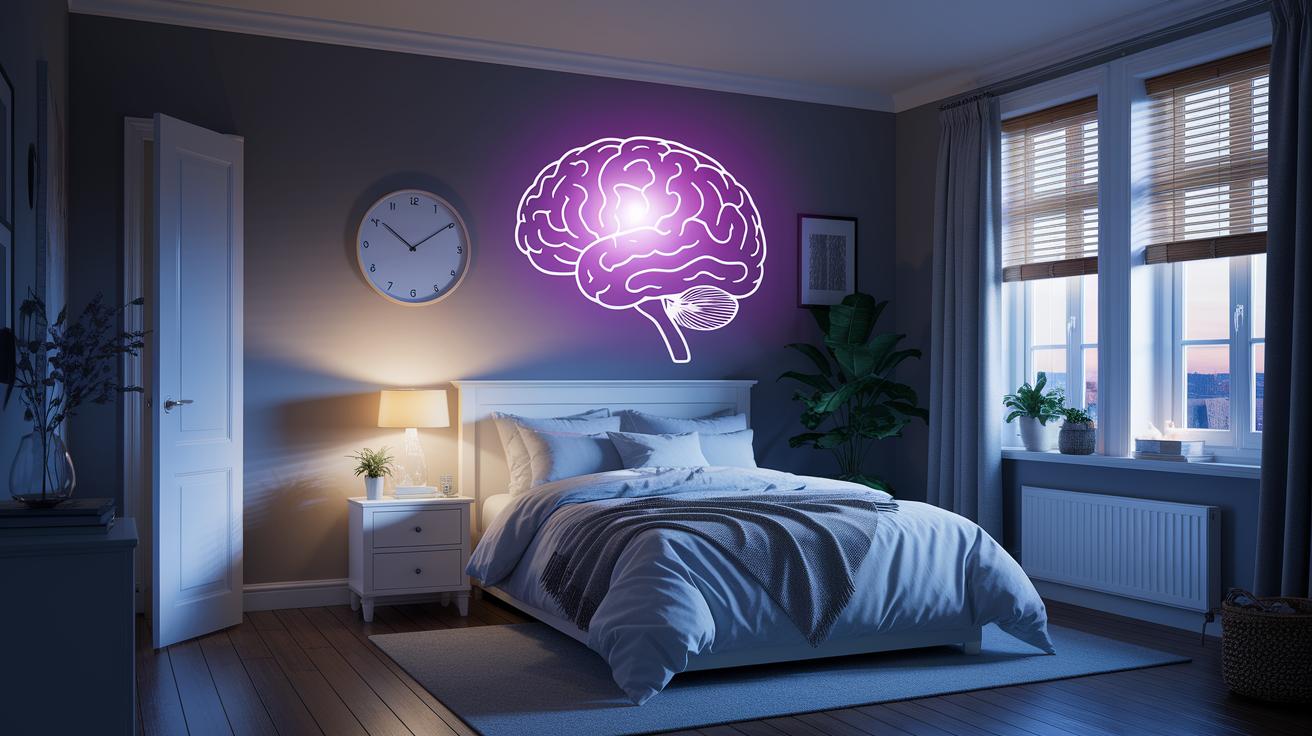
Melatonin is made by the pineal gland when darkness tells your body it’s time to wind down. This natural hormone connects with brain receptors that help guide you into deeper, more restorative sleep. It works with your inner clock so you naturally move into sleep stages that are key for your recovery.
Research shows that when melatonin matches up with your natural sleep cycle, it helps you fall into deep sleep faster and can improve the quality of your rest. This makes it a simple, natural way to support a regular sleep pattern, especially if your sleep schedule is off balance.
Dosage and timing for melatonin deep sleep support
Taking melatonin at the right time can really help signal your body that it’s time to wind down. When you use it correctly, melatonin can kickstart your sleep process and support a fuller, deeper rest. But if you take it too early or too late, you might not feel its full benefits.
Here are some helpful tips:
- Immediate-release melatonin usually comes in doses from 0.5 mg to 5 mg, which works quickly to help you fall asleep.
- Extended-release versions are made to slowly release the hormone, supporting your sleep throughout the night.
- Aim to take your melatonin about 30 to 60 minutes before you plan to head to bed. This gives your body enough time to start the sleep signal.
- Think about your own sleep habits and any medications you’re taking. These factors can help you decide on the best time to take your dose.
One small study found that starting with a lower dose lets you see how your sleep responds. Once you notice the effects, you can adjust your dosage if needed. This personalized approach can help you fall asleep faster and enjoy more restorative sleep overall.
Comparing melatonin with other sleep aids for deep sleep
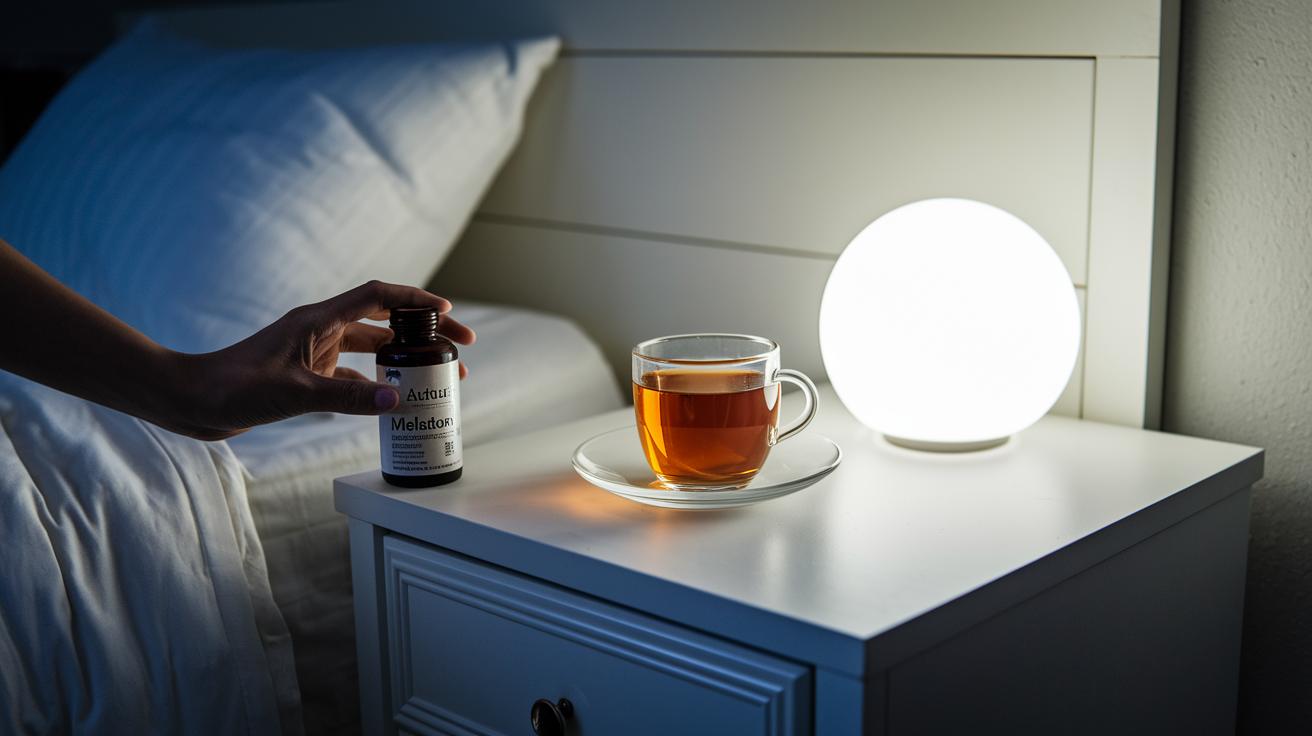
Over-the-counter options like antihistamines and herbal teas are easy to find and can help with insomnia. However, they sometimes leave you feeling drowsy in the morning or may lose their effect if used too often. Prescription sleep aids are usually stronger for ongoing sleep problems.
Melatonin is a natural hormone supplement that many people prefer because it tends to have fewer side effects than many prescription drugs. For instance, one review shared that a user experienced smooth sleep onset with melatonin, without the heavy sedation that can come with stronger sleep aids.
If your sleep issues are mainly due to a disrupted sleep cycle, melatonin might be a great choice. But if your struggle to sleep is linked to anxiety or physical pain, a prescription option could work better for you.
Safety, side effects, and responsible melatonin use for deep sleep
Melatonin is a natural hormone that many people use to help get a deep, restorative sleep at night. It’s usually safe when you follow the instructions on the label and talk to your doctor if you have any concerns. This careful approach can help you avoid side effects like feeling a bit sleepy in the morning or experiencing headaches. Sticking to the recommended dose is key to keeping your nighttime routine safe.
| Side Effect | Risk Level |
|---|---|
| Minor morning grogginess | Low |
| Headache | Medium |
| Hormone imbalance | Rare |
Before you take melatonin, it’s wise to start with a small dose to see how your body responds, especially if you are sensitive to supplements. If you feel the need to increase your dose, do it gradually and under your doctor's guidance. Keep an eye on your sleep patterns and note any changes. If you find that your sleep quality drops or if you have any bad side effects, consider rethinking your routine or seeking professional advice. By listening to your body and using melatonin responsibly, you help ensure it remains a helpful part of your long-term sleep support.
Lifestyle and environmental enhancements to boost melatonin deep sleep
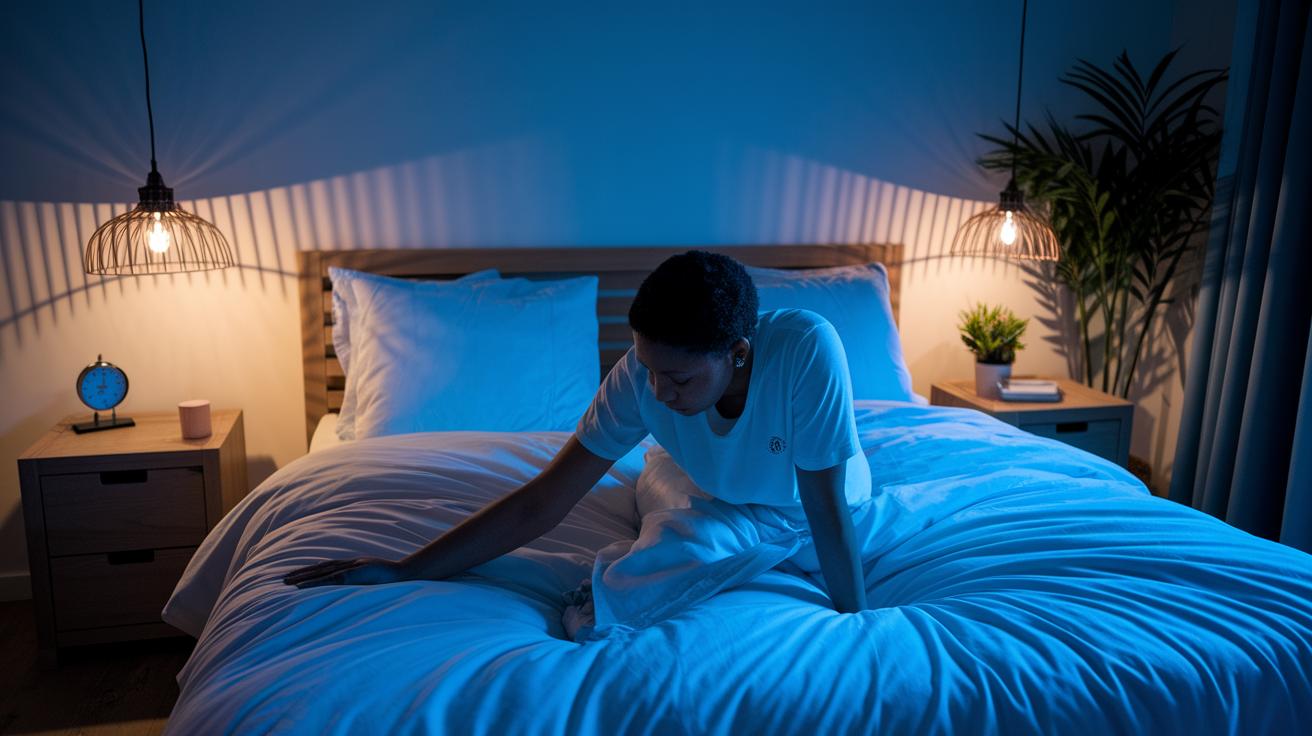
Your bedroom setup plays a huge part in how well you sleep. Start by dimming the lights in the evening; this tells your body that it’s time to unwind and helps boost melatonin, the natural hormone that readies you for sleep. Keeping your room cool, around 65°F (18°C), also makes the space more comfortable, so your body knows it's time to rest. Imagine settling into a dim, cool room where everything feels just right for a good night's deep sleep.
Next, try a simple relaxation routine before bed. For example, do a few gentle stretches, practice deep breathing, or listen to calming music for a few minutes. You might also try a short meditation or light reading to help ease your mind. These small steps can lower stress and smoothly transition you into sleep. By combining these easy changes with the natural boost of melatonin, you set the stage for a deep, restorative night's rest.
Final Words
In the action, we covered melatonin’s role as a natural hormone that supports deep sleep. We talked about its release and timing, compared it with other sleep aids, and highlighted safe usage along with useful lifestyle tips. This step-by-step review aims to give you clear shortcuts to better sleep. Small changes can have a big impact on your nightly rest. Give melatonin for deep sleep (does it help) a try and see how these tips improve your routine.
FAQ
What is melatonin’s role as a natural hormone supplement and restorative nightly aid for deep sleep support?
The role of melatonin as a natural hormone supplement is to support deep sleep by regulating your body’s sleep cycle and promoting a restorative nightly aid for improved sleep quality.
How effective is melatonin for deep sleep based on supplement efficacy analysis?
The supplement efficacy analysis shows that melatonin can support deeper sleep by aligning your sleep-wake cycle, though results may vary depending on individual body responses and usage practices.
How does melatonin influence deep sleep architecture?
The influence of melatonin on deep sleep architecture comes from its regulation of the sleep cycle, which optimizes the transition into deeper stages of sleep by mimicking the body’s natural hormone release.
What does research say about melatonin as a circadian booster?
Research on endogenous hormones indicates that melatonin boosts your natural circadian rhythm, helping to cue sleep processes so your body understands when to prepare for a night of deep, restorative sleep.
How should melatonin be dosed and when is the best time to take it for rest initiation assistance?
Melatonin dosing varies by individual. Typically, use an immediate-release or extended-release dose about 30 minutes to 1 hour before bedtime. This timing aids rest initiation and supports your sleep cycle effectively.
How does melatonin compare with other sleep aids for achieving deep sleep?
Compared with over-the-counter remedies and prescriptions, melatonin stands out by working with your body’s natural sleep processes, although its effectiveness can vary when measured against other products designed for insomnia relief.
What safety guidelines and potential side effects should be considered with melatonin use for deep sleep?
Melatonin is generally safe at recommended doses, but you should consider potential side effects like minor morning grogginess, headache, or rare hormone imbalance. Always follow dosing guidelines and consult a healthcare professional if needed.
Can lifestyle and environmental changes boost melatonin’s efficiency for deep sleep?
Lifestyle improvements, like managing light exposure, adjusting room temperature, and practicing evening relaxation techniques, can work well alongside melatonin to help promote deeper sleep and overall nighttime rest quality.