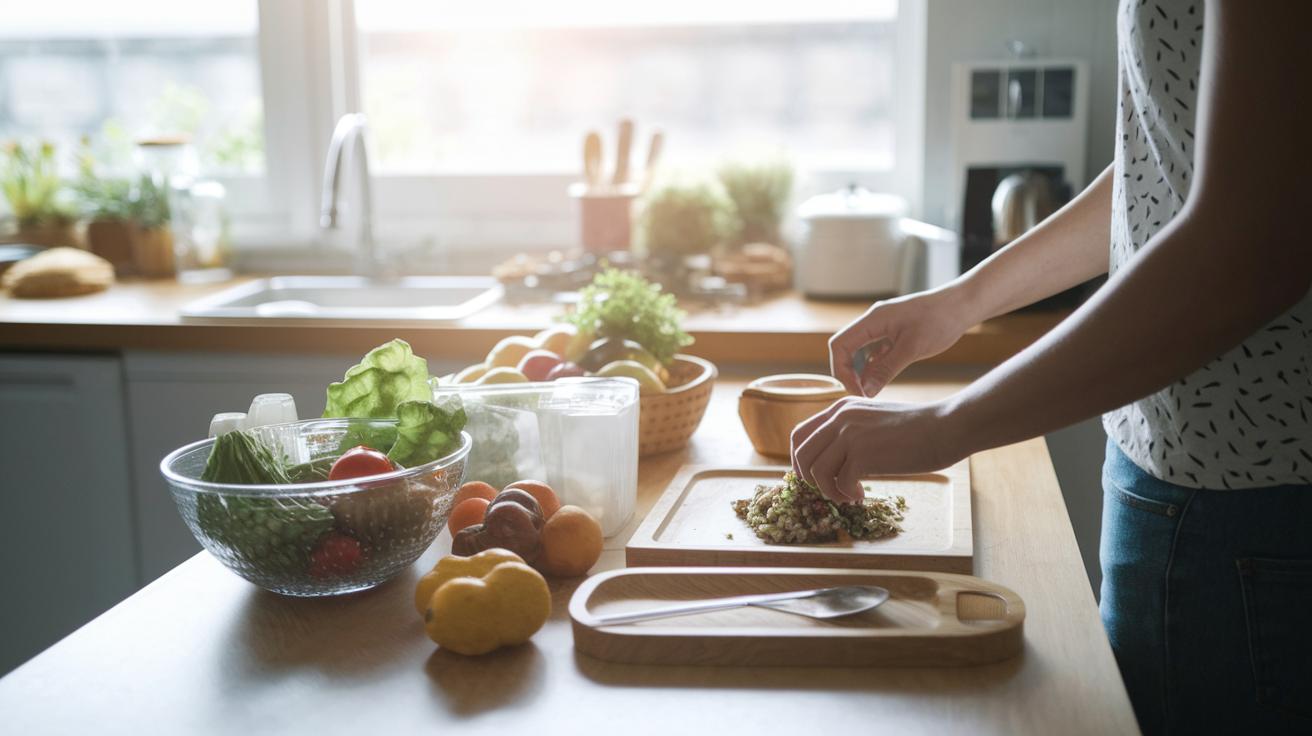
Planning your meals can make cooking for one a lot easier. When you spend a few minutes mapping out your week, you save time, cut down on waste, and even save money. It's like picking your outfit the night before, one small step that sets you up for a smoother day. This simple routine turns a big chore into a quick, enjoyable win with every meal.
meal planning for one: Enjoy Effortless Meals
When you're cooking for yourself, every choice in your kitchen counts. Try planning your meals for five days and leave a couple of nights open for easy dinners. This small step can help you mix up your menu, cut down on waste, and save money. Start by checking your fridge, freezer, and pantry. Think of it like laying out your clothes the night before a busy day, a bit of planning now makes your later routine much smoother. Did you know that one extra home-cooked meal a week can lower your spending and reduce food waste?
Write a detailed shopping list based on your plan. This helps you avoid buying extra fruits or vegetables and forgetting key ingredients. For recipes meant to serve many, use a kitchen scale or simply halve the amounts. Remember, meals for one might cook a bit faster.
Try batch cooking when you have a little extra time. Cook extra portions, then freeze and label them for busy days or when you need a quick, warm meal.
- Check your kitchen supplies before planning your weekly menu.
- Choose a flexible five-day menu with a couple of easy nights.
- Use a kitchen scale or portion planner for single servings.
- Make a detailed shopping list to stay on track.
- Batch cook extra portions and label the leftovers for quick meals.
Crafting Your Personalized Solo Meal Planning for One
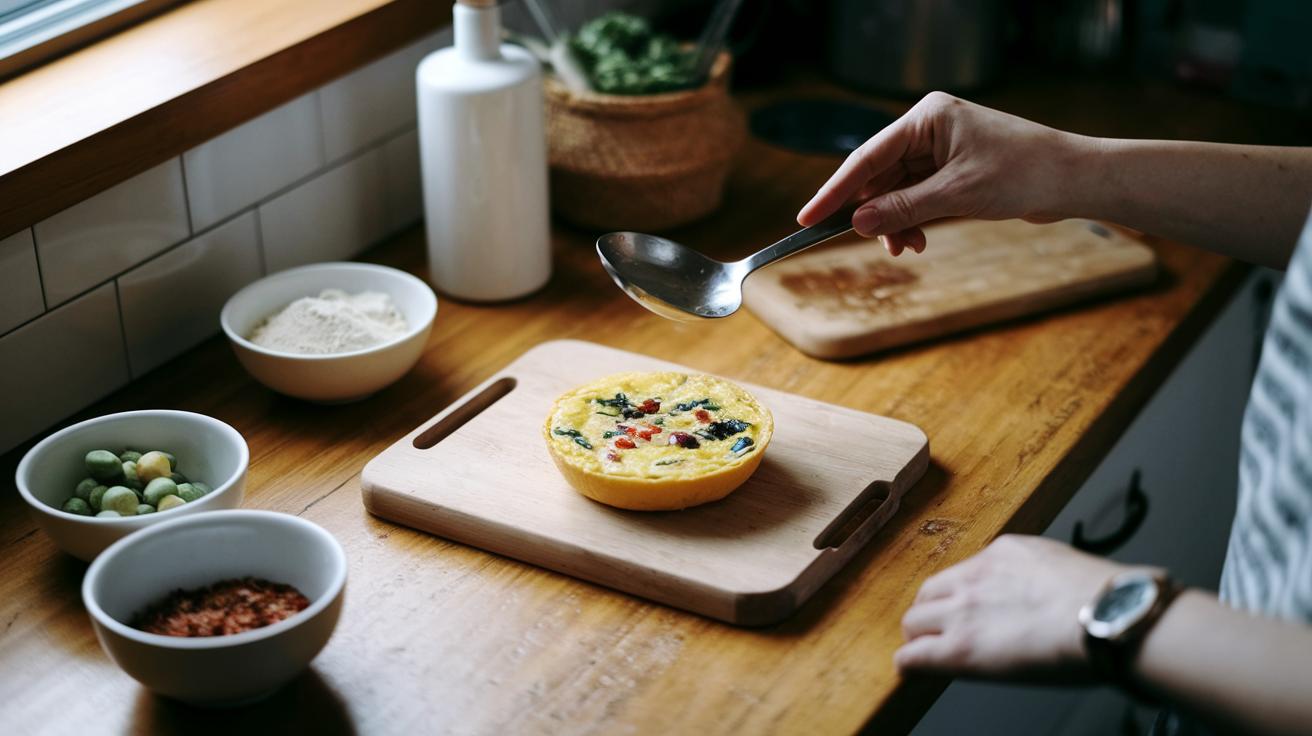
Meal planning for one is a chance to mix healthy eating with your own style. It lets you try fun, single-serving recipes and quick cooking tricks that save you time. Think about reinventing leftovers into new meals, and use simple budgeting tips to keep your food exciting without overspending.
- Experiment with smaller recipes like mini frittatas or single-serve soups.
- Prepare your ingredients ahead of time to make cooking easier.
- Turn leftovers into new dishes, for example, use roasted veggies in a wrap.
- Set a weekly food budget to keep costs in check.
- Adjust your portion sizes to enjoy balanced meals and reduce waste.
Turn your everyday cooking into a personal dining adventure. For more details on planning, check out How to Meal Plan (https://bezenn.com?p=191) and use these ideas to boost variety and efficiency in your kitchen.
Designing a Weekly Solo Culinary Schedule in Meal Planning for One
Think of your weekly meal plan as a friendly roadmap to making home-cooked meals easy and fun. By planning your meals for the week, you set a routine that helps you try new flavors and keep cooking exciting. You can mix and match themes each day to fit your mood and schedule.
For instance, you might dedicate one day to Mediterranean flavors, enjoying dishes that mix fresh herbs, olive oil, and lemon. On another day, set aside two hours to quickly prepare meals like lasagna roll-ups that save you time on busy evenings.
Leftover nights are perfect for creativity too. Transform yesterday's dinner into a fresh grain bowl or a new kind of sandwich. This trick not only cuts down on waste but also gives you a fun new twist on old favorites.
And don’t forget a rotation of vegetarian dinners. Try single-serving ideas like herbed gnocchi, stir-fried tofu with veggies, or spicy bean salads. These dishes help keep your meals balanced, budget-friendly, and full of variety.
Building an Efficient Grocery List for One-Person Meal Planning
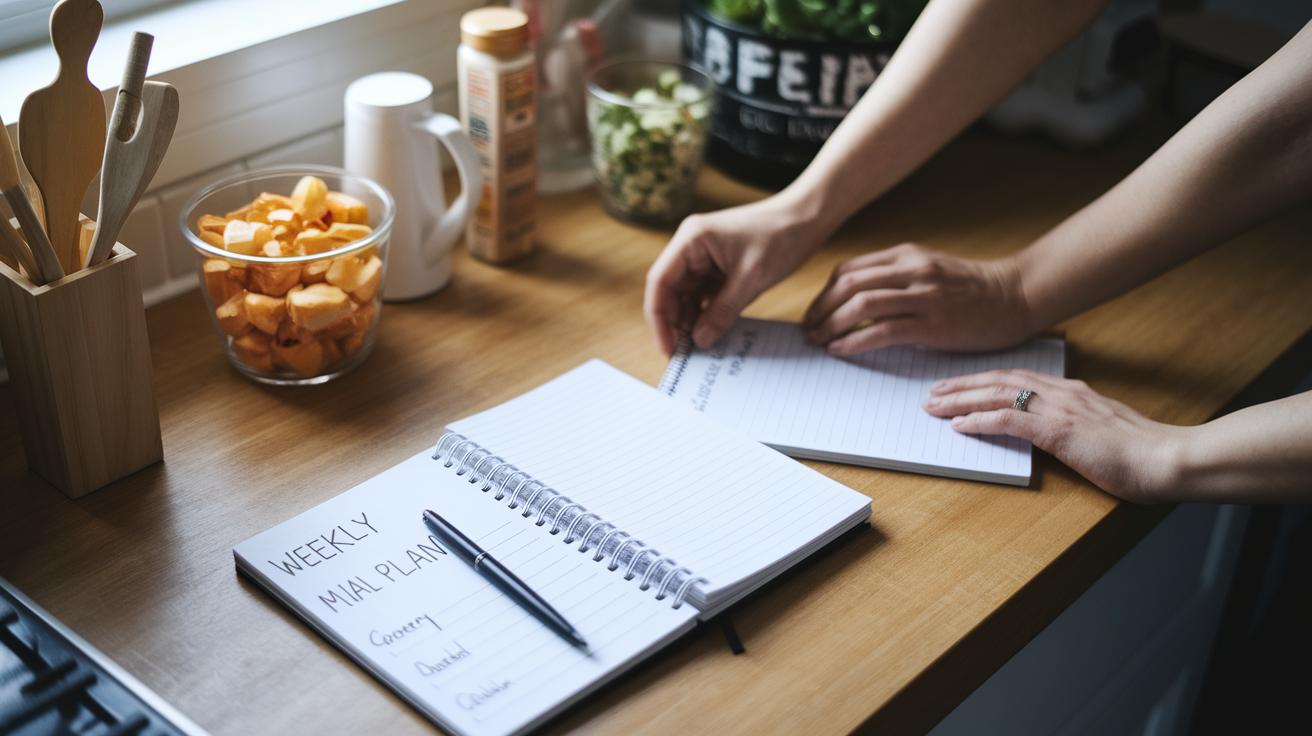
When you're cooking just for yourself, a smart grocery list can really simplify things. Match your list to your meal plan for the week so you know exactly what to buy. This helps you dodge impulse buys and avoid buying extra fruits and veggies that might go to waste.
If you shop in bulk or share a kitchen, consider splitting costs with a roommate. Pick up versatile staples like canned tomatoes, beans, lentils, stock cubes, and dried herbs. These items last long and can work in many recipes, saving you money and reducing waste.
Once your meal plan is ready, write out a detailed shopping list. Organize the list by categories like produce, pantry, and spices. This makes your store run smooth and ensures you never miss an ingredient, saving time and keeping your budget in check.
Recipe Scaling and Portion Techniques for Meal Planning for One
Scaling recipes for one doesn’t mean you have to compromise on flavor. With a few small adjustments, you can transform a family-size dish into a perfectly portioned meal for one. Using tools like a kitchen scale or digital planner helps you hit the right measurements while reducing waste.
Using a Portion Planner
Digital and printable portion planners make it simple to break down recipes meant for many into a single-serving version. Just enter the original recipe details, switch the servings from four to one, and you'll see each ingredient automatically adjusted. This approach keeps your dish balanced and flavorful while taking the guesswork out of your cooking.
Adjusting Cooking Times
Remember, smaller quantities often cook faster than larger ones. You might need to lower the heat or trim the cooking time a bit. Rely on your kitchen scale for precise measurements, and pay close attention with visual cues and timers to check if your meal is done. These tweaks help keep your dish from overcooking and preserve both its texture and nutrients.
Using these easy strategies, you can enjoy meals that are just right for one, tasty, nutritious, and perfectly portioned.
Batch Cooking and Storage Strategies in Solo Meal Planning
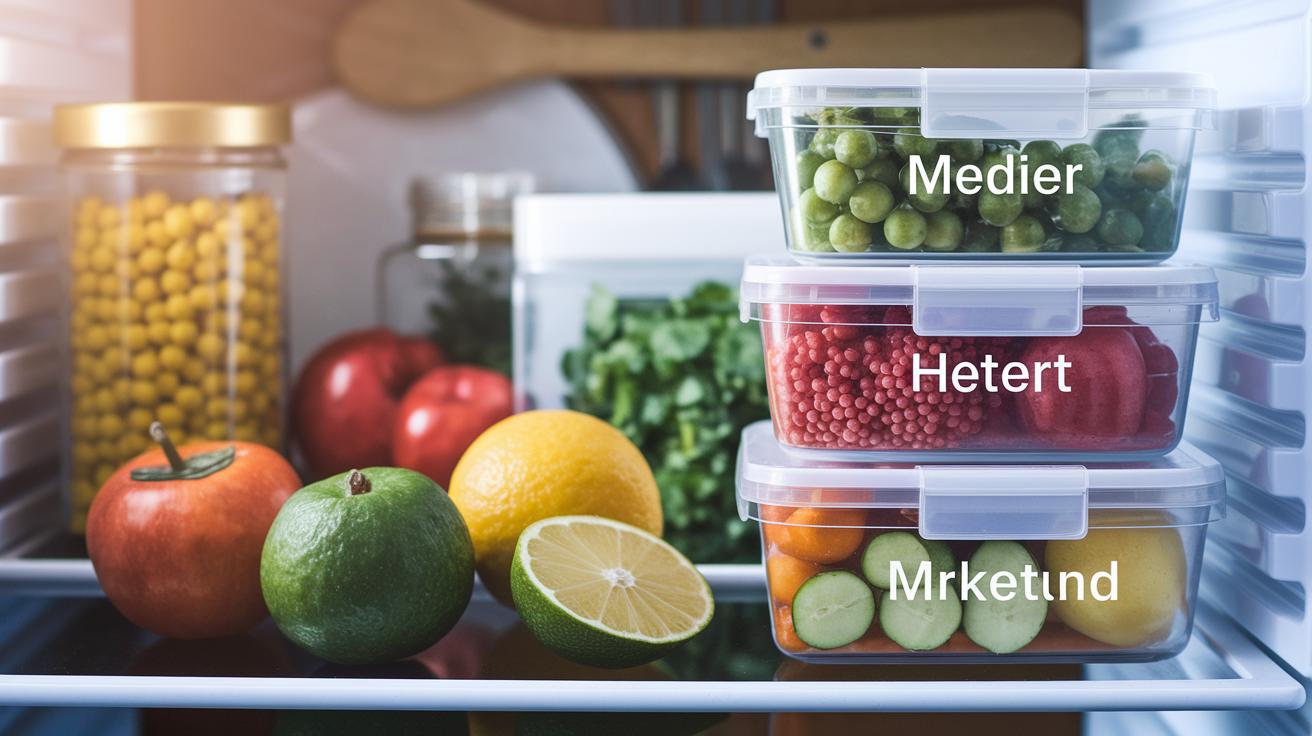
Batch cooking is a smart way to save time and money when you’re cooking just for yourself. By making a larger portion of food, you can prepare meals ahead of time for those days when everything feels rushed. For example, you might cook a big one-pot stew and then divide it into small containers. Each container becomes a ready-to-eat meal when you need a quick fix, all while cutting down on daily prep work and reducing food waste.
When you plan your batch cooking sessions, label each container with the date and the portion size. This simple step helps you keep track of freshness and makes sure that your servings are just right. It’s also a good idea to keep your cupboard stocked with long-life items like canned tomatoes, beans, and stock cubes. These staples can easily mix with your prepared meals, and an organized fridge and freezer will help you grab what you need in no time.
Another handy tip is to divide leftovers into single-meal portions and clearly mark each container. Having meals frozen in small, ready-to-go packages is a real game changer when your schedule is packed. This approach not only provides you with nutritious choices but also helps curb the urge to order takeout. A little planning today means you’ll have smoother, stress-free mealtimes tomorrow.
Sample Single-Serving Recipes for Streamlined Meal Planning for One
Planning meals for one can be simple and satisfying. With these single-serving recipes, you get tasty options for breakfast, lunch, or dinner that fit neatly into your busy day. Each dish is designed to be both nutritious and quick, so you can enjoy a balanced meal without extra hassle.
For example, you might warm up with a one-pot chili when the weather calls for comfort, or try a light bowl of overnight oats for a fast, energizing breakfast. These recipes offer just the right portions, cutting down on waste while keeping the process straightforward.
| Recipe Name | Prep Time | Servings | Storage |
|---|---|---|---|
| One-Pot Chili | 30 min | 1 | Refrigerate 3 days |
| Salmon Skillet with Chickpeas | 25 min | 1 | Best fresh or freeze |
| Pasta Primavera | 20 min | 1 | Refrigerate 2 days |
| Veggie Stir-Fry | 15 min | 1 | Refrigerate 2 days |
| Overnight Oats | 5 min prep | 1 | Refrigerate overnight |
These recipes come with clear prep times and handy storage tips so that you can make nourishing meals quickly, even on your busiest days. Mix and match these ideas throughout the week to keep your meals fresh, healthy, and perfectly portioned for one. Enjoy the ease of meal planning and the delight of eating well!
Cost-Saving and Waste-Free Tips in Meal Planning for One
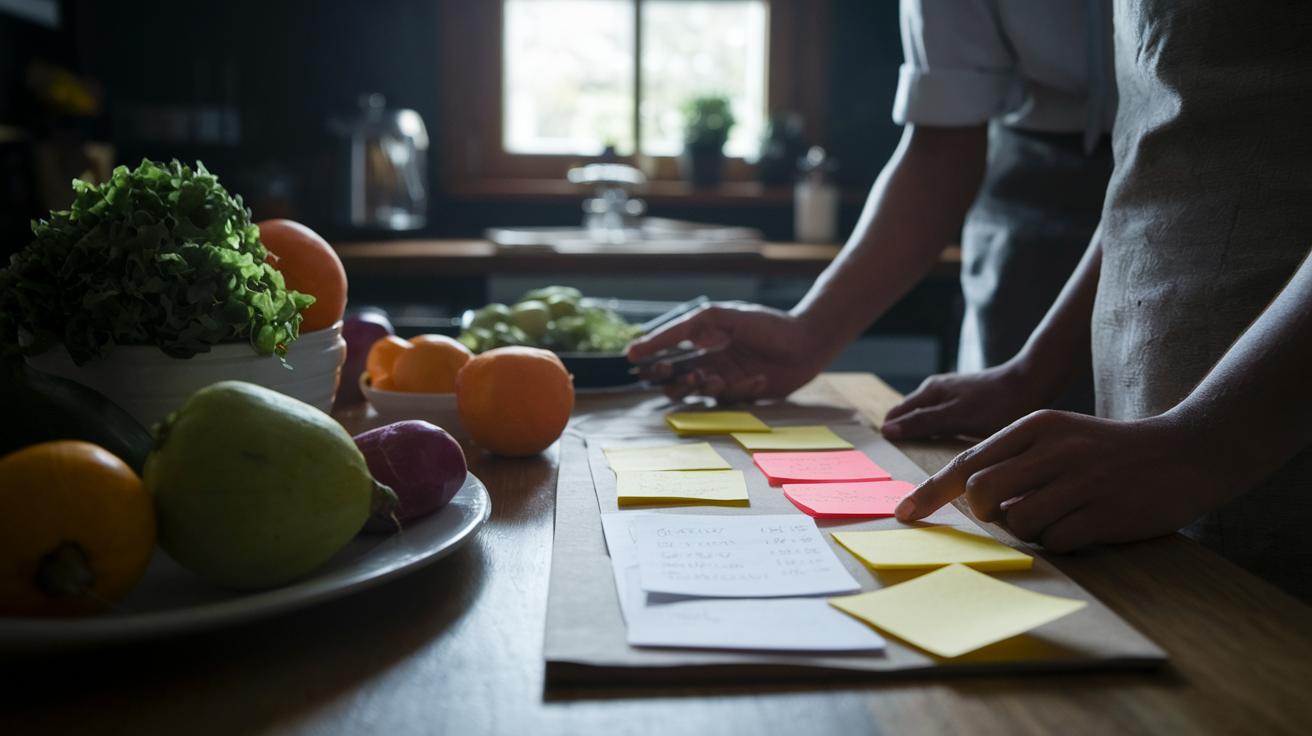
Plan your meals carefully to buy just what you need. Decide how many servings you'll make and shop accordingly. For example, if you’re making three salads this week, buy only enough lettuce for those three meals.
Keep an eye on perishables by tracking their dates. Write expiration dates on a sticky note or in your phone, and plan meals using ingredients that are about to run out. This way, you can easily turn last night’s roast into a tasty wrap or a fresh salad the next day.
Choose ingredients that work in different dishes to save money and reduce waste. Create a simple budget sheet that shows the cost per serving and lists items that can be used in multiple recipes. For instance, if you have extra beans in the fridge, add them to a stir-fry or soup for an affordable protein boost.
Final Words
in the action, you learned how to build a simple, effective meal planning for one routine. You explored designing a weekly menu, crafting smart grocery lists, and adjusting recipes for single servings. We also covered batch cooking tips and cost-saving ideas to cut waste and boost savings. Each step is designed to make mealtime quicker and more nutritious. Keep applying these small changes and enjoy the benefits of stress-free, nourishing meals every day.
FAQ
Frequently Asked Questions
What is a 7-day meal plan for one person?
A 7-day meal plan for one offers a weekly guide to balanced meals. It helps you reduce food waste, save money, and simplify cooking with structured menus and a clear grocery list.
How can I plan meals for one on a budget?
Budget meal plans for one focus on cost-saving techniques like using staple ingredients, repurposing leftovers, and planning meals ahead. This approach reduces waste and keeps your nutrition on track.
How do I create a meal plan for one that includes a grocery list?
Creating such a plan means outlining your weekly meals, adjusting recipes for one serving, and preparing a detailed shopping list to buy only what you need, helping you save money and prevent waste.
What is the 5 4 3 2 1 rule for groceries?
The 5 4 3 2 1 rule for groceries is a simple guideline for buying portions from different food groups. It helps you target measurable quantities to match your planned meals and avoid overbuying.
How do you plan a single-person meal?
Planning a single-person meal involves designing a flexible meal schedule, adapting recipes to one serving, and crafting a specific grocery list to streamline daily cooking and minimize food waste.
What is the Meal Planning for One book?
The Meal Planning for One book offers practical guidance for preparing balanced meals for one. It provides tips on scaling recipes, organizing grocery shopping, and ensuring a varied, nutritious diet.