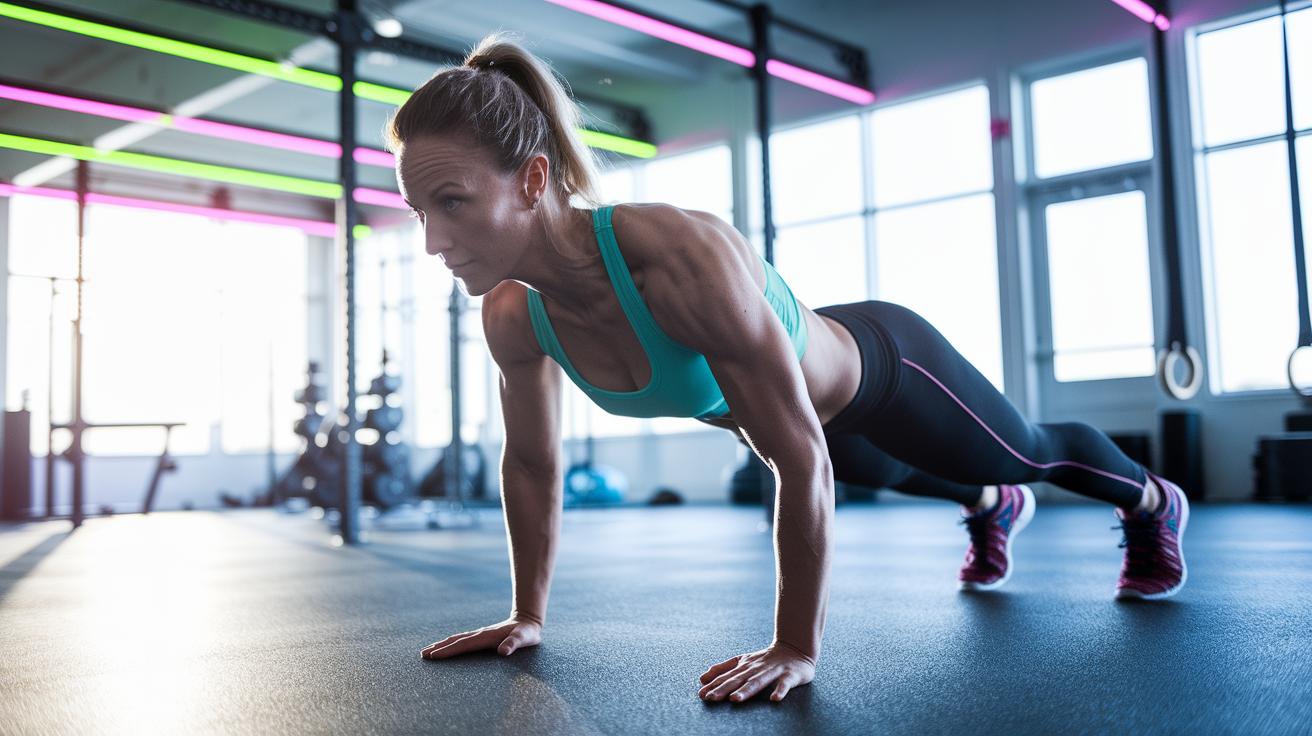
Quick take: In just 20 minutes, you can boost your strength and get your heart pumping with a high-intensity lower body workout.
Try these moves:
- Squats – strengthen your legs and glutes.
- Lunges – work your thighs and balance.
- Calf raises – tone your lower legs.
These fast bursts help tone your muscles and burn calories. Even when you're busy, this simple routine can help you feel more powerful and energized.
20-Minute Lower Body HIIT Circuit
Ready for a quick, no-equipment workout that burns calories and tones your muscles? This session uses eight bodyweight moves to boost your strength and stamina. You don’t need any gear, just your energy. The exercises work your quads, hamstrings, glutes, calves, inner and outer thighs, hip flexors, and core. For more ideas, visit our link on bodyweight workouts at home.
- Squat & Calf Raise – 30 seconds of work followed by a 10-second break
- Double Squat Jump – 30 seconds of work followed by a 10-second break
- 80/20 Squat – 30 seconds of work followed by a 10-second break
- Front Lunge + Squat Jump – 30 seconds of work followed by a 10-second break
- Sumo Squat & Lunge – 30 seconds of work followed by a 10-second break
- Curtsy + Lateral Lunge – 30 seconds of work followed by a 10-second break
- Side-Chair Squat Pulse – 30 seconds of work followed by a 10-second break
- Lateral Bound + Squat Jump – 30 seconds of work followed by a 10-second break
This circuit mixes bursts of high-intensity exercises with short rests to help you burn fat and build muscle at the same time. Every squat, jump, and lunge challenges your muscles and boosts endurance, giving you a powerful glute and leg workout. Try it on a busy day when you need a fast and effective sweat session that lifts your heart rate and sculpts your lower body. Enjoy the burn and celebrate the strength you build with each move!
Equipment-Free Power Blasts for Legs & Glutes

Sample Superset Pair
Give these two exercise pairs a try, perfect for when space is tight. Start with Jump Squats and Reverse Lunges. Work each move for about 20 to 30 seconds, and then rest for 10 to 15 seconds before switching. Next, move on to Plyo Lateral Bounds and then Calf Raises with the same timing. Aim to repeat this sequence for three rounds. For example, do 20 seconds of Jump Squats, rest for 10 seconds, do 20 seconds of Reverse Lunges, and continue. This simple routine revs up your muscles and keeps your heart working hard.
Form & Alignment Tips
Keep a sharp eye on your form to get the most out of your workout while staying safe. Stand with your feet about shoulder-width apart during squats and land softly when you jump. Always engage your core (the muscles in your stomach and lower back) to support your back. Let your knees track over your toes during lunges and bounds. This careful alignment not only helps burn more calories but also cuts the risk of injury. Think of your body as a strong, steady beam with each move.
Beginner Modifications
If the faster, high-impact moves feel too tough at first, slow things down a bit. Swap Jump Squats for regular squats and replace Reverse Lunges with static lunges. You can even use a chair or a wall for balance during jumps. These small changes help you build strength safely while still getting the good benefits of a bodyweight leg workout.
Dumbbell-Powered Lower Body HIIT Supersets
Boost your leg workout with a mix of strength and cardio using dumbbells. This routine targets your quads, hamstrings, and glutes while keeping your heart rate up. You'll perform 4 different dumbbell superset pairs. For each move, do 12–15 reps, then rest for 30 seconds before starting the next pair. Aim to complete 3–4 rounds in total. Choose dumbbells weighing 10–25 lb (4.5–11.3 kg) so you find the right challenge and feel in control. If you don't have dumbbells handy, try similar bodyweight exercises.
Below is a table that shows each superset pair with the recommended reps, weight range, and rest time:
| Superset Pair | Reps | Weight Range | Rest |
|---|---|---|---|
| Goblet Squats & Romanian Deadlifts | 12–15 each | 10–25 lb | 30 sec |
| Weighted Reverse Lunges & Calf Raises | 12–15 each | 10–25 lb | 30 sec |
| Dumbbell Step-Ups & Lateral Lunges | 12–15 each | 10–25 lb | 30 sec |
| Dumbbell Sumo Squats & Deadlifts | 12–15 each | 10–25 lb | 30 sec |
These dumbbell exercises are a great way to build muscle and boost your endurance at home. Enjoy the challenge and pace yourself, every rep gets you closer to stronger legs and a healthier heart.
Plyometric Lower Body HIIT Sequences
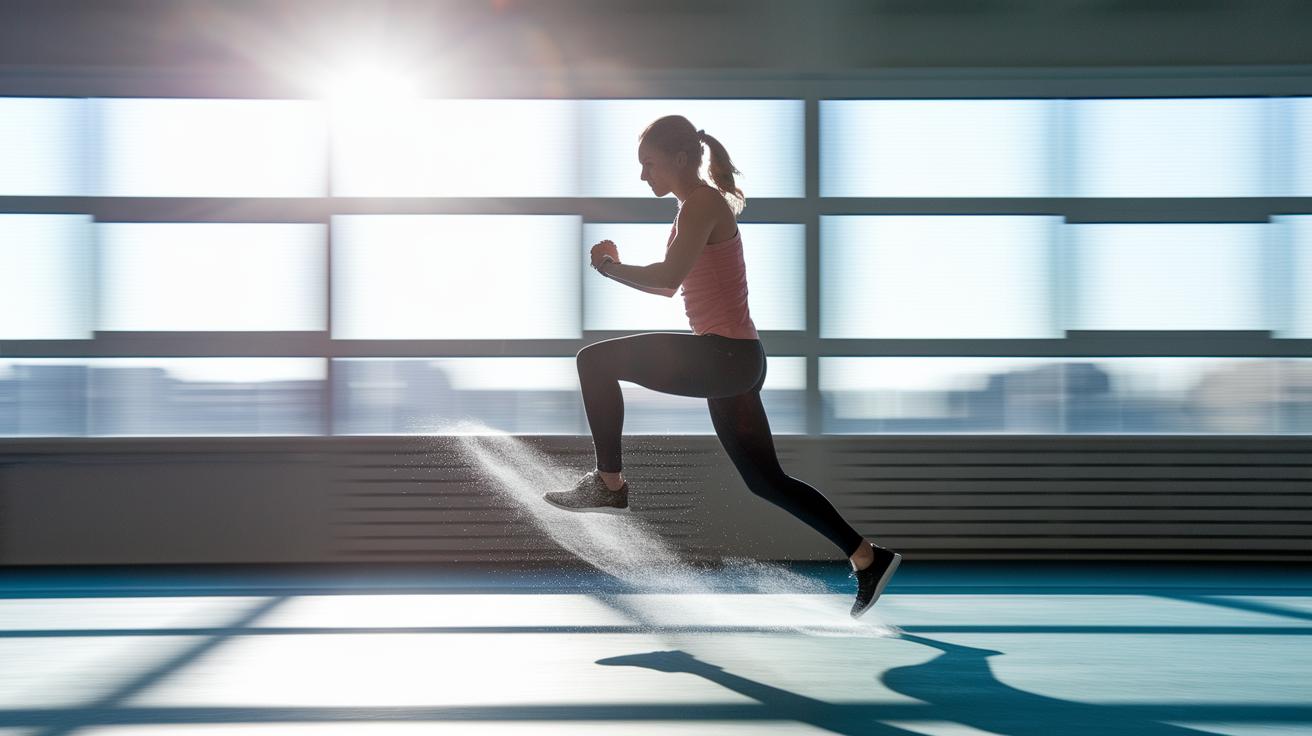
Jump Lunge Intervals
Try adding jump lunge intervals as a fun extra to mix up your workout. Instead of repeating the basic move, sharpen your timing and aim for a soft, quiet landing, like stepping on fresh, powdery snow. This tweak can quickly build explosive leg strength when you add it to your main routine.
Plyo Squat Sequences
Switch out your regular squat jumps with a slight change: add a gentle tuck jump. This small adjustment challenges your core and keeps your workout feeling new. Imagine each jump lifting you lightly off the ground, like a controlled bounce. Use it as a bonus when your usual plyo squats start to feel too routine.
Burpee-Lunge Combo
Mix things up with a burpee-lunge combo that works more muscles at once. Start with a burpee and flow straight into a lunge. Focus on a smooth, controlled descent during the lunge, using the burst from the burpee to keep your momentum. Think of it as moving through a well-rehearsed dance move. Aim for 20–30 seconds of work followed by 10–15 seconds of rest, and practice slowly until you get the hang of it before you speed up.
Modifications, Progression & Safety for Lower Body HIIT
Start by adjusting your moves to match your current fitness level. For instance, you can shorten the lunge motion or use a chair to steady yourself during squats. Warm up your glutes beforehand with easy clamshells and banded lateral walks. These small changes help you target key muscles while keeping proper form, easing you into the lower body circuit without too much strain.
Then, slowly increase your challenge. Try lengthening your work intervals or adding a bit of weight to squats and lunges to boost muscle endurance. You can also mix in glute bridges and controlled step-ups. As you get stronger, add drills that work your core and legs together to improve balance during quicker movements.
After each workout, take time to cool down and recover. Stretch your hamstrings and quads gently and consider foam rolling to relieve any muscle tightness. Make sure to include rest days and light mobility work to help your muscles rebalance and soothe soreness. When you're ready, try introducing a glute hamstring circuit to further build your strength.
Final Words
In the action, this article broke down a 20-minute lower body HIIT circuit and explained equipment-free routines, dumbbell-powered drills, plyometric sequences, and safe modifications. Each section offered clear steps, timing cues, and form tips to help you get the most out of your routine. The blog post serves as a quick guide for anyone ready to move, aiming to boost fat burn and build muscle tone. Embrace the power of lower body hiit workouts and enjoy the positive changes they bring.
FAQ
Frequently Asked Questions
Q: What are lower body HIIT workouts with weights?
A: The lower body HIIT workouts with weights challenge your leg and glute muscles with resistance moves like weighted squats and lunges, boosting strength and enhancing calorie burn.
Q: How can I perform lower body HIIT workouts at home?
A: The lower body HIIT workouts at home use bodyweight moves or minimal equipment routines with timed bursts and short rests, building muscle endurance and burning calories without a gym visit.
Q: How do I do lower body HIIT workouts with no equipment?
A: Lower body HIIT workouts with no equipment rely solely on your body weight. They mix exercises like jump squats and lunges to efficiently tone muscles while staying accessible anywhere.
Q: What are lower body HIIT workouts with dumbbells?
A: Lower body HIIT workouts with dumbbells combine strength exercises, such as dumbbell squats and lunges, with high-intensity intervals to boost muscle tone and overall fitness during a dynamic routine.
Q: What is a HIIT leg workout with weights?
A: A HIIT leg workout with weights integrates resistance moves into burst intervals, using additional weight to challenge leg muscles, improve explosive power, and increase overall muscular endurance.
Q: How do I do a HIIT leg workout in a gym?
A: A HIIT leg workout in the gym uses equipment like dumbbells and machines to set up intense intervals. This structured routine targets lower body strength and builds stamina with controlled movements.
Q: What does an upper body HIIT workout involve?
A: The upper body HIIT workout centers on rapid intervals targeting the chest, back, shoulders, and arms through exercises like push-ups and dynamic presses, boosting strength and cardiovascular health.
Q: How can I perform a HIIT workout for legs and glutes?
A: A HIIT workout for legs and glutes combines explosive moves with brief rests to effectively tone the lower body, burn calories, and boost power through a series of focused, high-intensity exercises.