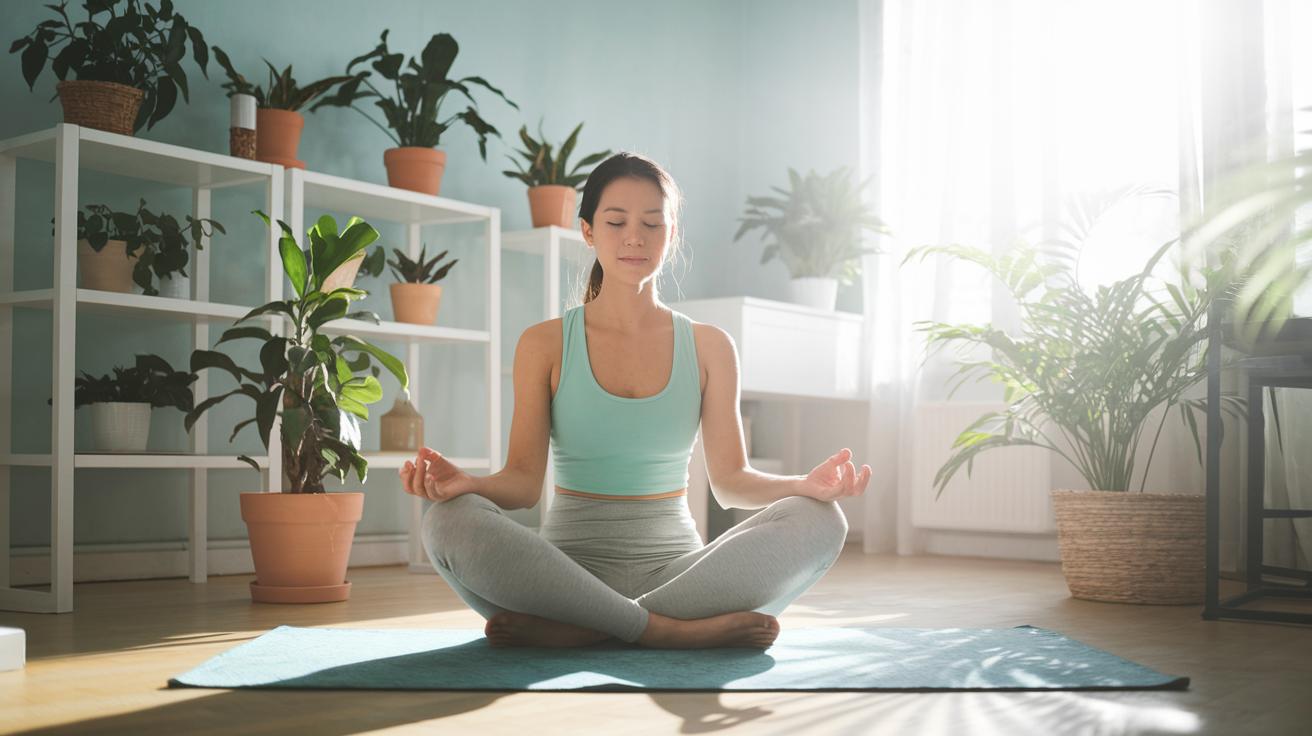
Ever feel like anxiety takes over for no clear reason? You’re not alone. Sometimes, simple changes can help. Try a 15-minute walk, deep breathing, or following a healthy meal plan. Studies show that these small daily habits may reduce stress, boost sleep, and improve your mood. In this post, we share practical tips that can help you feel calmer and more in control, one easy step at a time.
Key Lifestyle Changes for Anxiety Reduction
A good plan for easing anxiety mixes many small habits that help calm both your mind and body. Many studies and everyday experiences show that when you stick to regular changes like daily exercise and a balanced diet, you can lower stress hormones and sleep better.
Pairing these daily actions with professional support makes them even more effective. For example, combining non-medical methods with techniques like Cognitive Behavioral Therapy (a type of talk therapy that helps shift negative thoughts) can ease anxiety a lot. Even a simple 15-minute brisk walk each day can make a big difference by lowering your risk of depression and anxiety.
- Deep breathing and guided imagery
- Progressive muscle relaxation
- Regular physical activity
- Balanced, antioxidant-rich nutrition
- Good sleep habits
- Daily mindfulness and self-care routines
Bringing these habits together creates a routine that builds lasting calm. Deep breathing helps signal your body to relax, while muscle techniques release tension. Regular movement boosts your mood naturally, and a healthy diet paired with proper sleep supports mental well-being. Mindfulness practices keep daily worries in check. Together, these steps form a simple, sustainable path to a calmer, more balanced life.
Lifestyle Changes for Anxiety Reduction: Feel More Serene
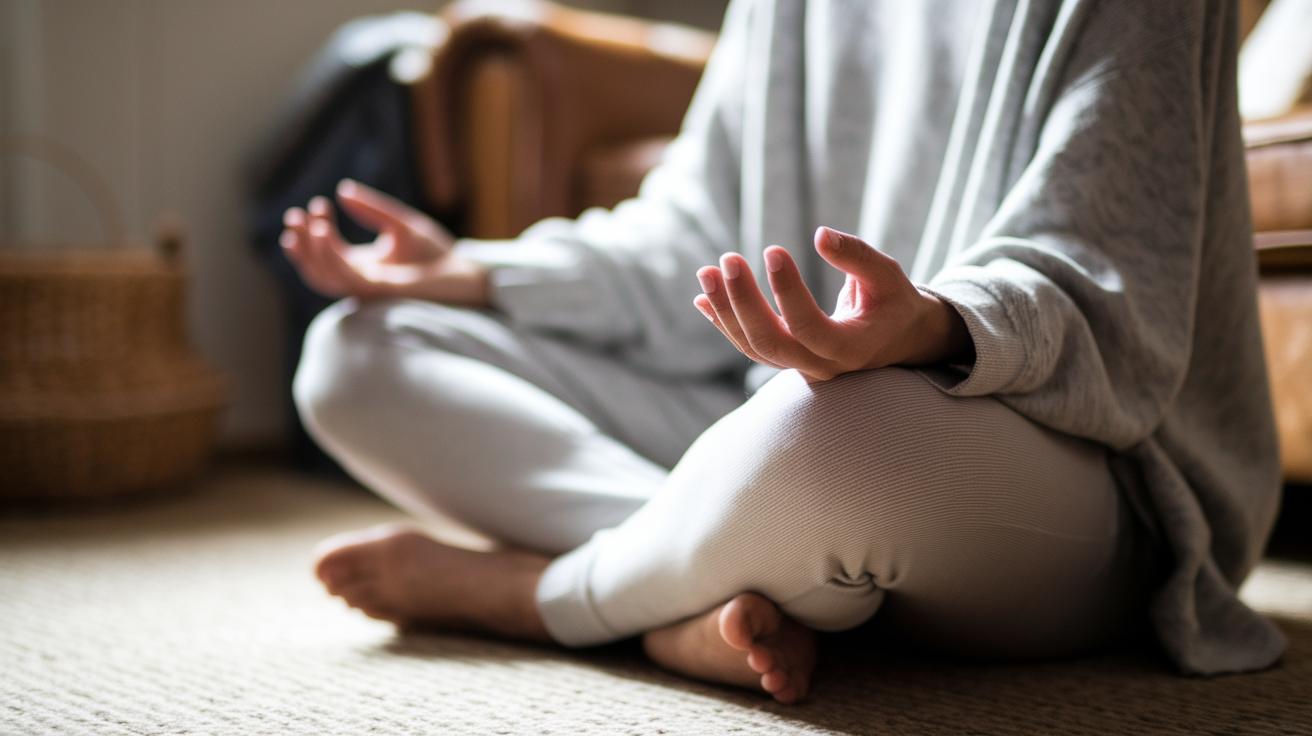
A calm mind starts with simple actions that tell your brain it’s time to relax. Techniques like deep breathing, picturing a peaceful scene, and slowly relaxing your muscles can help quiet racing thoughts and ease stress.
Deep Breathing Exercises
Find a quiet spot and sit comfortably. Slowly breathe in through your nose so your belly rises, try counting to 4 as you do. Hold your breath for 2 counts, then exhale gently through your mouth for 4 counts. This slow rhythm tells your brain it’s time to wind down. For more details, check out deep breathing for anxiety attacks (https://bezenn.com?p=599) and mindful breathing for anxiety (https://spiritushealingarts.com?p=210).
Guided Imagery
Pick a calming place like a quiet beach, a gentle forest, or a warm, cozy room. Sit or lie down comfortably and close your eyes. For about 5 minutes, picture every detail of this scene, the colors, the sounds, and even the textures. Let these images push out the stressful thoughts and help you feel more at ease.
Progressive Muscle Relaxation
Start at your toes and work your way up. Tighten each muscle group for a few seconds, then slowly let go. Move from your feet to your legs, then your belly, chest, arms, and finally your forehead. Spend about 20 to 30 minutes on this process. It not only relaxes your body but also boosts your awareness of how tension builds up and fades away.
Exercise Routines for Anxiety Reduction
Regular exercise lifts your mood by boosting feel-good endorphins, lowering stress hormones (like cortisol), and helping you sleep better. Even a quick burst of movement each day can brighten your outlook. Research shows that doing aerobic workouts twice a week can ease stress, making exercise a simple tool to help with anxiety.
- Brisk walking: 15 minutes daily
- Aerobic classes (such as cycling): twice a week – see more at https://spiritushealingarts.com?p=438
- Strength training: two sessions weekly
- Yoga or tai chi: three sessions each week
- High-intensity interval training (HIIT)
Try tracking your workouts and note any changes in mood or energy. Write down your exercise time, duration, and how you feel afterward. Gradually increasing the length or effort of your workouts can help your body adjust safely, preventing injury and burnout. This steady build-up makes each session a step toward easing anxiety and boosting overall wellness.
Sticking with your exercise routine strengthens both your body and mind, leaving you feeling calmer and more confident every day.
Nutritional Mental Support to Reduce Anxiety

If you often eat a lot of processed foods and sugary snacks, it can raise your stress levels. Research shows that switching to whole, natural foods can help ease anxiety and keep your energy steady throughout the day.
When you choose fresh fruits, vegetables, and herbs, you're feeding your brain with antioxidants that support clear thinking. While a healthy diet doesn't replace professional care, evidence from nutritional psychiatry suggests it plays a key role in boosting mental well-being.
Here are some simple tips:
- Enjoy whole fruits, leafy greens, and berries.
- Add omega-3 foods like salmon, flaxseed, and walnuts.
- Cut back on processed snacks, sugary treats, and refined carbs.
- Use antioxidant-rich herbs and spices such as turmeric and ginger.
Planning meals that help reduce anxiety can be straightforward. Try mixing up a bowl of leafy greens, berries, and a splash of citrus dressing for a burst of vitamins. Rotate proteins like salmon or walnuts to keep your omega-3 levels balanced, and choose whole, unprocessed snacks for lasting energy. With these small, mindful changes, your daily eating routine can help you feel more balanced and less stressed over time.
Sleep Quality Enhancers for Anxiety Reduction
If you’re struggling with anxiety, poor sleep might be adding to the problem. When your sleep is off track, stress can build and make it tough for both your body and mind to unwind. A regular sleep pattern not only helps control stress hormones like melatonin (the hormone that helps tell your body when to sleep) but also sets the stage for a calmer day.
Here are 5 simple tips to help you sleep better and ease anxiety:
- Stick to a set bedtime and wake-up time every day to keep your body clock steady.
- Turn off screens 60 minutes before bed to cut down on blue light that messes with melatonin.
- Make your bedroom a restful haven, keep it cool, dark, and quiet.
- Spend 5 minutes on a calming activity before sleep, like deep breathing, to help your mind relax.
- Skip caffeine and heavy meals after 3 PM so your body can wind down naturally.
Keeping a sleep journal can also help. Track your sleep patterns and note any changes. This simple log can show what’s working and help you adjust your routine for more peaceful nights and less anxiety over time.
Mindfulness and Behavioral Techniques for Anxiety Reduction

Mindfulness invites you to pause and simply notice what’s going on in your mind. By watching your thoughts and feelings as they occur, without judging them, you create space for a calmer, more balanced reaction. Combining this practice with simple cognitive behavior tips (as seen in mindfulness-based cognitive therapy) can help ease anxiety. With regular practice, you can feel more in control even when stressful thoughts try to take over.
• Try a daily 5-minute seated mindfulness meditation.
• Reflect with a short journaling session using three simple questions.
• Use positive self-talk and repeat uplifting affirmations.
• Picture a calm scene through guided visualization.
• Allow yourself to fully “hold space” for tough emotions without criticism.
Start by choosing one or two of these techniques that feel right for you. Maybe begin your day with a quick meditation or spend a few moments writing down what you feel. Remind yourself with positive affirmations when negativity creeps in. Visualize a peaceful landscape to help ease anxiety, or simply let your emotions be there without trying to change them. Over time, these small practices can blend into your daily routine, giving you a steady sense of calm and more control over anxious moments.
Final Words
In the action of building calm habits, this article walked through key ways to ease anxiety. We covered deep breathing, guided imagery, muscle relaxation, exercise routines, balanced nutrition, quality sleep, and mindfulness-based techniques. Each section provided easy, practical actions that fit into daily life to gradually lower tension and promote mental wellness.
Small, consistent shifts can help boost overall well-being while supporting lifestyle changes for anxiety reduction. Keep moving forward, and embrace these steps for a calmer you.
FAQ
Q: Lifestyle changes for anxiety and depression?
A: Lifestyle changes for anxiety and depression incorporate practical steps like a 15-minute brisk walk, balanced meals, regular sleep, deep breathing, and mindfulness to reduce symptoms and boost overall well-being.
Q: How to reduce anxiety immediately at home?
A: Reducing anxiety immediately at home involves quick actions like deep breathing, guided imagery, and a brief walk. These techniques help shift your focus and calm your body fast.
Q: How to relieve stress quickly?
A: Relieving stress quickly means using simple techniques such as deep breathing, progressive muscle relaxation, and mindfulness practices to ease tension and interrupt racing thoughts.
Q: How does a woman relieve stress and anxiety?
A: Women can relieve stress and anxiety by adopting self-care routines, including mindful breathing, gentle exercise, balanced eating, and prioritizing rest to help balance mood and ease tension.
Q: How to deal with anxiety when alone?
A: Dealing with anxiety when alone involves using strategies like journaling, guided meditation, and deep breathing. These solo approaches empower you to manage stress even when by yourself.
Q: How to stop anxiety thoughts?
A: Stopping anxiety thoughts involves redirecting focus through mindfulness and deep breathing exercises. Reflective journaling can also break the cycle of worry and help foster a calmer mindset.