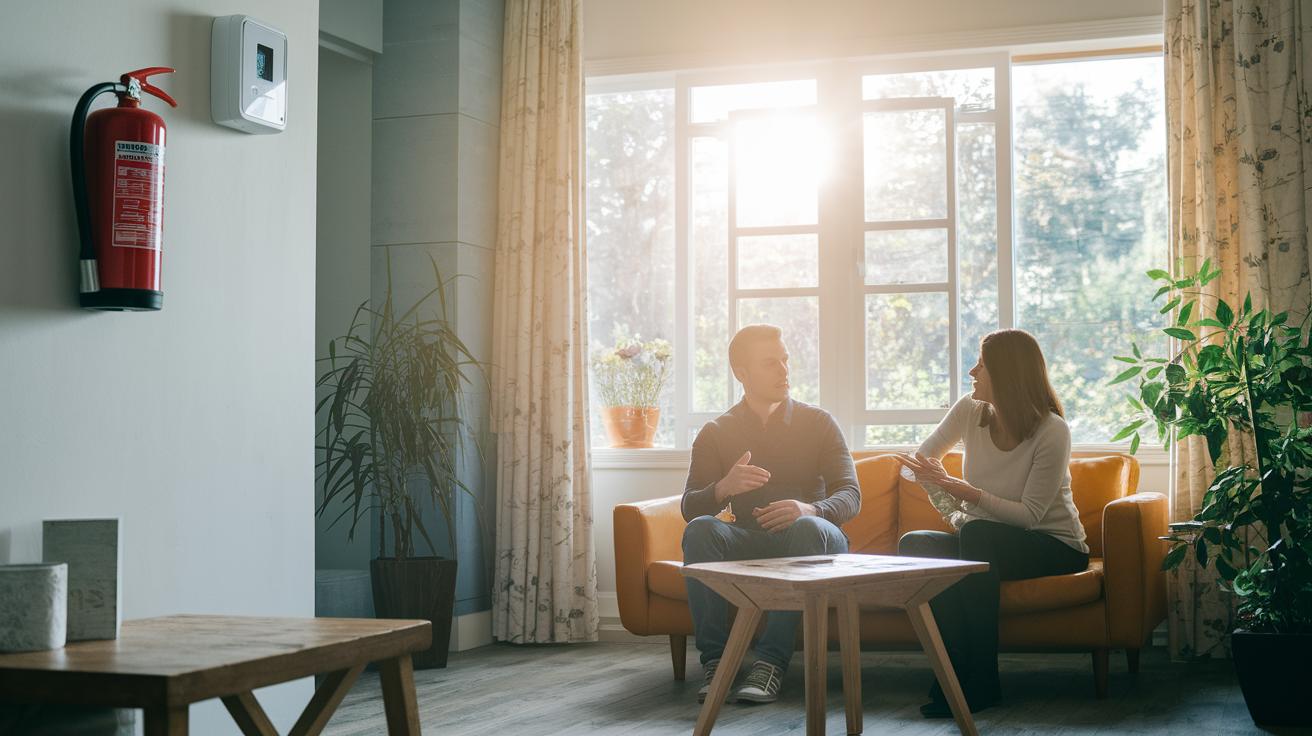
Ever think about whether your home is as safe as it could be? A few small steps now can help you avoid big problems later.
Here are 2 simple tips to make your home safer:
- Install smoke detectors on every floor.
- Clean your dryer vents regularly.
These actions might seem basic, but they really lower your fire risk. Making safety a habit is easier than you think. Try these changes today and enjoy the extra peace of mind tomorrow.
2 home risk reduction tips spark safer living
Every home should be a safe haven. Start by installing smoke detectors on every floor and cleaning your dryer vents regularly. These simple steps can keep fire risks low and protect what matters most.
Pay attention to your home's structure and environment too. Check your foundation for cracks, clear out gutters from leaves and debris, and set up carbon monoxide detectors near bedrooms. Keeping indoor humidity between 30% and 50% helps stop mold from growing. Also, make sure you have more than one exit and a clear meeting place outside in case of emergencies.
A daily safety checklist can help you stay on track. Regularly test your fire alarms, check your security systems, and inspect key structural areas. By taking these small, practical steps today, you’re building a safer home for you and your family.
Fire Safety Home Risk Reduction Tips
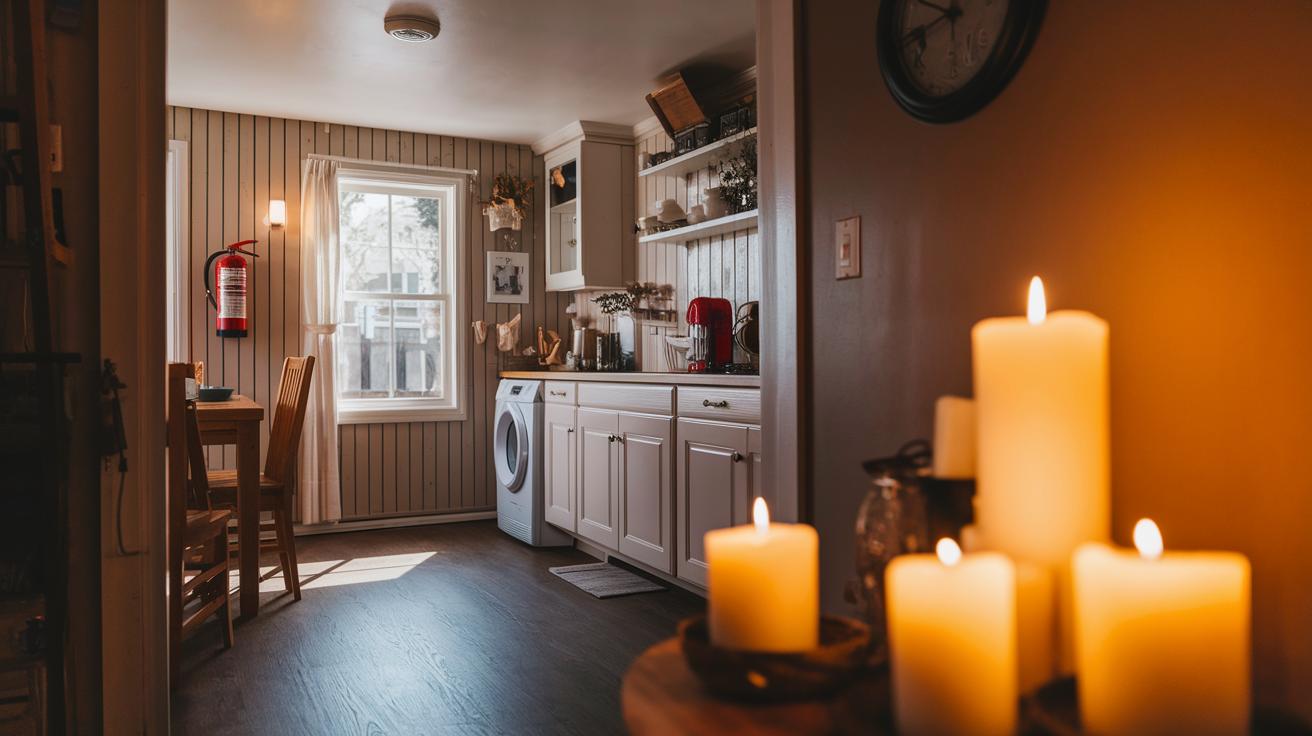
Your home is where memories are made, and keeping it safe is a priority. Fires can be dangerous, but a few practical changes can lower the risk and help everyone leave safely if something happens.
• Put in and test smoke detectors on every floor and in all sleeping areas.
• Keep a fire extinguisher handy in high-risk spaces like the kitchen and garage.
• Clean dryer vents every few months to prevent a buildup of lint that can catch fire.
• Use power strips with surge protection and avoid linking too many cords together.
• Swap out candles for LED lights and always use a screen when you have a fireplace.
• Map out and practice two exit routes for each level of your home.
It’s a good idea to drill these escape routes at least twice a year and update your plan if your home layout changes. Practicing these steps can make a big difference during an emergency, keeping you and your loved ones safer.
Home Security Risk Reduction Tips
Burglary is a real worry for many homeowners. Research shows that a monitored security system can cut break-ins almost by 60%. Many families are now using smart technology to keep their homes safe and deter intruders. Updating your security system can give you peace of mind with fast alerts and remote monitoring.
- Install a monitored security system that can notify both you and the police.
- Mount a doorbell camera with motion detection and two-way audio.
- Strengthen entry doors with high-security deadbolts and reinforced frames.
- Protect windows with shatter-resistant film or security bars.
- Secure sliding doors with track locks or security rods.
- Use motion-activated floodlights near all entry points.
- Keep your yard tidy to eliminate hiding spots for intruders.
These easy steps work together to create a strong, layered defense for your home. Regularly check your systems by testing alarms and verifying that cameras work correctly. With these updates, you'll lower the risk of break-ins and enjoy a safer space to live.
Structural and Environmental Home Risk Reduction Tips
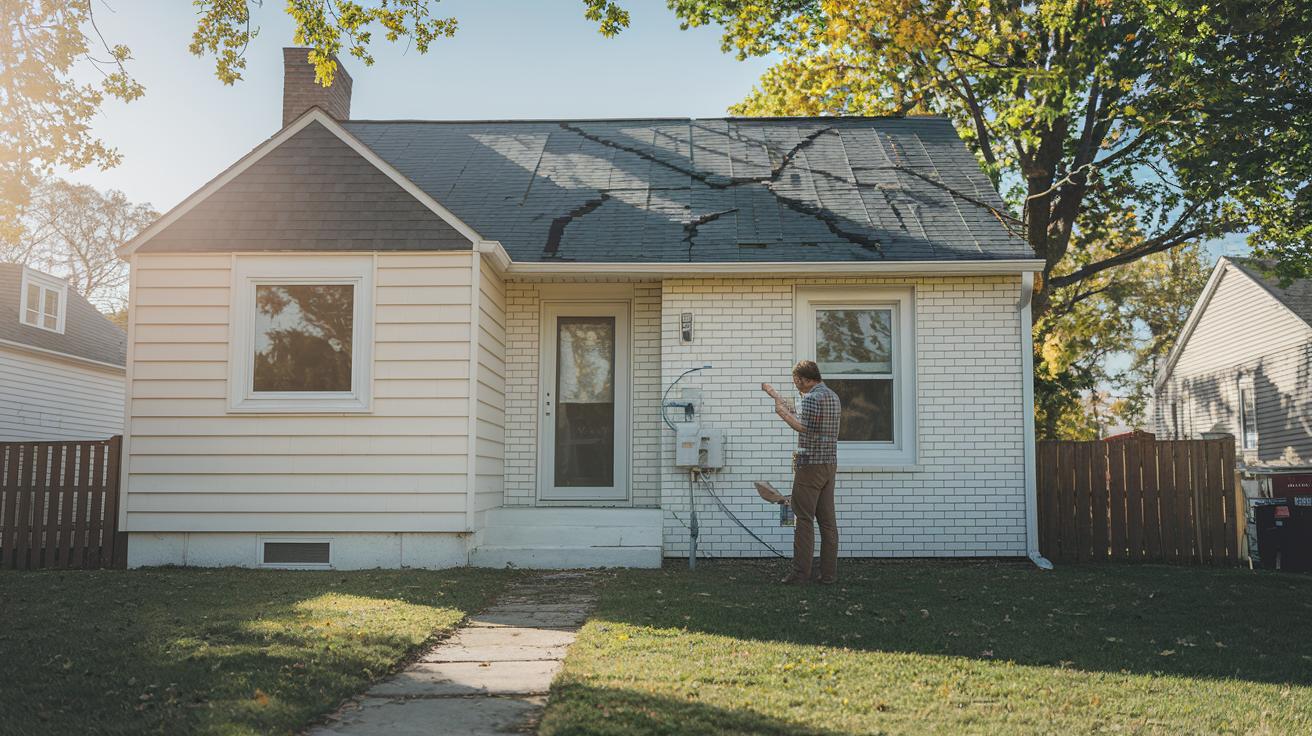
Take charge of your home’s safety by giving it a regular check-up. Start with yearly inspections of your foundation and roof to spot any cracks or leaks early. This simple step can save you time and money on costly repairs later.
Next, clean your gutters and downspouts twice a year. Keeping these clear helps prevent water from damaging your walls and foundation. Also, test your home for radon every two years. If levels go above 4 pCi/L (a measure of radioactive gas), it’s a good idea to install a system to lower them.
While you’re at it, check your insulation. Good, updated insulation not only keeps your energy bills down but also stops moisture from building up, which can lead to mold. It’s smart to inspect areas prone to dampness regularly.
Finally, make sure your indoor air quality stays high by servicing your HVAC system each season. Change filters every 3 months (about 90 days) to reduce dust and allergens, and consider using an air purifier for extra protection. And if you ever suspect issues with hazardous materials like asbestos or lead, get a professional opinion right away.
This routine helps keep your home safe, energy-efficient, and comfortable every day.
Emergency Preparedness Home Risk Reduction Tips
Preparing for unexpected disasters helps keep your family safe and your home secure. Start by creating a family plan that shows at least two exit routes from every room and a clear meeting spot outside the home. Write down the plan and share it with everyone so all members know what to do during emergencies like severe storms, floods, earthquakes, or power outages.
• Gather an emergency kit that holds enough water for 72 hours (3 days), nonperishable food, first-aid supplies, a battery-powered radio, flashlights, and extra batteries.
• Document your plan and put copies in spots that are easy to reach.
• Regularly practice your escape routes to boost everyone’s confidence during a crisis.
If you live in an area prone to severe weather, think about installing window shutters or storm straps and securing roof brackets to help your home face strong winds. In earthquake zones, fasten heavy furniture securely and prepare an earthquake kit so you’re ready for tremors. For those who use portable generators, place them outside at least 20 feet (6 meters) away from windows and vents, test them each month, and store fuel in a safe area.
Taking these steps improves your disaster readiness and makes your living environment safer. Backup power plans and proper shelter preparations give peace of mind and help you protect your loved ones and recover more quickly when disaster strikes.
Routine Maintenance Home Risk Reduction Tips
Each month, take a few minutes to walk through your home and make sure everything is safe. Test your smoke and carbon monoxide alarms, check electrical cords for any fraying, and confirm that your stair railings are secure. Doing this simple check after dinner can help catch small issues before they turn into bigger problems.
After completing any home projects, put away your tools and materials right away. This quick step keeps walkways clear and helps reduce tripping hazards. Even one loose cord or a damaged step can lead to accidents over time.
For more significant safety concerns, plan an annual professional inspection of your gas appliances and water heaters. When you tackle home projects that involve ladders, remember to always use three points of contact (two hands and one foot or vice versa), set the ladder at about a 75° angle, and check each rung for wear. Adding non-slip treads to busy steps or placing secure mats where needed can further lower your risk of falls.
Small, regular efforts like these can add up to a much safer home over time.
Special Resident Home Risk Reduction Tips
For seniors, making small changes at home can boost safety every day. Try adding grab bars in your bathroom near the tub for support when getting in or out. A raised toilet seat can also make moving easier. Make sure hallways have even lighting so every step is clear. Removing clutter and keeping cords off the floor can help prevent slips. These tweaks create a safer space that allows seniors to feel confident and independent.
For families, keeping kids and pets safe is just as important. Use outlet covers on electrical sockets and secure furniture with anti-tip straps to lower risks if little ones climb or pull on things. Lock away any cleaning supplies or chemicals in cabinets that are hard to reach. For pet safety, keep medications and hazardous items out of their reach, and consider putting up a fence around gardens to prevent escapes. A clear, open path in your home not only reduces trip hazards but also creates a secure environment for everyone.
Final Words
In the action, you've seen how clear home risk reduction tips can improve your safety. We covered fire safety, home security, structural, environmental, and emergency preparation. Daily checks and routine maintenance round out practical strategies for a secure living environment.
The bite-sized advice, habit trackers, and checklists are all designed to fit small changes into your busy day. Keep these home risk reduction tips handy and enjoy the peace of mind that comes with a safer home.
FAQ
What are some basic fire safety tips for the home?
Basic fire safety means installing and testing smoke detectors on every level, using multipurpose fire extinguishers in key rooms, cleaning dryer vents routinely, and mapping two safe exit routes from each level.
What fire safety tips work in the workplace?
Workplace fire safety includes maintaining clear exit routes, regularly testing alarms, storing flammable materials correctly, and practicing routine fire drills to ensure everyone knows how to evacuate quickly and safely.
What are essential fire prevention tips for everyday protection?
Everyday prevention involves avoiding overloaded outlets, swapping candles for LED alternatives, securing combustible materials, and scheduling regular equipment checks to minimize potential ignition sources.
How can I mitigate house mold risks?
Mitigating mold means controlling indoor humidity to 30–50%, fixing leaks promptly, and using air purifiers to reduce moisture buildup, which helps prevent mold growth and supports a healthier living environment.
How do I fireproof my home from wildfires?
Fireproofing your home involves clearing dry vegetation, using spark-resistant screens and fire-resistant building materials, sealing gaps that let embers in, and maintaining a safety zone around your house.