Ever wondered what happens when you skip out on deep sleep? Without that restful phase, your body can’t fix itself properly. Your heart might suffer, and your mind may feel foggy, making even everyday tasks harder. Even one bad night might lead to more mistakes and less focus the next day. This article breaks down how missing deep sleep wears you down and why making time for it builds stronger resilience.
Crucial Effects of Deep Sleep Deprivation on Body and Mind
Deep sleep is when your body gets busy fixing and balancing itself. It repairs cells, regulates hormones, and cleans out brain waste. When you miss out on this repair time, everyday damage doesn't get fixed as well as it should.
Skipping this vital sleep puts extra work on your body. Your heart and blood vessels feel the strain, which can raise your blood pressure and increase the risk of heart issues. Your immune system also struggles, making it harder to fight off germs and heal cuts or bruises. Even your metabolism can slow down, putting you at a higher chance of developing long-term conditions.
One night without proper deep sleep can spike anxiety by 30% and ramp up the brain’s fear center (the amygdala) by more than 60%. Research from Michigan State University showed that people who didn't get enough deep sleep made twice as many mistakes and lost focus three times more often than those who did. This means that when you miss deep sleep, you can feel physically worn out and mentally foggy.
Deep Sleep Deprivation and Cognitive Performance Decline
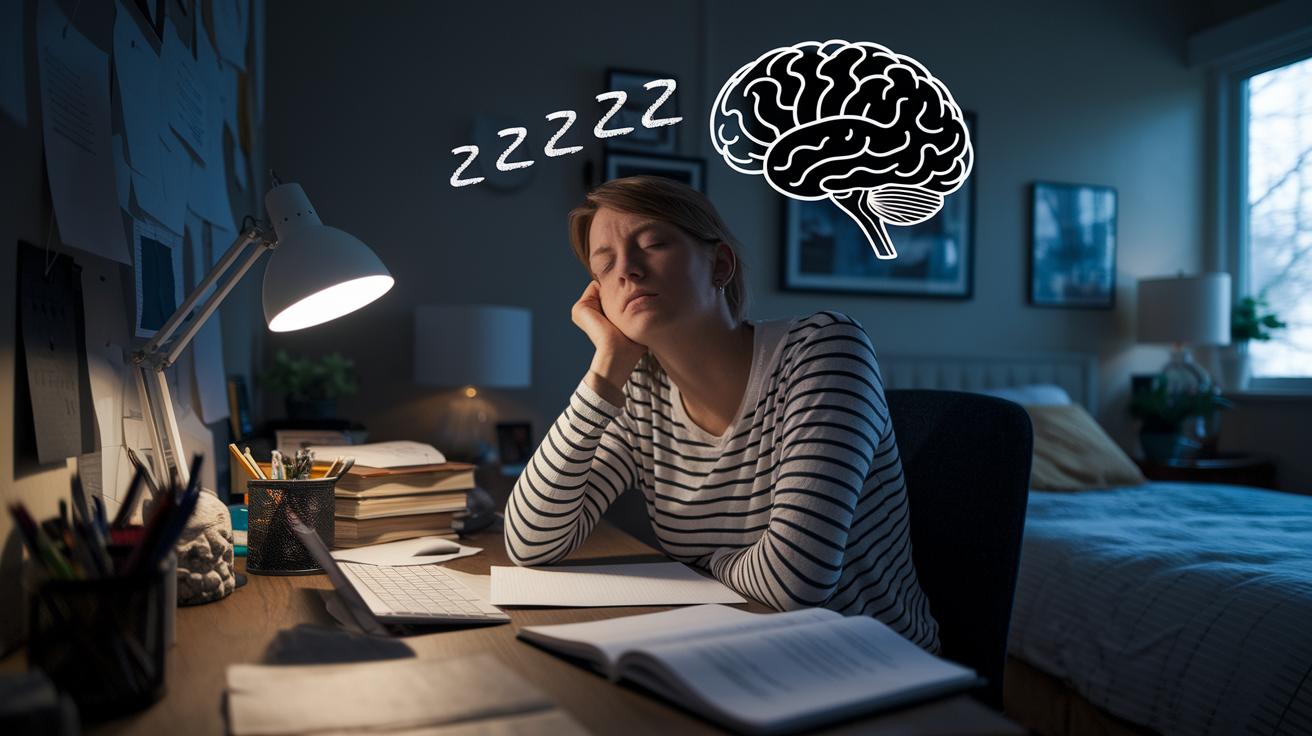
Deep sleep helps your brain remember things by saving new memories. Without enough deep sleep, it’s harder for your brain to hold on to new details, which means you might forget things more often. Missing out on these sleep cycles also slows how quickly your brain works, making it tougher to focus and choose wisely, this can lead to mistakes at work or even while driving.
- Trouble remembering new details
- Shorter attention span
- Slower reactions
- Weaker decision-making
- More frequent mistakes
- Occasional attention gaps
Even one night of poor deep sleep can double your mistakes and triple those attention gaps, studies show. This drop in how well your brain saves memories and makes decisions can turn everyday tasks into real challenges and slow your responses as much as having a mild level of intoxication.
Physical Health Impact from Lack of Restorative Deep Sleep
Restorative deep sleep is when your body fixes cells, balances hormones, and cleans out brain toxins. Without enough deep sleep, important systems feel extra strain. When you miss this phase, your blood pressure may rise and your blood vessels work harder, which can increase the risk of heart attacks and strokes. Poor deep sleep also makes it tougher for your immune system to fight off germs and heal wounds. Even one rough night can lead you to eat more, putting further pressure on your heart.
| System | Impact | Supporting Data |
|---|---|---|
| Cardiovascular | Higher blood pressure and vessel strain | Increased risk of heart attack and stroke |
| Immune | Weaker defenses, slower healing | More infections |
| Metabolic | Insulin issues and sugar spikes | Raised diabetes risk |
| Inflammation | Higher chronic inflammation markers | Increased overall inflammation |
Poor deep sleep can also change how your body uses glucose. This may lead to insulin resistance (when your body struggles to manage blood sugar) and sudden blood sugar spikes, which in turn raise the risk for diabetes. Over time, these changes along with an increased appetite can create a cycle that puts extra stress on your heart and overall health. Focusing on good sleep habits now can help lessen these impacts and boost your long-term wellness.
Emotional Instability Linked to Deep Sleep Loss
Deep sleep helps keep your emotions steady. When you don't get enough, small problems may feel much bigger and even the little joys can fade away. You might find yourself snapping at minor annoyances or feeling down for no clear reason. Your body misses its time to repair, and that upset balance can make everyday challenges seem overwhelming.
Skipping deep sleep also puts your brain's fear center on high alert. This can lead to more anxiety and irritability. Studies have found that a lack of deep sleep is linked to higher rates of depression, anxiety, and sometimes even thoughts of self-harm. In short, losing out on slow-wave sleep can cause sudden mood swings and may raise the risk of longer-term mental health issues. Noticing these signs early can be a good prompt to improve your sleep and strengthen your emotional balance.
Long-Term Risks of Chronic Deep Sleep Deprivation
When you skip out on deep sleep night after night, your brain doesn't get the chance to reset and heal. This can speed up brain aging, making it harder for you to learn new things and keep your memories sharp. In simple terms, your brain loses its natural flexibility over time.
Missing deep sleep also slows down how quickly you respond to things. This means that everyday tasks can start feeling more challenging, and you may find yourself more prone to accidents both at work and on the road.
Even studies with animals show that not getting enough quality sleep can lead to body organs not working as well and might even shorten your life. Taking care of your sleep is key for feeling alert, strong, and safe every day.
Effects of Deep Sleep Deprivation: Boost Your Resilience

Not getting enough deep sleep can leave you feeling less focused and drained. But the good news is that you can take small, practical steps to bring back those refreshing sleep cycles. A steady sleep routine and a calm bedroom setting can work wonders. For example, keeping a sleep journal or using an app helps you notice patterns and habits that might be blocking your deep sleep. Techniques like stimulus control (using your bed only for sleep or intimacy) and simple relaxation exercises can prepare your body to get the restorative sleep it needs.
Improving your sleep environment doesn't have to be a big overhaul. Even small changes can make a big difference. Try setting a regular bedtime to signal your body it's time to rest. Lower the room temperature, and reduce light and noise to help your body naturally slip into slow-wave sleep, the kind that helps repair cells and balance hormones. By taking these practical steps one at a time, you can cut down on health risks and boost your strength to face the day.
Here are some simple actions to get started:
- Set a consistent sleep–wake schedule every day.
- Make your bedroom dark, cool, and quiet.
- Do a few minutes of gentle relaxation or mindful breathing before bed.
- Cut back on caffeine, alcohol, and screens in the evening.
- Consider talking to a professional about cognitive behavioral therapy for insomnia (a method that helps change habits around sleep).
Take these steps and see how they help your body recharge, so you can wake up feeling stronger and clearer every day.
Final Words
In the action, we unraveled how deep sleep deprivation affects your body, mind, and emotions. You saw that missing restorative sleep impacts memory, decision-making, and even physical health. Studies point to higher anxiety, more errors, and increased cardiovascular risks. Practical strategies like a fixed sleep schedule, a cool dark room, mindful breathing, and reducing screen time can help ease these effects of deep sleep deprivation.
Small changes can yield big wins, so start tonight and feel the difference tomorrow.
FAQ
What are the brain effects of lack of sleep or not getting enough sleep?
The lack of sleep affects the brain by reducing memory retention and slowing reaction times. It can impair concentration and increase errors, making you feel foggy during daily activities.
What are the psychological effects and symptoms of sleep deprivation?
Sleep deprivation leads to mood swings, heightened anxiety, irritability, and difficulty concentrating. These symptoms also include poor decision-making and increased emotional instability.
What are the long-term effects of chronic sleep deprivation?
Chronic sleep loss may accelerate brain aging, weaken heart health, and raise the risk of metabolic issues. Over time, these effects can increase the chance of accidents and long-term cognitive decline.
How can I recover quickly from a lack of sleep?
Recovering fast may include sticking to a regular sleep schedule, relaxing before bed, and creating a dark, cool, and quiet bedroom. These steps can help reset your sleep cycle effectively.
What happens when you don’t get deep sleep?
Missing deep sleep interferes with cell repair, hormone balance, and brain detoxification. This loss increases the risk of heart issues, weak immunity, and slower recovery from daily stress.
How many hours of deep sleep do you need?
Adults need 7–9 hours of total sleep, with deep sleep typically making up about 15–25% of that time. This balance helps ensure proper repair and restoration of body and mind.
Why might I only be getting 30 minutes of deep sleep?
Only receiving 30 minutes of deep sleep could result from an inconsistent sleep routine, excessive caffeine or screen time before bed, and an environment that does not promote restorative sleep.
What are some treatments or strategies for sleep deprivation?
Effective strategies include setting a consistent bedtime, creating a sleep-friendly environment, practicing relaxation techniques, and seeking professional help like cognitive behavioral therapy for improved sleep quality.
What are the immediate short-term effects of sleep deprivation?
In the short term, sleep loss can slow reaction times, reduce attention span, and impair memory retention. This can affect your performance and safety in daily tasks.
How can long-term sleep deprivation recovery work?
Long-term recovery involves gradually restoring quality sleep by adjusting daily habits, using techniques such as relaxation exercises, and consulting professionals when self-help methods do not suffice.