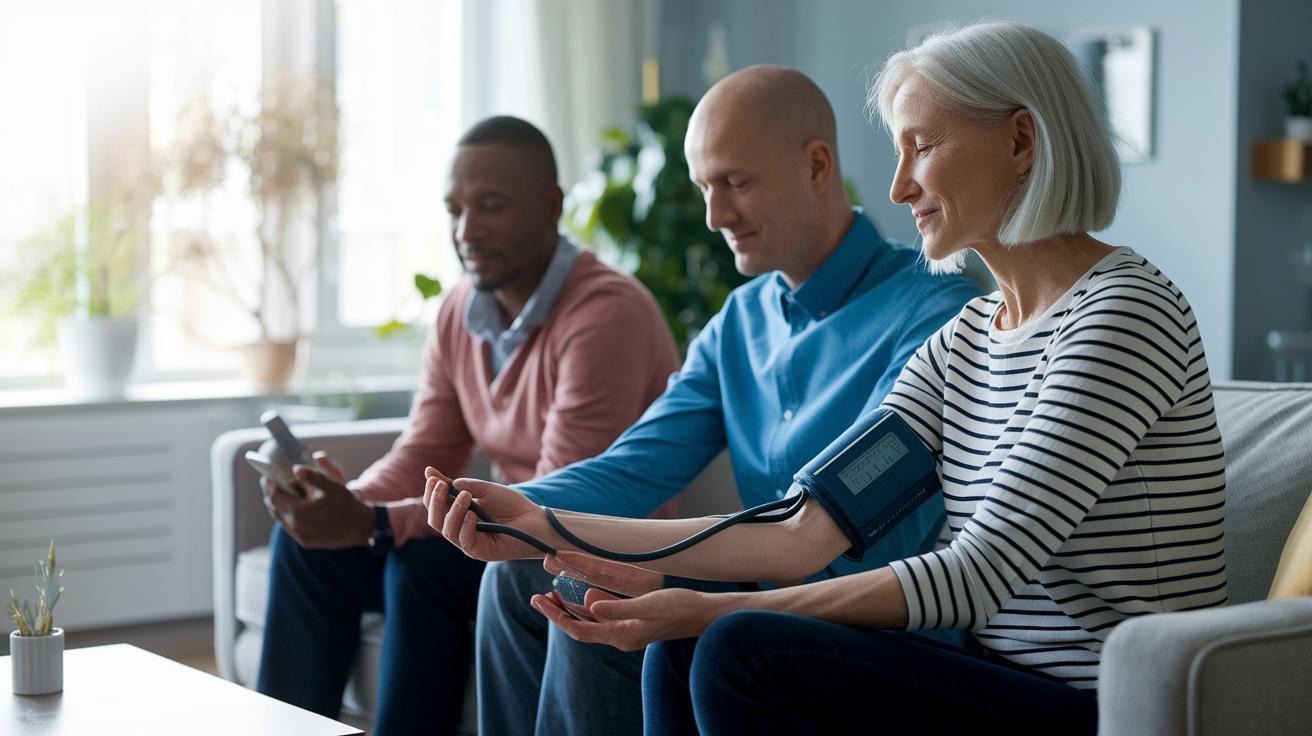
Ever thought that a silent condition might be affecting your heart without you knowing? Detecting high blood pressure early can really change the game. Since high blood pressure usually gives no warning signs, a regular check is key. Think of it like a heads-up that lets you talk with your doctor and tweak your daily habits. Spotting it early can set you on a path to a healthier, more active life.
How early detection of hypertension improves health outcomes
High blood pressure means your blood pushes too hard against your artery walls over time. You get a pressure reading in millimeters of mercury (mmHg). For example, 120/80 mmHg shows the pressure when your heart beats (systolic) and rests (diastolic).
A reading of 130/80 mmHg or more means you need to follow up with your doctor. Many people don't feel any symptoms, which is why regular checks, either at your doctor's office or at home, are so important. Think of these checks like a light turning on in a dark room, warning you before a serious problem arises.
Finding high blood pressure early can lower your risk for major issues like heart disease, stroke, or kidney failure. When you catch it early, you and your healthcare provider can chat about lifestyle changes or medications that might help. By spotting hypertension before symptoms show up, you can begin making choices like eating healthier, moving more, and keeping a good weight to protect your heart and overall health.
Noninvasive blood pressure monitoring techniques for early detection of hypertension

Keeping a close eye on your blood pressure is important. Whether you measure it at home or in a clinic, using the right method makes all the difference. It helps you see if a high reading is just a temporary spike from stress or if it is a sign of ongoing issues. Think of it like clocking your heart's performance after a calm 5-minute rest.
Here are some methods you can try:
- Manual auscultatory sphygmomanometer in clinic
- Automated oscillometric devices for home use
- Ambulatory blood pressure monitoring (24-hour)
- Cuffless wearable sensors (wrist/arm patches)
- Smartphone-compatible home monitors
- In-pharmacy kiosk screening stations
- Self-check kiosks at community health events
For the most reliable results, sit quietly for at least 5 minutes with your back supported and your feet flat on the floor. This little break helps your body relax before you check your pressure. Make sure your device is properly calibrated and take several measurements a few minutes apart. Sometimes, the "white-coat effect" (when your blood pressure is higher in a clinical setting) can occur. Using a home monitor or an ambulatory device can reduce this issue.
Following these steps helps you and your healthcare provider get a clear picture of your blood pressure trends, making it easier to catch any persistent issues early.
Key risk factors and asymptomatic indicators in early hypertension detection
Some factors that raise your risk of high blood pressure come from your family or your age. You can't change these. Other factors, like your weight or how much salt you eat, you can improve with small changes. Knowing both types can help decide who needs a check-up early, even if you feel fine.
| Risk Factor | How It Affects Blood Pressure | What You Can Do |
|---|---|---|
| Age (45+) | Higher risk | Have annual check-ups |
| Family history | Increased genetic risk | Get an early baseline screening |
| Obesity (BMI > 30) | Adds stress on blood vessels | Focus on weight management |
| Physical inactivity | Worsens blood vessel health | Incorporate regular exercise |
| High sodium diet | Can increase fluid retention | Reduce salt intake |
| Heavy alcohol use | May cause sudden blood pressure spikes | Limit alcohol consumption |
If you have a family history or carry hidden risks like extra weight or eating too much salt, you might not notice any symptoms until your blood pressure rises. Even young people can show early signs of high blood pressure, which may mean higher chances for heart problems later. Staying on top of these factors with regular check-ups and healthier habits can help protect your heart over time.
Lifestyle modification guidance to support early detection of hypertension

Choosing a diet inspired by DASH can help lower your blood pressure. Fill your plate with fruits, vegetables, whole grains, and lean proteins to support a healthier blood pressure. Try cutting back on salt and processed foods by swapping them with herbs for flavor. For example, adding a side salad to your dinner can naturally lower the salt you eat.
Regular exercise also plays a big role in keeping your heart healthy. A brisk 10-minute walk (about 0.6 miles) each day can help you manage your weight and boost overall strength. Mix in activities you enjoy, like dancing, cycling, or a quick home workout, to keep your routine interesting and fun.
Reducing stress is another useful strategy. Practice simple techniques like deep breathing, gentle yoga, or meditation to relax your body and lower blood pressure. Cutting down on alcohol and quitting smoking can further improve your health. These small lifestyle changes are practical steps you can start today to protect your heart and feel better overall.
Home-based vital sign tracking and digital monitoring breakthroughs in early hypertension detection
Mobile health apps let you record your blood pressure every day right from home. These tools turn your readings into easy-to-read logs, so you can see small changes over time. Imagine checking your meter each morning and having your numbers neatly organized on your phone, it’s like a fitness tracker for your heart health.
Wearable sensors take it a step further by monitoring your blood pressure all day. They pick up trends and patterns you might miss with a once-in-a-while check. You can share this info during virtual visits with your doctor, making early warnings clearer and health management simpler.
Community wellness examinations and public health outreach for early hypertension detection
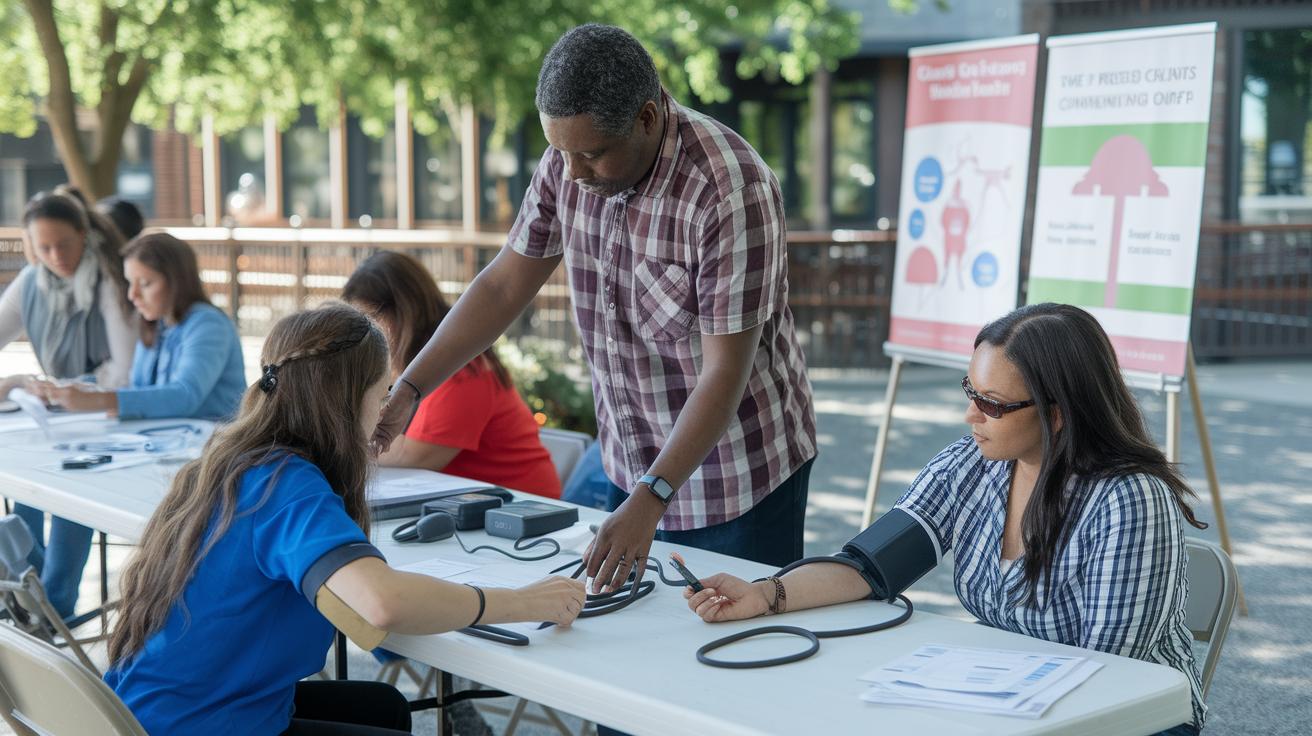
Community events give you an easy way to check your blood pressure without needing to visit a clinic. Experts usually recommend starting at age 18 and getting your blood pressure checked every 1-2 years. These local screenings make it simpler to catch high blood pressure early, following the same easy methods used in noninvasive monitoring.
Public health programs and government efforts help share important tips about staying healthy. These outreach drives stress the value of checking your blood pressure regularly, ensuring that helpful information reaches everyone in the community.
Final Words
In the action, taking control of your health by monitoring blood pressure can aid early detection of hypertension. Each section showed practical tips on how to check readings, track vital signs at home, and use community wellness events to spot risks before symptoms appear.
Small shifts in diet, exercise, and stress management create lasting benefits. Keep these steps in your daily routine, and remember every tip is backed by clear guidance and research for a healthier future.
FAQ
What is hypertension and how is it defined?
The term hypertension means consistently high blood pressure measured in mmHg. A reading of 130/80 mmHg or higher signals the need for further evaluation.
How is hypertension diagnosed and what are its stages?
Hypertension is diagnosed by taking repeated, standardized blood pressure measurements. Stage 1 shows readings of 130-139/80-89 mmHg, while Stage 2 has higher values, guiding treatment decisions.
What causes hypertension?
The causes of high blood pressure include genetic factors, excess weight, limited physical activity, diets high in salt, and heavy alcohol use. These factors can place extra stress on your blood vessels.
How can hypertension be prevented?
Preventing high blood pressure involves daily actions like maintaining a balanced, low-sodium diet, staying active, managing stress, and having regular blood pressure checks to catch changes early.
What is the treatment for hypertension?
Treating hypertension usually combines lifestyle changes with medications if needed. These steps work together to lower blood pressure and reduce the risk of complications like heart disease and stroke.
What are the top warning signs of high blood pressure?
While high blood pressure often has no clear signs, possible warning signals include headaches, blurred vision, chest pain, and shortness of breath. Regular checks help catch these signs early.
How can hypertension be detected early?
Early detection means regularly monitoring your blood pressure using clinic readings or home devices and digital tracking. This approach helps spot high blood pressure before it causes serious health issues.
What are the five stages of hypertension?
The five stages range from normal, elevated, Stage 1, Stage 2, to hypertensive crisis. Each stage represents increasing blood pressure levels, which guides how quickly and aggressively treatment should begin.