
Ever catch yourself asking "What?" during a chat and then letting it slide? It might be more than just a fluke, it could be an early sign that your hearing is changing.
Notice if you’re having to turn up the TV louder than before or missing pieces of everyday conversations. Spotting these little clues early can help you take action to keep enjoying time with friends and family and to reduce the stress that comes with feeling out of the loop.
Recognizing Early Signs of Hearing Loss
Noticing changes in your hearing early on can help you live better by tackling issues before they disrupt your daily conversations. You might start missing parts of a chat, especially in a noisy room, and find yourself asking "What?" more often. You might also turn up your TV or phone volume to levels that aren't safe.
Hearing loss usually creeps in slowly, so it's easy to miss when it first affects you. If you have trouble following group conversations or if everyday background sounds seem muffled, these could be early hints that your hearing isn’t as sharp as it used to be. Think about a family dinner where you keep increasing the TV volume or asking others to repeat themselves, these are small clues that your ears might be signaling a change.
When you don't address hearing loss, your brain has to work extra hard to process sounds. This extra effort can tire you out and might even affect how you think over time. It can also lead to feeling isolated since conversations might start to feel overwhelming, which can bring about feelings of frustration, embarrassment, or anxiety.
Watch out for these signs:
- Trouble keeping up with conversations in noisy places
- Frequently saying “What?” or needing things repeated
- Cranking up the volume on your devices to hear better
If you notice these signs, consider scheduling a hearing test as soon as possible, especially if you find it hard to hear in busy, noisy settings. Acting early can help you maintain good communication and enjoy a more active, engaging social life.
Screening Tests for Early Detection of Hearing Loss
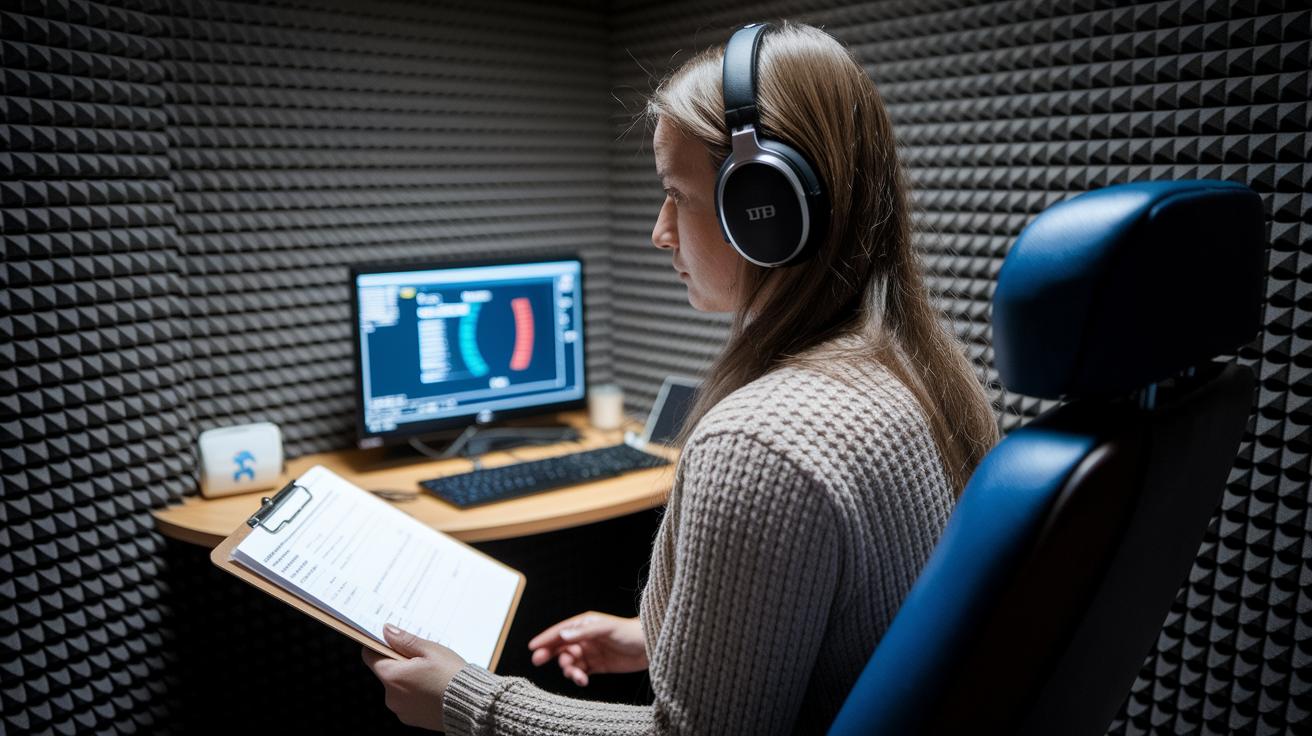
Screening tests for hearing loss are fast, easy, and comfortable. You sit in a quiet, sound-treated booth while modern equipment checks how well you hear. These tests use simple, proven methods to spot even small changes in your hearing early on.
One key test is pure-tone audiometry. In this test, you listen for beeps played at different pitches through headphones (air conduction) and a small bone vibrator (bone conduction). You hear the sounds at different volumes, first a soft beep, then a louder one, which helps the technician record the quietest sounds you can hear.
Another test measures how well you understand speech in a noisy setting, much like a busy restaurant. This speech-in-noise test checks your ability to catch words among background sounds. It uncovers hearing issues that might not appear during quieter tests.
There’s also otoacoustic emissions testing. A small probe sends a sound into your ear, and a microphone listens for the echo from your inner ear (cochlear function). Along with tests that record your brain’s response to sound, these methods work together to give a full picture of your hearing health.
Each screening test follows strict guidelines, ensuring that any change in your hearing is noticed early. Detecting problems early means you can take action to protect your hearing and potentially lower long-term treatment costs.
Newborn and Infant Auditory Examination for Early Detection of Hearing Loss
Right after birth, every baby should have a hearing check during their first month. Two simple tests help us do this. One test, called otoacoustic emissions (OAE), listens to how the inner ear responds to soft sounds. The other, known as automated auditory brainstem response (ABR), checks the nerve signals that carry sound to the brain. Imagine a tiny probe making gentle sounds while a sensor quietly picks up the echo. It’s quick, non-invasive, and takes only a few minutes.
If a baby doesn’t pass the first screening, experts recommend a follow-up test before the baby reaches three months old. Early checks like these help catch any hearing issues sooner, which in turn supports language development and can prevent speech delays. When a hearing problem is found early, families can work with professionals on steps to reduce long-term effects on communication.
As the child grows, the type of hearing test changes too. Around six months old, doctors often use a test called visual reinforcement audiometry. In this test, the baby listens for sounds and turns toward a fun visual cue when they hear something. Then, by the time the child turns two, a play-based test makes the process more engaging. Here, the baby participates in simple games triggered by sound, making the test feel natural and less scary.
By catching any issues early, we can start helpful interventions and support healthy language and social skills from the very start.
Adult Auditory Evaluation for Early Detection of Hearing Loss

It helps to think of hearing tests as a regular part of staying well. Experts suggest that you have your first hearing check at age 50. Then, continue getting checked every 10 years until you turn 60, and after that, every three years, or sooner if you start noticing changes. For example, if you find it hard to follow a conversation in a noisy room, it might be time for a test.
A typical exam includes a few simple tests. Pure-tone audiometry asks you to listen to sounds at different pitches. Speech audiometry checks how clearly you understand words. Tympanometry looks at how your middle ear is working. And speech-in-noise testing helps spot hidden hearing loss that might not show up in quieter settings. Each test helps catch small changes before they make a big difference in your daily life.
If your work environment is loud, regular ear checks are even more important. Jobs with constant noise can wear out your hearing faster. Frequent evaluations can help protect your ability to hear key sounds like alarms or car horns, keeping you safe on the go.
Remember these key points:
- Start with a baseline hearing test at age 50, then keep checking periodically.
- If you work in a noisy setting, schedule special occupational ear evaluations.
- Get a follow-up test if you notice changes in your hearing day to day.
By taking these steps, you can maintain your hearing health and stay safe in everyday situations.
Advanced Acoustic Technologies for Early Detection of Hearing Loss
New digital tools are changing how we keep track of our hearing. With smartphone-based tests, you can check your hearing at home using smart screening methods that measure and record any changes over time.
Tele-audiology now lets you connect with hearing experts without stepping out your door. These online tests work fast and are backed by evidence, much like clinic tests. Think about taking a quick speech-in-noise test on your smartphone while you're in line, this new method makes early detection easy and accessible.
Portable devices, known as OAE devices, offer another way to screen your hearing early. They send sounds into your ear and listen for the echo to see how well your inner ear is working. This approach helps make regular hearing checks possible even in areas where clinics are hard to reach.
Using these digital tools lets you monitor your hearing closely and catch small changes early, so you can take care of your hearing health every day.
Early Intervention and Prevention Strategies for Hearing Loss
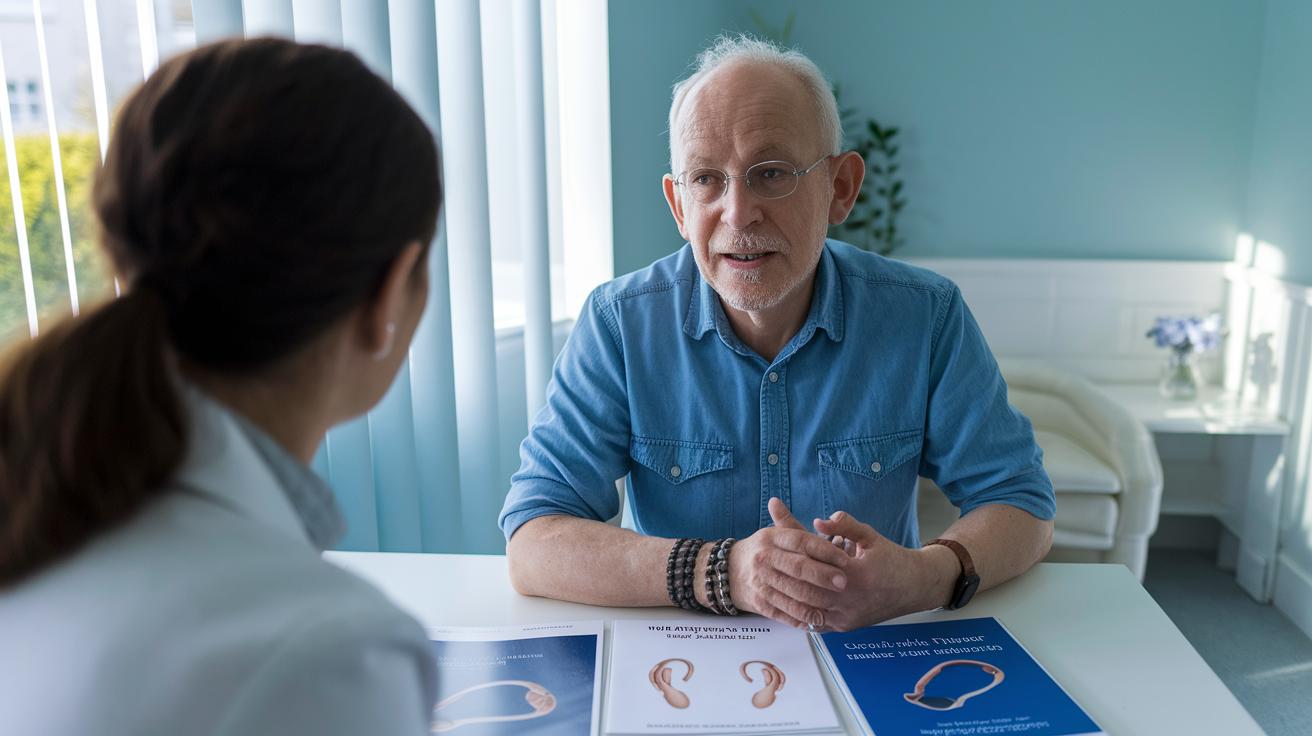
Catching changes in your hearing early can help you maintain a good quality of life. Regular ear check-ups allow you to spot small shifts and learn practical tips on sound safety from experts. Wearing ear protection in noisy places like concerts or busy work sites is a simple and effective way to keep your ears healthy. Keeping your headphones at a low volume and taking breaks from long listening sessions also gives your ears a much-needed rest.
If you begin to notice changes in how you hear, there are helpful options available. Devices like hearing aids, cochlear implants, or sound training programs can support your communication skills. These tools reduce the extra effort your brain has to make when processing sounds and help you stay clear-headed and emotionally steady. Learning communication tricks can further improve how you interact at home or in the workplace.
Additional prevention tips include:
- Scheduling regular ear check-ups to keep an eye on any changes
- Using ear protection when around loud sounds
- Talking to your doctor about the safest options if you need certain medications
Learning how these steps work together and getting involved in community awareness can build a strong foundation for long-term ear health. Taking action today can help you guard against further changes and keep you active and engaged.
Final Words
In the action of spotting early detection of hearing loss, we covered practical screening tests, infant and adult evaluations, and digital innovations that put simple checks within reach. We also looked at early intervention techniques and solid prevention tips to keep your ears safe. Small steps like these can make a difference in everyday communication and overall well-being. Keep testing, stay aware, and remember that taking care of your hearing today leads to a brighter tomorrow.