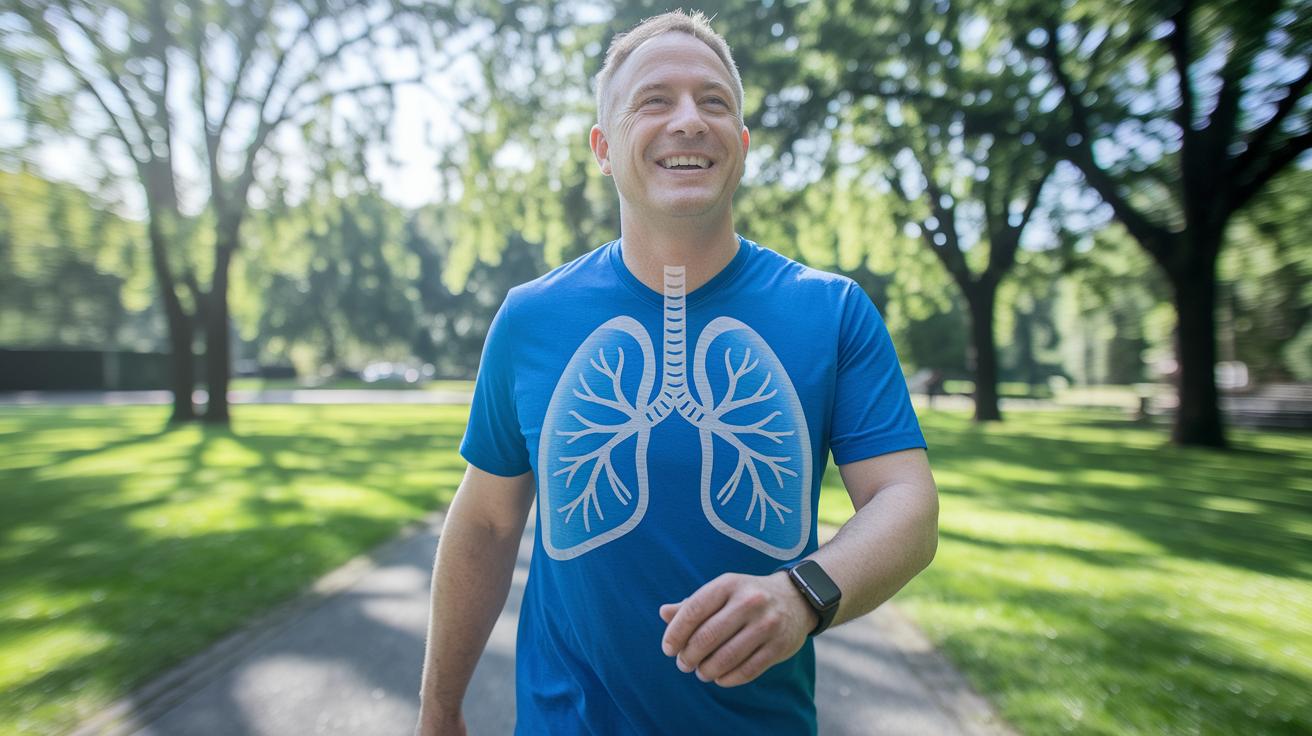
Have you noticed that even small breathing issues might be a sign of something bigger? Catching COPD (a lung condition that makes it hard to breathe) early can give your lungs a better chance to stay strong. Waiting until you develop a cough or feel short of breath might mean your lungs are already suffering damage. In this post, we explain why it is important to notice these signs quickly and share simple, practical steps to help protect your breathing and improve your everyday life.
Why early detection of COPD matters
When your lung tissue starts to break down, the damage is usually permanent. Catching problems early can help stop this harm by spotting issues before they lead to major breathing problems. Research shows that noticeable symptoms often appear only after a lot of lung function is already lost. This means by the time you have a chronic cough or feel a bit short of breath, serious lung damage might be present.
Missing an early COPD diagnosis can have big impacts. Studies indicate that a late diagnosis might reduce life expectancy by 10 to 15 years. When lung changes are noticed early, you have more options to slow the progression of COPD. Starting treatment early can help lower the risk of death and improve your quality of life.
The GOLD 2023 Guidelines remind us that acting fast when symptoms worsen is key to better recovery and overall well-being.
Here’s a surprising fact: People who catch lung issues early tend to have fewer hospital visits and a longer time before their first major flare-up. Taking early action not only helps preserve your lung function but also makes daily life easier and improves long-term health.
Key risk factors for guiding early detection of COPD
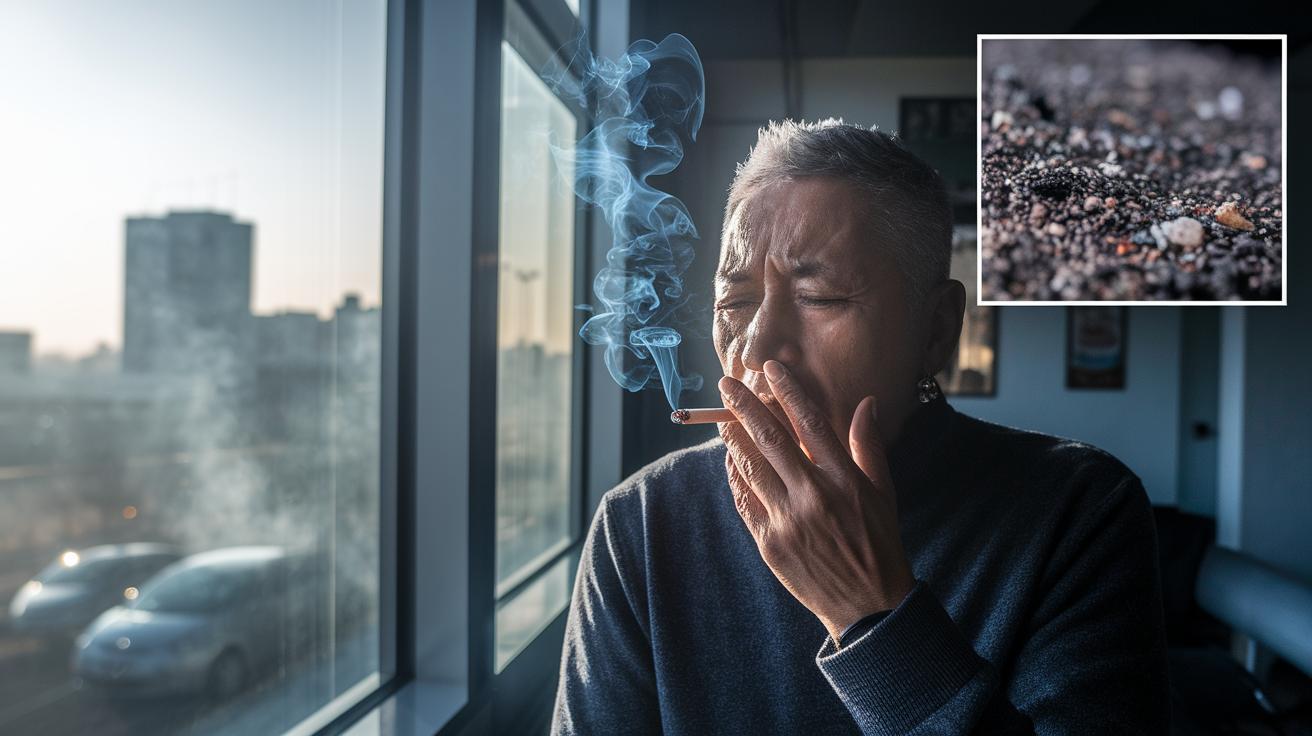
Figuring out your risk factors early on can help you get the right tests sooner. Knowing what may cause COPD means you and your doctor can spot it fast and start treatment promptly. Here are six main risk factors to keep in mind:
- Smoking cigarettes stands out as the top risk factor.
- Breathing in dust or chemicals at work can gradually harm your lungs.
- Regularly burning biomass fuels indoors (like wood or coal) can irritate your lungs.
- Outdoor air pollution puts extra stress on your respiratory system.
- A childhood history of asthma is linked to having lower lung function later.
- Long-term exposure to secondhand smoke can also harm your breathing.
Spotting these risks is a big step forward. While smoking, both active and passive, raises your chances, detecting COPD in non-smokers can be tricky. That's why targeted screening is so important, especially if you have known exposure to harmful substances at work or at home.
Recognizing early symptoms of COPD
Early signs of COPD can be hard to notice. They may feel like normal aging, leftover effects from smoking, or simply everyday wear and tear. Many people shrug off a mild, ongoing cough or a little extra breathlessness. Because these signs develop slowly, more than 70% of obstructive lung diseases in the US go undetected.
Keep an eye out for these common symptoms. A constant cough and the regular production of mucus might seem normal but could be a clue. You might also find yourself out of breath doing tasks that used to be simple or catching respiratory infections more often. Think about a time when a cough lingered longer than usual, this might be an early sign of trouble with your airflow. Noticing these changes early can make a big difference. Acting quickly can save lives.
Diagnostic tools and tests for early COPD detection

Catching COPD early gives you a chance to act before it worsens. Doctors use a mix of old and new tests to check your lung function. The most common test is spirometry. This test measures how much air you blow out in the first second compared to the total you can exhale. If the ratio is under 0.7 after using a bronchodilator (a medicine that opens your airways), it likely shows airflow problems. Although spirometry works well, it isn’t always used correctly or updated with new tech.
Spirometry interpretation techniques
In spirometry, the FEV₁/FVC ratio is the key number. You get a bronchodilator, and then you try to blow out your air as fast as you can. If you manage less than 70% in the first second, it may signal COPD. Sometimes, the test also checks how much your lung function improves after the medicine. Mistakes happen when normal aging signs are confused with COPD or when mild issues are overlooked. Paying close attention to these details helps ensure you get the right treatment advice.
Emerging noninvasive lung screening
New noninvasive tests are being explored to spot early lung changes without discomfort. One method uses digital breath analysis to look at the chemicals you exhale. Another approach tests for biomarkers (specific proteins linked to inflammation and lung damage). These new screenings could help catch lung problems before serious symptoms appear, allowing for early preventive steps.
| Test | Purpose | Key Metric |
|---|---|---|
| Spirometry | Check airflow limitation | FEV₁/FVC ratio <0.7 |
| DLCO | Assess gas exchange | Diffusing capacity |
| Plethysmography | Measure lung volume | Total lung capacity |
Strategies for targeted COPD case finding and screening protocols
Targeted screening means we focus on people at higher risk instead of testing everyone. This approach uses our limited resources wisely and catches COPD early, before lung damage becomes serious.
Active case-finding methods
Active case-finding means reaching out to patients rather than waiting for them to visit. For example, sending questionnaires through mail, running outreach campaigns, and using reminders in primary care offices can help. One study found that mailed questionnaires more than double the chance of spotting COPD compared to routine visits. These steps encourage people to notice and report even small breathing issues that might seem like normal aging or a mild smoking effect. Meanwhile, primary care reminders help doctors decide when to do extra tests if a patient mentions a steady cough or mild shortness of breath.
Guideline-based screening protocols
Screening using national guidelines, like those from GOLD, zeroes in on high-risk groups. This means focusing on current and former smokers, people with a history of heavy work-related exposure, and those with recurring breathing problems. National and European programs have increased funding for these structured screenings. Following these guidelines improves COPD detection and starts treatment early when it can really help.
Impact of early intervention after COPD detection

Catching COPD early brings many benefits that can improve your daily life. For example, when you quit smoking, start a regular exercise routine, and join a pulmonary rehabilitation program, you may notice better breathing and more energy. Getting your yearly influenza, pneumococcal, and COVID-19 shots also helps protect your lungs from infections, so you can avoid sudden flare-ups. Starting medicine on time can slow down the disease and help you keep your lung function longer.
A study in the UK found that people diagnosed early had a longer period before their first breathing crisis and spent less time in the hospital. This shows that when COPD is noticed early, treatments can work better to reduce the number and severity of flare-ups. Acting early means fewer interruptions to your daily routine and easier management of the condition.
Managing COPD is not just about your lungs. Many people also have issues like heart problems, anxiety, or depression. When care plans deal with all these problems together, it leads to an overall improvement in well-being and helps you stay active and enjoy life more.
Challenges and future directions in early detection of COPD
Finding COPD early is tough. Changing definitions, unclear early-diagnosis rules, and not enough use of spirometry (a breathing test) mean many cases are missed. Patients often don’t know the warning signs, and many doctors may overlook the early symptoms. This delay can slow the start of treatment.
Researchers are now exploring new ways to spot COPD sooner. They are testing simple biological markers and using computer models to predict lung changes. Some are even trying AI-driven breath tests to give doctors clearer signs of COPD before serious lung damage happens.
Improving public awareness and ongoing training for healthcare providers can help a lot. When health systems educate both patients and primary care doctors, early signs are more likely to be noticed. Policy steps that boost research funds and bring new detection tools into routine check-ups are essential. With better screening and clear guidelines, we can lessen COPD’s impact and make care better for those at risk.
Final Words
In the action, early detection of COPD helps prevent permanent lung damage and keeps quality of life in check. This post covered risk factors, early signs, essential diagnostic tests, and how targeted screening can lead to timely interventions. It also highlighted supportive studies and future advances in detection.
Taking these small yet powerful steps can make a real difference in managing lung health. Keep moving forward, each step counts toward building a healthier tomorrow.
FAQ
How can I test and diagnose COPD?
Testing for COPD involves a lung function test called spirometry performed by your doctor. Self-assessment of symptoms can help, but a professional evaluation is needed to confirm the diagnosis.
What treatments are available for COPD, including early treatment?
Treatment options for COPD range from lifestyle changes and medications to pulmonary rehabilitation and vaccinations. Early care focuses on smoking cessation, increased activity, and preventive measures to slow lung deterioration.
How do the signs and symptoms present in early or stage 2 COPD?
Early signs include a persistent cough, sputum production, and mild shortness of breath during activity. In stage 2, breathing issues and respiratory infections become more frequent, signaling the need for medical review.
Is COPD curable or can mild COPD be reversed?
COPD is not curable, but early intervention may slow its progression. Mild COPD can improve with changes like quitting smoking, regular exercise, and proper use of prescribed medications to manage symptoms.
What are the four stages of COPD?
COPD is typically divided into four stages—mild, moderate, severe, and very severe—based on lung function. These stages help guide treatment plans and provide insight into symptom severity.
Will a COPD flare-up go away on its own?
A COPD flare-up may sometimes improve without intervention, but many require treatment to manage symptoms properly and avoid complications. Monitoring and timely care can help keep flare-ups under control.