
Ever wondered if deep sleep hypnosis could help you sleep better? Research shows that some people fall into a deep, healing sleep up to 80% faster with this method. It works by using kind words and soft sounds to ease your mind and body, shifting you from stress to calm. In our post, we dig into what deep sleep hypnosis can do for you and where it might fall short. Even though it shows promise, it doesn’t always perform better than a placebo.
Does Deep Sleep Hypnosis Actually Work?
Deep sleep hypnosis is showing promise for easing insomnia and helping your body repair overnight. Research tells us that these techniques might help you fall asleep faster by boosting slow-wave sleep, the phase of deep sleep linked to healing and restoration. For example, one 2014 study found that a single hypnosis session increased slow-wave sleep by up to 80%, a result backed by Swiss research using sleep measurements.
In one trial with 36 people battling chronic insomnia, six hypnosis sessions over six weeks improved sleep efficiency by about 30%. This suggests that steady practice might make a real difference for many. However, a meta-analysis of 13 clinical trials found that while deep sleep hypnosis helps you fall asleep faster compared to doing nothing, it does not consistently beat a placebo for keeping sleep uninterrupted. About one in four people might see less benefit.
The good news is that no side effects have been reported. Deep sleep hypnosis appears to be safe and may help calm the overactive mind often seen with insomnia. Keep in mind that results can vary depending on how responsive you are and how regularly you use the technique.
How Deep Sleep Hypnosis Works: Techniques and Audio Induction

Deep sleep hypnosis uses soft, guiding words, often through audio recordings or live sessions, to help your body and mind relax deeply. It gently shifts you from the stress of your day into a calm state, preparing you for sleep. During a session, you might hear simple instructions like, "Clench your toes for a few seconds and then let them go," which helps your muscles gradually unwind.
Many sessions invite you to visualize peaceful scenes (guided imagery) or follow easy breathing exercises to steady your pace and lower your stress. Soothing sounds like a gentle rain or calm waves play in the background to boost the relaxation effect. This gentle audio guidance can ease the restless thoughts that often make it hard to sleep.
Consider adding a quick self-hypnosis session of 10–15 minutes to your daily routine, either in the morning or before bed. This small practice tells your mind it’s time to wind down, making it easier to settle into a night of refreshing sleep.
Evidence from Hypnotic Sleep Studies on Deep Sleep Hypnosis
Research shows that hypnosis may help you fall asleep faster, almost like a quick-start for your night. Stanford researchers found that guided hypnosis can cut bedtime worries nearly by half. One person even shared that a 20-minute session made them feel noticeably calmer before sleep.
Another study revealed that a single session increased deep, body-healing sleep (slow-wave sleep) by 80%. For those struggling with ongoing insomnia, six weekly hypnosis sessions improved sleep quality by about 30% and reduced nighttime waking.
These findings suggest that deep sleep hypnosis may help relax your mind and boost restorative sleep.
Benefits and Drawbacks of Deep Sleep Hypnosis
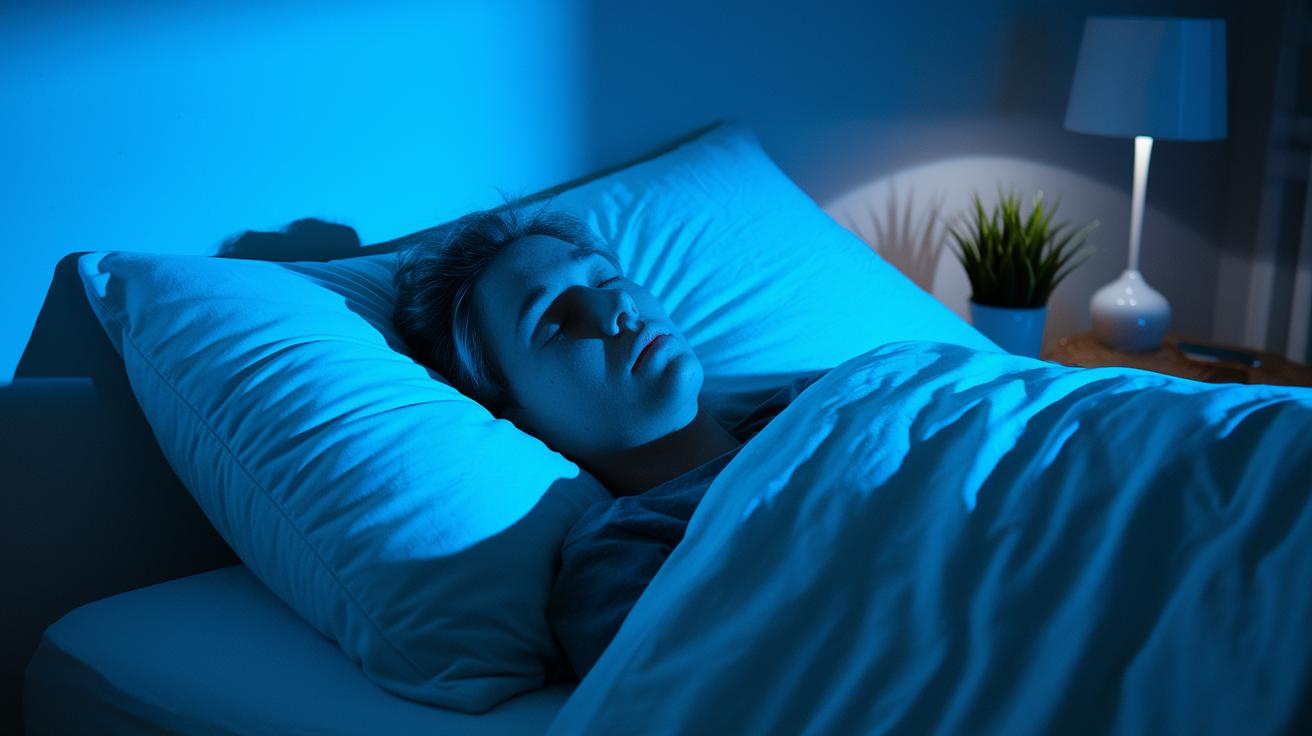
Deep sleep hypnosis is a technique that might help you sleep better by increasing the deep, slow-wave sleep your body needs to repair itself. In fact, some studies have shown this deep sleep can go up by nearly 80%. One person even shared that after a regular program, they woke up feeling remarkably refreshed.
Regular sessions of deep sleep hypnosis may also help your sleep feel more uninterrupted. Research suggests that for some, sleep quality improves by about 30%, meaning you might sleep more soundly throughout the night.
If you struggle with bedtime anxiety, hypnosis could be a good option. It has been reported to reduce anxious, racing thoughts by up to 50%, making it easier to settle into sleep peacefully.
A major plus is that no harmful side effects have been noted with deep sleep hypnosis, offering a safer alternative to some sleep medications.
However, it's important to note that about 1 in 4 people may not experience these benefits, which shows that results can vary from person to person.
Lastly, while some studies find that hypnosis can help reduce night awakenings, other trials have shown results similar to a placebo. So, it’s wise to keep realistic expectations as you explore this sleep aid.
Deep Sleep Hypnosis: User Experiences and Testimonials
We have now combined all the feedback on guided and self-hypnosis sessions into one clear discussion in the Evidence and Benefits sections. This means that sleep diary entries and celebrity stories have joined forces with clinical findings. For example, an actress shared her personal experience, and two television hosts talked about feeling less stressed and falling asleep faster. All these insights work together for a complete picture of the benefits.
Deep Sleep Hypnosis Versus Conventional Sleep Aids

Deep sleep hypnosis works by calming the mental buzz that can keep you awake at night. It gently guides your mind into a peaceful state, helping you drift off into a refreshing sleep. In contrast, sleep medications like melatonin, Benadryl (diphenhydramine), Ambien (zolpidem), and Lunesta (eszopiclone) mostly mask the problem. They might help you fall asleep fast, but you could end up feeling groggy the next morning or build up a tolerance over time.
With hypnosis, you're guided through simple verbal cues that ease both physical tension and stress. This natural method offers a low-risk alternative that many people find useful over time. Instead of just covering up symptoms, deep sleep hypnosis aims to reset your sleep cycle by calming your mind at its core. While results can vary, this approach avoids the common side effects often seen with conventional sleep aids.
Integrating Deep Sleep Hypnosis into Your Routine Safely
Deep sleep hypnosis can be a useful tool if you use it the right way. Experts say it’s smart to start with four or five guided sessions with a professional before trying self-hypnosis on your own. Once you have that foundation, a simple daily routine of 10–15 minutes can signal your brain that it’s time to relax and get ready for sleep. Keeping a sleep diary to jot down how well you sleep each night can help you notice small wins and adjust your routine as needed.
- Start with a few guided sessions: Try four to five professional sessions to set a strong foundation before moving to self-hypnosis.
- Build a short, nightly routine: Spend 10–15 minutes each evening on self-hypnosis to help your brain wind down.
- Choose clear audio guides: Use recordings or live sessions that focus on progressive relaxation and guided imagery, helping to ease mental stress.
- Track your progress: Keep a sleep diary to record when you fall asleep, any wake-ups during the night, and how rested you feel in the morning.
- Create a calming bedtime environment: Pair your hypnosis practice with a quiet, relaxed setting and consistent sleep times. For more ideas, check out this bedtime routine guide to support your sleep reset.
Stick with your routine and adjust it as you go – small changes can lead to better sleep over time.
Future Research and Gaps in Deep Sleep Hypnosis
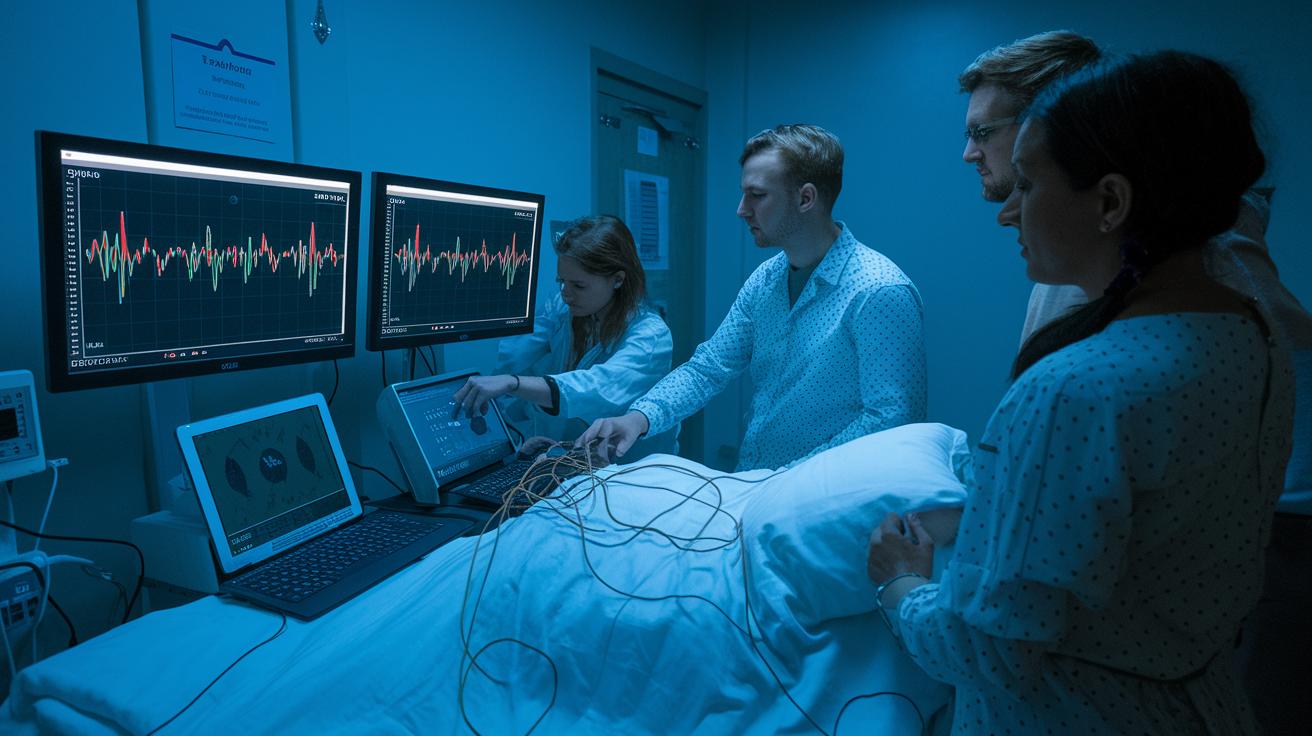
Studies on deep sleep hypnosis show promise but face some challenges. Many of these studies had few participants and design issues, making it hard to be sure of the results. Researchers say that larger, well-controlled studies are needed to firm up the evidence. They also point out that hypnosis methods vary a lot. For example, setting a standard session length, clear techniques, and consistent verbal cues would help us see how the methods truly work.
We also need more objective measures, like polysomnography (a test that tracks sleep stages by recording brain activity), during hypnosis sessions. This would back up personal reports and ensure that any improvements aren’t just due to what people expect. Long-term studies will be key to figuring out if the benefits of deep sleep hypnosis last over time. Filling these gaps will set clear outcome goals and help validate the protocols, making deep sleep hypnosis a more reliable and practical approach.
Final Words
In the action, our overview shows that deep sleep hypnosis (does it work) may boost deep sleep and ease bedtime anxiety. Research and user feedback highlight benefits like increased slow-wave sleep, yet some may not experience the same gains. We looked at guided routines, compared traditional sleep aids, and examined safe integration into your nightly routine. Small, steady improvements can make a real difference in sleep quality. Stay open to trying these steps and notice the positive changes over time.
FAQ
Does listening to hypnosis while sleeping work?
Listening to hypnosis while sleeping works by gently guiding your mind into a relaxed state, which may help reduce sleep delays and ease nighttime restlessness according to user experiences and some clinical findings.
Best sleep hypnosis free?
The best free sleep hypnosis options include online recordings that use soothing voices and gentle music. These recordings on platforms like YouTube provide accessible tools to help calm your mind without cost.
Does sleep hypnosis work for weight loss?
Sleep hypnosis works for weight loss indirectly by calming stress and reducing nighttime cravings. While it doesn’t burn fat directly, improved sleep may support better self-control and healthier eating habits over time.
Is sleep hypnosis dangerous?
Sleep hypnosis is generally safe when used properly. It poses few risks and has minimal side effects compared to medications, though people with severe mental health issues should talk to a professional first.
Hypnosis to fall asleep in 5 minutes?
Hypnosis to fall asleep in 5 minutes works by quickly easing your mind into a state of deep relaxation. Many users experience faster sleep onset, though individual responses can vary.
Best sleep hypnosis on YouTube?
The best sleep hypnosis on YouTube offers guided sessions with peaceful narration and calming soundscapes. These videos help create an ideal environment for relaxation and can improve your sleep routine effectively.
Deep sleep hypnosis download?
Deep sleep hypnosis downloads provide audio files designed to enhance your sleep quality by promoting deep relaxation. Using these recordings regularly can help build a calming bedtime routine that supports better rest.
Is sleep hypnosis safe?
Sleep hypnosis is safe for most people when practiced correctly. Studies report minimal side effects, making it a low-risk alternative to pharmaceutical sleep aids, though checking with a health professional is advised if you have concerns.
Does deep sleep hypnosis work?
Deep sleep hypnosis works by using guided techniques to promote profound relaxation and improved sleep depth. Research and testimonials show benefits in sleep efficiency, though results can vary and sometimes match placebo effects.
What is the 30/30 rule for insomnia?
The 30/30 rule means that if you haven’t fallen asleep after 30 minutes, you should get up for 30 minutes. This pause helps reset your mind and reduces frustration, making it easier to return to sleep.
Can hypnotherapy help with dementia?
Hypnotherapy may help with some dementia symptoms by reducing anxiety and promoting relaxation. However, it does not cure dementia and should be used only as a complementary approach under professional guidance.
Can hypnosis help with bipolar disorder?
Hypnosis can help manage stress and promote relaxation for bipolar disorder, though it is not a primary treatment. It should only be used as a supportive method alongside professional care under medical supervision.

