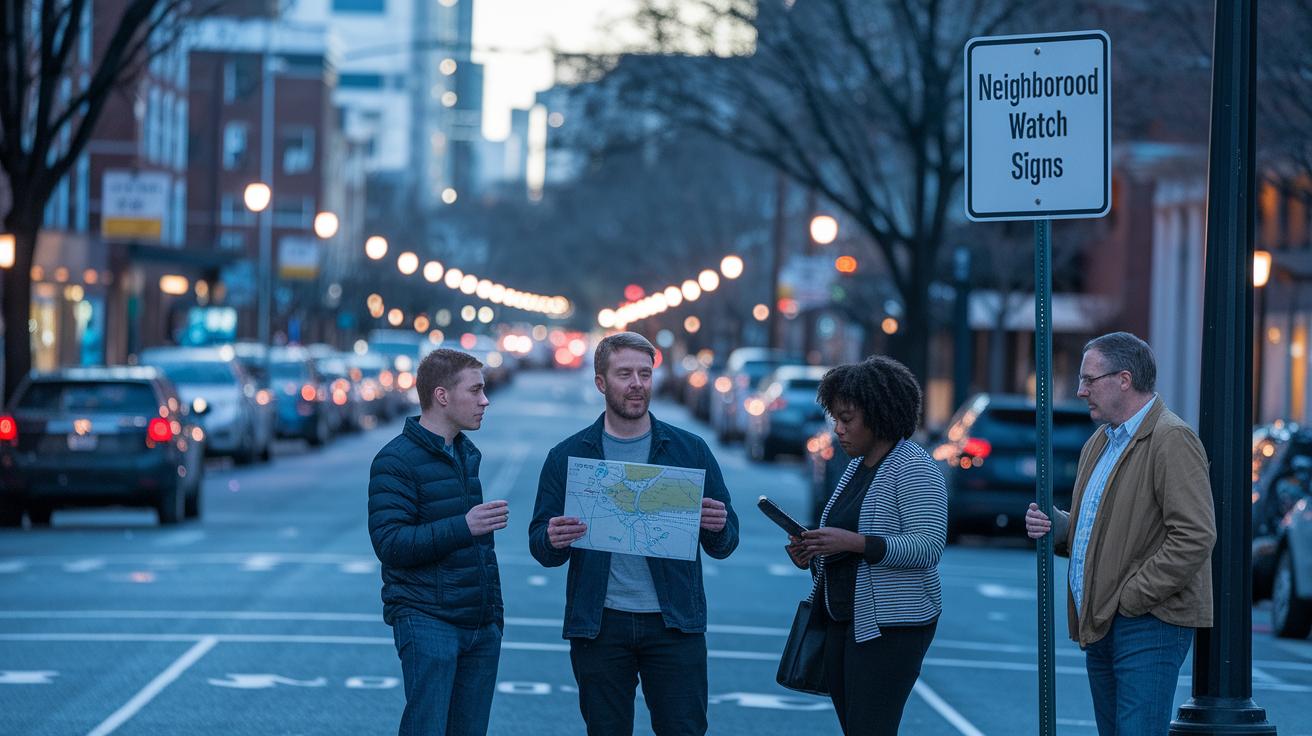
Ever wondered if one simple plan can cut down on emergencies in your neighborhood? Community risk reduction is a clear, step-by-step way to spot dangers and focus help where it matters most. Local teams keep an eye on everyday hazards, like kitchen mishaps, and direct help where it's really needed. This article shows how a team effort can lower risks and make your neighborhood safer. Take a few minutes to see how smart planning can spark safer communities.
Core Community Risk Reduction Framework
Community Risk Reduction (CRR) is a team effort to spot, rank, and manage risks so that we can cut down on emergencies. U.S. fire service agencies use a step-by-step approach that blends several key parts to keep communities safer.
A simple five-step plan forms the base of CRR:
-
Hazard Assessment – Look at the community to spot potential dangers. This means gathering data on everyday risks like fires, falls, or other hazards. For example, think of checking spots where cooking accidents might happen in crowded neighborhoods.
-
Risk Prioritization – Once risks are identified, we rank them by how likely they are to happen and how much harm they could cause. This helps ensure that efforts go where they’ll help most. For instance, a fire department might zero in on areas prone to small, frequent fire incidents.
-
Resource Allocation – With a clear risk plan, we direct funding, people, and tools to the areas that need them most. By matching our limited resources to the highest risk spots, we can stop incidents before they start.
-
Program Implementation – Next, we put plans into action. This could mean launching fire safety classes or using special tools like safety apps to make safe practices easy for everyone.
-
Continuous Evaluation – Finally, it’s important to keep checking our work. Regularly review how things are going, look at call data, and ask for input from responders and residents. This helps us fine-tune our strategies over time.
This clear plan helps fire service teams create safety programs that work for their community. It’s a mix of everyday checks with proven national methods for preventing fire loss. Start with this surprising fact: “A single consistent assessment strategy can cut emergency call volumes markedly,” showing how careful planning makes a big difference.
Community Risk Reduction in Fire Safety Program Design
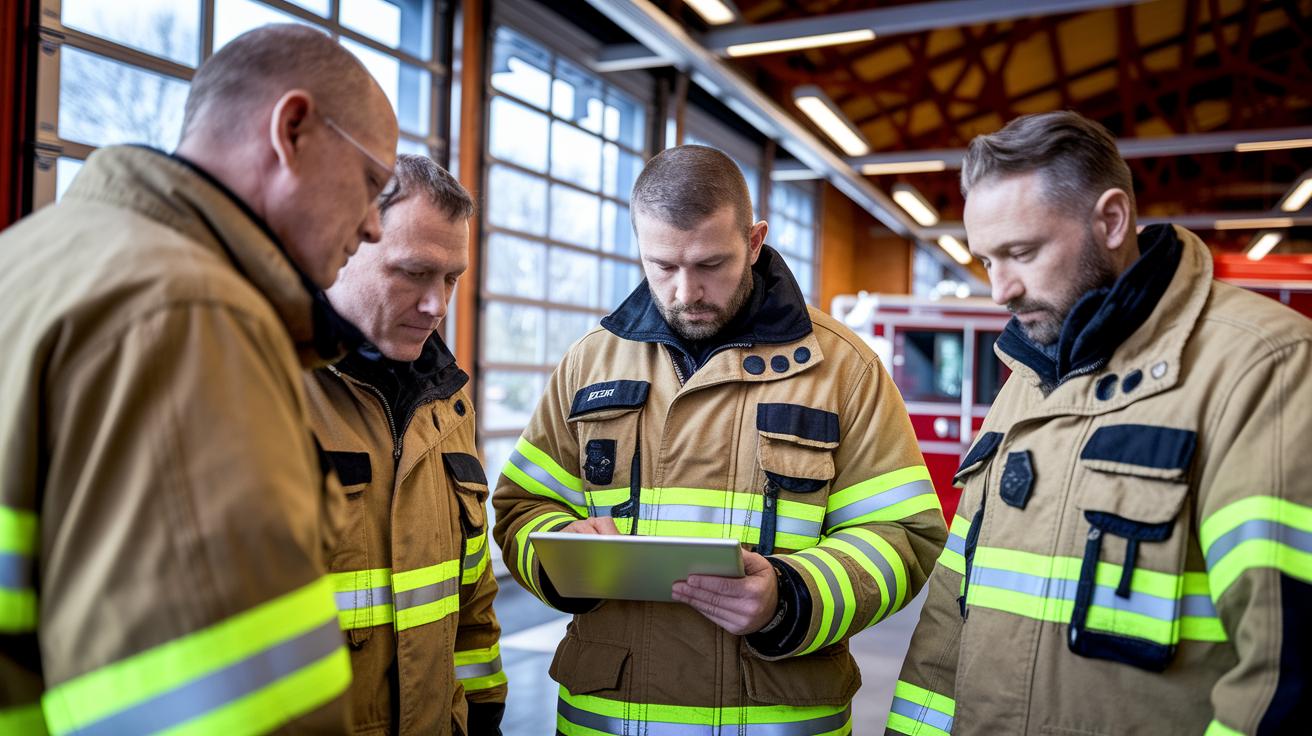
Fire departments use Community Risk Reduction (CRR) to guide every step of their safety programs. These methods start with understanding risks and continue through developing easy-to-use tools. For instance, the Home Safety Visits App shows short videos on cooking safety, heating tips, smoke alarm checks, and quick fire responses. The app is available in seven languages, making it simple for many households to get clear, helpful advice. One memorable example comes from Philadelphia where a strong CRR program not only installed smoke alarms in high-risk homes but also helped lower fire incidents.
Many fire teams also connect through CRRNet, a network where firefighters and safety experts share successful strategies and plans. This sharing means that a small change in one neighborhood can inspire similar improvements in another. It’s all about learning from each other to better manage risks.
On the ground, fire safety means following simple, practical plans. Departments create checklists for when to inspect equipment, what steps to take during emergencies, and how to educate residents. This careful planning helps lower the risk of fires before they even start. One clear case was in 2012 when installing smoke alarms in vulnerable homes led to fewer fire incidents.
Training is another key part of CRR. Firefighters participate in practice drills and review sessions where they learn the best ways to handle emergencies. These exercises boost confidence and ensure everyone is familiar with the tools and techniques that work best locally.
In short, keeping safety plans straightforward, updating them regularly, and sharing success stories make a real difference. With careful planning and practical steps, even small improvements in fire safety can help create safer neighborhoods.
Community Engagement for Effective Risk Reduction
Fire safety experts are sparking action in local communities by hosting friendly, practical events. During CRR Week (January 19–25, 2026), everyone comes together using easy-to-use toolkits, logos, podcasts, and videos. This week brings fire departments, local businesses, neighborhood groups, and partner agencies together so they can talk openly about shared concerns and put safety plans in place for everyone's benefit.
CRR Week is full of resources that make safety outreach simple. Organizers share clear, step-by-step guides on when and how to raise awareness. This helps you easily find local safety meetings and training sessions. It also gives local leaders a chance to swap tips and share stories of success.
One standout example is the “Take Your Time, You’ve Earned It” program from Gilbert Fire & Rescue, led by Jean Sperke. This program aims to reduce falls in assisted living and behavioral health facilities. By joining forces with local organizations and care providers, they show how teamwork can lead to safer homes.
Fire departments also run practical workshops and training sessions for both residents and staff. At these events, you get hands-on practice with emergency procedures and quick safety checks. A smart idea is to host a town hall meeting where community members can ask questions about fire prevention and share local concerns.
Finally, the results speak for themselves. For instance, the Cromwell Fire Department saw a 29% drop in fall-related calls. This shows that when public outreach and community engagement join forces, everyone wins in safety.
Measuring Community Risk Reduction Outcomes
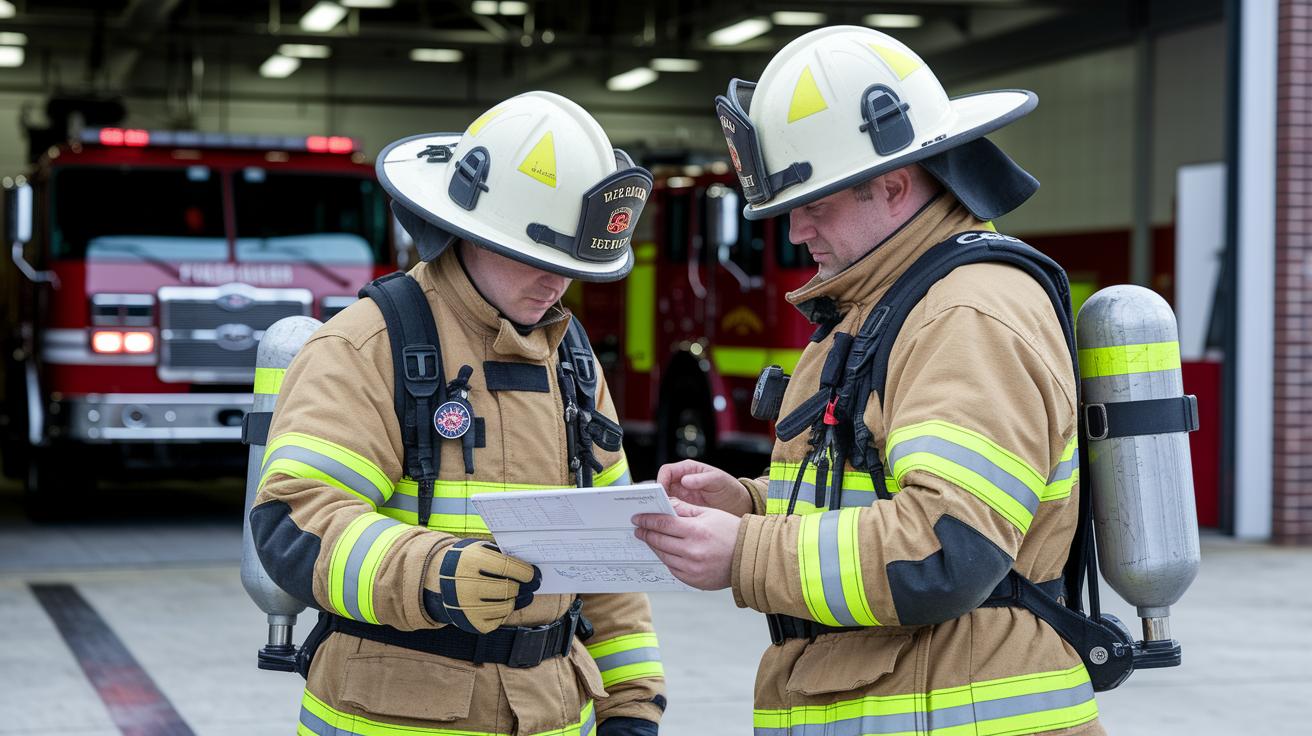
Fire departments track their safety plans by measuring clear outcomes. One common method is to compare call numbers and response times over set periods. For example, the Cromwell Fire Department’s fall-prevention program cut emergency calls for category 9-11 events by 29%. They keep track of results using incident logs and regular reviews.
At Las Vegas Fire & Rescue, Collin Spears’ Crisis Response Team uses on-scene clinical checks. They record their work with simple numbers and feedback from healthcare partners. These assessments help lower the number of emergency room visits during mental health crises.
Evaluations usually have two parts:
- Quantitative data: Counting call frequency, average response times, and incident types from regular reports.
- Qualitative feedback: Gathering comments from surveys and community focus groups to see how CRR efforts shape community safety.
Many teams improve continuously by collecting monthly performance metrics and holding brief review meetings to discuss trends. A typical evaluation schedule might look like this:
| Step | Data Collected |
|---|---|
| Initial Assessment | Call volume, incident types |
| Mid-Program Review | Stakeholder feedback, response times |
| Final Evaluation | Overall performance metrics |
These methods help teams fine-tune their strategies and ensure safety plans meet community needs.
Regulatory Standards and Guidelines in Community Risk Reduction
Firefighters and safety teams rely on clear rules to keep communities safe. They use materials that update fire codes and follow NFPA guidelines (standards set for prevention education) to build strong prevention programs. These guidelines form the basis of protocols that help local services run smoothly.
Local programs are regularly checked through public records and budget reports to make sure they match local rules. This review process helps teams stick to statewide prevention plans and use their resources well. Clear protocols also guide fire teams in creating training sessions that meet NFPA standards and state safety requirements.
Guidance documents come with sample templates that show a step-by-step process for putting statewide prevention plans into action. These templates make it easier for departments to merge local programs with established safety codes. Regular updates from fire code changes also provide a measurable way to check progress through internal audits, ensuring that programs follow state rules and keep improving.
A blueprint outline in these documents works like a checklist. It connects local programs directly with statewide prevention plans and NFPA standards, making the whole process organized and clear.
Case Studies and Toolkits for Community Risk Reduction

Recent reviews show that CRR toolkits now include interactive features and improved user feedback. The CRR Week toolkit offers downloadable logos, podcasts, videos, and interactive modules that track engagement in real time. Quick tip: Try a new interactive segment at your next outreach event, adding a short quiz after a safety video can boost audience involvement.
A closer look at the Philadelphia smoke alarm project reveals lasting safety improvements, with follow-up data supporting continued safe habits. Quick tip: Schedule follow-up calls after installations because regular check-ins can help reduce fire incidents.
Gilbert Fire & Rescue’s fall-prevention program now tracks detailed outcomes. This data shows a steady drop in falls over time. Quick tip: Start your program with a simple log to track progress. Seeing real numbers can motivate everyone to stay involved.
The Home Safety Visits App has been updated with built-in training sessions and clearer feedback loops. It now offers short, multilingual modules on cooking safety, heating precautions, and smoke alarms to keep users engaged.
CRRNet is still a go-to resource. It now provides updated blueprint templates and detailed case studies that include new metrics and outcome data.
| Example | Updated Effectiveness | Unique Insight |
|---|---|---|
| Philadelphia Smoke Alarm Project | Ongoing improvements seen with regular follow-ups and lower incident rates | Regular follow-ups help build lasting safety habits |
| Gilbert Fall-Prevention Program | Consistent tracking shows a steady drop in falls | Real-time data motivates more consistent participation |
| Home Safety Visits App | User engagement has grown with updated feedback | Integrated training sessions support diverse communities |
Final Words
In the action, this article broke down clear steps to cut risks in your community. We covered a five-phase framework, fire safety program design, and community engagement techniques. We also looked at how to measure outcomes and meet guidelines with real-life case studies and toolkits. Each section offers practical advice for small daily wins. Remember, every tiny effort on community risk reduction builds a safer, more confident environment for everyone. Keep taking those small steps forward!
FAQ
What is a CRR program?
A CRR program is a structured plan that identifies risks, prioritizes hazards, and guides resource allocation to prevent incidents and boost community safety.
What is CRR in safety?
CRR in safety refers to using strategies that assess and manage risks to reduce hazards, helping communities stay safe and minimize emergency incidents.
What is the first step in community risk reduction?
The first step in community risk reduction is conducting a thorough risk assessment to identify hazards and determine their likelihood and impact.
What are the basic components of a CRR plan?
The basic components include risk assessment, prioritization of hazards, resource planning, implementation of safety programs, and continuous evaluation.
What are some examples of Community Risk Reduction projects?
Examples include installing smoke alarms in high-risk areas, launching fall-prevention programs in care facilities, and educating residents through multilingual safety apps.
What is a fire department CRR plan example?
A fire department CRR plan might outline targeted home inspections, neighborhood outreach, and the use of safety technology to reduce fire-related incidents.
Are there templates available for Community Risk Reduction plans?
Yes, CRR plan templates provide a structured outline including risk identification, strategic actions, and evaluation steps to help guide departments in their safety programs.
What is Vision 20/20 Community Risk Reduction?
Vision 20/20 Community Risk Reduction is an initiative offering guidelines and tools that help fire safety departments design and monitor effective community risk reduction strategies.
What jobs are available in community risk reduction?
Careers in community risk reduction include roles such as fire prevention officers, community educators, safety program coordinators, and risk assessment specialists.
Are there conferences about community risk reduction?
Yes, conferences unite fire safety professionals to share best practices, review case studies, and discuss innovative strategies for reducing community risks.
Is community risk reduction training available?
Yes, training programs offer hands-on guidance in conducting risk assessments, planning prevention activities, and evaluating programs to enhance overall safety.