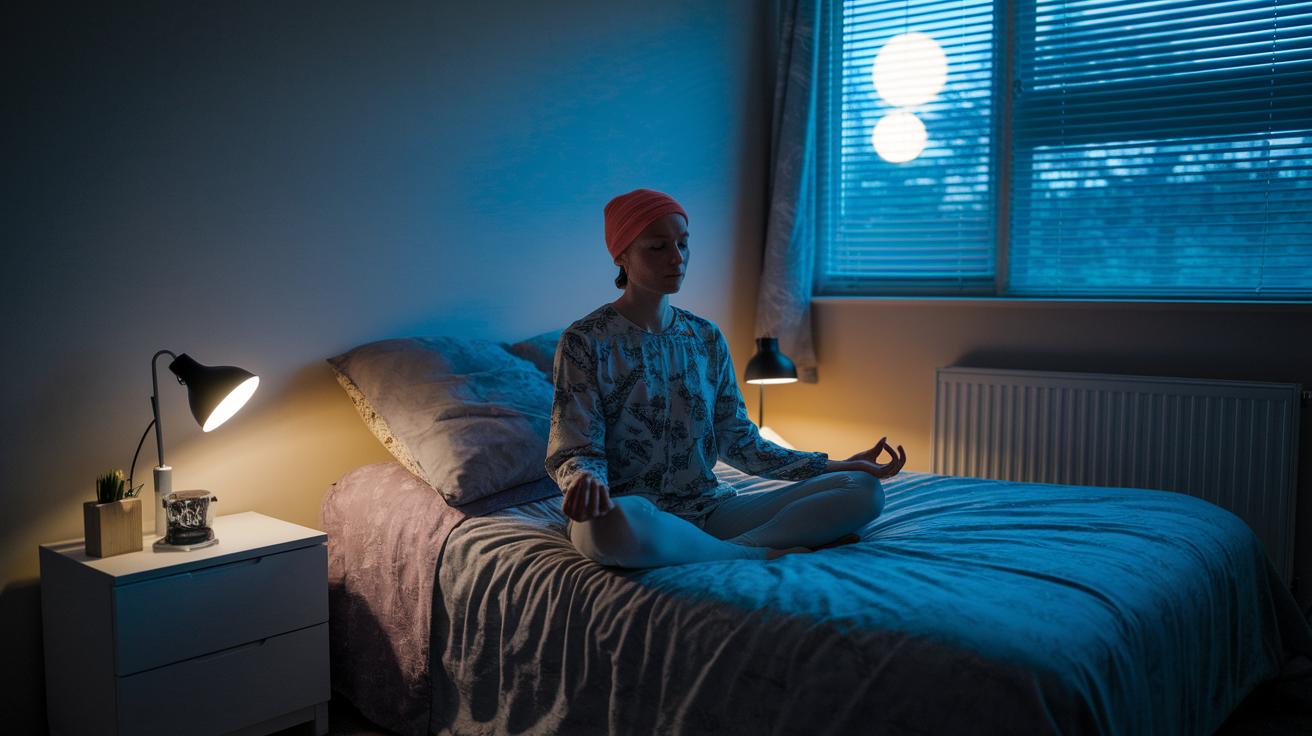
Quick take: A few deep, slow breaths might be just what you need for a better night's sleep.
Imagine your body shifting from stress to calm, like flipping a switch from busy to relaxed. We share easy breathing steps that can help quiet your mind and gently lower your blood pressure (the force of your blood moving through your vessels). Try these simple techniques tonight and feel your body unwind as you settle into a peaceful sleep.
How deep breathing activates restful sleep
Deep breathing helps your body switch from feeling wound up to feeling calm and ready to relax. When you breathe slowly and steadily, it turns on your parasympathetic nervous system (the part that tells your body to rest). This slows your heart rate, lowers your blood pressure, and sets the stage for a good night's sleep.
By using diaphragmatic breathing, where your belly rises as you breathe in, you boost your oxygen intake. This mindful way of breathing also wakes up your vagus nerve and may help your body release melatonin (a hormone that helps you sleep). As you focus on the gentle rhythm of your breath, your mind quiets down, making it easier to drift into sleep and easing the day's stress.
Research shows that deep, mindful breathing can lower stress and calm the nervous system. With a little practice each night, you can help your body unwind and get the deep, peaceful sleep it needs. Try deep breathing tonight and notice how a few slow, steady breaths can turn your rest into a refreshing pause from the hustle.
Essential breathing techniques to induce deep sleep
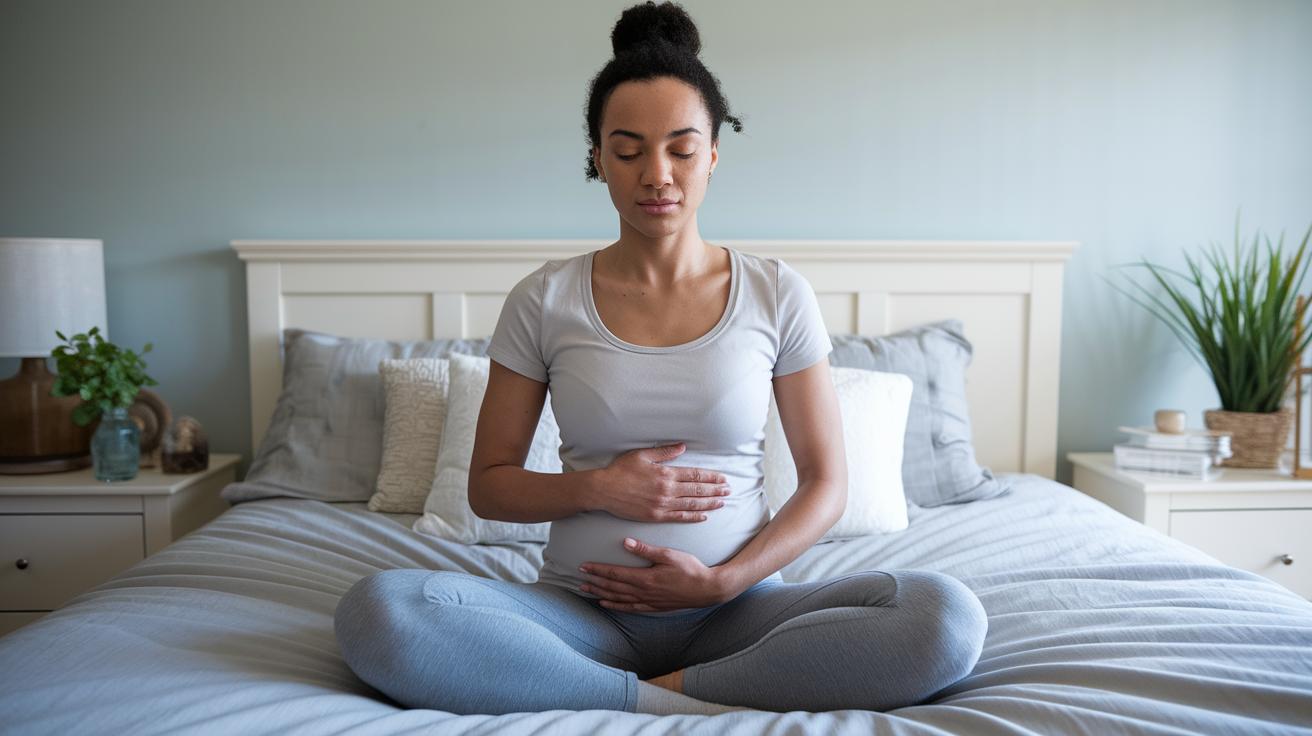
Try these five simple breathing exercises to ease stress and help your body prepare for a deep, restful sleep. Follow along with each step, and let your breath guide you toward a calm night.
4-7-8 Breathing
This technique helps slow your heart rate and quiet busy thoughts. Breathe in gently through your nose for 4 seconds, hold your breath for 7 seconds, then exhale slowly through your mouth for 8 seconds. Repeat this cycle until you feel a wave of calm wash over you.
Diaphragmatic Breathing
This method increases your oxygen intake and reduces sleep anxiety. Lie on your back and place one hand on your belly. Breathe in deeply so you can feel your stomach rise, then breathe out slowly. This steady practice helps lower your heart rate and ease any tension.
Box Breathing
Box Breathing sets a balanced pace through equal counts for each phase of breath. Inhale for 4 counts, hold for 4 counts, exhale for 4 counts, and then pause for another 4 counts before beginning again. This simple rhythm centers your thoughts and reduces stress fast.
Alternate Nostril Breathing
This exercise helps balance both sides of your brain and encourages mindfulness. Close one nostril and inhale through the other for 4 counts, then switch sides and exhale for 4 counts. Repeat the pattern, taking roughly 4 breaths per nostril to promote inner balance.
Bhramari Pranayama
Also known as the humming bee breath, this technique can reduce blood pressure and relax your mind. Take a deep breath in, and then exhale while softly humming. Go through several rounds to let the gentle vibrations soothe your stress.
| Technique | Steps | Key Benefit |
|---|---|---|
| 4-7-8 Breathing | Inhale for 4 sec, hold for 7 sec, exhale for 8 sec | Slows heart rate and quiets thoughts |
| Diaphragmatic Breathing | Lie down, feel belly rise, exhale slowly | Reduces sleep anxiety and tension |
| Box Breathing | Equal 4-count phases for in, hold, out, and pause | Centers focus and eases stress |
| Alternate Nostril Breathing | Alternate nostril for 4 counts per side | Balances brain activity and mindfulness |
| Bhramari Pranayama | Deep inhale with a humming exhale | Helps lower blood pressure and calms the mind |
Bedtime breathing routines for calm sleep
Start by setting up a quiet, calming spot for your evening wind-down. Lower the lights and choose a place where you can spend about 5 to 15 minutes relaxing. Sit or lie in a comfortable position and follow the same sequence each night so your body learns it's time to slow down. You might begin with deep belly breathing (using your diaphragm), shift into a 4-7-8 pattern (inhale for 4 seconds, hold for 7, exhale for 8), and finish with slow, mindful exhales as you prepare for sleep.
Here are five simple steps to add this routine into your night:
- Use the same place each evening to set the mood.
- Start with a few deep, slow belly breaths.
- Transition into the 4-7-8 breathing cycle.
- End with a focused, gentle exhale.
- Practice every night to build a steady habit.
This routine eases your body and calms your mind, helping you get ready for a deep, restful sleep. If you need more guidance, consider exploring a full sleep reset routine.
Managing stress through bedtime breath control
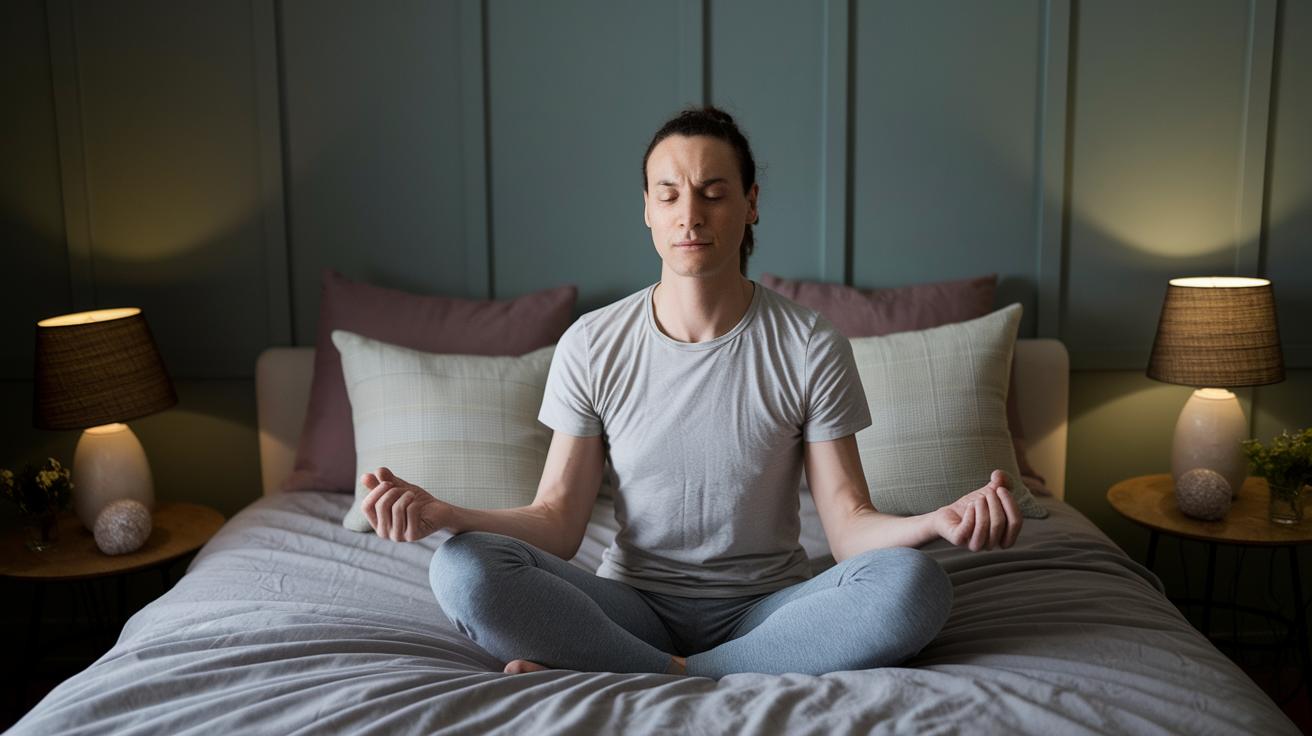
When you're ready for bed, try slowing down your breath to signal your body it's time to relax. Focus on each slow inhale and exhale to help quiet your mind and set aside stressful thoughts. Counting your breaths can help ease tension and prepare you for sleep.
Boost this routine by adding a simple muscle-relaxation step. As you breathe in, gently tighten a group of muscles for about 5 seconds, then slowly breathe out and let the tension go. This helps your muscles relax and reinforces that it's time to wind down.
With regular practice, these combined techniques might help lower stress hormones and build a steady bedtime routine. Over time, pairing deep breathing with muscle release can make it easier for your body to slip into a restful state. For more tips, see stress management techniques for anxiety.
Common mistakes to avoid when practicing sleep breathing exercises
When you rush through your breathing practice, you might lose its calming benefits. Taking shortcuts by speeding up can leave you feeling anxious or lightheaded. Instead, breathe slowly, inhale deeply, pause briefly, and exhale gently. Forcing your breath may cause discomfort and pull you away from the relaxation you need.
It’s also easy to ignore the natural rhythm of your breath. When you hurry, you might miss important body signals. This can make you feel dizzy or create tense breathing patterns. Let your body find its natural pace so you can fully benefit from mindful breathing.
Staying consistent is key. Changing your practice too often or skipping sessions may slow your progress. Stick to a steady, gentle routine each night and allow your body to adjust gradually for better, more restful sleep.
Advanced breathwork patterns for swift sleep onset
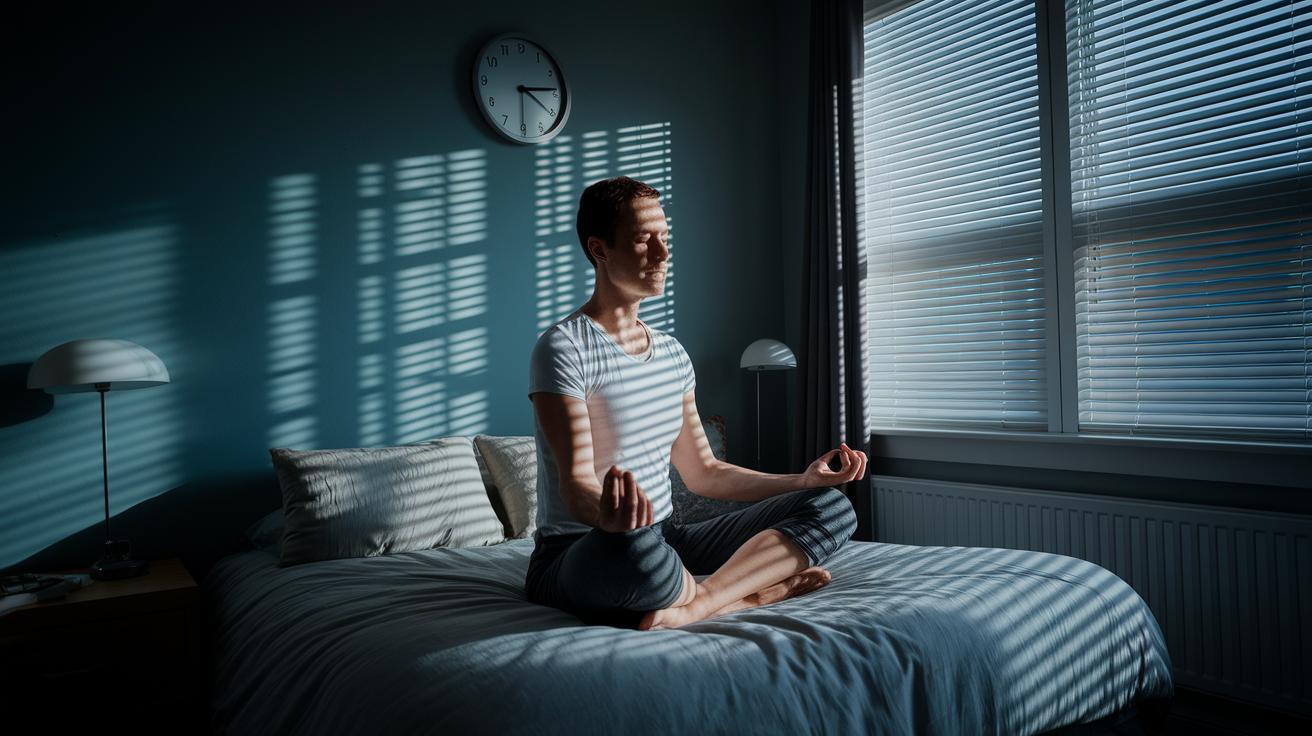
When you're ready to drift off, advanced breathing techniques can help calm your mind and reset your body. These methods are more structured than simple breath control, guiding you into a state of deep relaxation.
For example, using a steady rhythm with set timings sends a clear signal to your body that it’s time to wind down. While these methods might seem a bit tricky at first, practicing them regularly can make falling asleep much easier.
Here are some reliable approaches:
- Military Breathing Method: Breathe in for 4 seconds, hold for 4 seconds, then breathe out for 4 seconds.
- Roll Breathing: Fill your lungs completely, then slowly exhale in one smooth, continuous flow.
- Kumbhaka (4-4-8): Breathe in for 4 seconds, hold your breath for 4 seconds, and exhale slowly for 8 seconds to extend your relaxation.
Try adding one of these techniques to your nighttime routine. The military method is straightforward and works well when you need a quick reset, roll breathing helps you tune into the natural flow of your breath, and the Kumbhaka pattern deepens your sense of calm. Over time, these steps can help you move gently from wakefulness to a peaceful sleep.
Final Words
In the action, this post walked you through how controlled breathing shifts your body into a rest-and-digest mode, promoting calm and deeper sleep. We broke down effective routines, from 4-7-8 to diaphragmatic breathing, and outlined simple habits to integrate into your nightly wind-down.
Regular practice of breathing exercises for deep sleep can help lower stress and ease anxiety over time. Keep experimenting with these small, actionable steps for a more peaceful sleep tonight.
FAQ
What is the 4-7-8 method of falling asleep?
The 4-7-8 method of falling asleep involves inhaling for 4 seconds, holding for 7 seconds, and exhaling for 8 seconds. This technique calms the nervous system and can promote sleep.
Can breathing exercises lower blood pressure?
Breathing exercises lower blood pressure by engaging the body’s rest response. They slow the heart rate, relax blood vessels, and support overall calm, which can benefit your daily routine.
What is the best breathing exercise to fall asleep?
The best breathing exercise to fall asleep is often the 4-7-8 technique, as it eases tension and shifts your body into a relaxed state, making it easier to drift off.
What breathing technique do Navy SEALs use to fall asleep?
Navy SEALs use a military breathing technique that involves slow, controlled breath patterns, such as a 4-second inhale, brief hold, and slow exhale, to quiet the mind and promote rapid sleep.
Do breathing exercises help with deep sleep and anxiety?
Breathing exercises help with deep sleep and anxiety by reducing stress and triggering relaxation. They calm your mind and body, making it easier to manage anxiety and achieve peaceful sleep.
Where can I find breathing exercises for deep sleep on YouTube?
You can find guided videos for deep sleep breathing exercises on YouTube. These videos provide step-by-step instructions to help you relax and prepare for a restful night’s sleep.
Is there a breathing exercise to fall asleep in 60 seconds?
Some breathing exercises claim to help you fall asleep in 60 seconds by quickly shifting your focus and relaxing muscles. Experiment with different techniques to see which one works best for you.
Are there breathing exercises suitable for deep sleep apnea?
Breathing exercises suitable for deep sleep apnea focus on improving breathing patterns and oxygen flow. Always consult your healthcare provider before starting any new practice to ensure safety.