
Ever wondered if a simple herb could help ease your stress? Adaptogens are natural herbs that may lower stress hormones (the chemicals our bodies produce when we’re overwhelmed) and help restore balance. Some research shows that using these herbs regularly can reduce stress levels while boosting your body's resilience. Imagine staying calm and centered even on your busiest days, all without a prescription.
In this post, we break down how these natural helpers work at the cell level to support both your mind and body when stress rises.
How Adaptogens Manage Stress at the Physiological and Biochemical Level
Adaptogens help your body fight off physical, chemical, and biological stress. They work by lowering stress hormones, one study found that in people under constant stress, cortisol levels dropped by as much as 30% over time. You might also notice a boost in your body’s ability to handle stress by about 40% within 8 to 12 weeks. These changes can help bring your body back into balance during stressful times.
At the cellular level, adaptogens work on what we call the HPA axis (the system that controls your stress hormones). By smoothing out how your body releases cortisol during tough moments, these herbs help keep you calmer and more balanced. Some people even report a more steady mood and fewer stress-related ups and downs when they use adaptogens regularly.
Beyond just managing cortisol, adaptogens also support your body's natural defense. They boost antioxidant levels, which means they help protect your cells from damage caused by free radicals, those harmful molecules that often pack a punch during long periods of stress. This extra help at the cellular level can ease brain fog and reduce mental fatigue, making it easier to stay sharp during busy or stressful days.
Many users of adaptogens have shared that these herbs improve sleep quality, boost thinking skills, and cut down on feelings of anxiety. Best of all, these benefits come without needing prescription medications. When you mix adaptogens with other stress reduction strategies, you create a well-rounded method to tackle stress from every angle.
Overall, the science behind adaptogens shows they can offer quick relief during stressful moments and broader support for your overall well-being. If you're looking to balance your body and mind, consider making adaptogens part of your daily routine.
Adaptogens for Stress: Feel Calm & Centered
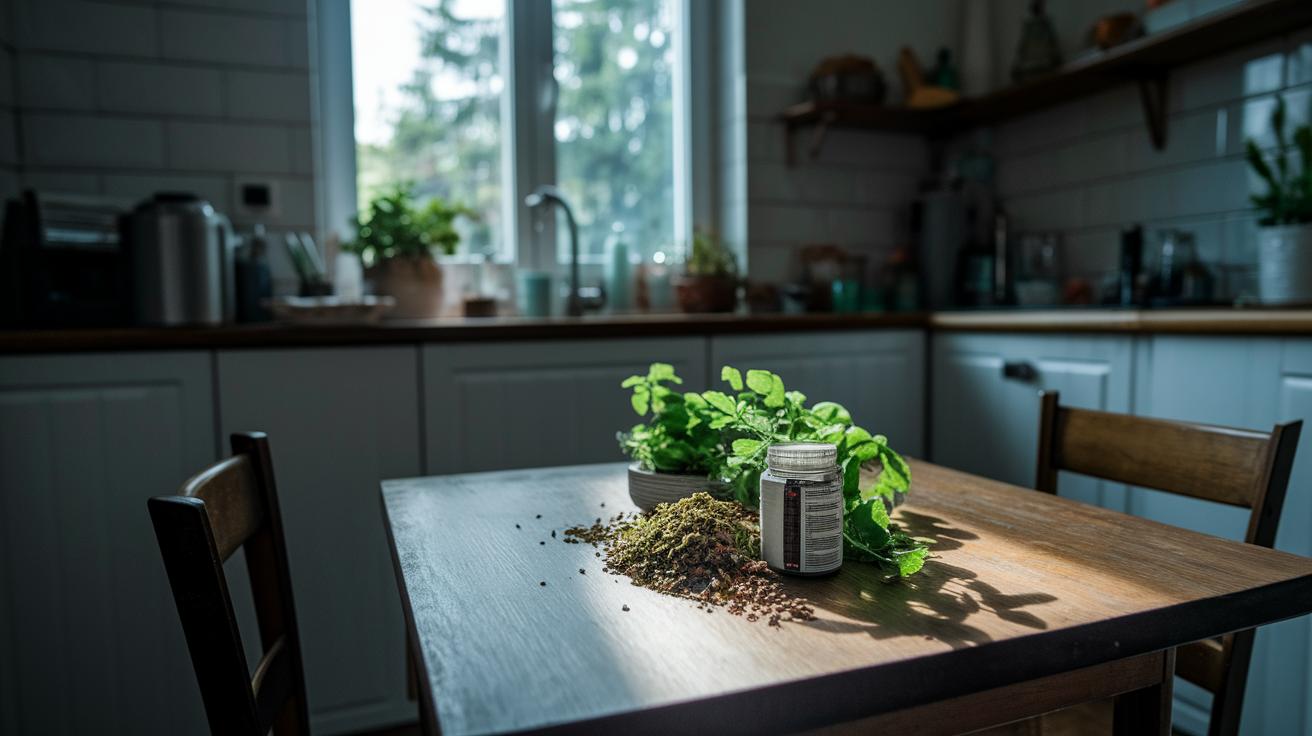
Many people find that natural herbs help manage everyday stress. Ashwagandha, for example, has been shown to lower the body’s stress hormone by about 28% and has been used for centuries to promote a sense of calm and balance.
Rhodiola rosea is a helpful herb when stress makes it hard to concentrate. It eases mental fatigue and clears brain fog so you can stay focused. If you're noticing early signs of stress, check the "signs of stress" page for more information.
Holy basil, also known as tulsi, helps keep your cortisol levels steady and supports balanced blood sugar. This balancing act can calm your body’s responses during stressful times.
Reishi mushroom adds its own benefits by promoting a good night’s sleep. Restful sleep often improves mood and mental clarity, making reishi a smart choice for easing tension naturally.
Eleuthero has been trusted in Chinese herbal medicine for over 2,000 years to boost your body’s resilience to stress. It is often included as part of a plan to manage daily tension.
| Adaptogen | Main Benefit |
|---|---|
| Ashwagandha | Lowers stress hormone levels |
| Rhodiola rosea | Reduces fatigue and sharpens focus |
| Holy Basil (Tulsi) | Balances cortisol and supports blood sugar |
| Reishi Mushroom | Promotes calm and improves sleep |
| Eleuthero | Enhances natural stress resilience |
These adaptogens offer a simple, natural, and research-backed way to help you feel calm and centered each day.
Guidelines for Dosage, Timing, and Combination of Adaptogens
Start here: when you add adaptogens to your routine, you might start noticing changes in just 1–2 weeks. Try using ashwagandha on its own for a couple of weeks so you can see how your body reacts before adding anything else. After 4–8 weeks, you may feel more calm and find it easier to focus. If you are dealing with long-term stress, it can take 2–3 months of regular use to see steady improvements.
Follow these practical steps:
- Begin with one adaptogen to see how your body responds. For example, try taking rhodiola in the morning if you need an energy boost.
- Once you feel comfortable, consider trying two adaptogens together. A good combination is ashwagandha with rhodiola, but add the second herb slowly.
- Plan your dosing based on what each herb helps with. Use energizing adaptogens like rhodiola in the morning, and calming ones like reishi in the evening to help relax before bed.
- Keep a simple journal to record any changes. Write a note like, "After 10 days, my mood felt noticeably better." This log can boost your confidence in the process.
By following these steps, you can safely and effectively add adaptogens to your daily routine for ongoing stress relief.
Safety Profile and Potential Side Effects of Adaptogen Use
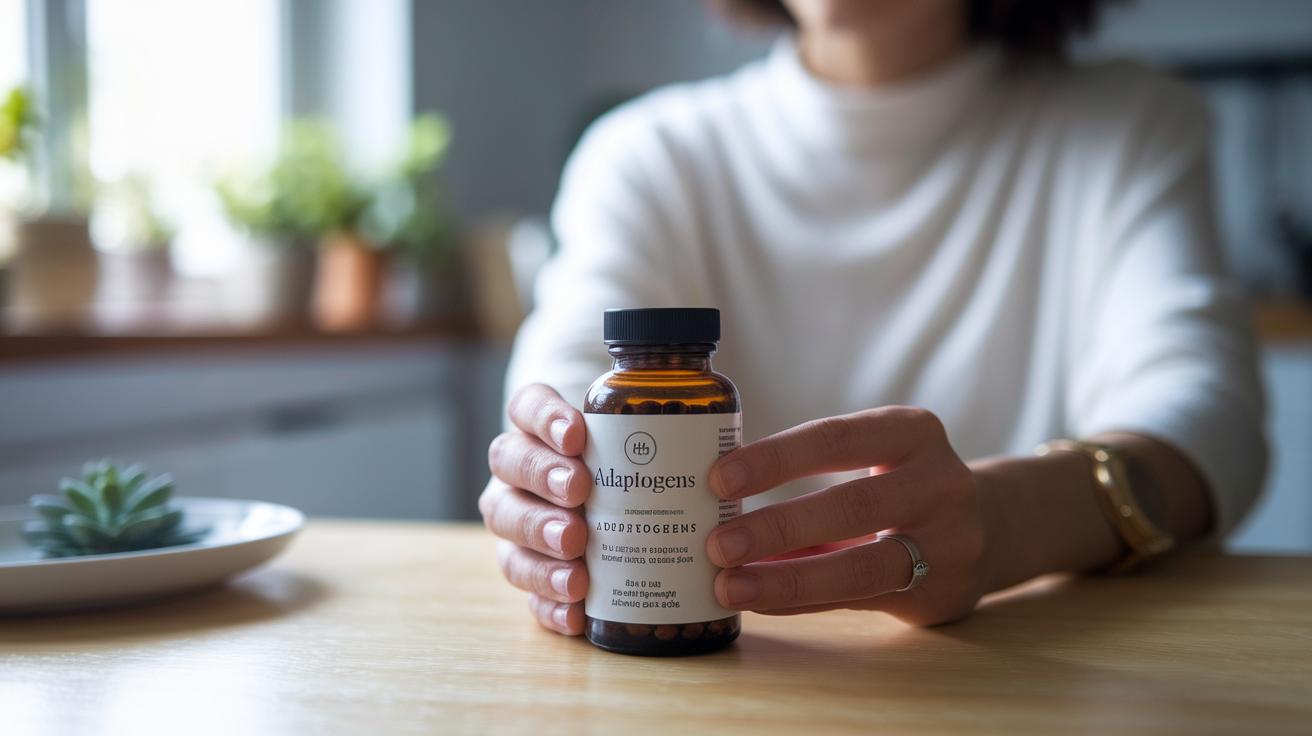
Adaptogens are usually safe and well-tolerated, even with long-term use. Many people use these herbal supplements and see good results without major issues. However, some might feel a bit of tummy discomfort, slight drowsiness, or occasional headaches when they start. These effects are usually mild and fade away as your body gets used to the supplement.
If you have a sensitive system, try a small dose first and watch how you feel before gradually increasing it or mixing it with other adaptogens. Should you notice stronger symptoms or if you’re worried, especially if you have severe anxiety, are pregnant, or take prescription drugs, talk with a healthcare provider. Adjusting your dose and keeping an eye on any changes can help you safely use adaptogens to manage stress.
Final Words
In the action, adaptogens for stress help balance cortisol, support antioxidant defenses, and clear mental fog.
We've seen how herbs like ashwagandha and reishi lower stress hormone levels and boost resilience, while use guidelines offer simple ways to start.
The post also covered what to watch for in terms of side effects so you can use these botanicals safely.
Pairing these natural strategies with other stress management techniques can offer fast, clear wins for your daily routine.
Keep making small moves to build lasting well-being.