Are you tired of wrestling with stubborn jars and heavy bags? Many of us overlook how strong hands make everyday tasks easier. Strengthening your grip can simplify your day and boost your overall fitness.
This guide offers simple exercises to build strength in your hands, wrists, and forearms, even if you only have a few minutes and a little space. Picture yourself handling daily tasks with more confidence, without the need for fancy equipment.
Ready to build a stronger grip and change your routine today?
Top Grip Strength Exercises to Start Today
Are you ready to boost your hand power and feel stronger overall? Try these simple exercises at home that target your hand, wrist, and forearm muscles using little to no equipment. Each exercise focuses on a different type of grip – whether it's a firm squeeze, a pinch, or holding steady.
Mix these exercises into your routine two or three times a week. Start slow, using proper form, and gradually add more time or resistance as you improve. And if you're busy, these moves can fit right into your day and still give you noticeable gains.
Use this list to get started immediately:
- Ball squeezes
- Towel wrings
- Dead hangs
- Farmer’s carries
- Hand gripper drills
- Wrist rollers
Keep track of your progress and celebrate your small wins – soon, you'll notice your grip getting much stronger.
Understanding Grip Strength and Target Muscles
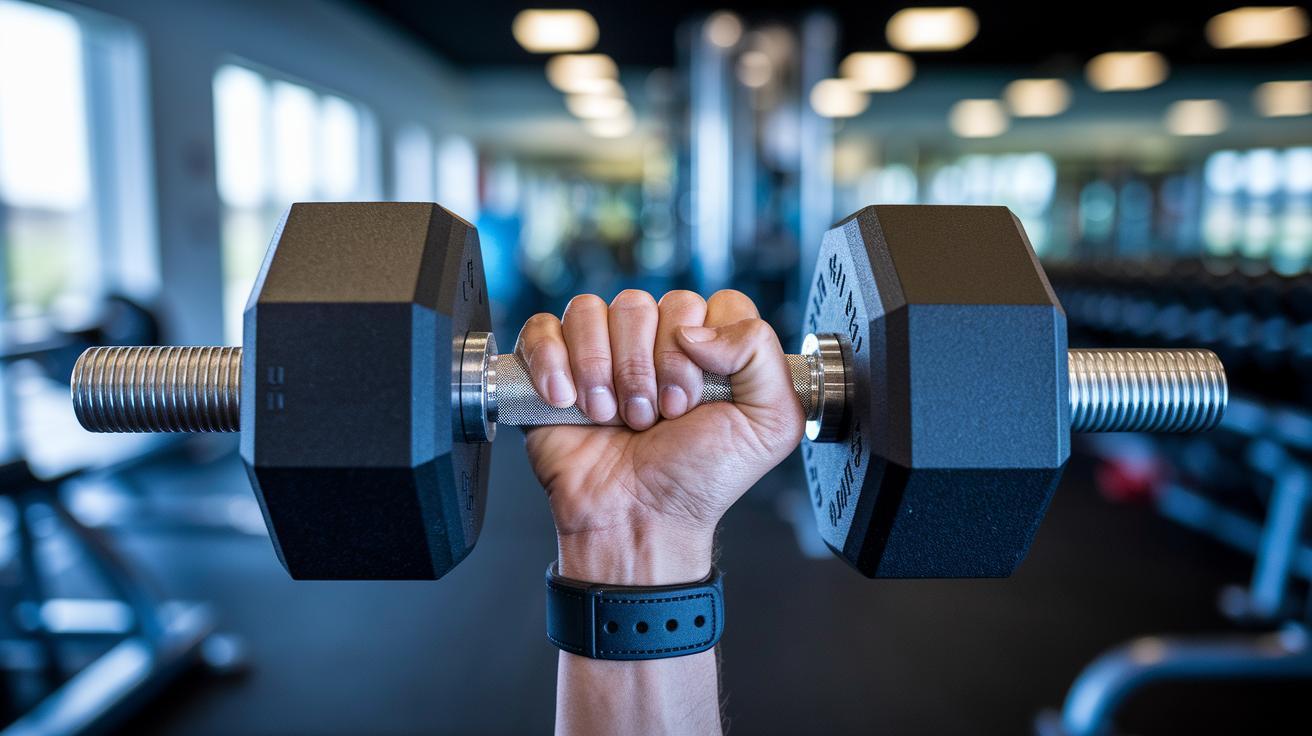
Your grip strength relies on the teamwork of muscles in your hands, wrists, and forearms. Every day, whether you're opening a jar, carrying groceries, or lifting weights, you use three main types of grip.
The crush grip uses the strength of your fingers closing in on an object, like when you tightly hold a dumbbell or bar. The pinch grip works between your thumb and fingers. This grip is handy for holding small items, such as a key or a thin weight plate. The support grip is all about holding on for a long time. You use it when carrying heavy items over a distance or hanging on during exercises.
Building a strong grip can boost your performance in sports and daily activities while protecting your wrists from strain. By mixing in exercises for each grip type, you help balance your muscle strength and keep your wrists flexible. These moves work together to improve stability and reduce the risk of injury during heavy lifts or extended manual work.
Understanding how each grip works lets you adjust your training routine and build overall hand strength.
Essential Grip Strength Exercises by Grip Type
Crush Grip Exercises
Boost your hand power with two simple moves: ball squeezes and hand gripper drills. For ball squeezes, grab a soft ball and hold a tight squeeze for 5 seconds, then relax. Aim for 10–12 squeezes to wake up the muscles in your fingers and forearms. Next, try the hand gripper. Squeeze it firmly and hold for 15 seconds, then slowly release. Keep your pressure steady to gradually build a stronger grip.
Pinch Grip Drills
Build thumb-to-finger strength with plate pinches and towel wrings. For plate pinches, hold a 5–10 lb plate between your thumb and fingers, and lift it while holding for 10–20 seconds. Extend your arms for an extra challenge. Then, twist a damp towel in each direction for 8–10 reps. These exercises help you secure a tight hold on small objects during daily tasks.
Support Hold Movements
Work on your endurance with dead hangs and farmer’s carries. For dead hangs, grab a pull-up bar and hang for 20–30 seconds. Do 2–4 sets to not only improve your grip but also strengthen your core and shoulders. In farmer’s carries, hold weights that are about 50–75% of your heaviest lift and walk for 30–60 seconds. Do 3–5 rounds to slowly increase your grip stamina.
Wrist Extension and Mobility Work
Strengthen and balance your wrist muscles with wrist curls, reverse curls, and wrist roller drills. Do wrist and reverse curls for 3 sets of 12–15 reps each to work both your wrist flexors (muscles that help bend your wrist) and extensors (muscles that help straighten your wrist). Then, grab a wrist roller and roll a weight for 20–30 seconds over 2–3 sets. This boosts your wrist control and overall mobility.
Best Grip Training Tools and Equipment
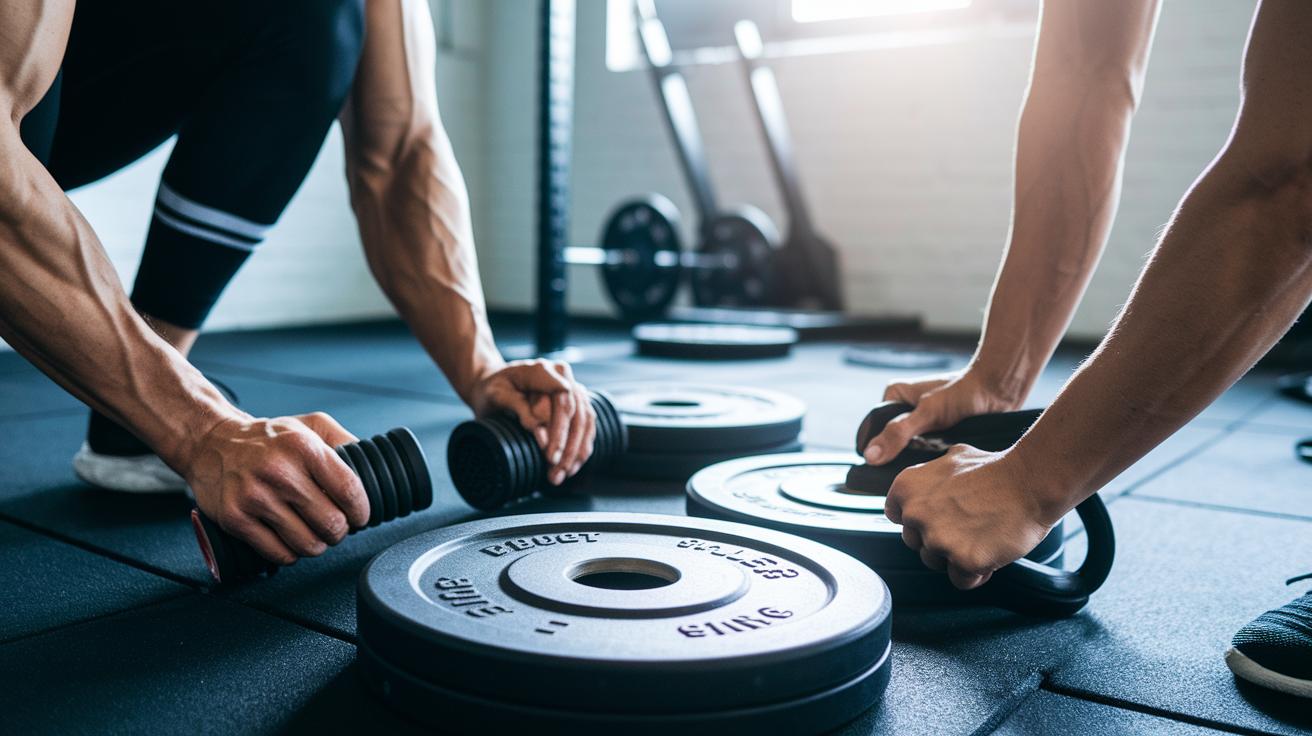
Building a stronger grip doesn't have to be expensive or complicated. The right, budget-friendly tools can make your training simple and effective. Hand grippers help boost your crush strength. Just squeeze them firmly and hold for 15 seconds, give it a try today. For better forearm control, wrist rollers add resistance with smooth, controlled movement. If you want to challenge your closing power, try using fat grips that widen your bar. You can also work on your pinch strength by pinching weight plates (often free) between your fingers. Even a basic towel can work wonders when used for towel wrings to build hand endurance.
| Tool | Primary Use | Price Range |
|---|---|---|
| Hand Grippers | Builds crush grip (firm squeezes) | $20–$40 |
| Wrist Rollers | Improves forearm control and wrist stability | $25–$50 |
| Fat Grips | Challenges closing power for stronger grip | $15–$30 |
| Weight Plates | Enhances pinch strength | Free |
| Towels | Builds hand endurance with towel wrings | $0–$10 |
Make sure to check and clean your tools regularly to keep your workouts safe and effective.
Programming and Recovery for Lasting Grip Improvements
Train your grip muscles 2-3 times a week. Because these muscles need more time to recover than larger ones, mix up your workouts. On heavy grip days, try max holds and high-tension drills. On other days, focus on endurance with long hangs or farmer’s carries. Gradually add extra seconds, weight, or resistance to challenge your muscles without risking injury.
Start each session with a gentle warm-up. Do simple wrist rotations and arm movements to get your hands ready. Next, stretch your wrists to keep them flexible and reduce tightness. A bit of soft-tissue work using a foam ball or massage can help ease forearm soreness, too.
Keep a workout log by recording your max hold times or how much tension you feel with your hand gripper. This simple habit helps you see progress and adjust your routine if you hit a plateau.
- Heavy grip day: Focus on max holds and high-tension exercises.
- Endurance grip day: Try long hangs and farmer’s carries.
- Recovery day: Warm up gently, stretch your wrists, and work on soft-tissue relief.
Be sure to alternate workout days with full rest days. This structured plan not only builds steady grip improvements but also supports lasting strength over time.
Final Words
In the action, you have a clear pathway to boost your grip power. We covered a mix of exercises like ball squeezes, towel wrings, dead hangs, and more to build crush, pinch, and support strengths. Breaking down the technique behind each move helps you understand what muscles to target and why proper recovery matters. These steps show how to get better grip strength, creating a balanced routine that fits into busy lives. Keep practicing and refining your form, you’ll notice progress with each session.
FAQ
How can I improve grip strength at home?
Improving grip strength at home involves using simple exercises like ball squeezes, towel wrings, and hand gripper drills. These moves work your hand, wrist, and forearm muscles to boost everyday strength.
How can seniors improve grip strength?
Seniors can safely build grip strength by practicing gentle moves like dead hangs and farmer’s carries. These exercises enhance holding power while reducing injury risks, making daily tasks easier and more secure.
How can I increase grip strength with hand grippers and is it okay to use them daily?
Using hand grippers builds strength through repeated squeezes targeting your finger and wrist muscles. Daily use is fine if you alternate intensity and take rest days to avoid overuse and strain.
What grip strength equipment should I use?
Common grip equipment includes hand grippers, wrist rollers, fat grips, and even household items like towels. Each tool targets different grip types, so choose options that match your training goals and budget.
What are five ways to improve grip strength?
Five effective methods include practicing ball squeezes, towel wrings, dead hangs, farmer’s carries, and hand gripper drills. These exercises work your crush, pinch, and support grips for a well-rounded hand workout.
What are the benefits of hand grip exercises?
Hand grip exercises strengthen your hand, wrist, and forearm muscles, making daily tasks easier, reducing injury risks, and enhancing overall performance in activities that require a strong and steady hold.
Is having a 130 lb grip strength good?
A 130 lb grip strength can be strong depending on your age, gender, and fitness goals. Comparing these numbers against standardized norms can help you understand how it fits into your overall health picture.
What causes poor grip strength?
Poor grip strength may result from muscle imbalances, lack of targeted exercise, or past injuries. Weakness in hand, wrist, or forearm muscles often develops from inadequate use, making regular training essential for improvement.