Ever wonder why you might wake up tired even after a full night's sleep? Your body works in cycles that last around 90 minutes. Missing part of a cycle can leave you feeling out of sync in the morning.
A sleep schedule planner helps set a clear daily routine. It works for both early birds and night owls by matching your sleep times with your body’s natural clock.
Try aligning your sleep schedule and see how it can boost your energy and lower stress. Imagine waking up feeling refreshed and ready to face the day.
Sleep schedule planner: Enjoy Restful Nights
A sleep schedule planner helps you set a regular bedtime and wake-up time with a custom nighttime routine. It works by looking at your natural 90-minute sleep cycles (the phases of light, deep, and REM sleep) so you can plan sleep in chunks that match your body’s rhythm. For example, if you want to wake up feeling energized, try tracking your cycles and adjust your bedtime to avoid interrupting a cycle.
Your body clock is unique. Whether you're a morning person, a night owl, or dealing with shift work or jet lag, your sleep planner can fine-tune the schedule to fit your life. Experts suggest 7–9 hours of sleep for adults, and this tool helps make every minute count.
Using this planner may help you feel more alert during the day, stick to a routine, and improve your sleep quality. It not only works out your sleep-cycle timing but also lets you adjust for things like stress, so you wake up ready to seize the day.
Using Sleep Cycles and Circadian Rhythms in Your Sleep Schedule Planner
Your body works on roughly 90-minute cycles that include light, deep, and REM sleep. To wake up feeling refreshed, try to sleep in full cycles. For example, if you want to get up at 7:00 AM and plan to complete 6 cycles (which totals about 9 hours), count back from your wake-up time and add a short wind-down routine before bed.
Your natural 24-hour rhythm also affects how well you sleep. Try to match your sleep time with the everyday cycle of light and dark. Dimming your lights and putting away screens an hour before bed can help set your internal clock so your sleep isn’t interrupted.
When you use both cycle timing and your body’s day-night signals, you might wake up less during the night. A sleep planner that considers these natural patterns can remind you to limit screen time near bedtime and manage daytime stress, helping you get a smoother, more restorative sleep.
Step-by-Step Framework for Your Sleep Schedule Planner
Quick tip: Follow this eight-step guide to set your best bedtime and wake-up time. You can track your sleep manually for a week or use a digital sleep calculator for exact timing.
-
Pick a wake-up time that stays the same each day. For example, if you want to rise at 6:30 AM, let that be your morning start.
-
For one week, let your body decide when it’s time to sleep. Write down when you fall asleep and when you wake up naturally. This helps you see how much sleep you really need.
-
At the end of the week, average your sleep hours. This gives you a clear picture of your personal sleep target.
-
Use an app or online sleep calculator to figure out the perfect bedtime based on your weekly sleep record. It helps match your sleep cycle to the minutes.
-
Remember that sleep happens in 90-minute cycles. For instance, if you need about 7.5 hours of sleep, aim for five complete cycles instead of cutting one short.
-
Set aside 15-30 minutes before bed to unwind. This quiet period helps your body ease into sleep.
-
Try your new schedule for two weeks. Notice if you feel more refreshed and energized each morning.
-
Finally, adjust your bedtime and wake time as needed. Small changes can lead to a better, more customized sleep routine.
Integrating CBT-I and Sleep Hygiene into Your Sleep Schedule Planner

Using CBT-I (Cognitive Behavioral Therapy for Insomnia) in your sleep planner is a practical way to reset your bedtime habits and improve your sleep. It teaches you to link your bed with sleep and relaxation only, no work or screen time. This simple shift helps your brain know that when you're in bed, it's time to rest.
Another helpful part of CBT-I is sleep restriction. This means you limit the time spent awake in bed to build a stronger, more restorative sleep. By tracking your sleep and slowly increasing your time in bed as you sleep better, you can turn restless nights into steady, quality rest. For example, you might set a timer for your wind-down routine to signal that it's time to sleep, much like how setting a dinner alarm reminds you to sit down and eat.
Good sleep hygiene habits are important too. Try dimming the lights and setting your room to a cool, comfy temperature to help your body relax. A few minutes of deep breathing or a short relaxation exercise before bed can also make it easier to fall asleep. By making these small adjustments a part of your nightly routine, you set a steady pace that helps you sleep more soundly and wake up with more energy.
Age-Specific Sleep Schedule Planner Templates
When you create a sleep plan for each stage of life, you match wake times and bedtimes to fit unique energy levels and daily needs. Each age group needs a different amount of sleep. Using easy planner templates helps you turn these guidelines into everyday routines. For newborns, try checking the newborn sleep schedule guidelines to set a basic timing plan. For toddlers, the 2 year olds sleep schedule can guide you toward the right sleep windows.
Below is a simple table that shows each age group along with their ideal sleep hours. For example, newborns need about 14 to 17 hours of sleep, while adults generally need 7 to 9 hours. Matching sleep time to these ranges can support growth, learning, and daily energy levels. This planner works as a bedtime tracker for little ones, a guide for teens, and even a schedule for seniors.
| Age Group | Recommended Sleep Duration |
|---|---|
| Newborns | 14–17 hours |
| Infants | 12–15 hours |
| Toddlers (2 year olds sleep schedule) | 11–14 hours |
| Preschoolers | 10–13 hours |
| School-Aged Children | 9–11 hours |
| Teens | 8–10 hours |
| Adults | 7–9 hours |
Use these planner templates as a simple guide to create custom sleep plans for every stage of life.
Adjusting and Tracking Your Sleep Schedule Planner
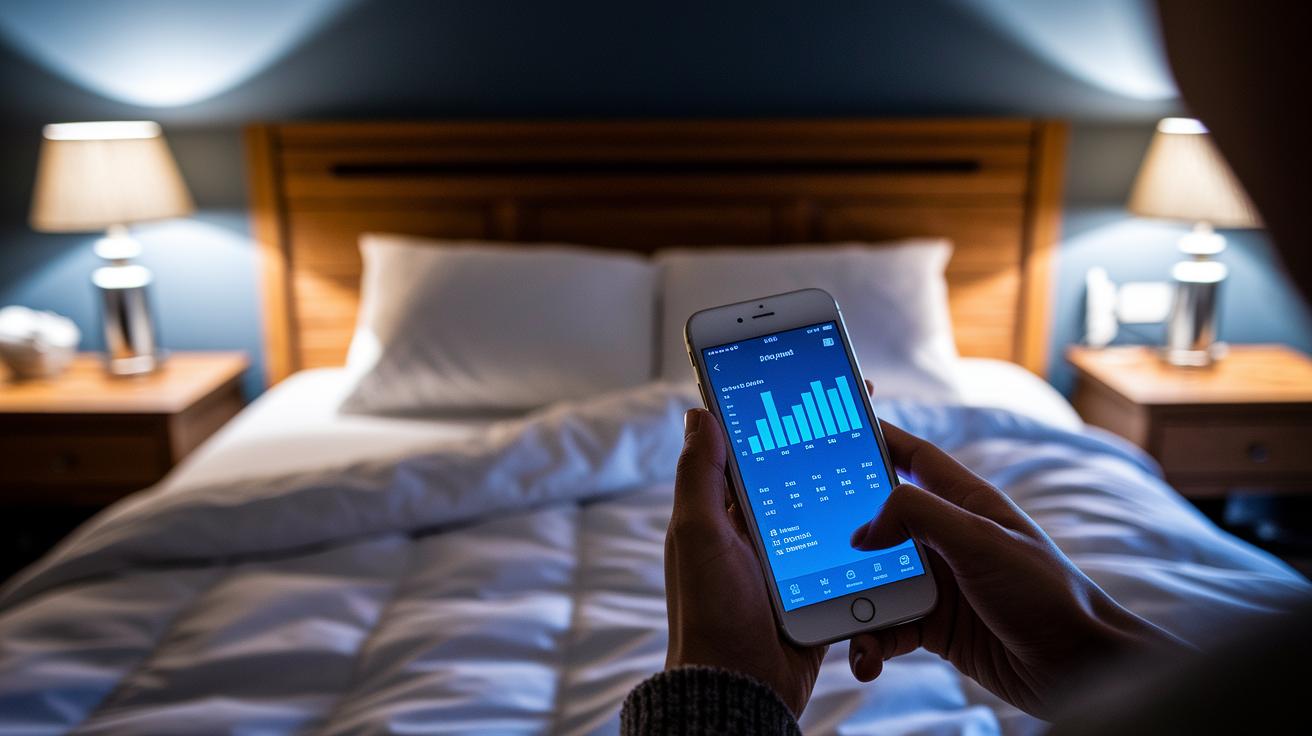
Start by jotting down your sleep details each day to fine-tune your rest. Apps like RISE use your phone’s data to figure out how much sleep you need and how much you’re missing, even tracking your nap times and moments you wake up at night. This info shows you patterns so you can make small, smart changes.
Key things to track include:
- Sleep efficiency (the percent of time in bed that you’re actually sleeping)
- Time spent in each sleep stage (light, deep, and REM sleep)
- Overall sleep debt (the gap between the sleep you need and what you get)
Check your sleep log once a week to spot trends. For example, if you notice lower sleep efficiency on busy days or after long work shifts, try going to bed earlier or lengthening your wind-down time. Also, watch how your sleep changes when you travel or have a shift that disrupts your normal routine. Keeping a daily log with a weekly review can help you decide if you need to shift nap times or adjust your nighttime habits for more refreshing sleep.
Top Sleep Schedule Planner Apps and Tools to Streamline Your Routine
Today’s sleep planner apps offer detailed, minute-by-minute planning along with smart insights about your sleep. For example, one app shows you how much sleep you owe, when you're awake, and even tracks your energy over the day. It uses simple math (algorithms) to figure out your sleep cycles so you get your sleep in natural 90-minute chunks.
Many apps also automatically calculate your cycles and link up with wearables. This lets you keep a close eye on how long and how well you sleep. You can set reminders to wind down and use digital calendars to stick to the same sleep routine. Some tools even offer quick data reports to help you adjust screen time and manage stress based on live sleep feedback.
These tools work on Android and iOS, so you can use them no matter what device you have. Imagine an app that not only tracks your sleep but also tells you when to start getting ready to sleep, it’s a smart way to improve your rest and boost your energy for the day.
Final Words
In the action, you put practical steps to design a sleep schedule planner that fits personal sleep cycles and lifestyle needs. Small tweaks using 90-minute cycles and age-specific guides help you find that perfect balance. You learned how to track, adjust, and integrate healthy habits for steady, uninterrupted rest. With real tools and a step-by-step framework, your path to better energy and alertness feels clear and doable. Enjoy building your sleep schedule planner and feel encouraged by each small win along the way.
FAQ
Frequently Asked Questions
What is a sleep calculator?
The sleep calculator estimates optimal bedtime and wake-up times by using multiples of 90-minute cycles, helping you align your sleep schedule for better rest and alertness.
What is a sleep schedule planner app?
The sleep schedule planner app organizes your bedtime and wake time with user-friendly tools and reminders, making it easier to maintain a consistent sleep routine.
Is there a free sleep schedule planner?
The free sleep schedule planner offers basic features like sleep cycle calculations and simple tracking tools, allowing you to optimize your sleep routine without any cost.
What is Sleep Cycle?
The Sleep Cycle is an app that monitors your sleep patterns using sound analysis and movement, and it suggests ideal moments to wake up based on your natural sleep phases.
What is a sleep cycle calculator by age?
The sleep cycle calculator by age adjusts recommendations using age-specific sleep needs. It helps plan bedtimes and wake times that match recommended sleep durations for different life stages.
What is a 90-minute sleep cycle calculator?
The 90-minute sleep cycle calculator divides your sleep into 90-minute intervals to help set bedtimes so you wake up at the end of a cycle, reducing grogginess and improving alertness.
What does sleep cycle time refer to?
Sleep cycle time refers to the typical 90-minute duration of each sleep cycle, which includes light, deep, and REM stages, and informs optimal wake-up timing for better rest.
What is the scientifically best time to sleep and wake up?
The scientifically best times depend on your natural circadian rhythm, aiming for 7–9 hours of sleep. Planning in 90-minute cycles often supports smoother wake-ups and improved daytime energy.
What is the 10 5 3 2 1 rule for sleep?
The 10 5 3 2 1 rule for sleep provides a sequence of steps to wind down before bed. It focuses on reducing stimulating activities and creating a calm environment for better sleep quality.
What is the 2 3 4 sleep rule?
The 2 3 4 sleep rule outlines a brief timing strategy to prepare for sleep by segmenting activities or quiet time in short intervals, aiming to ease the transition into restful sleep.
What is the 80/20 rule sleep?
The 80/20 rule for sleep suggests that a few effective habits, which make up 20 percent of your routine, can lead to 80 percent of the overall benefit in sleep quality and consistency.
Is 7pm to 4am enough sleep?
The schedule from 7pm to 4am provides 9 hours of sleep, a common recommendation for many adults. Individual sleep needs vary, so it may suit you if you feel rested and energized during the day.