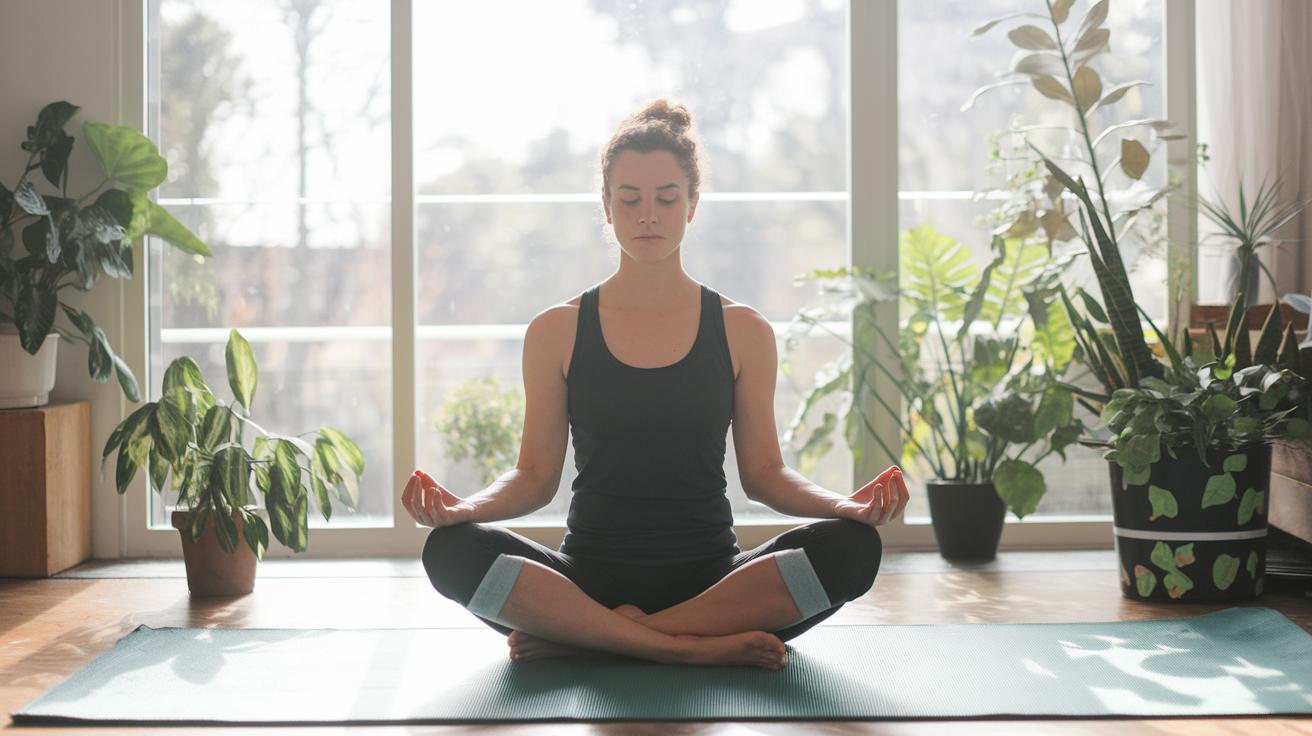
Ever feel swamped by a busy day? Try a few minutes of yoga to help calm your mind and body. Focus on slow, steady breathing and gentle movements to signal your body to relax. Even a short session can ease physical tension and clear your thoughts. In our fast-paced world, reconnecting with your breath might be just the break you need to shift from stress to calm.
How Yoga Reduces Stress and Calms the Nervous System
Yoga helps slow your racing heart, ease short breaths, and relax tight muscles. A physical therapist explains that mindful movement and steady breathing can quickly reset your stress signals. Even just two minutes of focused yoga can give you a noticeable break from a hectic day.
Started over 5,000 years ago in Northern India, yoga has evolved over time and has been shown by research to lower stress. Its slow steps and deep breaths help balance both body and mind. Try this simple tip: spend 2 minutes breathing in slowly through your nose and out longer through your mouth. This routine can shift your body from stress to relaxation.
Combining ancient wisdom with modern insights, yoga offers a practical way to balance your emotions. Even on busy days, a few minutes of practice can help reset your nervous system and smooth out the rough patches of your day.
Exploring Key Yoga Breathing Techniques for Calm and Focus
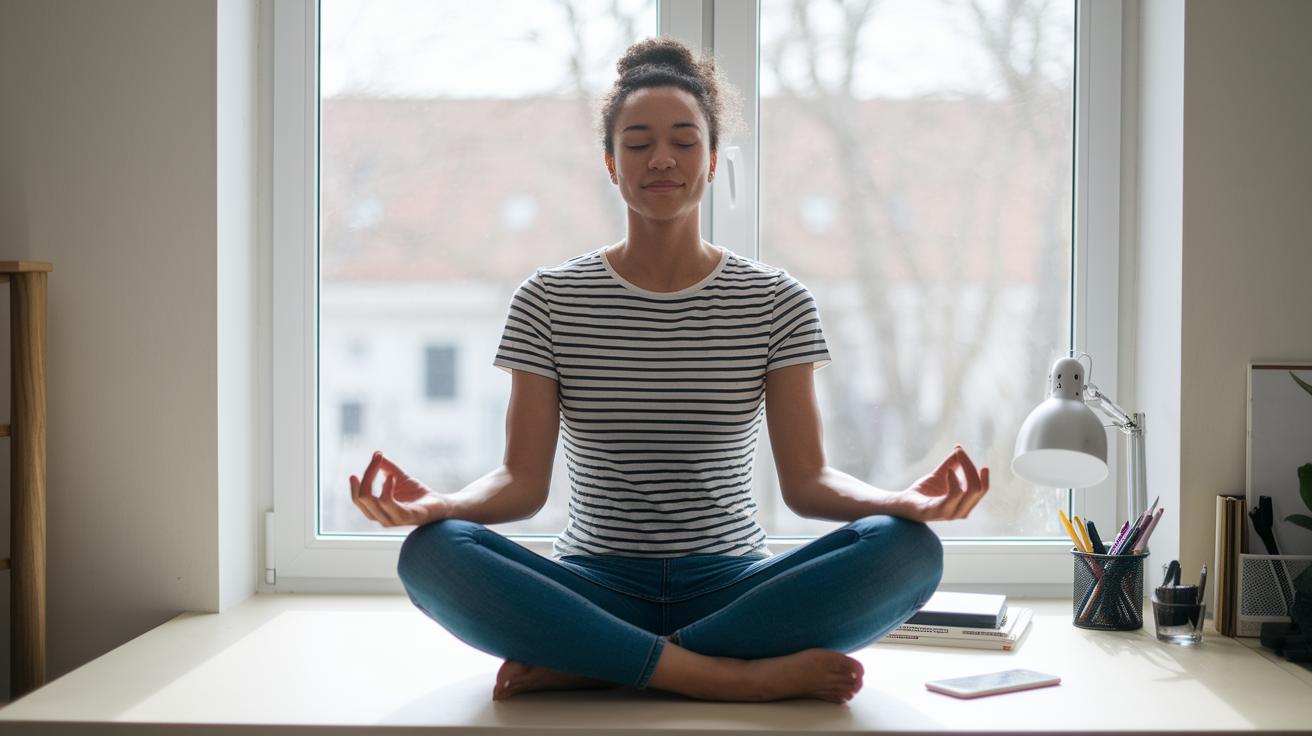
Focus on your breath. It’s a simple way to ease stress and clear your mind. Sit comfortably with your eyes closed. Breathe in slowly for a count of four, then exhale for a count of six. As you breathe, feel your muscles relax and your tension fade.
This yoga breathing tip works even when you only have a few minutes. When strong emotions arise, taking a short break to focus on your breath can quickly lower your anxiety. Some studies show that just a couple of minutes of slow breathing can help reset your stress response.
For example, if you feel overwhelmed at work, take a moment for this breathing exercise. It might bring you a sense of relief right away. For more ideas, check out resources like the deep breathing guide for anxiety at this link: deep breathing for anxiety attacks. Try adding these breath-focused moments to your daily routine to help turn stress into calm and focus.
Essential Yoga Poses for Instant Stress Relief
Start with a simple set of yoga poses that can quickly ease stress and help you feel calmer. First, try Child’s Pose. Set a timer for 60 seconds and repeat this 2 or 3 times. This pose grounds you, gently stretches your back and shoulders, and helps release muscle tension.
Next, lie on your back for Happy Baby. Grab your feet and softly pull your knees toward the floor. This move eases tight hips and lowers back discomfort while relaxing your shoulders. It’s a playful yet practical way to counter stress.
Then, try Legs Up the Wall. Sit by a wall and swing your legs up so they rest against it. The gentle pull of gravity helps ease lower body tension, improves blood flow, and calms your mind.
After that, move into Savasana (Corpse Pose). Lie comfortably on your back, letting your body sink into the surface. Focus on slowing your breath until your whole mind and body feel completely relaxed.
You can also add Standing Forward Bend to stretch your back and legs, or do a flowing Cat-Cow sequence. The Cat-Cow helps boost your spine’s mobility and releases any built-up energy.
Each pose has its own benefits. Mix and match these movements to create a simple, guided session that brings instant stress relief and a deep sense of calm.
Gentle and Restorative Yoga Styles for Deeper Relaxation
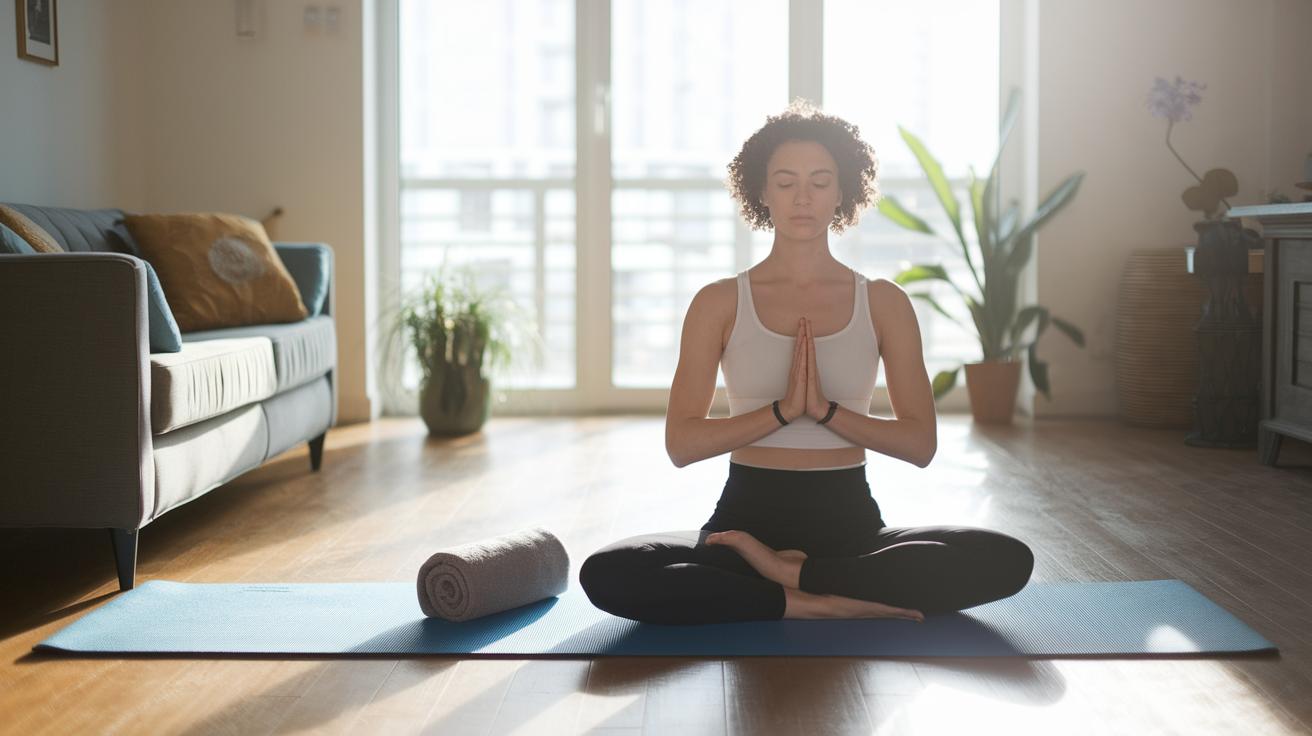
If you often feel tight or your mind is busy, gentle yoga like Hatha, Restorative, or Yin can help. These styles use slow, mindful moves to ease tension and calm stress. They also use simple props, like cushions, blocks, or a rolled towel, to make each pose comfortable and easy. For example, try a slow Hatha flow and place a cushion under your knees during a seated forward bend. This tiny change can really help you relax.
Choose a time that fits your day, whether it's morning, midday, or evening. Each time gives you a different benefit, a peaceful start, a quick reset, or a gentle way to wind down before bed. Picture yourself sitting on a bench at sunrise with soft light warming you as you stretch. That peaceful moment can set a positive tone for your whole day.
Focus on your movements and let your breath guide you. Gently move into poses that open your chest and ease shoulder tension. Even a quick 10-minute session can make a noticeable difference. With regular practice, you may start to feel less stressed and more in tune with your inner calm.
Incorporating Yoga into Your Daily Stress Management Routine
Begin each morning with a quick two-minute yoga break. Try simple stretches or slow breathing right after your coffee or brushing your teeth. This little habit sets a calm tone for the day.
Find a quiet corner where you can relax. You don’t need to be super flexible, just concentrate on gentle movement and deep breaths. Set a timer for two minutes and let your body ease into a few soft poses, like finishing your routine with slow, deep breaths to help ease stress.
During work, set a phone reminder for a brief yoga break. These small, regular pauses can help lower work-related stress. For more ideas on managing stress, check out the guide on stress management techniques for anxiety.
Final Words
In the action, you explored how brief yoga sessions ease tension and settle the nervous system. You discovered simple breathing techniques and effective poses like Child’s Pose and Savasana that can reduce stress quickly. The guide showed that even two minutes of mindful movement brings calm. By integrating yoga for stress management into your daily routine, you invite small wins that boost both body and mind. Embrace these steps and enjoy the smoother, more balanced days ahead.
FAQ
Q: What is yoga for stress management beginners?
A: The yoga for stress management beginners approach introduces simple poses and gentle breathing practices, helping you ease into a routine that calms your mind and reduces tension from daily stress.
Q: How does yoga help with stress management and anxiety?
A: The yoga for stress management and anxiety method combines slow movements and mindful breathwork, which lower heart rate and ease muscle tension to promote a calm state.
Q: What can I expect from yoga for stress management on YouTube?
A: The yoga for stress management YouTube sessions provide guided routines and clear instructions that make stress-relief practices accessible and easy to follow at home.
Q: How does yoga for stress and anxiety relief work?
A: The yoga for stress and anxiety relief strategy uses a blend of gentle poses and controlled breathwork, which helps reduce stress hormones and quiet your mind effectively.
Q: What is involved in a 10-minute yoga routine for stress and anxiety?
A: The 10-minute yoga routine for stress and anxiety features short, focused sequences of poses and deep breathing techniques that quickly calm the mind and ease physical tension.
Q: What makes Yoga for Stress Relief Adriene effective?
A: The Yoga for Stress Relief Adriene series offers accessible, practical sequences with clear instructions, making it easier for anyone to follow along and feel immediate stress relief.
Q: How does yoga support those experiencing anxiety and panic attacks?
A: The yoga for anxiety and panic attacks routine uses deliberate, slow movements and deep breathing exercises to soothe the nervous system and help ease intense anxious episodes.
Q: What yoga practices help relieve exam stress?
A: The yoga for exam stress techniques focus on brief, mindful sessions using gentle poses and calming breathwork, designed to clear your mind and reduce tension during stressful exam periods.
Q: Which yoga style is best for reducing stress?
A: The best yoga for reducing stress typically includes gentle styles like Hatha, Restorative, and Yin yoga, which use slow movements and deliberate breathing to ease tension effectively.
Q: Does yoga truly help with managing stress?
A: The evidence indicates that yoga helps manage stress by lowering heart rate, reducing muscle tension, and promoting relaxation through simple yet effective physical and breathing exercises.
Q: What are the five coping skills for managing stress?
A: The five coping skills for managing stress often include deep breathing techniques, mindfulness practices, gentle movement like yoga, progressive muscle relaxation, and positive self-talk.
Q: How can I release stress from my body using yoga?
A: The approach to releasing stress from your body using yoga involves combining gentle poses, focused breathwork, and progressive relaxation exercises to ease muscle tension and calm your mind.