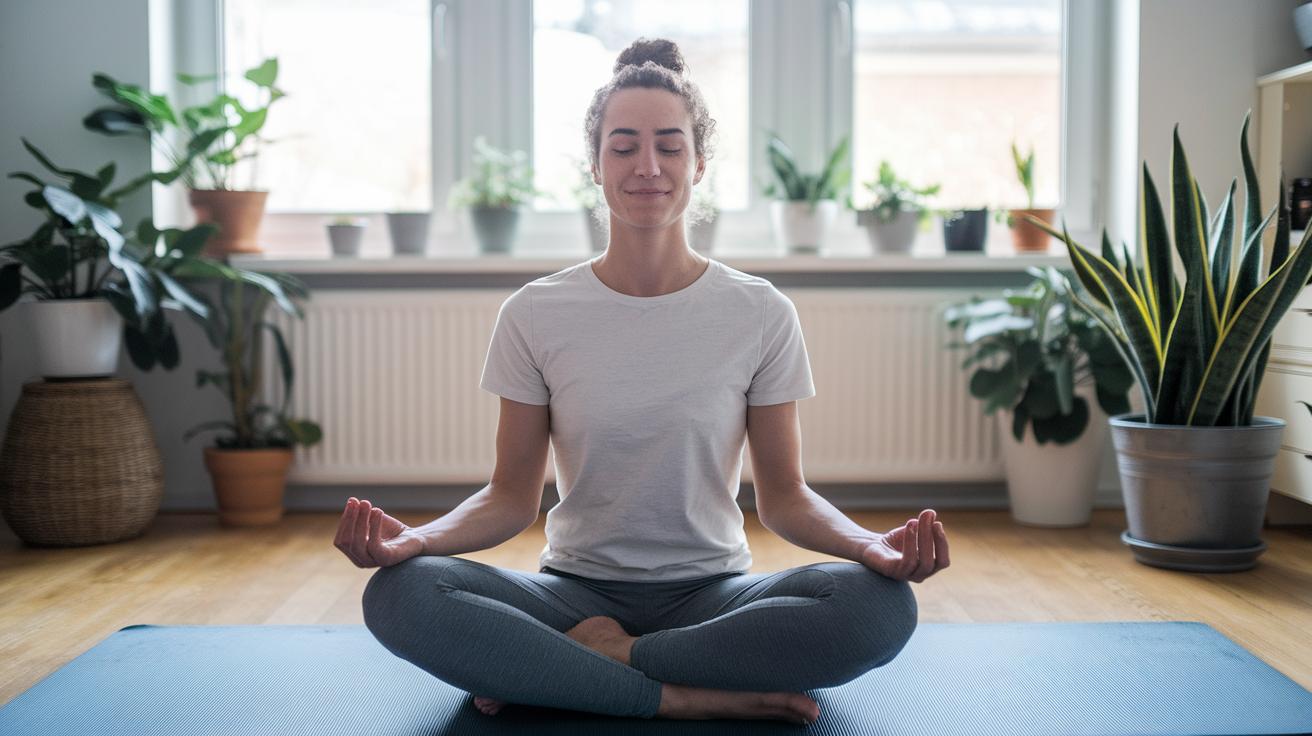
Feeling stressed? Your body sends you clear signals, a racing heart or stiff shoulders, that it's time to take a break.
When tension builds, try small steps like a brisk 10-minute walk (6.2 miles per hour, 10 minutes) or take three deep, slow breaths. These simple actions can help clear your mind, boost your focus, and even improve your sleep.
Let's explore a few easy ways to ease stress and help you feel more balanced every day.
Stress Management Fundamentals: Definition, Importance, and Benefits
Stress management means learning how to notice, ease, and handle everyday pressures. It involves spotting what sets you off and choosing simple steps to keep stress from piling up. Even a brisk 10-minute walk can help clear your mind and lift your mood.
Small moments of stress can alert you to what needs attention. But if you ignore stress for too long, it might bring on high blood pressure, ongoing sadness, or burnout. By learning how to manage stress, you can boost focus at work, enjoy better sleep, and create a more even balance for life.
Simple techniques like deep breathing, mindfulness, or just taking a short break really do help. These practices not only ease discomfort right away but also build the strength you need for tougher days ahead. Regular stress management can lead to better productivity and more steady emotional health over time.
Common Stressors and the Physical Impact of Tension in Stress Management

Every day brings stress in many forms. You might deal with tight work deadlines, family or relationship issues, money worries, or big changes like moving or switching jobs. Noticing these triggers early helps you handle them before they build up.
When stress lingers, your body reacts in ways that can hurt your health. For instance, it releases more cortisol, the stress hormone. Over time, high cortisol can raise your blood pressure and make your heart work harder. It also weakens your immune system, so you might get sick more often. Even everyday stress can strain your body and lead to long-term health risks.
Your body sends signals when it feels stressed. You might notice your shoulders tightening or your heart beating faster on a busy day. When you catch these signs, take a few minutes for a break, try deep breaths, or go for a quick walk. Tuning in to how your body feels helps you adjust your habits and break the stress cycle before it leads to bigger issues.
what is stress management: Find Harmony Fast
Stress management is about handling your feelings in a balanced way. It can ease anxiety, smooth out mood swings, and keep you from feeling overwhelmed. When you notice signs like a racing heart or tight muscles, try taking simple steps to relax. For instance, if you feel anxious, say to yourself, "I notice this feeling, and it will pass." This small habit helps build a stronger emotional foundation.
There are seven key strategies to manage stress. These include paying attention to your body's signals, accepting your feelings, and questioning thoughts that lead to worry. Studies from 2011 to 2021 show that keeping emotions in check leads to clearer thinking and calmer reactions.
Cognitive Behavioral Approaches
Cognitive Behavioral Therapy (CBT) helps you change your way of thinking. It works by challenging thoughts that put extra pressure on you and replacing them with more balanced ideas. Try writing down a negative thought, then reframe it by finding a small silver lining. This practice can help shift your emotions toward a more positive outlook.
Acceptance and Commitment Therapy
Acceptance and Commitment Therapy (ACT) is about accepting what you cannot change while focusing on actions that match your values. It invites you to face anxiety with an open heart. For example, if you’re having a rough day, notice it without harsh self-judgment. This approach lets you move toward calm and act in ways that align with what really matters to you.
what is stress management: Find Harmony Fast

Practical Techniques
- Mindfulness meditation – Take a few moments each day to focus on your breathing, like watching the tick of a clock, to find calm.
- Brisk walking or jogging (30 minutes) – Enjoy a half-hour of light exercise to boost your mood and help ease stress.
- Grounding (5-4-3-2-1) – Look around and name five things you see, four things you can touch, three sounds you hear, two smells, and one taste to feel more connected.
- Guided imagery sessions – Close your eyes and picture a quiet park with soft sunlight filtering through trees to help shift your stress away.
- Progressive muscle relaxation – Slowly tense and then relax each muscle group to relieve physical tension.
- Deep breathing exercises – Try steady, focused breaths to lower anxiety. (For more details, click here: deep breathing for anxiety attacks)
- Journaling for reflection – Write down your thoughts to clear your mind and gain a new perspective.
- Time-blocking and breaks – Organize your day with scheduled breaks to keep stress from piling up.
- Social support calls – Reach out to a friend or loved one to talk and lighten your stress.
- Listening to calming music – Let soft, soothing tunes create a peaceful atmosphere and ease tension.
| Exercise | Duration | Primary Benefit |
|---|---|---|
| Mindfulness Meditation | 10 minutes | Increased calm |
| Brisk Walking | 30 minutes | Mood boost |
| Grounding Exercise | 5 minutes | Sensory balance |
| Progressive Muscle Relaxation | 15 minutes | Reduced tension |
| Deep Breathing | 5 minutes | Lowered stress levels |
what is stress management: Find Harmony Fast
Stress management is more than just journaling or catching up with friends. It’s about finding easy ways to use your senses and create moments of calm every day. Simple changes in your routine can help relieve stress naturally, while professional methods like CBT (cognitive-behavioral therapy) or ACT (acceptance commitment therapy) work by changing the way you think.
Try these five self-care ideas:
- Practice mindful breathing: Breathe in slowly for a count of 4, hold for 4, and exhale for 4. Do this for about 3 minutes.
- Take a nature break: Step outside for a 5-minute walk to feel the fresh air and ground yourself.
- Enjoy some creative time: Spend a few minutes doodling or coloring to express your feelings.
- Try guided relaxation: Do a quick body scan to help ease muscle tension.
- Seek professional help if needed: Consider exploring therapy methods like CBT or ACT with a trusted provider.
Digital detox time, outdoor breaks, and creative activities offer fresh ways to manage stress that go beyond usual sleep or diet tips.
Stress Management Techniques for Workplace and Academic Settings

Dealing with stress can be simple. No matter if you work in an office or study at school, setting clear time limits can help you focus and feel less overwhelmed. Try marking off time on your calendar to work or study, then give yourself a break. One person said that taking a 30-minute walk every few hours made her feel more refreshed and ready to handle her next task.
Here are some easy steps to try:
- Reserve blocks of time on your calendar for focused work or study and include short breaks.
- Have a quick chat with a trusted colleague or friend, sometimes a 5-minute conversation is all you need to lift your mood.
- Break your study time into chunks. For example, study for 25 minutes and then take a 5-minute break.
- During breaks, try a short 2-minute deep breathing exercise to help clear your mind and boost your energy.
| Setting | Strategy |
|---|---|
| Workplace | Set clear boundaries, block time on your calendar, and have quick check-ins with a colleague |
| Academic | Plan study sessions with short, timed breaks and check in with peers |
Tracking Progress and Planning Long-Term Stress Management
Quick take: Keeping a daily record of how you feel can really help you manage stress better. Start by writing a quick note each day on a simple worksheet or a mood-tracking app. For example, after a tough meeting, you might write, “I felt 3 out of 10 stressed.” Over time, these notes show clear patterns in your reactions.
Set aside 10-15 minutes once a week to look over your notes. Ask yourself what worked well and what could use a little change. Checking in with a friend can also make this process more engaging.
Plan ahead by scheduling a monthly review. Use these sessions to try new ways to relax, like a group workshop or one-on-one coaching. Over time, you'll build a routine that keeps stress in check and helps you feel more balanced.
Here are a few simple steps to try:
| Tip | Action |
|---|---|
| Daily Log | Write down your feelings using a worksheet or app. |
| Weekly Check | Spend 10-15 minutes reviewing what felt good and what didn’t. |
| Monthly Review | Experiment with new stress relief methods and update your routine. |
Remember, small, consistent steps can lead to lasting balance.
Final Words
In the action, we explored what is stress management by breaking down its fundamentals, pinpointing common triggers, and addressing emotional and psychological responses. We reviewed practical techniques like mindful breathing, organized routines, and daily self-care tips. Simple workplace and academic strategies were also discussed, along with ways to track progress and adjust plans over time. Each step offers a safe, evidence-informed approach to reduce tension and foster calm. Keep trying small changes today for a healthier, more balanced tomorrow.
FAQ
Stress management PDF
The stress management PDF provides a downloadable guide outlining practical, evidence-based steps to cope with stress and improve wellbeing. It offers clear techniques for easy reference during busy days.
Importance of stress management and why is stress management important?
The importance of stress management lies in reducing the physical and emotional effects of daily pressures. Effective stress control supports better health, clarity, and productivity by lowering blood pressure and calming the mind.
Causes of stress management
The phrase often refers to everyday stress triggers like work pressures, financial worries, personal conflicts, and major life changes. Recognizing these triggers is the first step in choosing the right coping techniques.
Stress management Introduction
Stress management introduces the concept of understanding, reducing, and coping with stress. It highlights practical strategies that help lower anxiety and prevent long-term health issues related to chronic tension.
10 advantages of stress management
Ten advantages of stress management include improved mood, better sleep, enhanced productivity, lowered blood pressure, increased resilience, reduced anxiety, boosted energy, clearer thinking, improved relationships, and overall enhanced wellbeing.
What is stress management and how does it discuss the type of stress?
Stress management involves using strategies to handle both acute (short-term) and chronic (long-term) stress. These approaches help you maintain emotional balance while preventing harmful stress-related health problems.
Stress management examples
Examples of stress management include mindfulness meditation, physical exercise, deep breathing, journaling, progressive muscle relaxation, guided imagery, and seeking social support each day to lower stress levels.
Objectives of stress management
The objectives of stress management are to identify stress triggers, reduce harmful physical and emotional effects, promote a balanced mood, and increase productivity. These goals lead to a healthier, more focused daily life.
How do I manage stress effectively?
To manage stress effectively, combine methods like regular exercise, deep breathing, mindfulness, and organized time management. Tailoring these techniques to your routine and seeking social support helps create a balanced approach.
What are the five stress management techniques?
Five effective stress management techniques include practicing mindfulness meditation, engaging in deep breathing exercises, maintaining regular physical activity, keeping a journal, and using progressive muscle relaxation to ease tension.
What are the 5 R’s of stress management?
The 5 R’s of stress management include Recognize your stress triggers, React thoughtfully instead of impulsively, Relax using proven methods, Reframe negative thoughts into constructive ones, and Reflect on outcomes to better manage future stress.