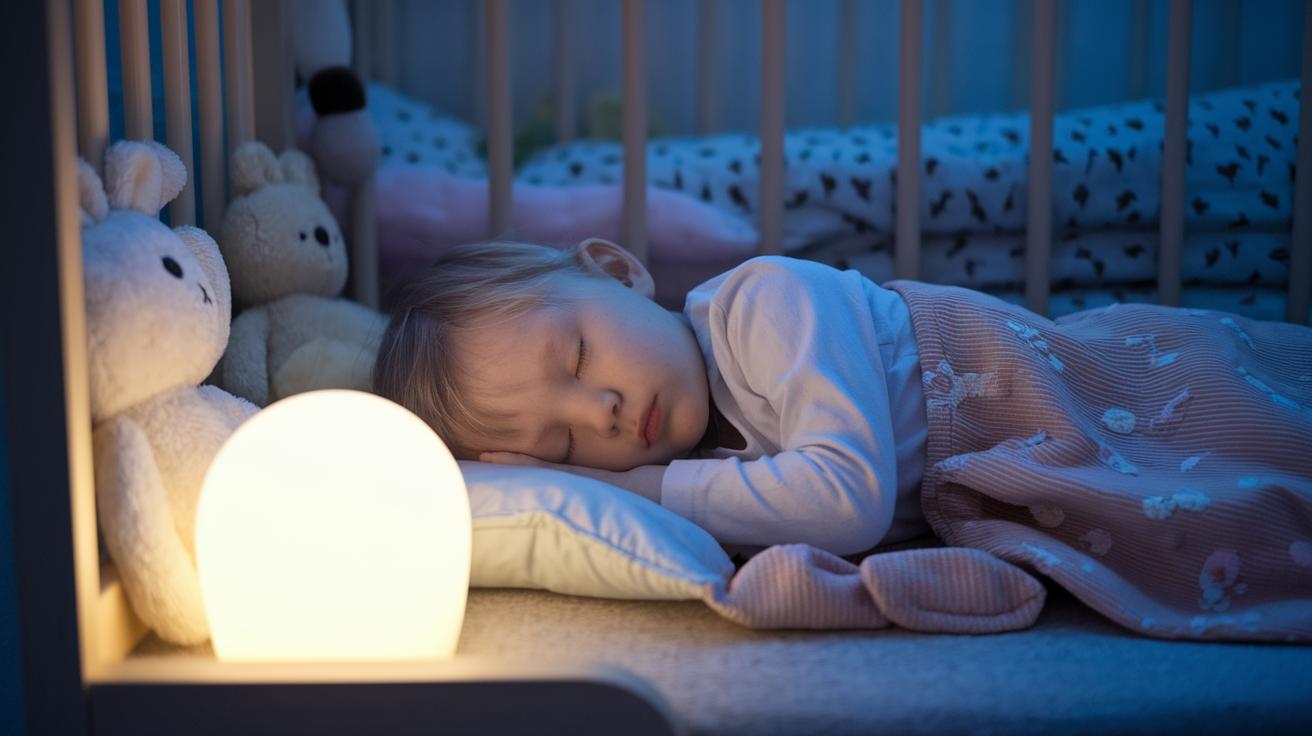
Ever wonder if your little one's sleep habits could lead to calmer nights and brighter mornings? A consistent routine helps three-year-olds get the right balance of nighttime sleep and a daytime nap. In fact, getting around 10 to 13 hours of sleep supports their growth and helps them think more clearly. A bedtime set between 7:00 pm and 8:00 pm can even improve their mood and energy for the next day.
Try setting a steady schedule tonight. Over time, a clear sleep routine might just be the small change that brings more peaceful nights and happier days.
3 year olds sleep schedule: Restful Nights
Three-year-olds need about 10 to 13 hours of sleep every day. Many kids do best with around 12 to 13 hours, combining nighttime sleep with a daytime nap. This routine supports their growing bodies and brains.
An early bedtime between 7:00 pm and 8:00 pm can make a big difference. When children go to bed early, they avoid getting overtired, which helps them fall asleep quickly and sleep soundly. This pattern can improve their mood, energy during the day, and even strengthen their immune system.
Sticking to a steady sleep routine helps with physical growth, mood balance, and overall daily well-being. Regular sleep patterns can also boost brain function and smooth out daily transitions. For parents, a reliable bedtime makes evenings less stressful and shows noticeable benefits in behavior and development. This everyday routine builds a strong foundation for long-term health.
Sample Daily 3 Year Olds Sleep Schedule for Optimal Rest

Start your toddler’s day with a simple routine that sets the stage for a peaceful night. Many toddlers thrive when they wake at 7:00 am, enjoy a solid breakfast, and jump into active play that boosts their energy. By noon, a light lunch can help keep them fueled. Plan a nap for around 1:30 pm for about 1 to 1.5 hours, keeping it under 90 minutes can protect their nighttime sleep. Later in the afternoon, a quiet play session paired with a healthy snack offers a gentle transition toward the evening. A calming wind-down, like a warm bath and a short story, tells your little one bedtime is near. Remember, no two children are identical; feel free to adjust these times to match your toddler’s natural rhythm and your family’s lifestyle. A steady routine like this can improve both nighttime sleep and daytime mood.
| Time | Activity | Duration |
|---|---|---|
| 7:00 am | Wake-up | – |
| 8:00 am | Breakfast & play | 1 hr |
| 12:00 pm | Lunch | 30 min |
| 1:30 pm | Nap | 1–1.5 hrs |
| 3:00 pm | Quiet play/snack | 1 hr |
| 6:30 pm | Wind-down (bath, story) | 30 min |
| 7:00–7:30 pm | Lights out | – |
Keep a close watch on your toddler’s signals and tweak the schedule as needed to help them feel rested, happy, and ready to explore the day.
Managing Naps in a 3 Year Olds Sleep Schedule
Daily naps give your 3-year-old a chance to refresh and grow. At this age, they usually need about 1 to 1.5 hours of sleep during the day to meet their overall sleep needs. Keeping a regular nap time can help prevent overstimulation, reduce crankiness, and make it easier for them to fall asleep at night.
If you notice your child is beginning to outgrow long naps, try shifting to quiet time instead. During this period, lasting 30 to 90 minutes, you can engage them in calm activities like looking at picture books, listening to soft music, or drawing. This transition still offers rest while keeping them ready for bedtime.
Crafting Bedtime Routines for a 3 Year Olds Sleep Schedule
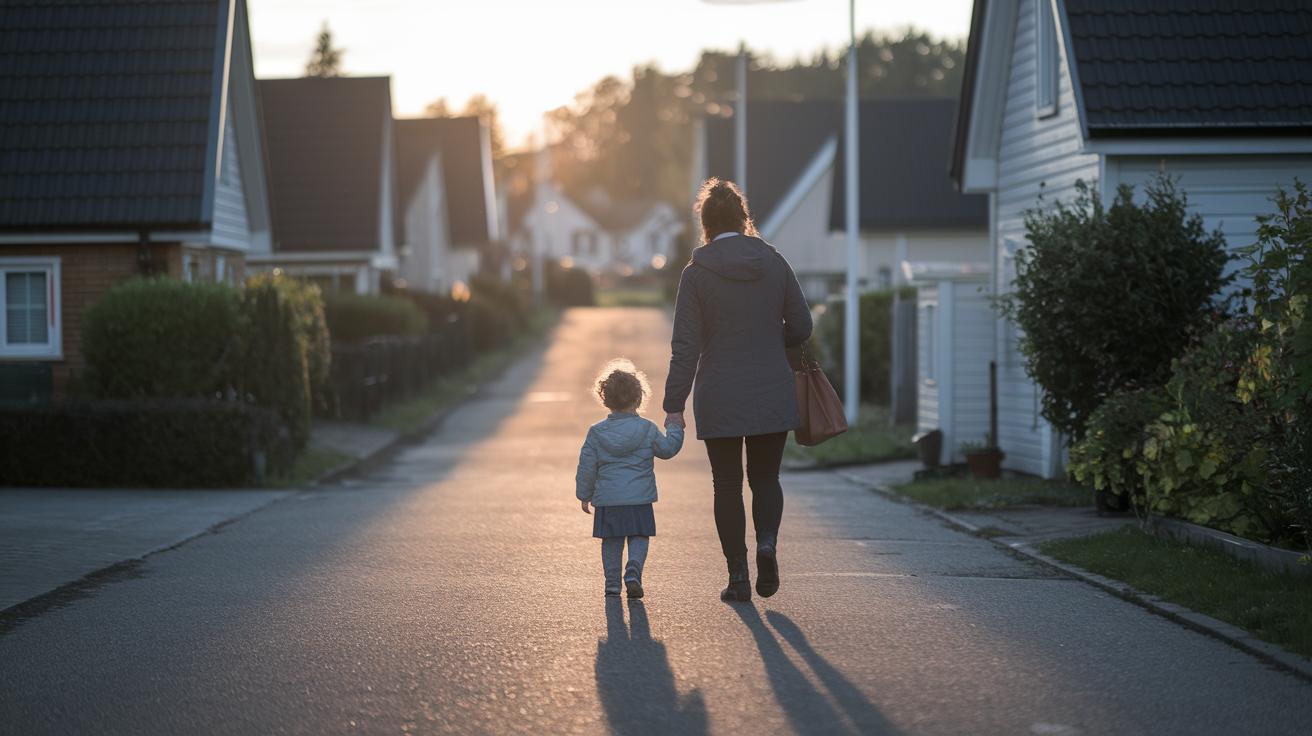
A regular bedtime routine tells your child it’s time to wind down and get ready for sleep. Following the same steps each night helps your little one feel safe and calm. When bedtime is predictable, it cuts down on confusion and makes settling in easier. Simple activities like a gentle walk together or a quiet moment as a family show that the day is over. Over time, these cues help set your child’s internal clock, so they naturally begin to relax and look forward to sleep. Even choices like picking a favorite pair of pajamas or a special bedtime song can boost their independence and make the routine more fun.
- An evening walk to relax
- A warm bath for comfort
- A light snack if needed
- Brushing teeth and changing into pajamas
- Reading a bedtime story
- Singing a soft lullaby
Using a visual chart to show each step can make the process clear and enjoyable, turning bedtime into a gentle transition to sleep.
Overcoming Common Sleep Challenges in a 3 Year Olds Sleep Schedule
At this age, little ones can have sudden changes in sleep. They might wake up at night more often, fight bedtime, or even start rising very early. Often, these shifts come when they are learning new skills or facing big changes like starting preschool or welcoming a new sibling. It's normal and part of growing up, even if it feels confusing.
To help smooth these bumps, stick to a clear, calm routine. Try gentle sleep training by slowly reducing the time you spend with your child at bedtime so they can learn to fall asleep on their own. Also, check your toddler’s nap schedule, shorter or differently timed naps might help them settle better at night.
If these sleep issues keep getting worse or don't improve, it’s a good idea to talk with a pediatric sleep expert for more tailored advice. Small changes can make a big difference and soon bedtime might feel less like a battle.
Fine-Tuning Your 3 Year Olds Sleep Schedule with Tracking

Toddlers usually move through their sleep stages every 40–50 minutes. Keeping their room dark, cool, and quiet helps smooth out these cycles so they can sleep through without interruptions. When your child’s sleep setting is just right, they’re less likely to wake up during the night, letting each sleep cycle finish completely. This steady routine not only improves their night sleep but also boosts their energy and mood the next day. Try reducing light and noise and keeping the room at a stable temperature, it really can make a big difference.
A simple sleep log can help you track your child’s sleep patterns. Write down when naps start and end, and note any times they wake between sleeps. For instance, if you see they’re awake for less than 6 hours, you might extend their awake time before bed to prevent them from becoming overtired. Monitoring these details lets you adjust nap lengths and bedtime little by little so their schedule matches their natural rhythm. This approach helps create a balanced day and better overall rest for your toddler.
Final Words
In the action of setting up a 3 year olds sleep schedule, the article broke down daily routines, managing naps, and calming bedtime habits. These quick steps help adjust your child’s sleep needs right away.
This 3 year olds sleep schedule guide offers practical tips for smoother evenings, steady routines, and improved overall rest. Embrace these ideas to create a consistent 3 year olds sleep schedule that supports better energy and mood. Small changes today lead to brighter tomorrows.
FAQ
Q: What are the recommended sleep schedules for toddlers and preschoolers (ages 2–5)?
A: The sleep schedule for toddlers and preschoolers varies by age. A 2- or 3-year-old may need a daytime nap and about 10–13 hours overall, while 4- and 5-year-olds might gradually drop naps yet still get ample total sleep.
Q: How does a 3-year-old’s nap time fit into their daily sleep schedule?
A: The nap for a 3-year-old typically lasts 1–1.5 hours, offering essential rest and supporting their total sleep needs. Adjustments can be made if the child stops napping over time.
Q: How much sleep does a 3-year-old need, according to NHS guidelines?
A: A 3-year-old usually needs about 10–13 hours of sleep per day. Many children thrive on roughly 12–13 hours, which promotes healthy growth, mood regulation, and well-being.
Q: What is the average sleep cycle length for a 3-year-old?
A: A 3-year-old’s sleep cycle is generally around 40–50 minutes long. Recognizing this can help parents schedule naps and bedtime to avoid overtiredness and support smooth transitions between sleep stages.
Q: When should a 3-year-old go to bed if they still take a nap?
A: A 3-year-old with a nap benefits from a bedtime between 7:00 pm and 8:00 pm, usually 6–6.5 hours after their nap ends, which helps maintain a balanced and refreshing sleep routine.
Q: What are the 10-5-3-2-1 and 5-3-3 rules for sleep?
A: The 10-5-3-2-1 and 5-3-3 rules break the evening into segments for winding down. They outline when to stop activities and screens, easing the transition to bedtime and improving sleep quality.
Q: Should a 3-year-old still be in a crib?
A: For a 3-year-old, remaining in a crib depends on individual readiness. Some children transition to a toddler bed when they start climbing out, while others may stay in a crib a bit longer for safety.