
Ever thought that lifting weights might boost your bone strength? Every time you work out, your muscles pull on your bones, helping them get denser and tougher. This simple action lights up a process that can make your skeleton stronger over time. As we age, keeping our bones robust becomes even more important. Strength training isn’t only about building muscle, it also helps keep your bones solid. Read on to learn how a few easy weightlifting exercises can power up your bones and support a healthier life.
Strength Training’s Impact on Bone Density
When you lift weights, your muscles pull on your bones, which tells your body to make your bones stronger. This simple action sets off a process where old bone breaks down and new, tougher bone is built. In short, weightlifting naturally helps your bones become denser and more resilient.
About 20 out of every 100 women and 5 out of every 100 men over age 50 can experience osteoporosis, a condition that weakens bones and makes breaks more likely. Because of this, exercises that make your bones work, like weightlifting, walking, or jogging, become very important. These activities encourage special cells (osteoblasts) to produce new bone and strengthen what you already have. Plus, doing strength exercises helps improve your balance, which can lower the risk of falling.
Here's how strength training helps:
| Benefit | How It Helps |
|---|---|
| Stimulates Osteoblasts | Encourages cells to build new bone |
| Mineralization | Releases calcium and magnesium to strengthen bones |
| Increased Bone Density | Regular loading makes bones tougher |
| Reduces Fracture Risk | Builds muscle strength and balance |
| Overall Skeletal Health | Creates targeted resistance for stronger bones |
Strength training is a very powerful way to protect your skeleton. By steadily increasing the weight you lift, your muscles work harder. This means they pull more on your bones, which, over time, makes your bones stronger and denser. For anyone looking to prevent or manage osteoporosis and boost overall physical strength, regular weightlifting offers a practical and effective solution.
Strength Training Bone Density: Energize Your Bones

Sometimes past injuries, joint replacements, or bone issues mean you need to take extra care with your strength exercises. Even lighter weights with more repetitions can help build stronger bones without putting too much stress on your joints. Make sure you consider your own risks before diving into a new workout plan.
Assessing Individual Risk
Before starting any new strength routine, chat with your doctor. Try a bone health quiz or see a specialist to find out if you need to make any changes. This is especially important if you have had replacements in your hips, knees, or ankles.
Exercise Selection
Pick moves that work several muscles at the same time and that require you to stand or support your body weight. Bodyweight squats or step-ups are great examples. You can also try resistance bands or machines. The key is to choose activities that build muscle strength and help keep your joints stable.
Progressive Overload Implementation
Slowly increase the weight you lift over time. Aim for small increases of 2% to 5% and adjust your repetitions based on how you feel. This steady approach helps protect you from injury and supports bone growth.
- Wear supportive shoes for extra stability.
- Start every workout with a proper warm-up.
- Focus on keeping a strong, steady form.
- Allow enough recovery time between sessions.
- Listen to your body and stop if you feel any discomfort.
Osteogenic Strength Training Exercises for Bone Density
Picking the right exercises can help your bones grow stronger and denser. Functional exercises use several muscle groups and gently load your bones so your body can rebuild and strengthen them. Try moves like bodyweight squats, step-ups, wall push-ups, and deadlifts. These exercises apply a controlled force to your bones, prompting your body to release minerals like calcium and magnesium to support bone health.
| Exercise | Equipment | Target Bones | Loading Effect |
|---|---|---|---|
| Bodyweight Squats | None | Femur, hip | Compressive force |
| Step-Ups | Bench or step | Pelvic, femur | Impact loading |
| Wall Push-Ups | Wall | Rib cage, upper arm | Moderate resistance |
| Deadlifts | Free weights | Spine, hips | Tensile stress |
| Elliptical Walk | Elliptical machine | Leg bones | Weight-bearing load |
Mixing different types of exercises is key. Do impact moves like step-ups and elliptical walking along with resistance exercises such as deadlifts and squats. This combination uses bursts of force and steady resistance to encourage your bones to rebuild and strengthen. Adding slow, controlled stretches (also called eccentric phases, where muscles lengthen under load) further supports bone mineralization. This balanced workout builds up your bones while keeping your movements safe and controlled.
Progressive Strength Training Plan for Bone Density Gains
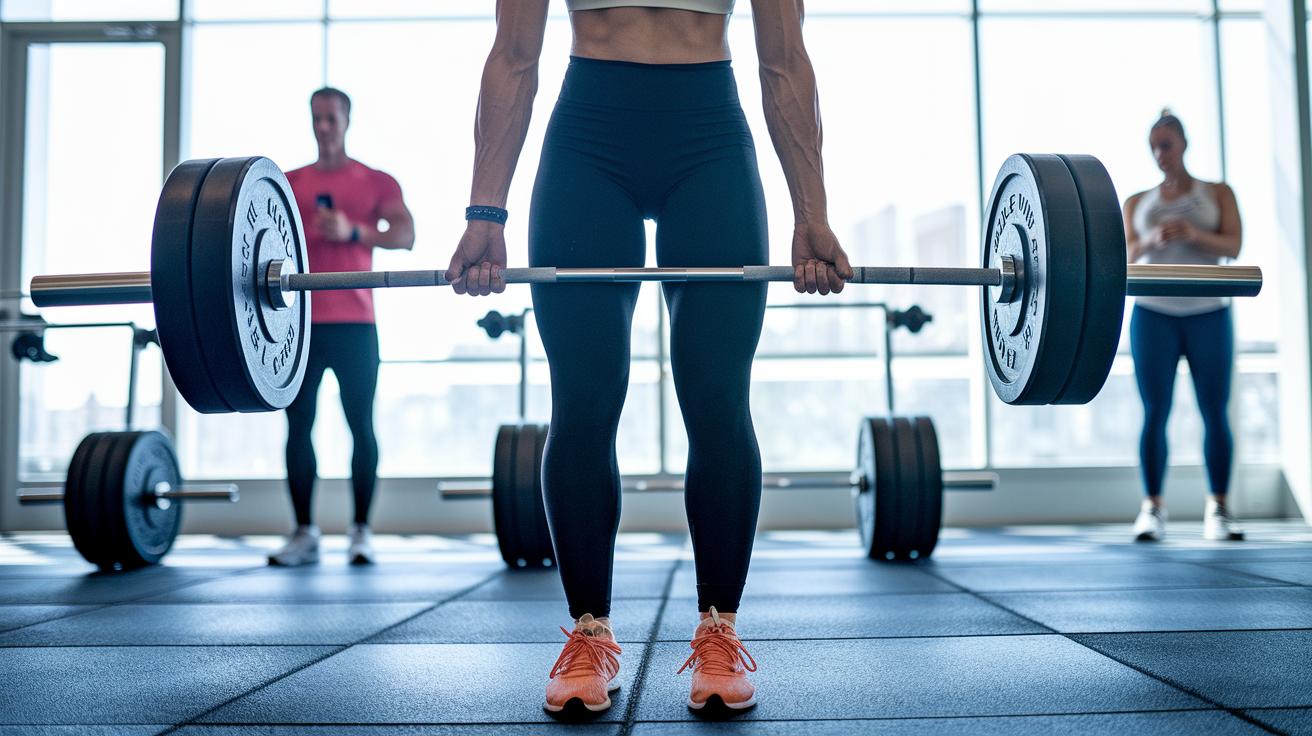
When you want stronger bones, mix up your workouts. Changing one part of your routine every 4–6 weeks gives your body new challenges. This helps your bones rebuild and grow tougher while reducing the risk of injury. Each workout builds on the improvements from the last, and giving yourself 48–72 hours to recover helps both muscles and bones reset.
- Begin with weights you can lift safely, making sure your form is correct.
- Break your training into short phases, each with a different focus.
- Gradually boost your weights or add a few more repetitions (around a 2–5% increase) to keep progress smooth.
- Add lighter days or deload weeks to give your body time to recover and adjust.
Keep a workout log to track your progress each month. This way, you can see your gains and tweak your routine as needed for even stronger bones.
Strength Training Bone Density Advice for Different Age Groups
Bone health changes as you age, so it’s important to tailor your workouts to your life stage. If you're under 50, you likely have stronger joints and better balance. This means you can try workouts with moderate to heavy weights. Compound exercises like squats and bench presses work multiple muscles at once and help build strong bones.
If you’re 50 or older, or if you're a postmenopausal woman, a gentler routine may be best. Lighter weights with more repetitions can protect your joints and work with changes in bone density. Adding balance exercises, like standing on one leg or walking in a straight line, can help cut down the risk of falls and boost your stability. In a 2015 study, postmenopausal women who exercised this way kept more of their lower back bone density.
Before starting any new workout plan, it's a good idea to chat with a healthcare expert. They can review your health history and suggest the right exercises for you. They might even recommend a bone health quiz or regular bone density scans to track your progress. Whether you're building strength with compound lifts or looking for safer, balance-enhancing moves, expert advice can help you create a routine that works well for your bones.
Combining Nutrition with Strength Training for Bone Density
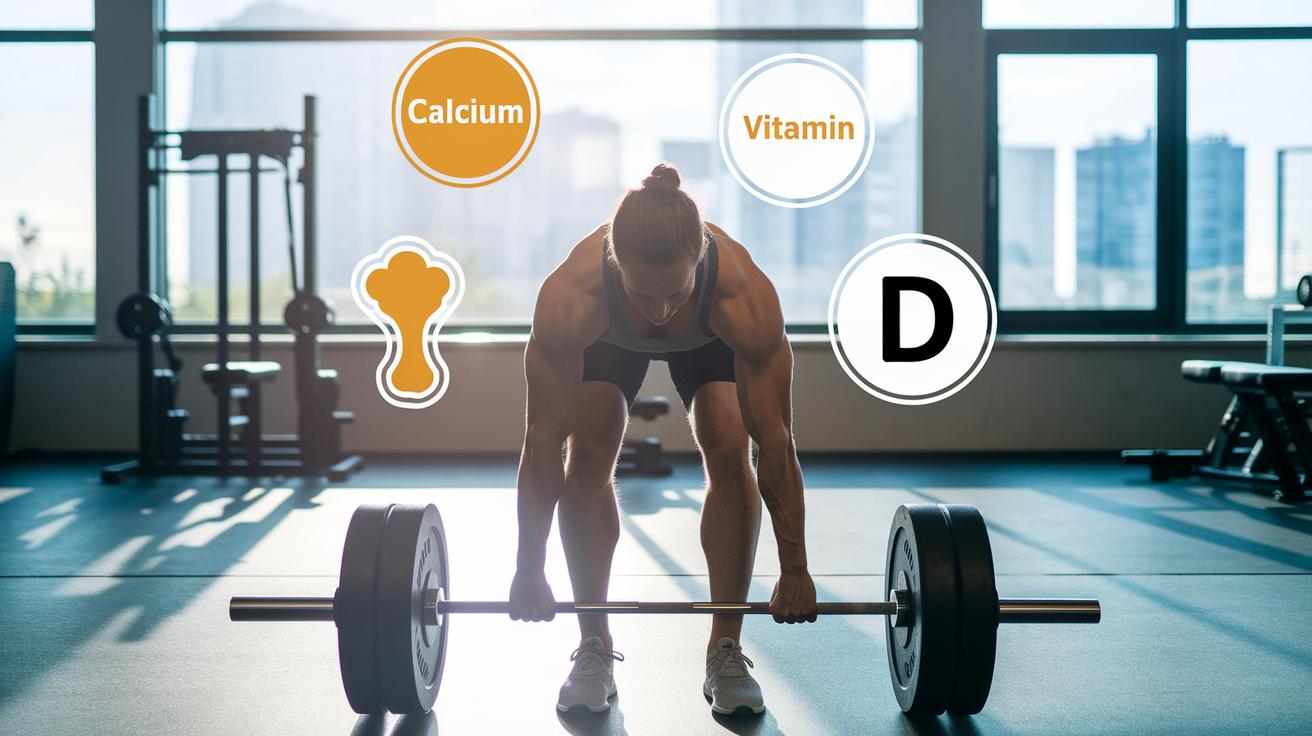
When you work out with resistance exercises like weight lifting, your body naturally releases minerals such as calcium and magnesium. These minerals help when you eat foods that refill your supply, ultimately contributing to stronger bones.
Below is a simple guide for daily nutrients to support your bone health:
| Nutrient | Daily Amount |
|---|---|
| Calcium | 1,200 mg |
| Vitamin D | 600 IU |
| Protein | 20–30 g per meal |
| Magnesium | 400 mg |
| Vitamin K | 90 mcg |
Try to have a protein-rich snack or meal soon after your workout. This gives your muscles the building blocks they need to recover while also helping move essential minerals around to boost bone strength. In essence, pairing smart nutrition with your strength training can help both your muscles and bones work together for a stronger, healthier body.
Scientific Evidence for Strength Training in Bone Density Improvement
A clinical trial conducted in 2015 found that doing light resistance exercises with many reps helped slow down bone loss in the lower back of active postmenopausal women. Other studies show that engaging in resistance training for 6 to 12 months can improve bone density in both the hip and spine.
Experts suggest mixing compound lifts with exercises that put weight on your spine (axial loading) to get the best bone-building benefits. Some research even shows that these exercises can boost bone mineral density by roughly 2–5% over several months. That may not sound like much, but even small gains can help lower the risk of fractures and keep your bones strong.
Regular strength training not only builds muscle but also encourages bone remodeling, making it a key part of maintaining bone health as you age.
Final Words
In the action, this post shows how strength training bone density routines help build stronger bones. The guide explained how weightlifting creates muscle tension that promotes bone remodeling. It offered safe exercise suggestions, age-specific modifications, and nutritional advice to optimize skeletal strength.
Key takeaways include understanding biomechanical stress, progressive exercise planning, and the role of key nutrients. Small, steady actions lead to lasting benefits. Keep moving forward with confidence and enjoy the positive results from your efforts.
FAQ
How does strength training improve bone density in women?
Strength training boosts bone density in women by stressing bones through weight-bearing activities. This way, it promotes bone growth and helps prevent osteoporosis.
What exercises increase bone density in the spine and overall bones?
Exercises like deadlifts, squats, step-ups, and wall push-ups increase bone density by loading the spine and major bones. They activate bone-building cells which enhance strength.
How much weight should I lift to improve my bone density?
The right weight should challenge your muscles without harming your form. Starting light and gradually increasing by small percentages, like 2–5%, helps safely build bone strength.
What are five exercises that help increase bone density?
Five effective exercises are bodyweight squats, deadlifts, step-ups, wall push-ups, and resistance band moves. They target large muscle groups, stimulating bones to grow stronger.
Can I do weight-bearing exercises at home for osteoporosis?
Yes, at-home exercises such as walking, step-ups, bodyweight squats, light dumbbell workouts, and resistance band techniques support bone health and are safe for osteoporosis.
When is it too late to build bone density?
It’s never too late to build bone density. Older adults can still benefit from gentle, progressive strength training routines to enhance skeletal strength and reduce fracture risk.
How long does strength training take to show improvements in bone density?
With consistent strength training, you may notice improvements in bone density in about 6 to 12 months. Regular, progressive routines stimulate ongoing bone remodeling.
Can strength training reverse osteopenia?
Strength training can help improve osteopenia by increasing bone mass and reducing fracture risks. Results differ for each individual, so consult your healthcare provider for personalized advice.