
Have you noticed your body sending you little signals? A mild headache, tight muscles, or a series of restless nights might show that stress is building. Your body could be urging you to take a reset. In this post, we'll explore common signs of stress and share simple, hopeful steps you can try today. When you catch these cues early, you can take small, clear actions to bring more ease and comfort to your daily life.
Overview of Physical Symptoms of Stress: Identifying Key Body Stress Signals
When your body feels the pressure of stress, it shows you physical signs. You might notice headaches, pain in your joints or stomach, trouble sleeping, or difficulty focusing. For example, a headache can start when your muscles stay tense and your blood flow changes, creating pressure in your head. Muscle or joint pain in your neck, shoulders, or knees may happen when your muscles hold tension for too long. Stomach pain may not only feel bad, it might mean that stress is causing acid reflux or similar issues. Trouble sleeping disrupts your body's chance to recover and often leaves you feeling tired, while difficulty concentrating shows how stress can affect your thinking.
These early signals are important warnings. If you catch them early, you can try easy changes like relaxation techniques, a brisk walk, or simple exercise. For more details, check out these signs of stress.
| Symptom Category | Typical Physical Sign | Underlying Mechanism |
|---|---|---|
| Headache | Tension or migraine | Muscle tightening and blood vessel changes |
| Muscle/Joint Pain | Neck, shoulder, knee aches | Muscles staying tight too long |
| Fatigue | Persistent tiredness | Hormonal shifts and poor sleep |
| Digestive Issues | Stomach cramps, bloating | Stress hormone effects on gut movement |
| Sleep Disruption | Insomnia or restless sleep | Overactive stress response system |
| Skin Reactions | Rashes, acne flare-ups | Inflammation from a surge in stress hormones |
Spotting these signals early can be a hopeful step toward reducing stress. By trying out simple stress-reduction steps, you can work toward better balance and overall well-being.
Cardiovascular and Neurological Physical Manifestations of Stress
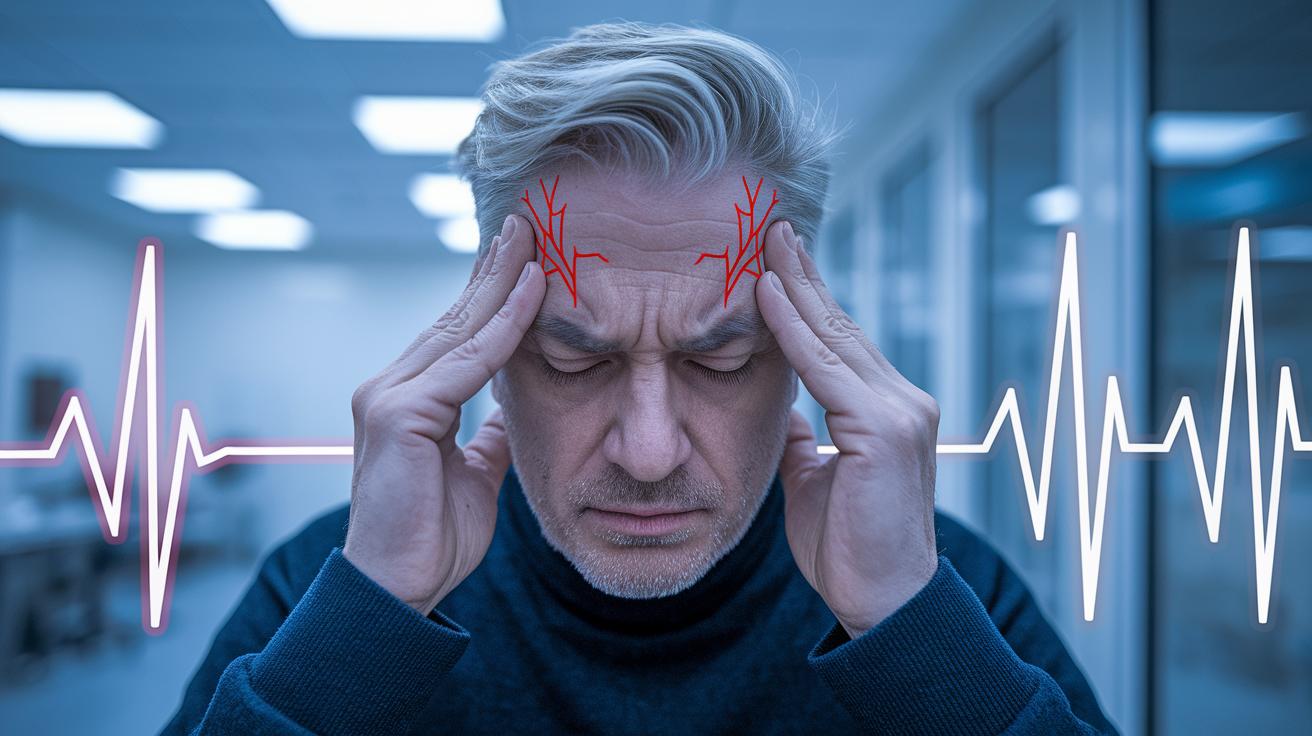
Stress shows up in your body by affecting both your brain and your heart. One common sign is a headache. You might feel a steady pressure around your head, this is often a tension headache or a migraine and it tells you that stress is having an impact.
Another clear signal is an irregular heartbeat. When you’re stressed, your body releases a burst of adrenaline (a hormone that speeds up your heart rate) that can make your heart beat faster or unevenly. You might also notice chest tightness, a fluttering feeling, or even a bit of dizziness.
Some people also experience ringing in their ears. This happens when that surge of adrenaline temporarily changes the way your nerves work, making it harder to focus. It’s another way your body shows that it is on high alert.
Even if these symptoms seem small, they serve as important early warnings. Taking a moment to do some deep breathing or simply pausing can help ease these signs of stress and support your heart and brain when things get tough.
Musculoskeletal Pain and Tension Physical Symptoms of Stress
Long-term stress doesn’t just affect your mood, it can also strain your jaw. Constant tension may lead to problems with your temporomandibular joint (TMJ issues, which affect the joint connecting your jawbone to your skull), and you might start grinding your teeth or clenching your jaw while you sleep. Some people even say, "I wake up with a sore jaw and feel like my shoulders never relax."
These signals go beyond ordinary muscle or joint stiffness. Paying close attention to your jaw and face can be an early clue that stress is influencing your body in unexpected ways.
Gastrointestinal Physical Manifestations of Stress: Bright Signs of Hope
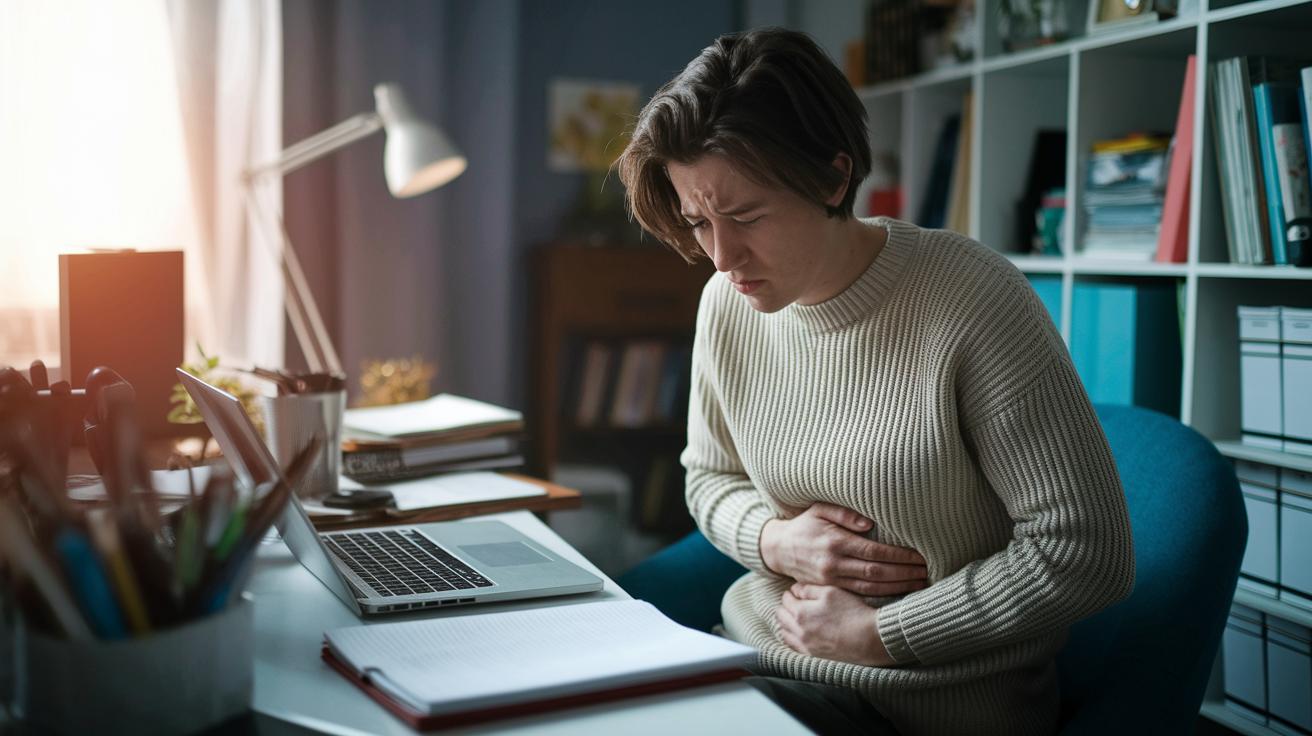
When stress hits, your stomach might feel off. Your body releases stress hormones like cortisol and adrenaline, which can disturb your normal digestion. This could lead to cramps that feel like IBS, or even unexpected bouts of diarrhea or constipation. After a long, hectic day, a quick cramp signal might remind you that stress is affecting your gut.
Acid reflux is another common stress reaction. The surge of stress hormones can relax the usual barrier between your stomach and esophagus, letting acid flow upward and cause a burning feeling in your chest. You might also feel a bit nauseous, as if your stomach is overwhelmed.
Over time, constant stress can worsen ulcers or even cause ongoing inflammation in your digestive system. But these signs are actually a call to action. They show you that small changes might help relieve your discomfort. For example, simple relaxation techniques or slight adjustments in meal habits can ease your digestive troubles and improve your overall well-being.
Skin and Immune System Physical Symptoms of Stress
Stress can make your skin react in unexpected ways. You might see acne, eczema, or even psoriasis flare-ups when you're feeling stressed. Imagine waking up one day to find a rash or hives, your body is trying to tell you that your stress levels are high. When you're stressed, your body releases a hormone called cortisol, which can make your skin more inflamed and sensitive.
Chronic stress also weakens your immune system. This means that even a small cut might take longer to heal or could even get irritated, making you more prone to infections. In simple terms, stress doesn't only affect your mood, it shows up on your skin and in your body's ability to heal.
Seeing these signs is a good reminder to slow down. Try taking a short break or practicing a simple relaxation technique like deep breathing. Even a few minutes of care can help your skin and immune system handle daily challenges better.
Managing Physical Symptoms of Stress: Relief and Prevention
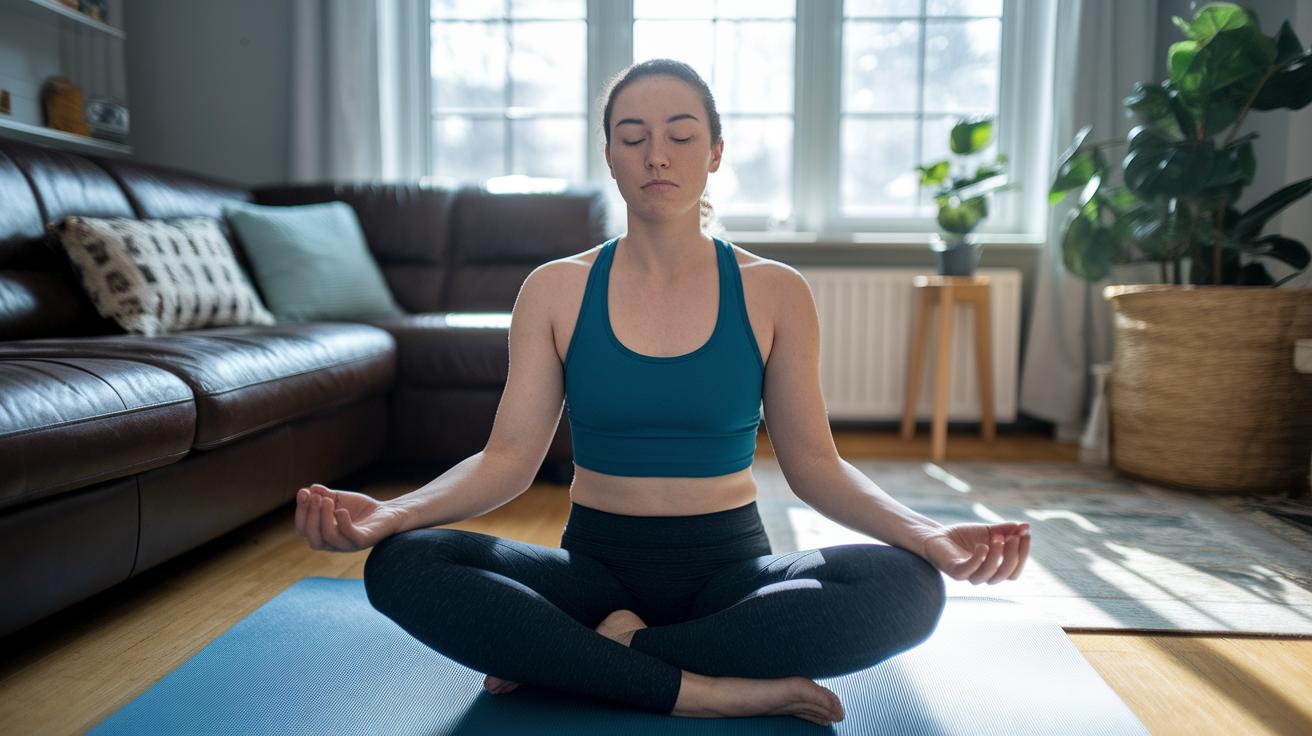
Everyday actions can lower physical stress signs like sleepless nights, headaches, and tight muscles. Even small habits that improve your sleep and lower stress can add up over time. A June 2022 article explained that professional advice on these issues is available, even though it didn’t offer detailed steps. New practices suggest using short relaxation techniques along with daily lifestyle changes and asking a health professional for help when needed. Signs of long-term stress include poor sleep, body aches, and ongoing tiredness, which might lead to bigger health problems later on.
Simple, step-by-step methods can help break the stress cycle and bring your body back into balance. When you clear up sleep problems from stress, your overall health can improve, lowering the chance of intense stress attacks in the long run. You can try adding a few of these tips to your day:
• Try deep breathing exercises to ease anxiety.
• Do progressive muscle relaxation to release tightness.
• Include simple aerobic movements or strength work that suits your fitness.
• Practice gentle yoga or stretching to soothe your body.
• Set a regular bedtime routine to boost sleep quality.
• Enjoy a balanced diet with plenty of anti-inflammatory foods.
• Consider speaking with a counselor or trying biofeedback therapy.
Each of these steps is easy to fit into your daily routine. By giving your body these gentle supports, you help it calm down and cut off the spiral of stress. With consistent effort, you'll likely see improvements in how you sleep and feel during the day, a healthier, more balanced life is within reach.
Final Words
In the action, we explored key body stress signals like headaches, joint pain, digestive issues, and more. We took a clear look at how stress triggers changes in your heart, muscles, and skin to help you spot these signs early. Next, we shared simple, research-backed tips, like deep breathing and regular exercise, to ease these effects. These small steps can make a big difference in handling physical symptoms of stress. Keep your routine steady and celebrate every small win.
FAQ
Q: What are physical symptoms of stress and anxiety?
A: The physical symptoms of stress and anxiety include headaches, muscle tension, digestive issues, fatigue, sleep problems, and skin flare-ups. They are signs that your body is reacting to emotional strain.
Q: What are 10 physical symptoms of stress?
A: Ten common symptoms are headache, neck pain, muscle tension, fatigue, digestive issues, sleep troubles, chest tightness, dizziness, acne or rashes, and an increased heart rate. These signs show your body is under stress.
Q: Can stress make you physically sick?
A: Yes, stress can make you physically sick by triggering headaches, muscle pain, digestive issues, and a weakened immune system, which makes your body less able to fight off illness.
Q: When does stress become too much?
A: Stress becomes too much when it disrupts daily routines, sleep, mood, and overall well-being, often resulting in ongoing physical and mental symptoms that need professional attention.
Q: What are behavioral and mental symptoms of stress?
A: Behavioral symptoms include changes in sleep, appetite, or social habits, while mental symptoms involve irritability, trouble focusing, and persistent worry, indicating stress affects both mind and body.
Q: How can you stop stress-induced vomiting?
A: To stop stress-induced vomiting, focus on stress management techniques such as deep breathing exercises, creating a calm environment, and seeking professional advice if the vomiting continues.