
Have you ever felt overwhelmed by a panic attack where your heart races and your mind spirals out of control? Try taking slow, deep breaths to signal your body that it's time to relax. Imagine your heart gradually calming down, and your thoughts starting to clear with each long, measured inhale and exhale. This simple breathing technique can help you feel more in control right when anxiety strikes.
How deep breathing for anxiety attacks provides immediate relief
When anxiety hits, your body can switch into a fight or flight mode with a racing heart and shallow breaths. Deep breathing helps calm this response by sending a clear signal to your brain that it's time to relax.
By taking slow, controlled breaths, you engage your vagus nerve (a key nerve that helps manage your heart rate), which in turn slows your heartbeat and reduces those overwhelming physical symptoms. This simple method shifts your body's balance from stress toward relaxation, offering you a moment to regain control.
Try this easy exercise: Sit comfortably, breathe in slowly for 4 seconds, then exhale gently for 6 or more seconds, picturing your anxiety melting away with each breath. Repeat this cycle a few times, and notice how your heart steadies and a sense of calm replaces the panic.
deep breathing for anxiety attacks: Stay Calm
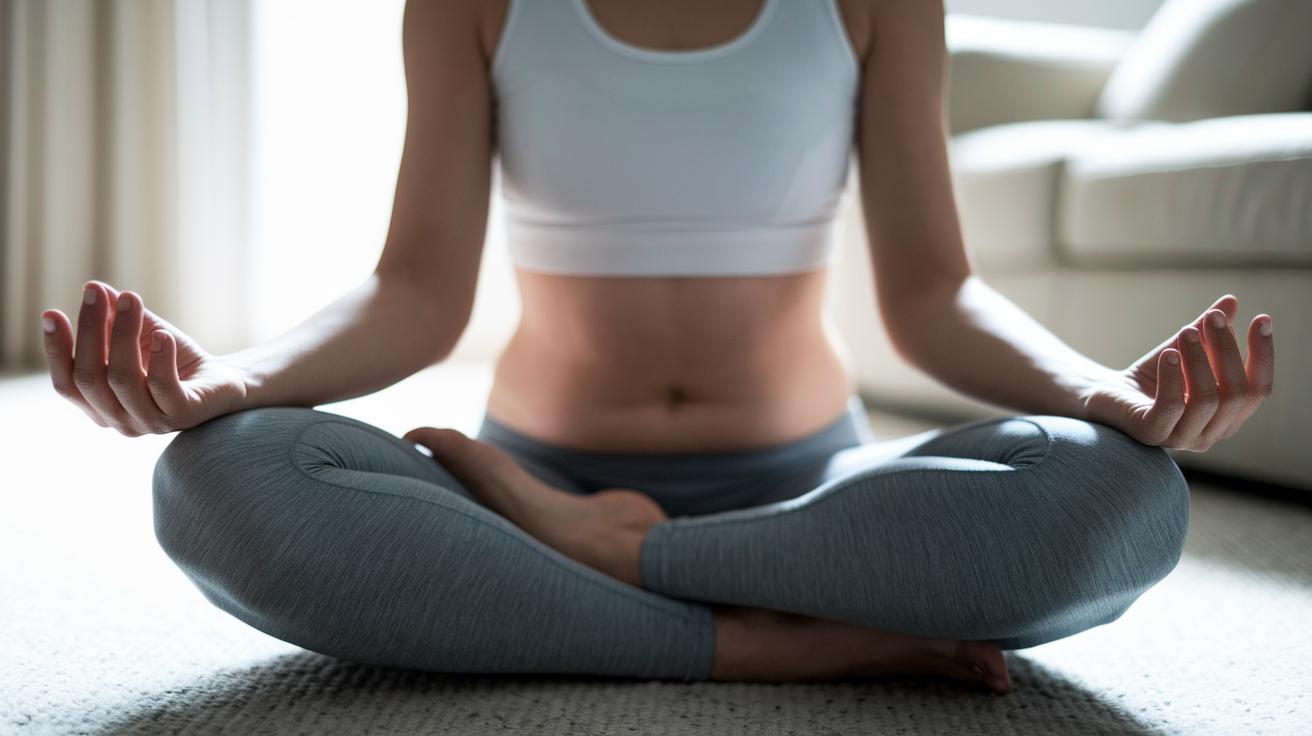
Deep breathing can really help ease an anxiety attack. When you focus on slow, deep breaths using your diaphragm (the muscle right under your lungs), you send a calming signal to your brain. This action helps lower your heart rate and tells your body to relax.
Mindfulness breathing means paying close attention to every breath you take. Focusing on your inhale and exhale can quiet worries and even lower stress hormones like cortisol. When you practice this regularly, your mood can feel steadier and your thoughts clearer.
Try using a steady breathing rhythm with techniques like resonant breathing. Take about 5 slow breaths per minute, using a 12-second cycle to fill and empty your lungs fully. This routine helps your heart adjust to stress better and can lessen anxiety symptoms. It’s a simple tool to help you feel more in control when things get overwhelming.
Top techniques for deep breathing for anxiety attacks
Structured breathing gives your body a clear plan to shift from panic to calm. When you follow a simple pattern, your brain gets the hint to settle down. This steady rhythm can slow racing thoughts and bring ease to your heart and breathing.
| Technique | Timing | Primary Benefit |
|---|---|---|
| Box breathing | Inhale 4s, Hold 4s, Exhale 4s, Hold 4s | Helps clear your focus and regulate breathing |
| 4-7-8 method | Inhale 4s, Hold 7s, Exhale 8s; repeat for 4 cycles | Slows your heart rate and eases anxiety |
| Diaphragmatic breathing | Deep, slow breaths with a hand on your belly | Encourages deep breathing to replace shallow, quick breaths |
| Resonant (coherent) breathing | 5 breaths per minute (12-second cycles) | Balances your stress for a calm, steady state |
When anxiety strikes, having a set method helps you regain control. Try box breathing or the 4-7-8 method to quickly pause anxious thoughts. Diaphragmatic breathing ensures you take full, soothing breaths. Resonant breathing helps keep your body balanced. With regular practice, these simple techniques become reliable tools to calm your mind on tough days.
Safety considerations for deep breathing during anxiety attacks

Sit in a comfortable position when you practice inhaling slowly and exhaling to calm yourself. If you start to feel lightheaded or dizzy, take a break and return to your normal breathing until you feel steady again.
If you feel any discomfort while doing diaphragmatic breathing (placing one hand on your chest and the other on your belly), stop right away and let your breathing go back to normal.
You can also mix these breathing exercises with other calming activities. For example, try pairing deep breathing with a bit of mindful awareness or taking a gentle 10-minute walk. Techniques like the 4-7-8 method (best done while seated) or pursed-lip breathing when you're out and about give you extra tools for finding calm quickly. With regular practice, these simple techniques can help steady your heart rate, reduce stress, and build your resilience during anxious moments. Always pay attention to how your body feels and adjust your practice as needed.
Integrating deep breathing for anxiety attacks into daily life
Set aside 5–10 minutes each day for deep breathing. Use your phone or calendar to remind you, just like scheduling a quick catch-up with a friend. A simple pause like this can help lower your anxiety and calm your body. For example, you might set an alarm in the morning or right before bed to focus on your breathing.
Try out digital tools that guide your deep breathing. Many apps and online videos offer step-by-step exercises that adjust to how stressed you feel. This makes it easy to fit in a session even on busy days.
Keep a simple record of your progress over the next few weeks. Write down how you feel or use an app to track your mood and anxiety. Over time, you’ll notice how these short sessions help you feel more in control.
Final Words
In the action, we looked at how deep breathing for anxiety attacks can reset your body and ease stress quickly. We unfolded the science behind slowing your heart rate and calming your fight-or-flight response. You learned simple methods like paced exhalation to help manage panic during stressful moments.
These clear strategies fit easily into a busy schedule. Remember: every mindful breath counts and each small step builds lasting calm. Keep trying these tips and celebrate your progress along the way.

